
Growing cucumbers on the balcony from A to Z
Content
Varieties for the balcony
Not all cucumber varieties are suitable for growing on a balcony, and not all balconies are suitable for this purpose. Cucumbers are heat-loving plants, but they strongly dislike drafts. They require a glassed-in balcony with caulked cracks.
When choosing seeds, pay attention to the following characteristics of the variety: shade-loving, vines with short internodes, does not require pollination.
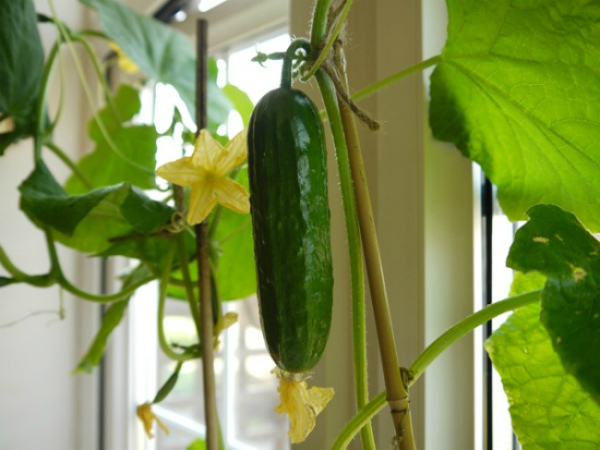
Fortunately, there are a number of different cucumber varieties suitable for growing on the balcony: Gorodskoy Ogurichik F1, Balagan F1, Berendey F1, Zozulya, Aprelskiy, Kukaracha, and Stella. If you're prepared to experiment and potentially fail, you can combine bee-pollinated varieties with non-pollinated ones. The Ladoga, Severnoye Siyaniye, and Frigate varieties require insect pollination, but if you plant them in a pattern of one hybrid variety and five to six insect-pollinated ones, you're more likely to get a harvest.
Remember that if you buy unknown varieties, essentially at random, you will face the problem of no one to pollinate the inflorescences.
Soil and sowing
Once you've decided which varieties will grow on your balcony and which will twine beautiful green vines around your window sill, it's time to move on to the second, more important step: soil preparation.
Cucumbers are finicky plants; they require fertile soil to produce a productive harvest. A universal vegetable soil with a pH of no more than 6.8 works well. Five liters of pre-treated soil is needed per plant. There are many options: treating with a fungicide, steaming in a water bath, baking in the oven or microwave.
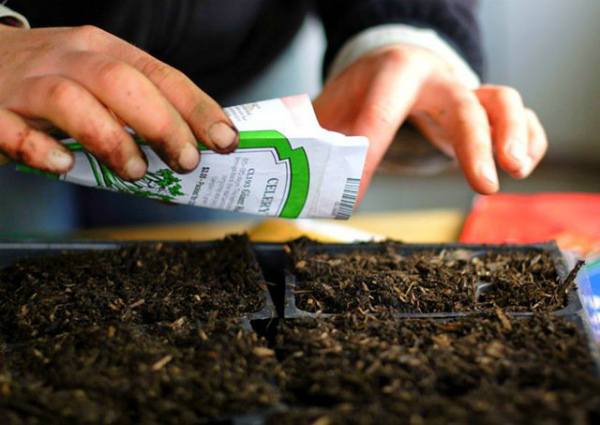
Cucumbers can be grown on the balcony in standard flower boxes with drainage holes. However, if you have wooden tubs, they will also work, as long as they provide adequate drainage. Once you've filled the container with soil, you're ready to plant. Planting of cucumbers begins in early April.
Make holes in the center of the pot, spaced 30-40 centimeters apart. Place 2-3 seeds in each hole, 2 cm deep. After planting, cover the pot with plastic wrap and place it in a well-lit area.
Watering and fertilizing
Cucumber seedlings require daily watering: once a day with room-temperature water if they are in a shaded area, and twice a day if they are in a sunny spot. Avoid overwatering to ensure strong, healthy growth.
Fertilizing cucumbers is also important. Typically, they are fed once every 10-15 days with mineral fertilizers. Natural fertilizers are also available: wood ash infusion, yeast solution, eggshell infusion, and tea. Cucumbers especially need fertilizing during flowering and fruiting.
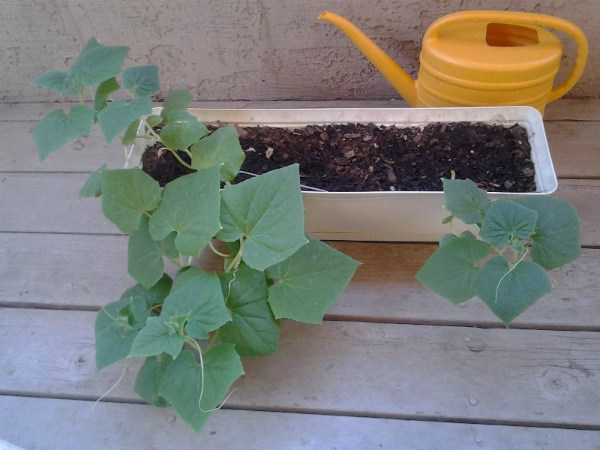
Grown seedlings of any variety can be fed with a mullein solution. Optionally, you can add 20 grams of superphosphate or 15 grams of potassium. Don't overdo it—once every 2-3 weeks is sufficient.
Planting seedlings
Healthy seedlings are the key to a bountiful harvest. In the previous sections, we already discussed how to grow cucumbers on a balcony in standard plastic or wooden containers with drainage holes. Choose light-colored pots to prevent them from overheating in the sun. Cucumbers thrive in moisture, especially when grown on a windowsill in the summer.
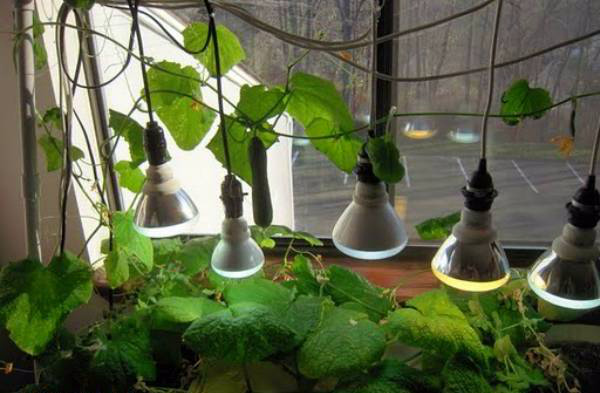
Keep the top layer of soil slightly moist at all times to promote better rooting and faster growth of the seedlings. In areas with heavy shade, use fluorescent lamps.
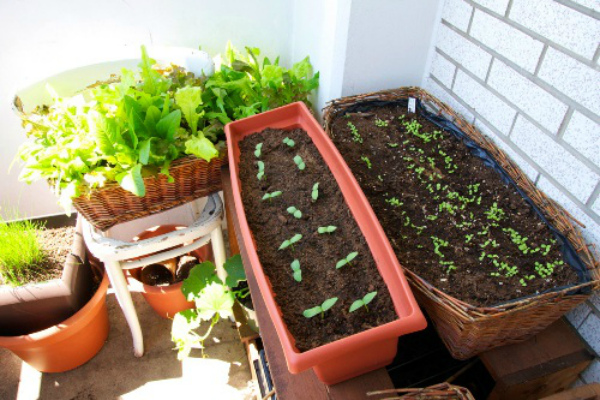
If you grew seeds in small cups or pots and now want to transplant the seedlings to their permanent location, make sure 25-27 days have passed, the plants have been fertilized, and are not turning yellow. If all is well, fill the prepared container with special soil and water it with a potassium permanganate solution. Lightly moisten the soil around the seedlings to make it easier to remove them from the cups and avoid damaging the roots. Place them in the prepared holes and moisten.
Care
Different cucumber varieties require different care, but the basic principle is regular watering. Moderately moist soil is quite effective in producing a good harvest and healthy plants. Furthermore, try to maintain proper air humidity and clean the leaves of dust blown in from the outdoors.
When the outside temperature is high, be sure to protect the plants from direct sunlight. Otherwise, the leaves will turn yellow, require additional care, and recovery becomes much more difficult. As the nights get cooler in August, wrap the cucumber boxes in burlap or other fabric to prevent the plants from freezing. This type of care is unnecessary unless you have frost-hardy cucumber varieties.
As your cucumber plantings grow, you'll soon be faced with the problem of where to put the vines. There are several options for tying up cucumbers:
- Drill two holes in the wall near the containers, almost to the ceiling. Attach rings or holders to them and tie them with regular rope. Wrap the cucumber shoots around the rope.
- You can tie cucumbers to wire. Secure the wire at a height of about 2 meters, then tie strips of twine to it, and wrap the vines around these.
- Mesh is a good option if you want to create a lush, green cucumber hedge.
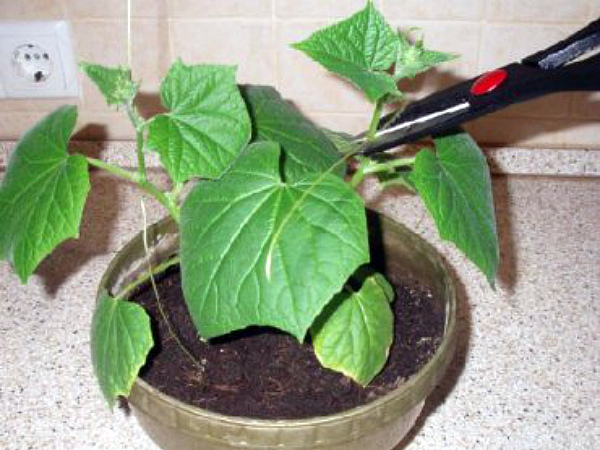
Cucumber care also includes pinching. Some varieties don't require pinching, but most still need to be kept in check to prevent the plant from becoming a green leaf. Aim for the lateral vines to be about 25-30 centimeters long after pinching.
Why do leaves turn yellow?
It's possible that the temperature on your balcony is too high—cucumber leaves simply can't handle the heat and are burning. If the air temperature rises above 30°C, be sure to provide shade for your cucumbers, as these temperatures can cause leaves and fruit to turn yellow. Caring for cucumbers in this case involves mulching the soil in the pots with damp sphagnum moss and misting the leaves with a spray bottle in the evenings (not during the day).
Why do fruits turn yellow?
Possible reasons include:
- poor pollination, which resulted in weak ovaries;
- too many ovaries, so the plant does not have the strength for normal fruiting;
- diseases.
Why aren't the cucumbers growing?
They may be lacking nutrients. Apply yeast or mineral fertilizer, check that the plants are getting enough light and moisture. Carefully maintain the pots.
Why are some varieties not suitable for planting on a balcony?
Because you won't be able to pollinate the plants yourself, and a swarm of insects is clearly the last thing you want on your balcony.
Why are there no flowers, the ovaries dry up and turn yellow?
Check the plant for damage and fertilize it. This is most likely due to a severe lack of energy for growth. Perhaps you haven't been pinching the cucumbers, and by the time they flower or fruit, there's more green mass than resources. In this case, care involves fertilizing, pinching, and thoroughly moistening the soil.
Video: "Cucumbers in 50 Days on a North Balcony"
You might be interested to follow the experiment conducted by a resident of an ordinary high-rise building: in 50 days, he grew a crop of cucumbers on his north-facing balcony. Watch the video for details.