
How to properly use urea to fertilize cucumbers
Content
What is urea?
A well-known nitrogen fertilizer, also known as urea, is a white or off-white, odorless granular fertilizer that dissolves quickly in water.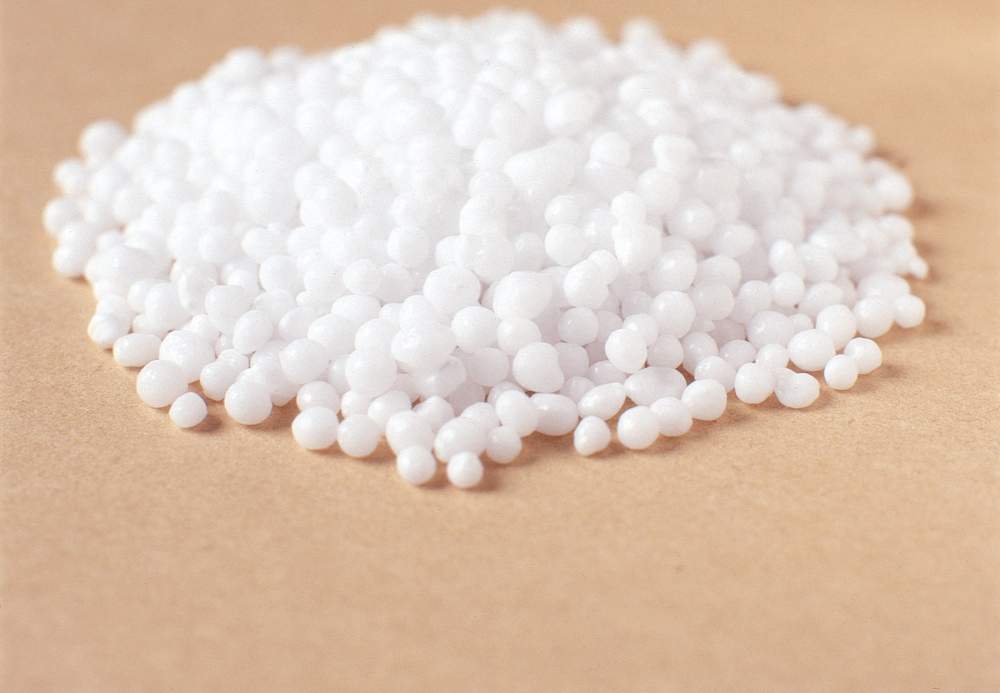
The fertilizer is highly concentrated, containing nearly 50% nitrogen. Urea fertilization is recommended from the moment the seeds germinate. This procedure ensures that vegetables receive the necessary beneficial micronutrients that affect their taste and quality. Urea is inexpensive and highly effective. It can be used either in granular form or pre-dissolved in water.
It's easy to see that your favorite crop requires this type of feeding. Signs of this include delayed maturation, a wilted appearance, pale foliage, and foliage that is rather narrow and small. Buds also lag in development and are weak. Neglecting to fertilize will inevitably lead to leaf drop and a decrease in yield.
Video “Properties of Urea”
This video will tell you what urea is, how it works, and why it's so commonly used by gardeners.
User's Guide
There are specific guidelines for using this product. It must be applied deep into the soil to prevent decomposition. The fertilizer can be used for both open-field and greenhouse cucumbers. Although the supplement is considered universal, each crop requires a specific dosage. 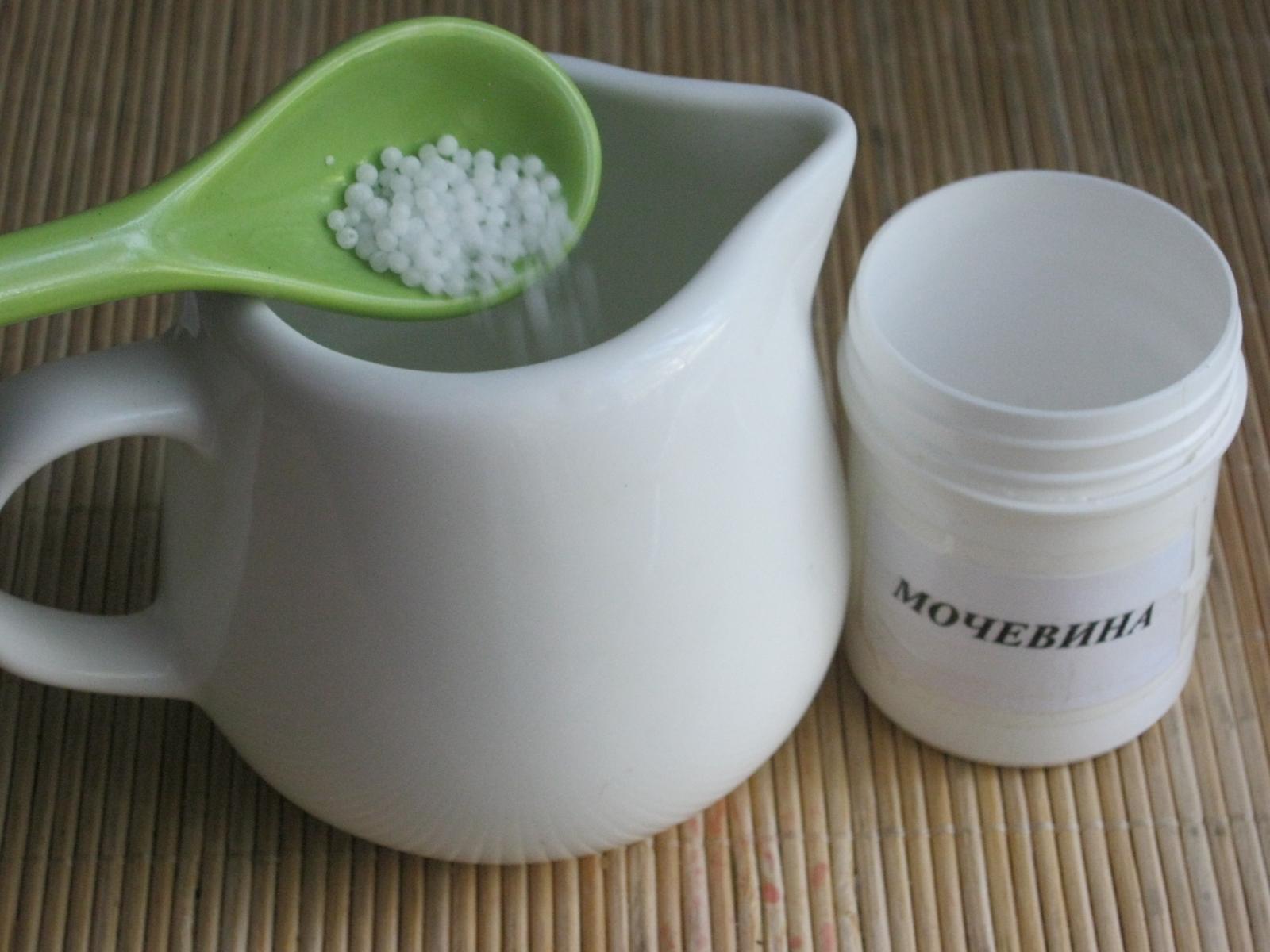 Urea tends to increase soil acidity and alkalinity. To counteract this, a lime mixture is used. In addition to cucumbers, this solution is suitable for tomatoes, other vegetables, and fruit and berry crops.
Why feed?
Of course, plants can obtain the lion's share of nutrients and components essential for normal life from the soil. However, under unfavorable weather conditions (low temperatures or dry days), these nutrients are insufficient for full growth, development, and fruiting. Foliar feeding with urea is very important in the above-mentioned situations. However, it cannot be considered the primary form of plant nutrition. There are also various root and foliar feeding options.
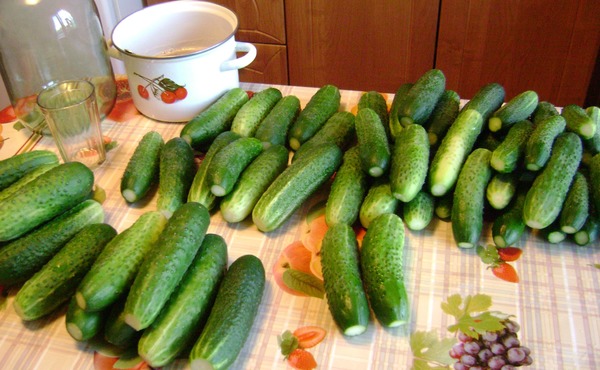
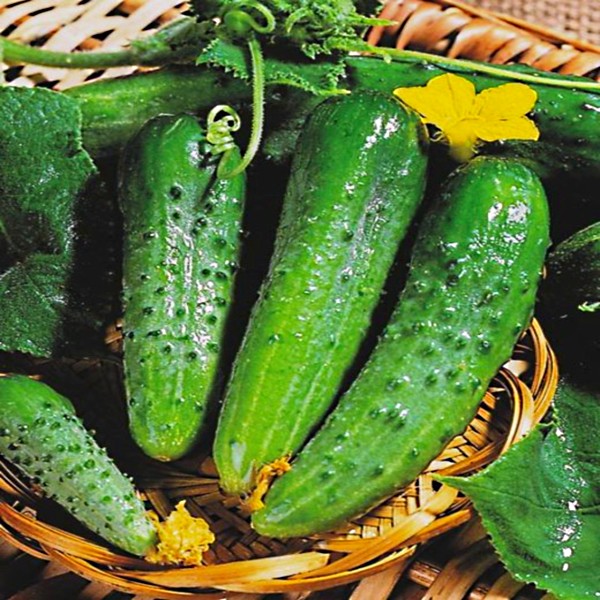
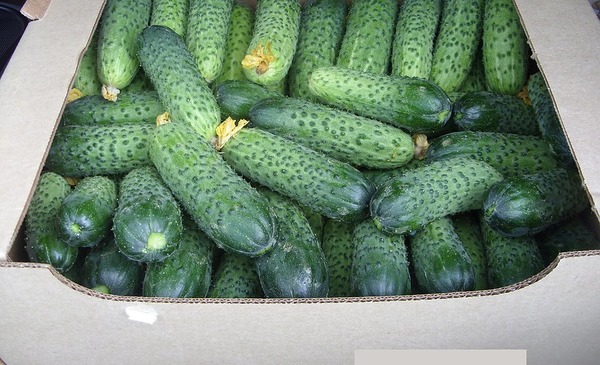
Gardeners' efforts to fertilize their plants are aimed at achieving a high-quality harvest, healthy and tasty fruit in abundance. Urea is excellent at enriching ovaries and fruits with beneficial organic matter and elements.
Fertilizing is recommended after the first tender leaves appear on the shoots. Before flowering and fruiting, the plant requires fertilizers rich in nitrogen, calcium, and phosphorus. When the plant is actively bearing fruit, that is, after it has finished growing and developing, it requires supplements with adequate potassium and magnesium levels. It's fairly easy to tell if your plants are deficient in phosphorus and nitrogen. This can be indicated by a pale appearance, stunted growth, and poor development of the vegetables.
Use of urea
The typical application rate is 7-8 grams per square meter of plot. Application frequency is approximately twice during the growing season. Cucumbers first require urea during the seedling planting stage. The second application is when the first fruits are already forming. Additional application of concentrate is recommended to ensure a bountiful harvest of your favorite vegetables in the future. This is done at a rate of 60 grams of the product per 20 liters of water.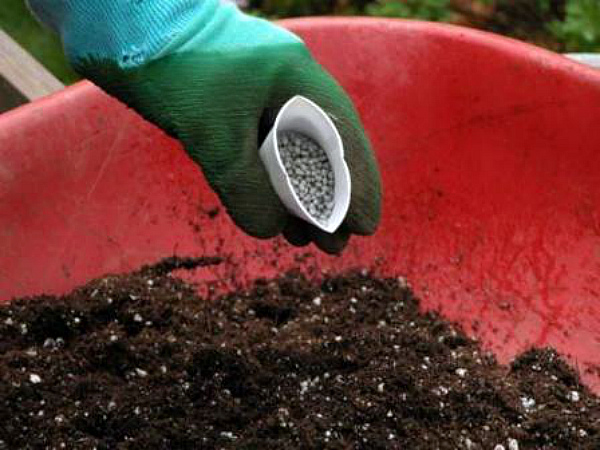 For foliar feeding, spray the plants with a solution of 10-15 grams of granules per bucket of liquid. This should be done carefully to avoid significant soil oxidation. It's best to apply the solution before rain or in cloudy weather after lunch. Along with spraying, it's recommended to fertilize the cucumbers with special mineral components. If there's no rain and you've planned to apply the fertilizer, simply water the plants thoroughly.
Features of feeding
Unlike chemical fertilizers, cucumbers respond positively to the introduction of organic and mineral fertilizers.
Using urea, you can do this using a recipe that has been tried and tested by many gardeners. Take 5 grams of ammophos per square meter of the plot. Spread it evenly over the surface of the beds. Mix 50 grams of urea in a 10-liter container.
A second application is mandatory only after the fruit has appeared. This applies to both garden cucumbers and greenhouses. In this case, apply 15 grams of fertilizer per 10 liters of water. The same solution is recommended for spraying crops grown in your own garden.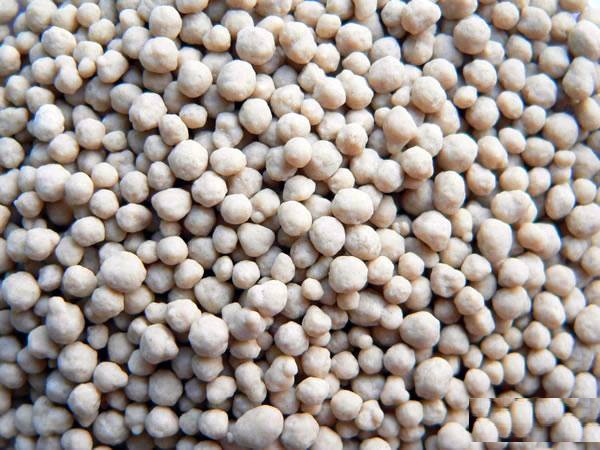
By learning the properties of urea as a fertilizer and the nuances of its use, you can significantly increase yields, improve the quality, presentation, and taste of your cucumbers. However, when cucumbers are growing and developing well, it's important to monitor their condition and not rush to apply more urea. Novice gardeners, as well as experienced ones, understand the importance of any fertilizer for cucumber growth and development.
Video: Using Urea in the Garden
This video will show you how to use urea in your garden effectively and correctly.