
How and when to plant cucumber seedlings
Content
Planting dates
Many gardeners ask, "When should I plant cucumbers?" It's worth noting that there is a proper time to plant cucumbers, but it's usually not clearly defined. Beginners can easily miss it, and in some cases, seedlings may over-ripen for planting. This can have adverse effects on this vegetable crop. First and foremost, this factor can significantly reduce the plant's survival rate after planting.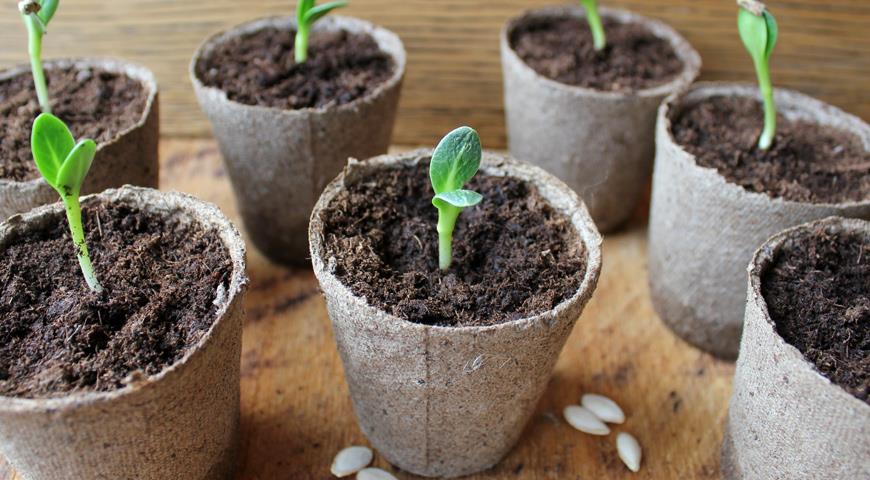
To answer the question of when to plant cucumbers, you need to know some of the specifics of their cultivation. The planting time is directly influenced by the vegetable variety, the location where it will be grown, and the climate of your region. Remember that transplanting cucumber seedlings into the ground should not begin earlier than two weeks after sowing the seeds.
These plants are heat-loving, so to promote vigorous growth and the formation of the first leaves, it's necessary to ensure a stable indoor temperature. Seedlings are usually grown indoors, as it's always warm there. The most favorable temperature for seedlings is 15 degrees Celsius. Lower temperatures aren't detrimental to the plant, but there's a risk of slower growth or reduced fruit quality.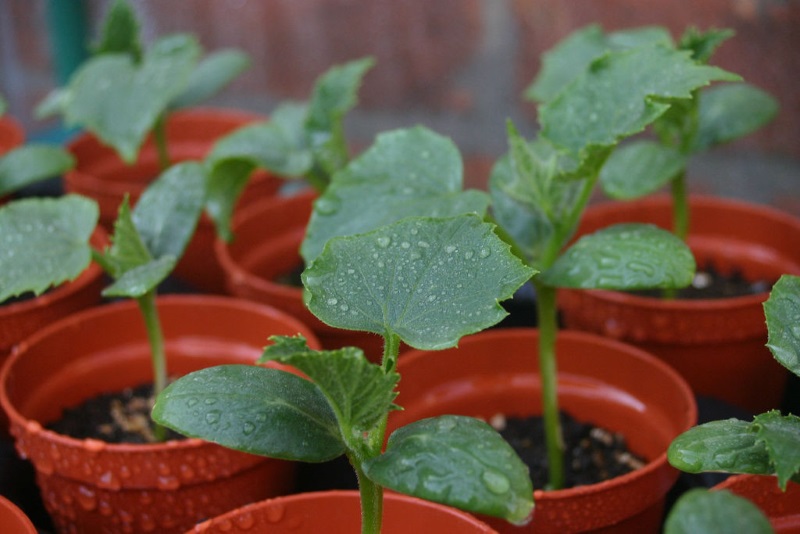
When the weather warms up, it's best to move the containers with the planted seeds outside or onto a balcony to receive sunlight. This will help the first sprouts emerge more quickly. Depending on the climate in your region, you can choose the best time to plant cucumber seedlings. Ideally, this should be done after the soil warms to 8-10 degrees Celsius and the risk of frost has passed.
Seeds should generally be started in late March, and the prepared seedlings should be planted in the ground in late April or May. Also, carefully study the characteristics of the cucumber variety whose seeds you purchased. Growing recommendations, as well as recommended timing and conditions for preparing the planting material, may be included. It's a good idea to plan your planting time in advance.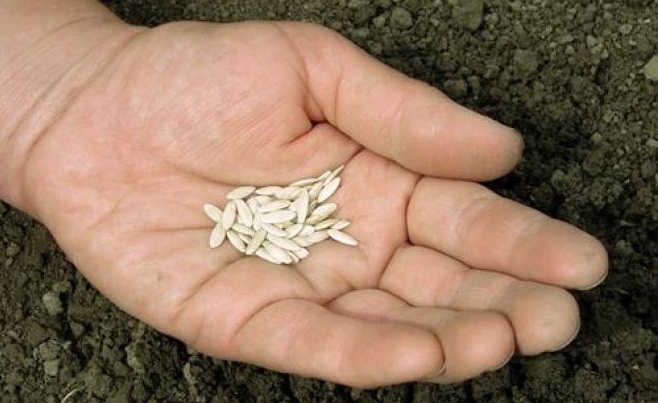
If you time your cucumber planting correctly, you can significantly increase your chances of getting a good harvest at the end of the season.
Video: Growing Cucumber Seedlings at Home
The video's author reveals the specifics of growing cucumber seedlings.
Planting technology
Now let's take a closer look at the process of preparing seedlings from seeds. It all starts with preparing the seeds. If you purchased the seeds from a specialty store, you can start sowing them immediately when the time is right. They are usually sold already disinfected and prepared. However, if you collected the seeds yourself from a previous harvest, they will need to be treated.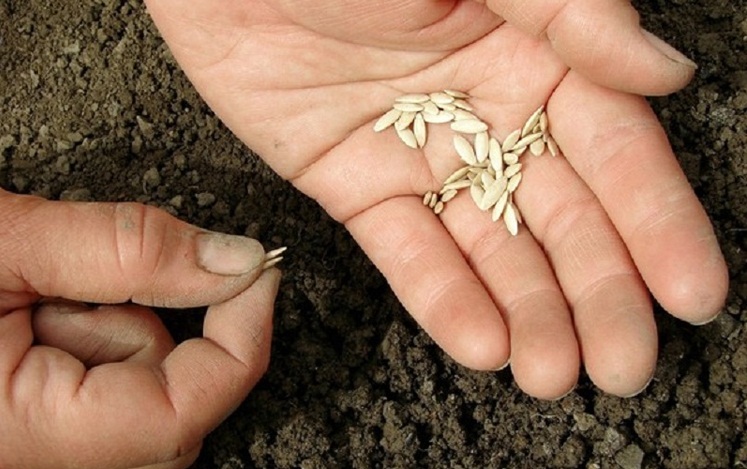
A small amount of a weak potassium permanganate solution is prepared and then the seeds are treated. They are simply soaked in this solution, as it is capable of completely destroying all pathogens that may have lingered on the seed coat. After treatment, they should be thoroughly dried and stored in a dry place where the air temperature does not exceed 15 degrees Celsius to prevent premature germination. Humidity levels should be around 55%. As a result, disinfection with potassium permanganate allows the planting material to be stored for 10 years without risk of loss of germination. Treatment can be done after collecting the seeds from the fruits or a few weeks before sowing.
Storage period also directly impacts yield. Currently, cucumbers grown from seeds 3-4 years old will produce the highest yields.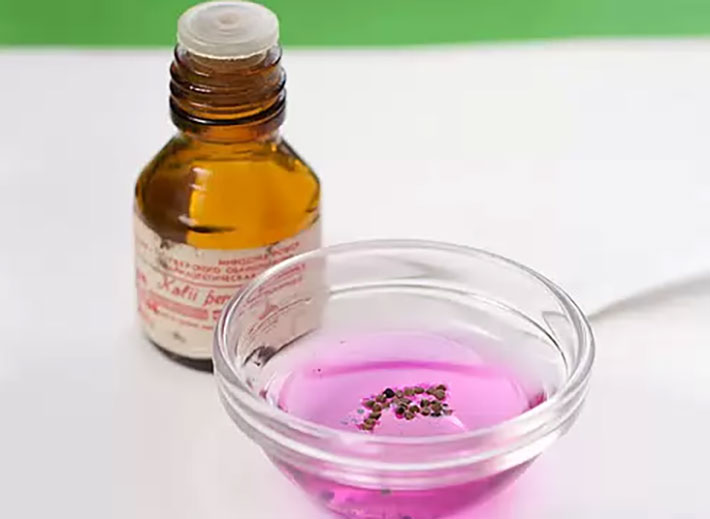
The agrotechnical method for growing seedlings from seeds consists of the following stages.
First, you'll need to soak the seeds in water. Wrap them in a cloth and place them in room-temperature water (about 20-22 degrees Celsius). The water should only barely cover the seeds, as too much will negatively impact their quality.
After soaking, hardening off the seeds is recommended. This will allow the plant to adapt more quickly to the new conditions after planting. The seeds are wrapped in a damp cloth and placed in the refrigerator for two days. Some gardeners also wrap the cloth in plastic. It's crucial to ensure that the seedlings don't begin to sprout at this point. If you stick to the timing, everything will go according to plan. This increases the plants' resistance to cold snaps. This is especially important for two-year-old plants that need to survive the winter.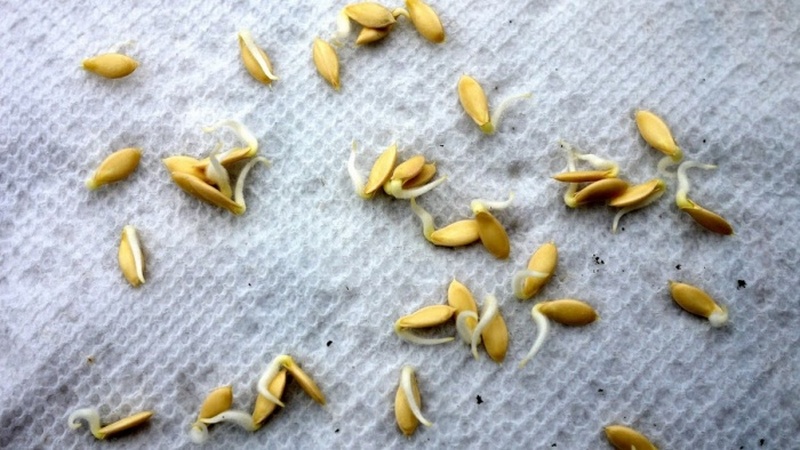
After hardening off, you can sow the seeds. It's best to use plastic cups filled with prepared soil or special peat containers.
Before planting, make sure the soil contains all the necessary microelements and nutrients to ensure healthy cucumber growth. You can prepare the soil yourself in advance, but it can also be purchased at the store.
If you're sowing seeds in a common container, you'll need to transplant them at some point. This process isn't necessary if you used individual containers to germinate the seedlings.
When preparing the soil yourself, you can follow these simple guidelines. Use one part peat moss and two parts soil (preferably black soil). This is the basic soil composition for growing cucumbers. If desired, you can add a little sand and wood ash. Mix everything thoroughly and pour it into a container, leaving at least a centimeter of space above the top. This will make watering the soil much easier, as you can determine the amount of water to use at the beginning. Also, before sowing the seeds, you can water the soil with a solution of potassium permanganate to kill harmful microorganisms and fungi.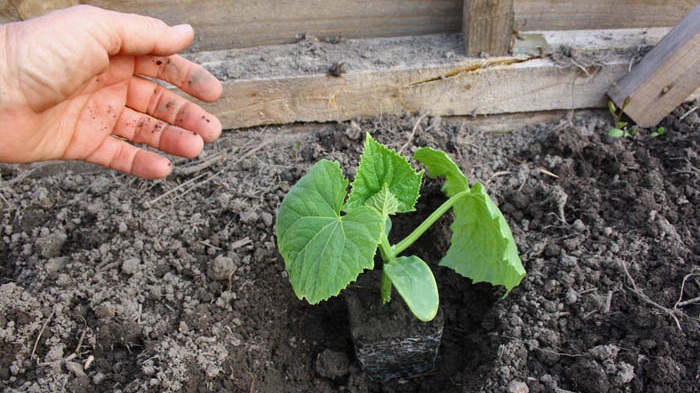
After sowing, gardeners should periodically check the soil for moisture; if it dries out, they should add a little moisture. However, be careful with this, as excess water can negatively impact the quality of the resulting seedlings.
It's best to place all the containers in one location to ensure the seeds maintain uniform growing conditions. Poke small holes in the bottom of the containers to prevent excess moisture accumulation. Place one seed in each container to ensure faster germination and adequate nutrients. Maintain an air temperature of around 23 degrees Celsius (73 degrees Fahrenheit) and water the containers a couple of times a week. After sowing, cover the soil with plastic wrap. Plastic wrap maintains temperature better and maintains a favorable microclimate. When the first sprouts appear, remove the plastic wrap. The seedlings are usually ready for transplanting into the ground within a month. If everything was done according to the instructions, the seedlings will be strong and vigorous and will quickly establish themselves in their new location.
Seedlings should be planted in the ground when the weather is warm and sunny. We strongly recommend avoiding overly wet soil, as this can cause root rot before the plants have time to take root.
Feeding
Fertilizing cucumbers is considered crucial for achieving the highest possible yield. This begins immediately after cucumber seeds are germinated and continues until abundant fruiting has begun. Fertilizing these vegetables is essential for enriching them with organic micronutrients, which results in large, tasty, and nutritious fruits.
Typically, cucumbers are fertilized during the seedling stage only after the first leaf appears. It's worth highlighting the basic principles of fertilizing cucumbers at different stages of growth. Cucumbers that haven't yet begun to bloom and bear fruit primarily require fertilizers containing nitrogen, phosphorus, and calcium.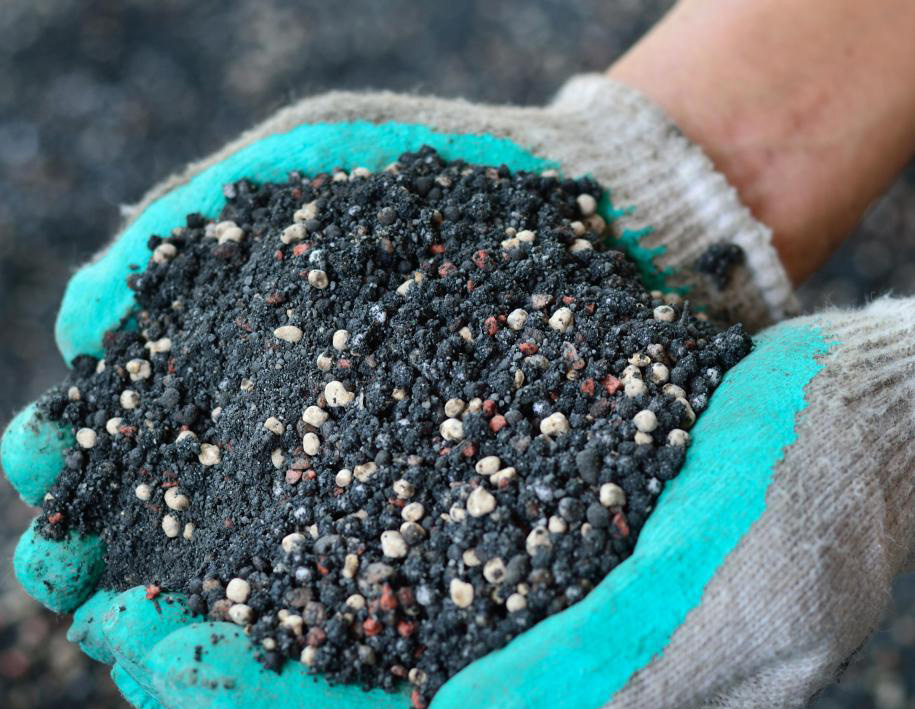
Cucumber seedlings require fertilizing with a solution of water with the addition of superphosphate, a small amount of cow manure, and ammonium nitrate. Generally, cucumber seedlings only need to be fertilized three times.
Before gardeners begin planting cucumbers outdoors, they should apply fertilizer well in advance to ensure it has time to be absorbed, enriching the entire soil with nutrients. If time permits, try to do this early, as concentrated fertilizers can burn young seedlings.
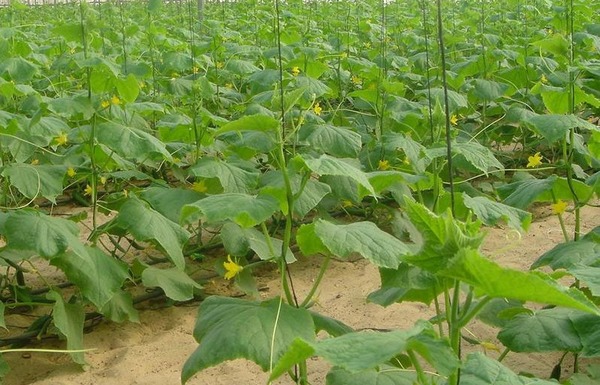
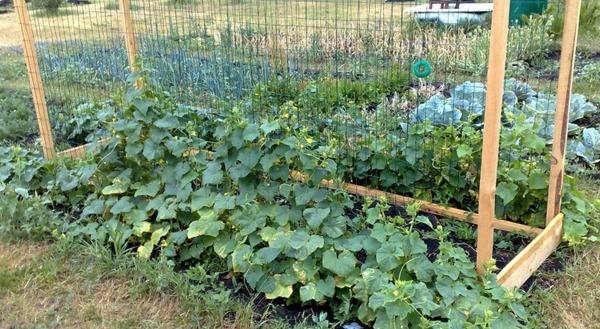
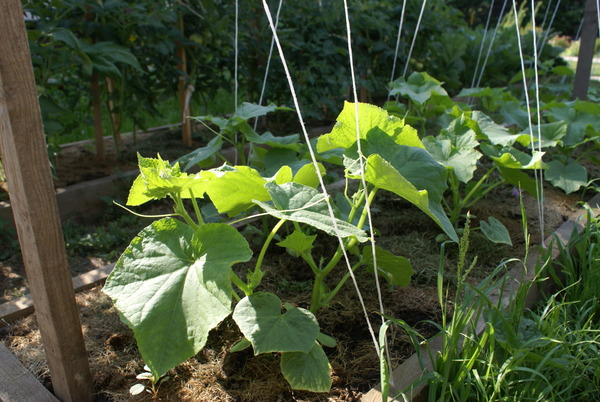
The first feeding has already been mentioned, but the second is done after the second leaf emerges on the cucumber seedling. The first feeding is usually done a month after planting. The third feeding of cucumber seedlings is necessary two weeks after the first feeding. A distinctive feature of the second and third feedings is the double dose of mineral components. Fertilizing cucumbers in a greenhouse should be done several times. It's important to consider the appropriate feeding rate. Cucumbers do not tolerate excessive amounts of organic and chemical fertilizers, as this can also impair their growth. Therefore, when placing cucumber seedlings in a greenhouse, small doses of fertilizer are necessary.
Video: Fertilizing Cucumbers
The video shows methods for feeding cucumbers in the garden.