
How to choose the right potassium fertilizer for cucumbers
Content
Why do we apply fertilizers?
There's no universal fertilizer for cucumbers, nor is there a universal application technique. The specifics of the nutritional process directly depend on the soil composition, growing conditions, seed quality, and other factors. Therefore, fertilizing is a process that requires individual consideration.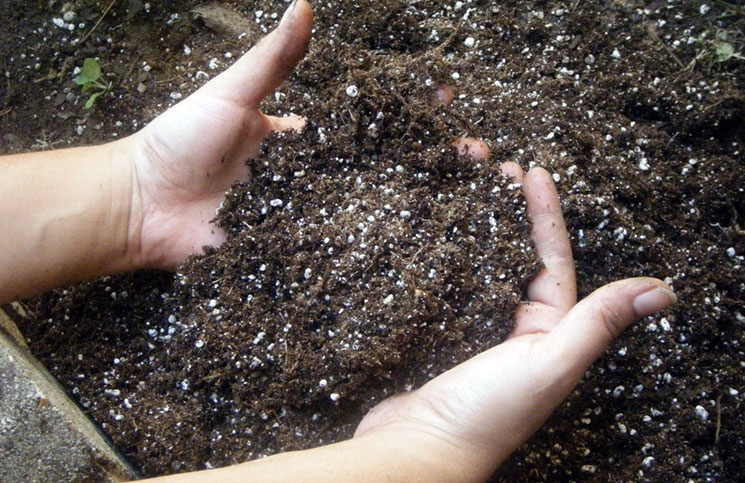
However, there are certain substances whose application can be the basis for achieving the best possible results. These substances include organic ones, such as compost or bird droppings. They are usually applied to plants as solutions. To do this, the substances are first diluted with water and applied directly to the roots.
In addition to organic matter, plants require minerals. A deficiency of these substances often causes crop diseases. Elemental deficiencies can also have a detrimental effect on cucumbers. If the proportions are incorrect, the plants can simply burn.
Video: "Feeding Cucumbers"
From the video you will learn how to properly feed cucumbers.
Types of fertilizers
Most often, 3 groups of fertilizers are used for feeding cucumbers:
- Nitrogen-containing fertilizers. Cucumbers need these supplements at virtually any stage of their development. Their primary role is to support growth and leaf formation, especially at the beginning of the growing season. It's important to remember that some nitrogen-containing compounds negatively impact fruit quality. For example, ammonium nitrate, while beneficial for the vegetable, can accumulate in the fruit.
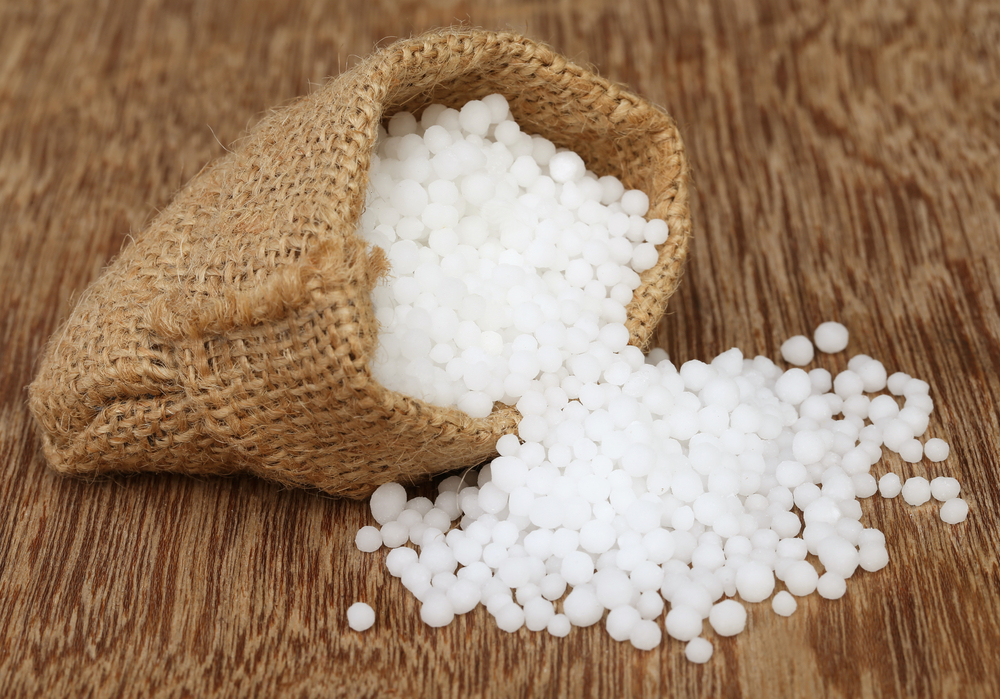 So, cucumbers contain nitrates, which are extremely dangerous to humans. What fertilizer should you buy then? For greenhouse crops, it makes sense to choose substances that do not contain nitrate nitrogen. Such fertilizers can be applied either at the roots during plant irrigation, by spraying, or even through drip irrigation. It's also worth considering that if you apply excessive amounts of potassium and phosphorus and too little nitrogen at the beginning of the crop's growth, you may end up with vigorous plants producing numerous male flowers. Naturally, such plants will produce few fruits, to put it mildly. Subsequent nitrogen fertilization will not help in this case.
 - Phosphorus fertilizers. This element is essential for normal root growth and function, as well as proper fruit set. Phosphorus, along with nitrogen, promotes the growth of green mass. However, cucumbers require very small amounts of phosphorus. Properly and timely fertilizers will help cucumbers bloom vigorously and on time.
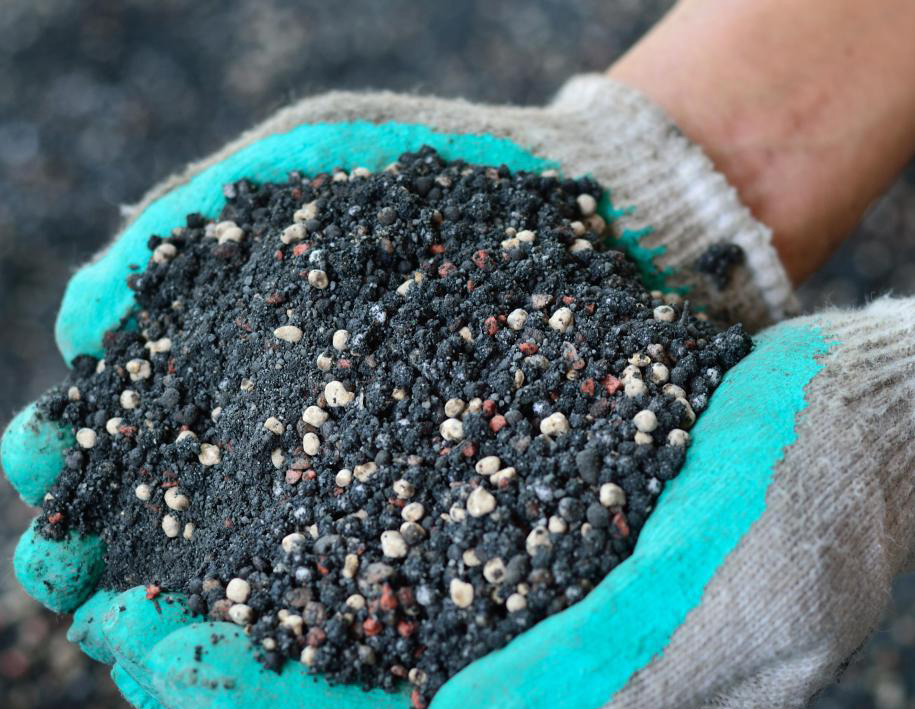
- Potassium-containing fertilizers. Potassium fertilizers activate the flow of nutrients from the roots to other plant organs. Potassium promotes normal vegetative growth and development, as well as abundant fruiting in cucumbers.
Potassium is often applied as potassium chloride. It's best to avoid this, or apply it before autumn tillage. If the greenhouse is open at the top, all the chloride will be washed out of the soil by early spring with precipitation, leaving the beneficial element behind.
Application of fertilizers
Potassium should be applied during the period of active fruit formation, but this is the first time cucumbers are fertilized as a complex fertilizer. This means that the plants should be watered with a solution containing all three elements: nitrogen, potassium, and phosphorus.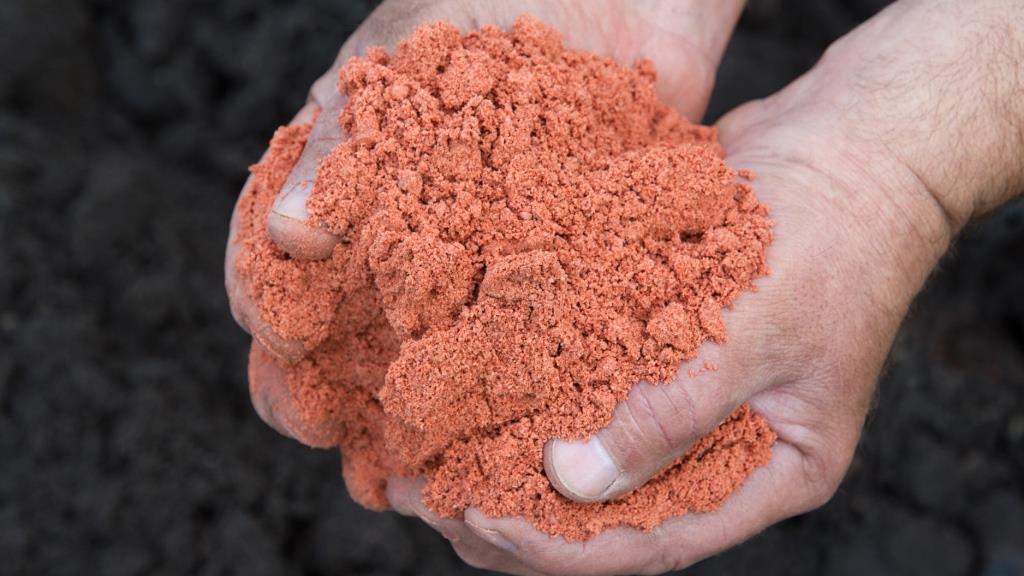
This type of feeding should be done as soon as the first young plants emerge and form a pair of leaves. After that, apply nutrients every two weeks. Greenhouse plants need to be fed up to five times per season.
However, the amount of fertilizer applied is very arbitrary. Much depends on the composition and quality of the soil. If the soil has low fertility, the amount of nutrient application should be increased. A combination of organic and mineral elements is also possible. After all, an organic deficiency has just as detrimental an impact on crops as a mineral deficiency.
If the soil has high fertility rates, it is better to fertilize less frequently and alternate the types of fertilizers.
Cucumbers are often grown in "warm" beds, meaning beds that have already been fertilized with nutrients. In this case, the vegetable should be fed with minerals more often than organic matter.
After all, element deficiencies are more noticeable in plants. Therefore, it's better to introduce nutrients through spraying.
How to prepare fertilizer
Fertilizers can be purchased ready-made at specialized retailers or you can make your own. For greenhouse plants, it's better to use a less concentrated solution (compared to fertilizers used in open ground), as greenhouse conditions are significantly different from those in the garden.
High humidity in a greenhouse increases the concentration of fertilizers, which negatively impacts crops. At the same time, plants in unprotected soil are more susceptible to diseases, pests, and the effects of low temperatures.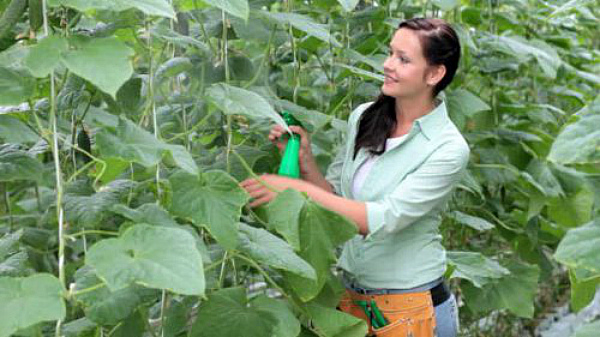
The ratio of water to fertilizer depends on the feeding method. When applied under the roots or by spraying, they differ:
- when applying fertilizer under the root in open soil, mix 15 grams of nitrogen and potassium with 50 grams of superphosphate and dilute them in a bucket of water;
- for spraying, 5 grams of nitrogen with potassium (10 grams) and 15 grams of superphosphate are diluted in a bucket of water;
- for root feeding of plants in a greenhouse, per 10 liters of water, add nitrogen and potassium (10 grams each) and superphosphate (20 grams);
- Spraying cucumbers in greenhouse conditions is carried out with a solution of 5 grams of nitrogen, 10 grams of potassium and up to 12 grams of superphosphate per bucket of water.
Identifying the symptoms of potassium deficiency
Potassium is essential for plants; only the correct amount can ensure a healthy harvest. Therefore, every gardener should be aware of the main signs of a deficiency.
To do this, carefully examine all plants growing in the area. Signs of deficiency include:
- the plants are actively growing, but are not forming ovaries;
- the leaves acquire a dark green color;
- A yellow border forms on the edges of the leaves.
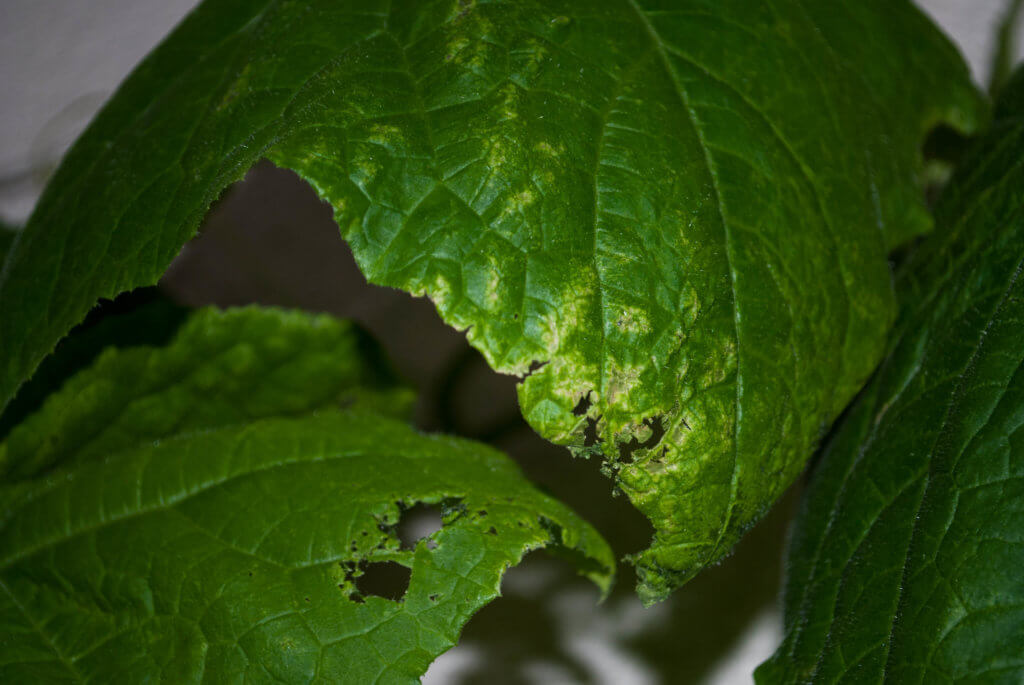
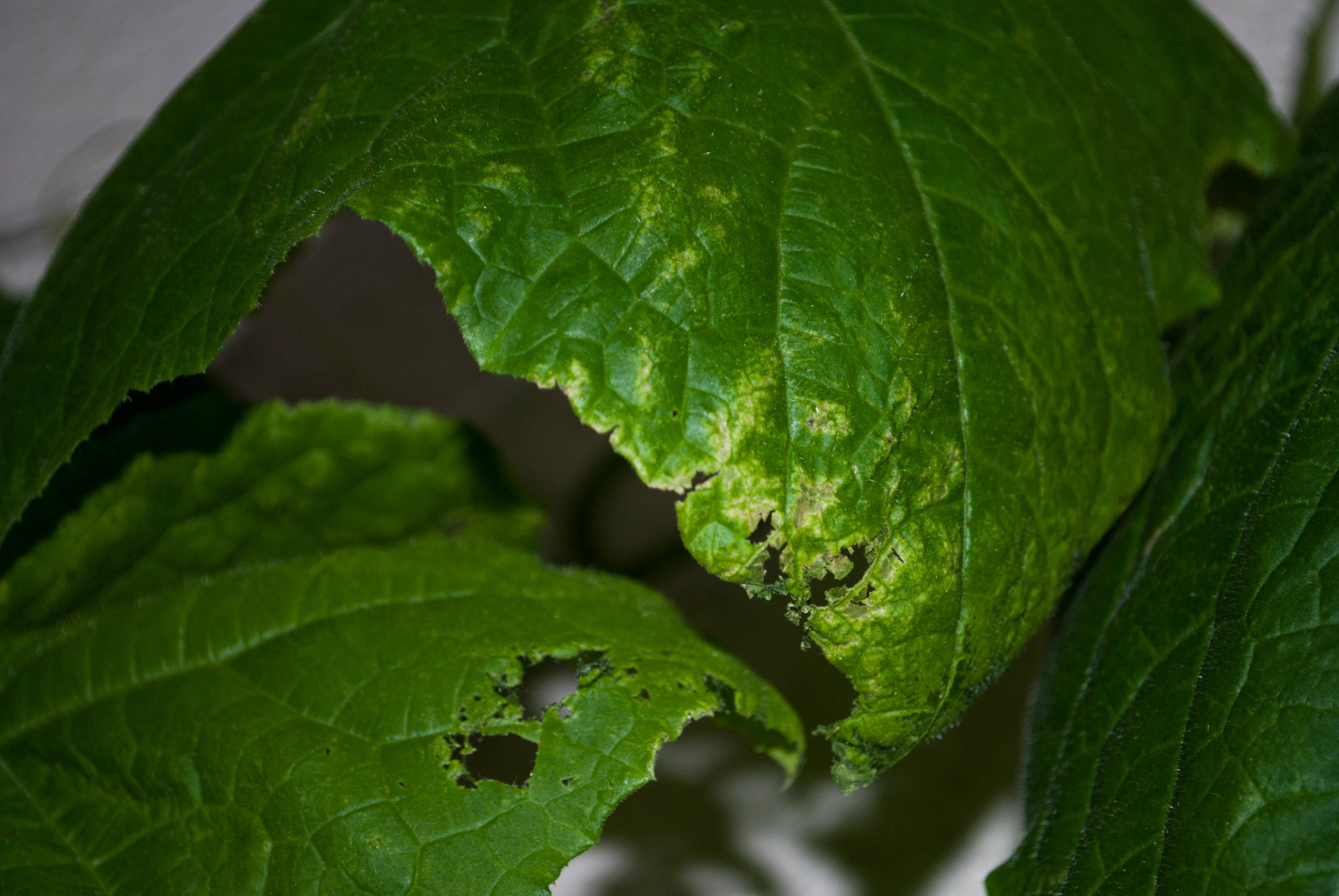
Gardeners often realize their plants need potassium when they develop numerous barren flowers and the cucumbers themselves become elongated. These symptoms are easily noticed in crops growing outdoors. For young plants, potassium is practically invaluable.
Fertilizing with potassium improves the flavor of fruit, so this element is especially important during the fruit set stage. If cucumbers are deficient in potassium at this stage, the resulting fruit will be bitter or watery.
Potassium also increases plant resistance to low temperatures and makes them less susceptible to attacks by parasites: caterpillars, beetles and a number of other insects.
So, fertilizing cucumbers is a necessary part of their care. Only by properly adding organic matter and minerals can you reap a rich, high-quality harvest of flavorful fruit.
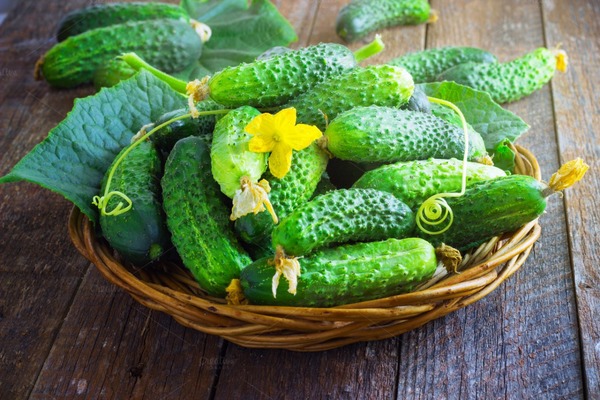
Video: "Benefits of Potash Fertilizer"
From the video you will learn about all the benefits of using potassium fertilizer.