
How to speed up the growth of cucumbers in open ground
Content
What is harmful to cucumbers?
Keep in mind that too much potassium fertilizer will negatively impact the plant's ability to absorb nitrogen. Shoots will become thinner, and foliage will become much lighter. Excess nitrogen will cause stems to thicken, foliage to grow excessively, and fruit ripening will be delayed. This means that plant growth will consume all the energy that would otherwise have gone into ripening the fruit. The fruit will become smaller and smaller, and nitrates will accumulate in them. Cucumbers will also become susceptible to fungus, and this crop can cause food poisoning. Excess phosphorus will cause necrotic spots on cucumbers, and the plant will constantly be water-starved.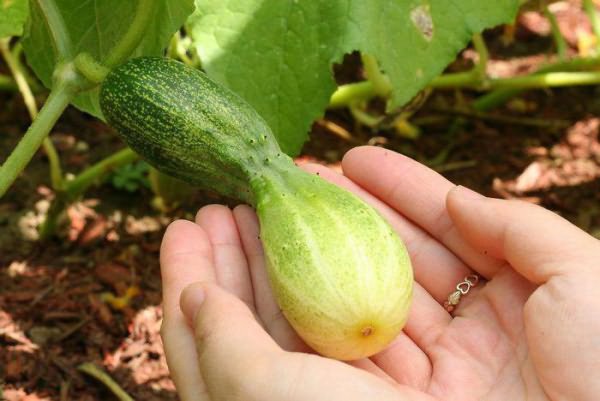
Video: "How to Properly Plant Cucumbers in Open Ground"
This video will show you how to plant cucumbers correctly to get a good harvest.
Correct planting of cucumbers
If you decide to grow them without seedlings, you can use either dry or soaked seeds. Soaked seeds will grow slightly faster. However, it's best to harden them off before planting.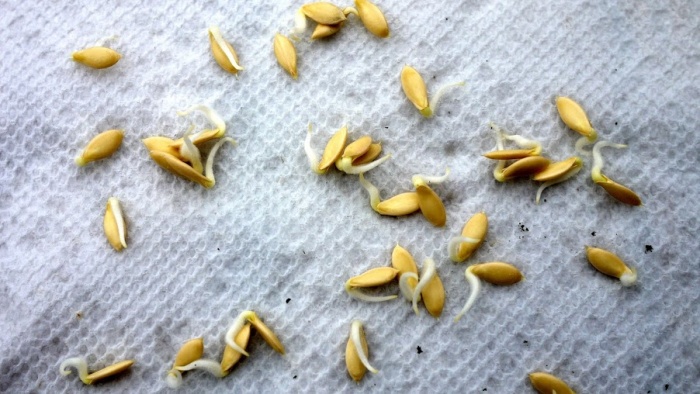
When stored properly, seeds can last up to 12 years. Surprisingly, the most productive seeds are those aged 4-5 years. You can use seeds you collected in your garden, but be aware that they may not grow as well as store-bought ones. Remember that sowing last year's seeds is contraindicated, as they will not yield a large harvest and will not grow very well.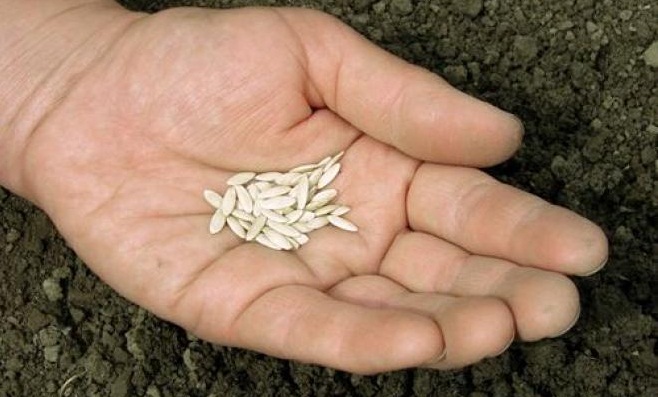
To ensure cucumbers take root, you need to do the following:
- Soaking. The seeds are wrapped in cloth and placed in water for several days.
- Pre-sowing hardening. This process involves keeping seeds in a cold place for about 2-3 days before planting to accelerate their growth.
Plant immediately after pinning.
The seedling method has many advantages. You can increase fertility, and in northern regions, you'll be guaranteed a harvest.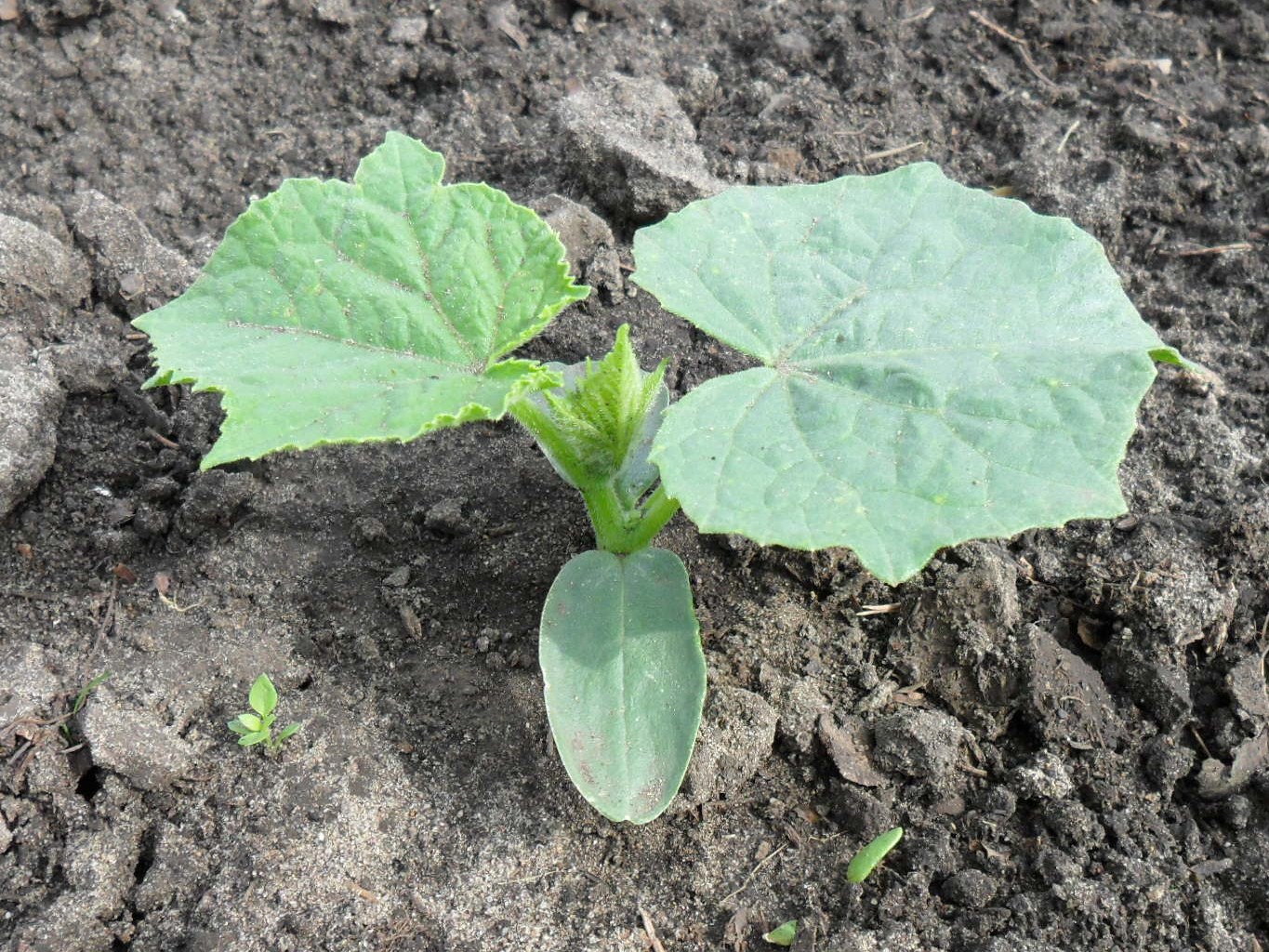
Remember that seedlings should have strong stems no more than 20 cm high and short internodes.
Cucumbers are grown without picking because they become susceptible to disease when transplanted. Sprouted seeds are sown in plastic or peat-humus pots, which have been covered with nutrient-rich soil and kept at 25-27°C until germination. If the seedlings are stretched, this means they need more sun.
When growing cucumbers outdoors, remember to practice crop rotation. Remember that cucumbers thrive in warm, sunny locations. Treat the root collars with sand to protect the cucumbers from root rot.
If you decide to plant them from seeds, you can use either dry or soaked seeds. Remember to harden the seeds to ensure a good harvest in the fall.
In open ground, transplant the seeds when the soil temperature reaches 15 degrees Celsius. Prepare seeding holes every half meter. Sow 4-5 seeds in each hole.
Once the seedlings have emerged, they need to be thinned out to increase survival.
Watering correctly
Watering is crucial. Even slight dryness can cause bitterness and poor yields.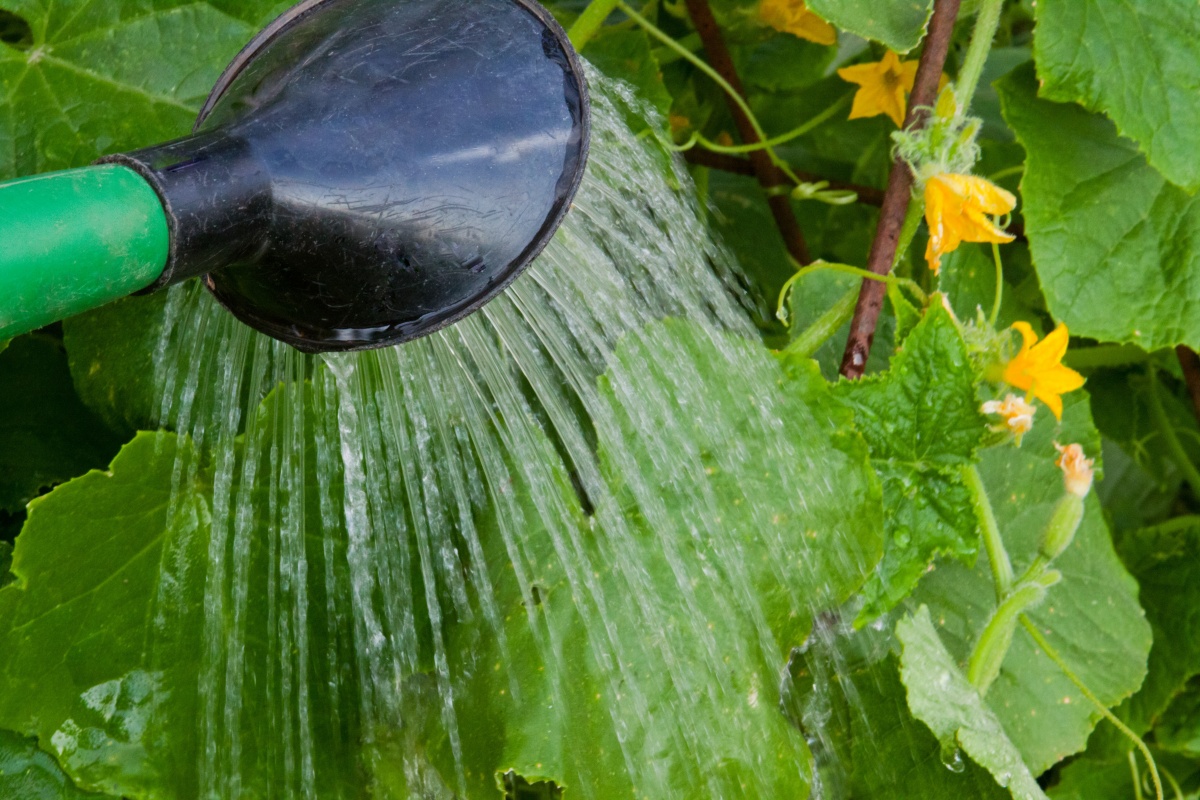
Cucumbers should be watered with warm water, otherwise rot will occur and the crop will die. To retain soil moisture, mulch it with organic fertilizer. This will prevent the soil from drying out and suppress weeds. Remember that roots also need air. Frequent watering can compact unmulched soil, and loosening the soil will damage the roots.
Fertilizers
Remember that cucumbers need to be fertilized 3-7 times per season. The first feeding should be done with the following solution: 20 liters of water, 2 tablespoons of nitrophoska, and 2 cups of chicken manure.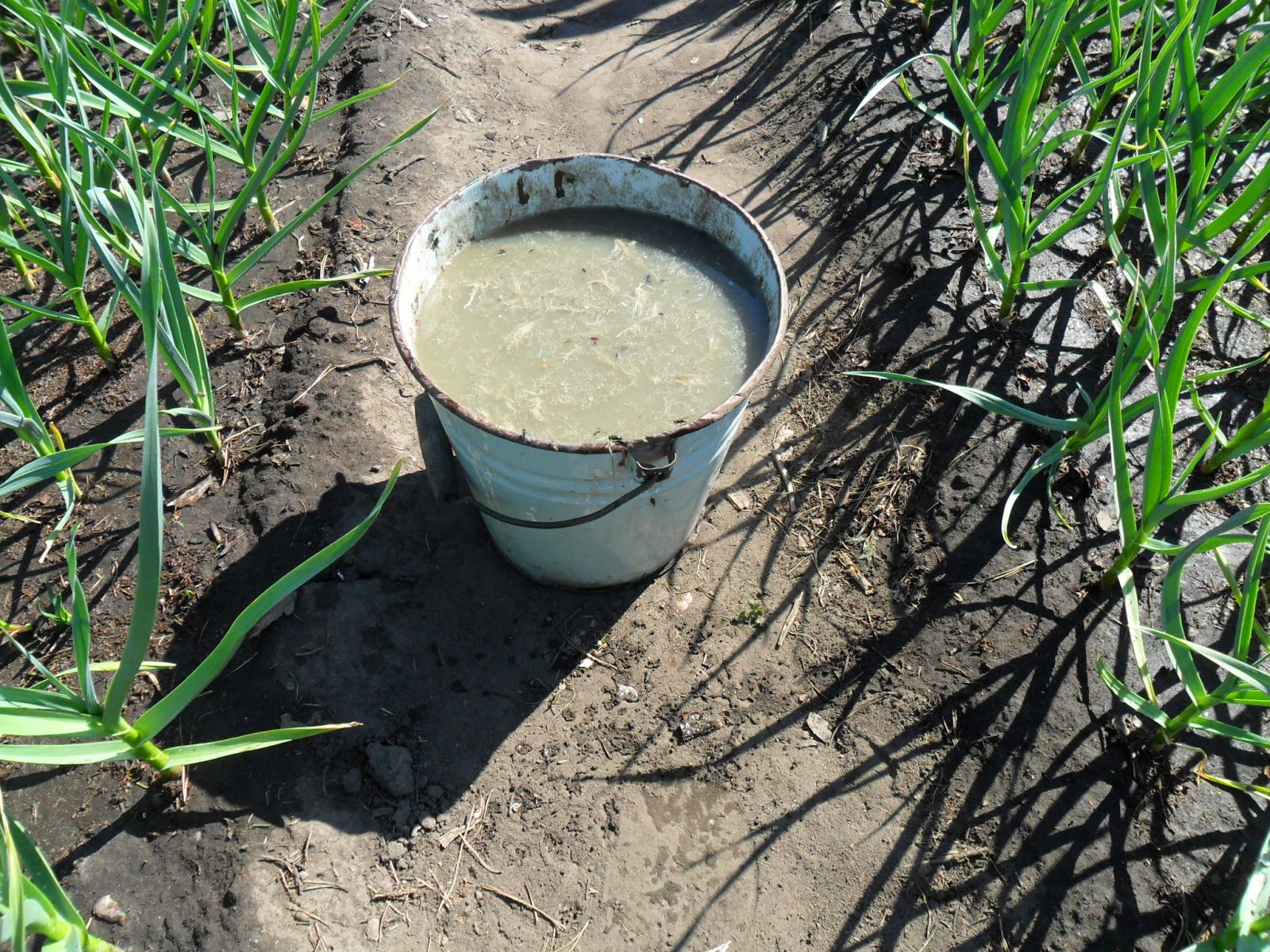
The second feeding is 20 liters of water, 2 tablespoons of sulfate, then dilute it with a liter of mullein. On average, you need about 5 liters of solution per square meter. If mullein is unavailable, you can substitute it with substrates.
Disease prevention and pest control
Olive spot is the appearance of small spots that develop into ulcers. Cucumbers are most often affected by this disease during cold summers.
Sclerotonic disease is the appearance of a white coating. The fruits become flabby, the leaves droop, and the plant dies. This is all due to low humidity and air temperature in the open ground.
Powdery mildew is a coating on the leaves. Spray the plant with Bordeaux mixture in midsummer. Seed dust and slurry can also be used.
Downy mildew is a type of mildew. For the initial infection to occur, moisture remaining on the leaves for more than seven hours is sufficient. Therefore, watering should be done no later than 4 PM local time, otherwise the leaves simply won't dry. Round or angular yellow spots appear on the upper surface of the leaflets, and a white coating appears on the leaves and shoots. To eliminate this problem, keep the overall humidity below 80%, and keep the temperature above 22°C. Apply Bordeaux mixture in the morning or evening, as it attacks the leaves and shoots, ultimately killing the cucumbers.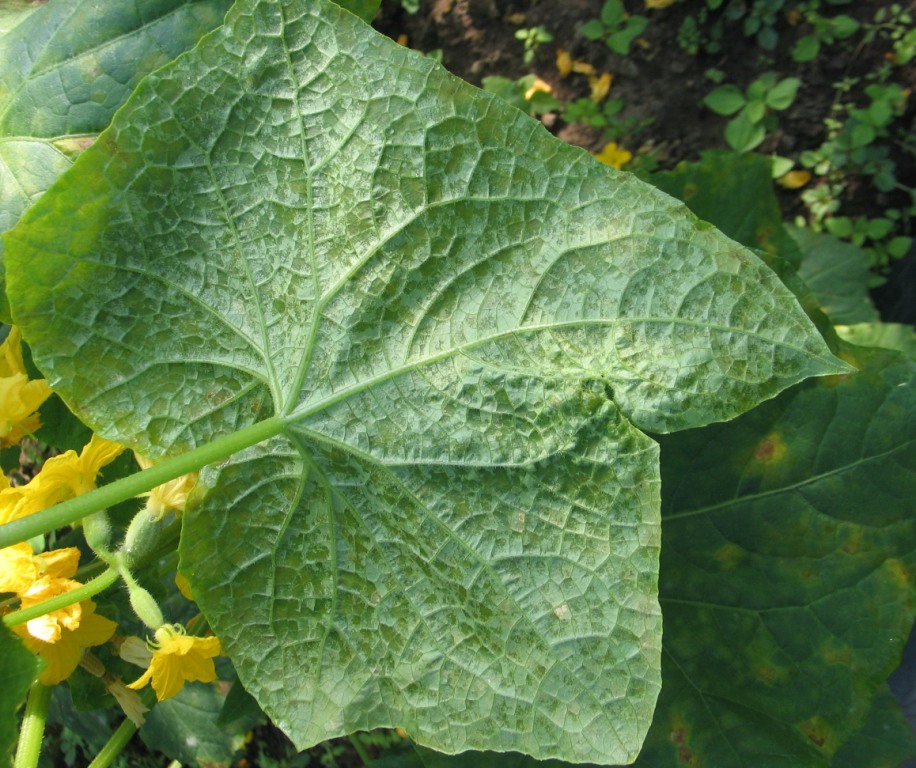
Bacterial spot appears as angular spots on the underside of the leaf. Droplets collect there in the morning and dry, forming a coating around the cucumber leaves. The fruit becomes covered in small spots, which negatively impact the yield. Bordeaux mixture can also help here.
Root rot. It can be either fungal or bacterial in origin. The source of infection can be either infected seeds or contaminated soil. External factors include very cold or hot soil, with the latter causing the disease to develop more rapidly. Salinity can also be a factor. You can tell a cucumber is infected by the plant wilting in hot weather. It begins with the root turning dark, becoming rotten and unable to support plant growth. It later dies. To protect against this disease, use only clean or treated seeds. Plant in well-prepared, composted beds, and practice crop rotation. Fitosporin-M is a helpful treatment.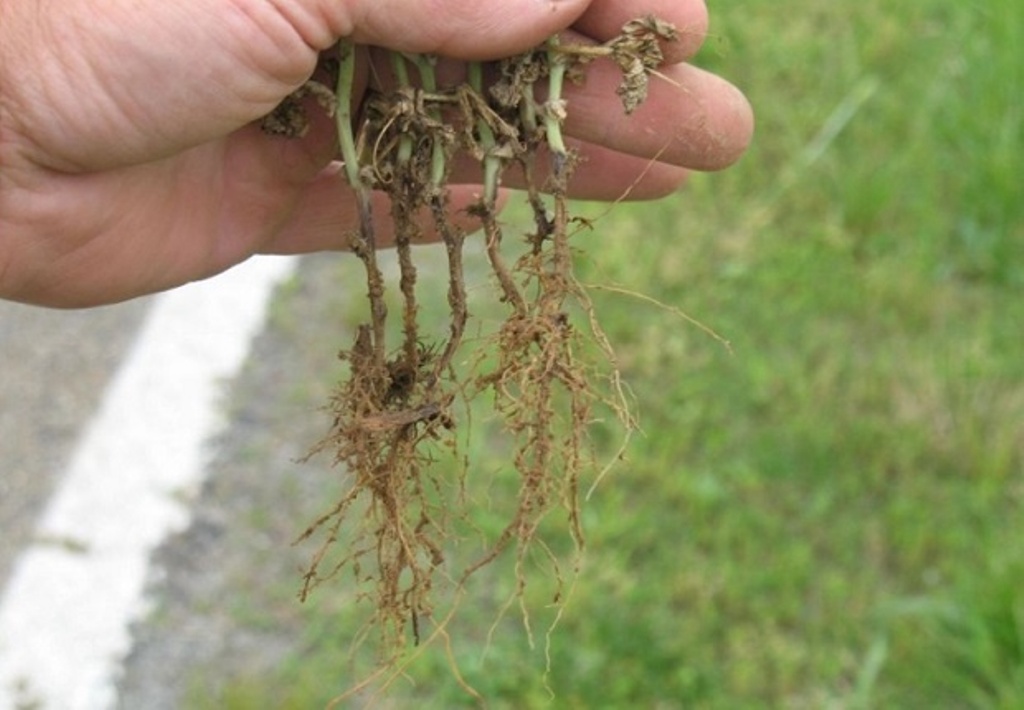
To prevent diseases, water the plants with this solution: 2 liters of urea, a little manganese, 6 g of copper sulfate, and 6 g of boric acid per 20 liters of water. You should do 8-9 such sprays per season.
To prevent diseases, you can also dust cucumbers with ash or tobacco tincture. Spray them with a potassium permanganate solution every 1.5 to 2 weeks. Excellent results are achieved by treating the soil with a solution of 60 g of copper oxychloride per 20 liters of water. Dry soil can also be disinfected by watering it twice with boiling water.
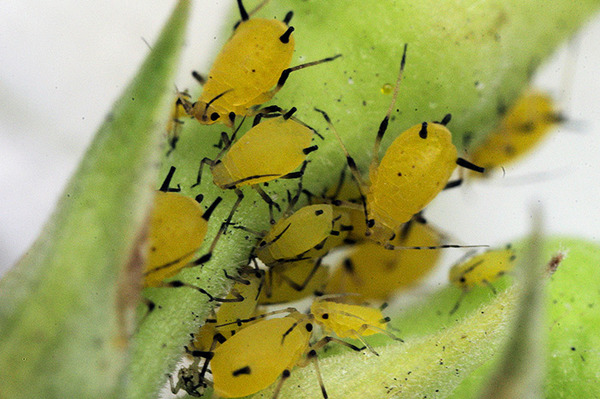
Melon aphid. It is most common in the south. However, due to global warming and greenhouses, this pest is being found in increasingly northern regions every year. It can cause significant damage only when it forms colonies. It can transmit diseases from other plants. Melon aphids grow to a maximum size of 3 mm. The larvae are yellow, then turn green, and finally turn black. In cucumbers, they emerge from the inside. The entire generation feeds on the plant's sap, allowing the colony to "kill" the plant. Leaves curl and dry out, ovaries develop, and shoots stop growing.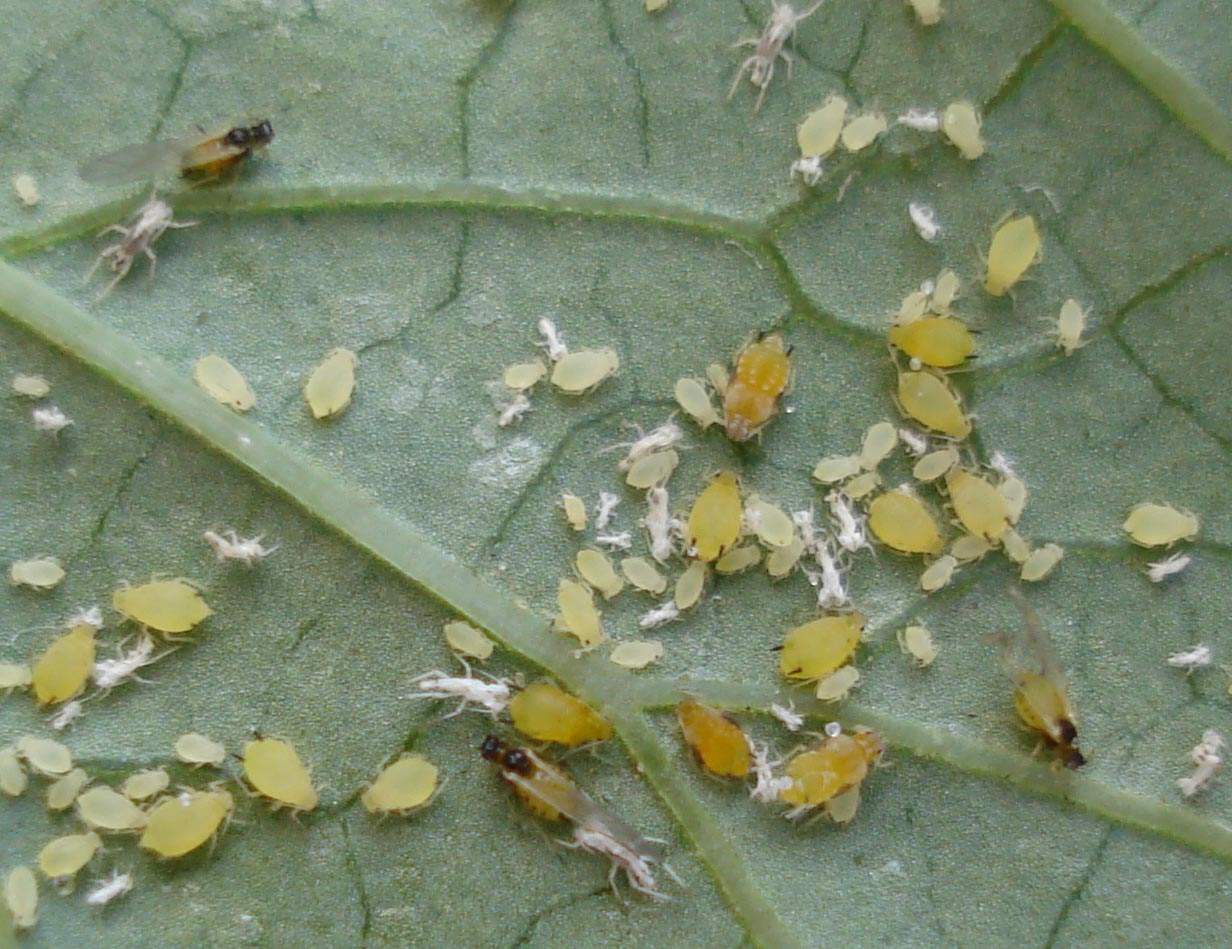
They overwinter on various weeds, so a thorough cleaning of the area is the best prevention. Their natural enemy is ladybugs, so don't chase them away from the city. Look for them in a field, forest, or park and transfer them to the garden bed. Also, try spraying them with a solution of laundry soap and tobacco or shag. You can also try getting rid of them with an infusion of onion peels or potato tops. If you haven't allowed the colony to grow to mind-boggling sizes, this should be enough.
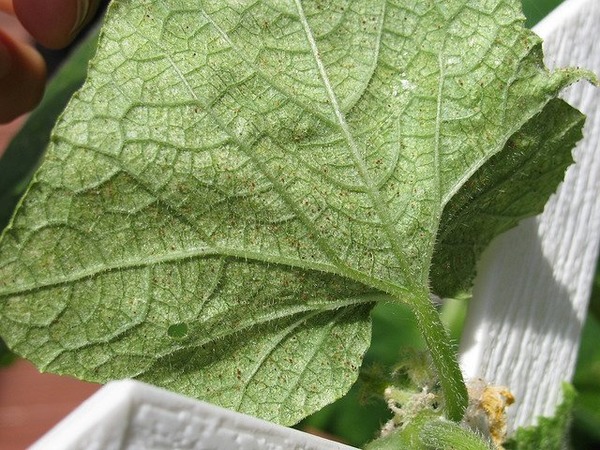
Spider mites are invisible, yet very common. They usually settle on the back of leaves, where they spin webs. They feed on sap, burning the leaf, causing light spots to appear first, then the leaf becomes marbled and dries out. Adult mites can easily overwinter in debris or simply in the soil. If you miss the emergence of this pest, controlling it will be difficult. You can release their enemy, the Phytoseiulus, on the plant, but they are almost impossible to find. This is why gardeners resort to chemicals.
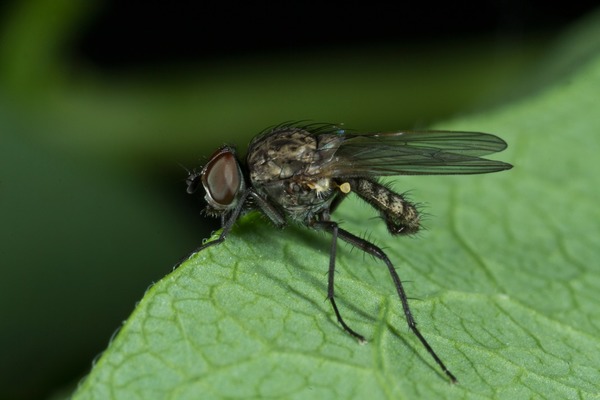
Cucumber sprout fly. They love to lay their eggs in soil where manure has just been applied. The fly itself is small, up to 6-7 mm, and gray. The flies themselves are harmless, but the larvae can cause significant damage to cucumbers. Therefore, it's best to sow cucumbers in soil already covered with manure. Also, loosen the soil before sowing, and sow the seeds already sprouted.
Thrips. There are several subspecies of thrips, but the most common thrips attack cucumbers is the tobacco thrips. They are brown or yellow in color and almost invisible, reaching a maximum length of 2.5 mm. They pierce leaves, leaving stripes, marks, and necrosis. Once they reach the embryo, they suck the sap from it and alter the plant's growth. They also transmit diseases. To protect your garden from thrips, remove weeds and create favorable conditions for cucumber plants to grow quickly. Daily inspections will help detect thrips as soon as they appear. Initially, you can try to control them with a garlic infusion.
As we can see from this article, it's entirely possible to speed up the growth of this wonderful and popular vegetable. However, don't overdo it. Overwatering or excessive fertilizing can lead to completely unnecessary consequences. So, grow your cucumbers and reap a bountiful harvest!
Video: "How to Properly Water Cucumbers"
This video will show you how to properly water your plants in open ground.