
How to pinch different varieties of cucumbers?
Content
Why do you need to pinch?
Some beginners believe that pinching cucumbers is unnecessary. However, this is not true. Cucumber yield depends on the plant's physiology. Therefore, it's important to understand the specific processes that occur during growth and fruit formation. Male shoots, also known as sterile flowers, often form on the main stem of the plant. However, to produce a large quantity of cucumbers, you need many female shoots. These can form on lateral shoots. This is why pinching, also known as blinding, is necessary. It's important to preserve every leaf during this process, as the foliage accumulates nutrients that later become the fruit.
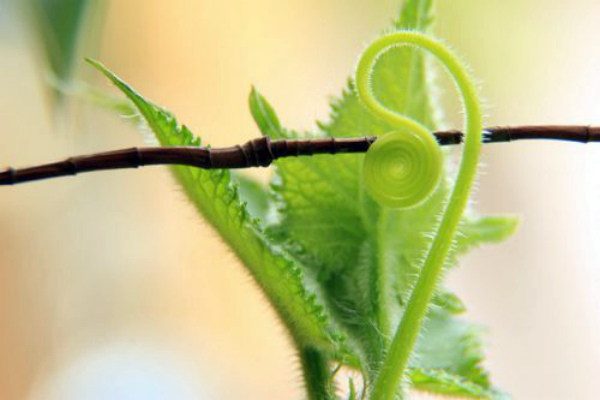
The advantages of pinching, or blinding, include guaranteed female shoot formation, elimination of fruit bitterness, and a larger yield of delicious, beloved vegetables. Even with varieties that tend to produce female flowers immediately, pinching is still necessary. This will stimulate the emergence of new fruiting inflorescences.
In addition to pinching, there are other agricultural methods that have the same positive effect on plants.
How to pinch correctly
Pinching cucumbers growing in a greenhouse or garden plot isn't a difficult task, even for novice gardeners. Properly shaping the cucumber vine will result in numerous ovaries and fruits.
Pinching vegetable crops is a way to shape bushes for effective fruiting.
To facilitate pinching, cucumbers should be planted 30 cm apart, trellis installed, and vines tied up in the second week. Long vines do not require staking.
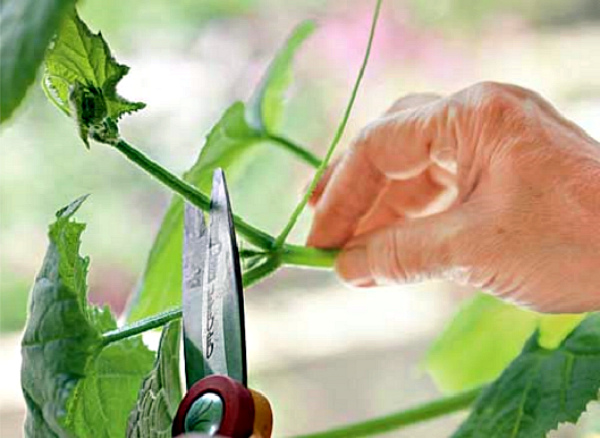
Top pruning is done above the sixth leaf. For hybrids with normal lateral shoots, leave three shoots, and remove the rest. For insect-pollinated varieties, remove weak shoots. Four growth points should be left. Forming the cucumber vine should begin when it has four to five full-fledged leaves. Forming should be done before flowering (remove the top above the sixth to seventh leaf).
Young shoots should be pinched off on bushes with many branches. Pinching is especially important for late-ripening varieties, otherwise they will become diseased. Removing the tops of mid-season and early-ripening vegetable varieties is not recommended. Varieties such as Janus, Brigadny, Dekan, MOVIR-1, and Libelle should not be pinched.
Let's take a closer look at the specifics of pinching pollinated, parthenocarpic, and open-ground cucumbers.
Pollinated varieties
To ensure proper pinching of insect-pollinated varieties, it's not recommended to plant them too densely. When planting seedlings, ensure the soil is sufficiently fertile and prepared. Otherwise, regular fertilizing is necessary.
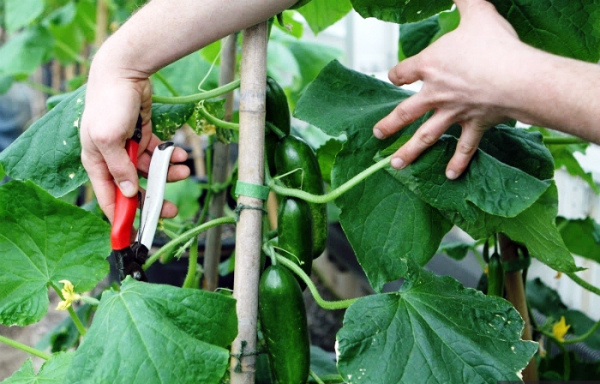
Before pinching cucumbers, it's recommended to tie the vines to the trellis. It's best not to attach the cotyledon leaves to them. Don't tie them too tightly. Staking is done a couple of weeks after planting the seedlings. You'll need twine or wire.
Pinching out side shoots separates the stems into main and side shoots. Pinching requires creating a weave. The top is cut above the sixth leaf. The growing side shoots will also need staking later. Three shoots are left intact. This method is especially effective for hybrid varieties. For other vegetable varieties, one shoot is left. There is no need to remove foliage; only weak, twisted, diseased leaves, or those with pests are removed.
A good harvest will come not only from your hard work and desire to pinch cucumbers, but also from your continued careful care of them.
Open ground varieties
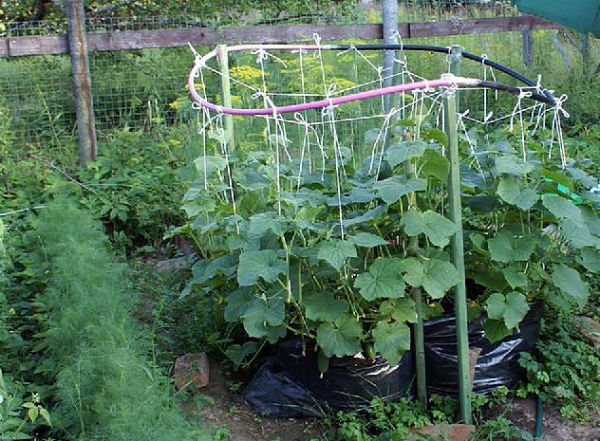
What's the proper way to pinch cucumbers intended for open ground? The ease of the procedure depends on the planting density.
If you have short stems, you can do without pinching.
When the shoots are long, the correct pinching pattern for cucumbers is as follows. The top is removed when the main shoot is already 1 meter long. Monitor the growth of other shoots on the lateral shoots. If the plants are not supported by a garter, pinching involves removing the growing point. On the main shoots, this point is located after the fourth leaf; on the lateral shoots, it is after the second leaf.
For hybrid cucumber varieties, pinch off shoots growing laterally. All shoots should be removed from the axils.
Gardeners with many years of experience insist on pruning not only barren flowers, but also the first ovaries that appear.
In a few weeks, you will see new ovaries on your favorite vegetable crops.
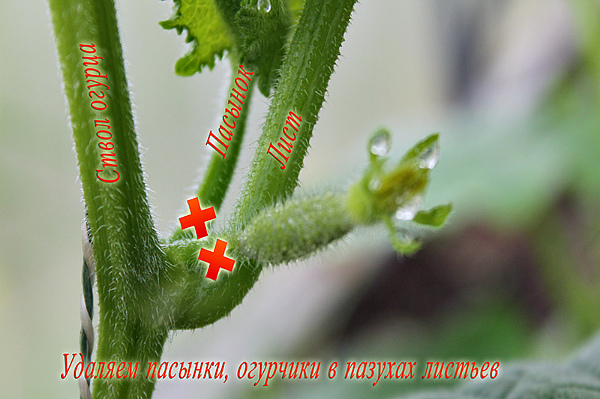
Rules for the formation of parthenocarpic cucumbers
Parthenocarpic
These cucumber varieties do not require insects for pollination. They primarily produce fertile flowers with small cucumbers at their bases. These vegetable varieties typically develop shoots in a short period of time. The purpose of pinching in this case is not to increase yield, but to create a denser plant and ensure adequate light access.
Parthenocarpic species produce fruiting flowers on the main stem. After the stem reaches a height of half a meter, lateral shoots, inflorescences, and ovaries should be trimmed. Above the lower part of the plant, pinch off the shoots located above the first leaf on the side. One ovary and a couple of leaflets should be left intact. At a height of 1–1.5 meters from the ground, approximately 3–4 shoots, two leaflets, and two ovaries should be left intact. Above this, 3–4 ovaries and 3–4 leaflets should be left intact.
If the plant refuses to stop growing, it is recommended to tie it over the trellis. It is recommended to remove the growing tip if the plant is approximately 20 cm below the soil surface. After this, careful care of your favorite vegetable crops is required.
Video: Forming a Cucumber
After watching this video, you will understand how to form cucumbers into a single stem using pinching.