
How to properly feed cucumbers with ash?
Content
Why is fertilizing necessary?
Any vegetable crop requires fertilization, and cucumbers are no exception. This is because, as plants grow and develop, they extract the necessary macro- and micronutrients from the soil. This leads to soil depletion, which naturally affects the quality and quantity of fruit production (a decrease in these parameters).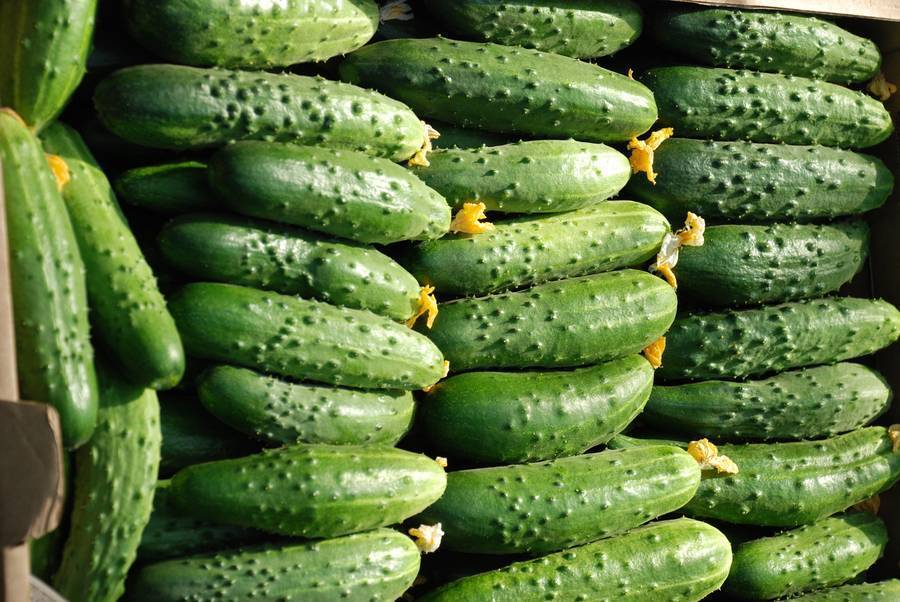
Fertilizers are used today not only to replenish the soil with nutrients, but also to protect crops from diseases and insect pests, and to produce a higher-quality harvest. Fertilizers can be applied using a wide variety of mineral or organic substances. Despite the abundance of fertilizers, the most common type is wood ash. It is considered the most affordable and effective organic fertilizer. By using ash as a fertilizer for cucumbers, gardeners successfully replace fertilizers such as phosphorus and potassium-based chemical additives.
Why do cucumbers need ash? Firstly, it's the simplest way to feed the crop. Secondly, it's a product of the complete combustion of organic matter, making it 100% natural. This distinguishes it from charcoal, which can be used for cooking or starting a fire. Thirdly, ash has a fragile structure and consists of burnt wood and plant tissue that has been reduced to ash by mechanical action. These three factors make this substance an excellent fertilizer for vegetable crops, including various varieties of cucumbers.
Both vegetable and stove ash are used to fertilize cucumber plants. It's important to note that the remains of burning plastic bottles and construction waste should never be used to fertilize garden crops.
Even a small percentage of plant elements won't save such ash. The fact is that the chemical components formed in this case pose a health hazard. When they reach the soil, they penetrate the fruits, making them toxic.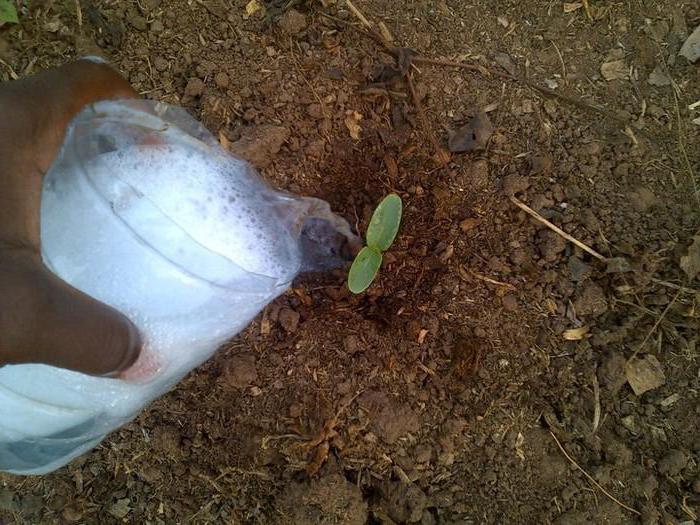
Wood ash is an excellent fertilizer, as it contains a large number of microelements, which are readily available to plants. It's important to note that the quantity and type of elements contained in the ash depend on the type of organic matter being burned. However, their approximate percentage content is as follows:
- potassium carbonate, silicate, orthophosphate and calcium sulfate – up to 17%;
- calcium chloride – up to 12%;
- magnesium sulfate, silicate and carbonate – up to 5%.
Moreover, calcium predominates in ash formed from deciduous trees, lime in the peat type, and phosphorus in the coniferous type.
Fertilizing cucumbers with ash has the following positive effects:
- increases the alkalinity level in the soil, while neutralizing its acidity;
- promotes the growth of beneficial bacteria in the soil;
- helps protect plants from various types of fungal diseases;
Ash has a shelf life of three years in the soil. During this period, all the above-mentioned benefits of using this type of fertilizer can be observed.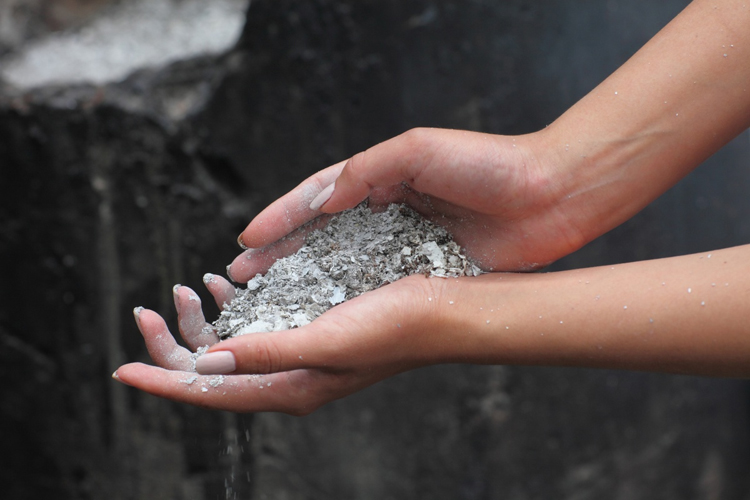
When growing cucumbers, it's important to know that this crop grows quite quickly. The fruits also ripen quickly. It takes 7-10 days for the cucumbers to fully ripen. After harvesting, you'll see strong, fresh ovaries on the cucumber bushes. These are the ones that need fertilizing. Without fertilizing, the fruits will lose their juices and develop crookedly.
It's worth noting that using various fertilizers in this situation is undesirable, as it can oversaturate the soil, which will result in toxicity in the harvested fruits. If the soil is oversaturated, the plants may become spindly, and their leaves may lose their green color. However, it's also possible that the bushes will experience an overgrowth of green mass. 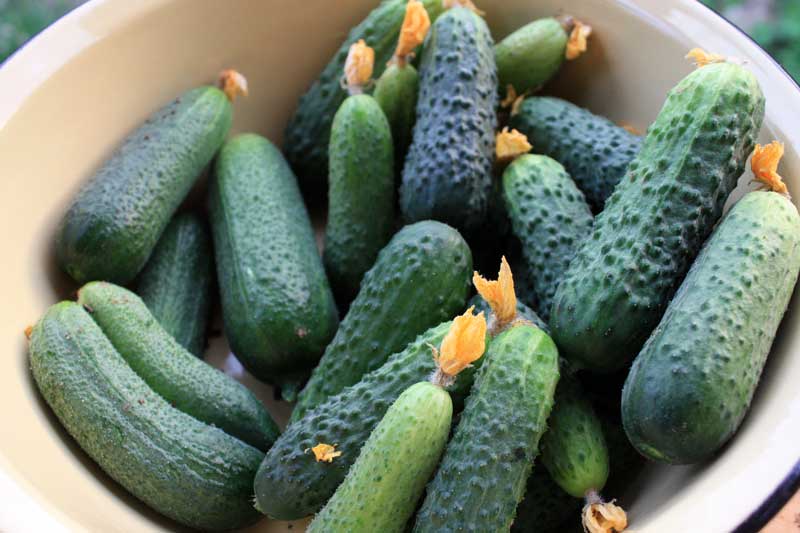 This will cause them to stop bearing fruit. To avoid this, gardeners use ash, as it is a 100% natural fertilizer that does not accumulate harmful or toxic elements in the soil. Therefore, this type of fertilizer is both effective and the best for cucumbers.
Video "Feeding"
From this video you will learn why this type of vegetable needs to be fertilized.
Benefits for soil and plants
Ash is considered the most beneficial type of fertilizer. It has a very positive effect on both plants and soil. This is because it contains over 30 different types of nutrients. Nitrogen, which poses the greatest risk when fertilizing vegetable crops, is lost during the combustion of plant components. The combustion process does not affect the content of beneficial elements such as calcium, boron, magnesium, and potassium in the ash. Ash also contains a number of minerals, which are very beneficial in acidic podzolic soils. Therefore, this type of fertilizer can be used from the moment the seedlings emerge throughout the growing season. This fertilizer is often used during the growing season of cucumber plants and at the beginning of fruiting.
This combustion product can be used when preparing planting material. For example, it is recommended to soak seeds in water with ash dissolved in it. This solution will allow the seeds to germinate more efficiently and quickly.
Since this combustion product is rich in calcium, it can be used as a soil deoxidizer. To do this, apply an average of 500 grams of ash per square meter of planting area.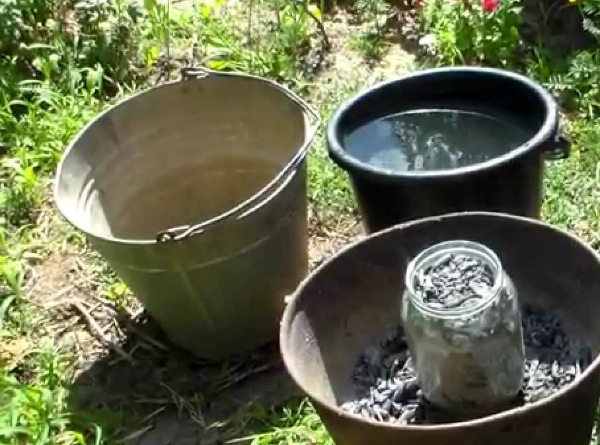
Furthermore, this type of fertilizer has been noted to be quite effective in creating conditions unfavorable for various pests and diseases. Mixing ash with tobacco dust can eliminate flea beetles. Mixing it with mothballs makes the resulting folk remedy an excellent fly repellent. This fertilizer can also be used effectively against aphids.
Ash elements are the enemy of powdery mildew. In fact, today, ash is the main component of many folk remedies designed to prevent and combat a wide variety of diseases and insect pests.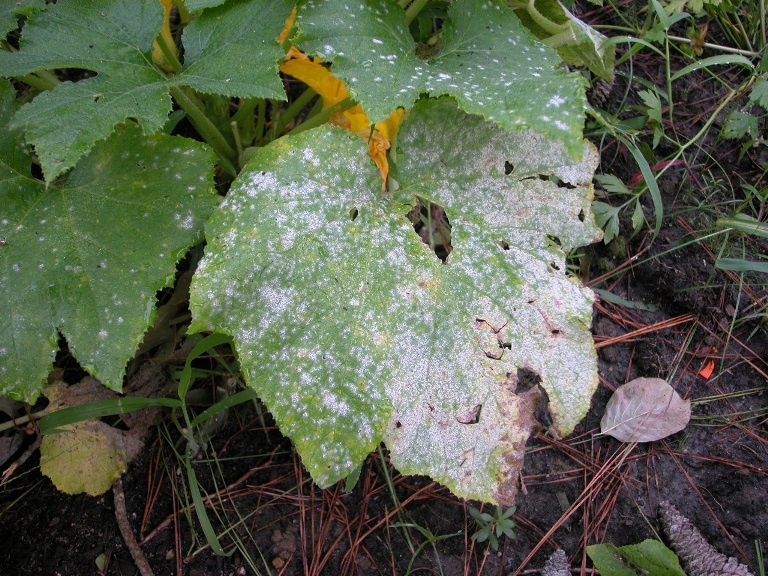
As we can see, this combustion product is very beneficial both for the soil and for the cucumber bushes themselves.
As a fertilizer for cucumbers
Cucumber is considered one of the most common vegetable crops, grown by almost everyone in our country. Gardeners value this plant not only for its easy care but also for its healthy and tasty fruits, which, when consumed, promote health.
To truly grow a tasty and healthy cucumber crop, you need to feed them properly. 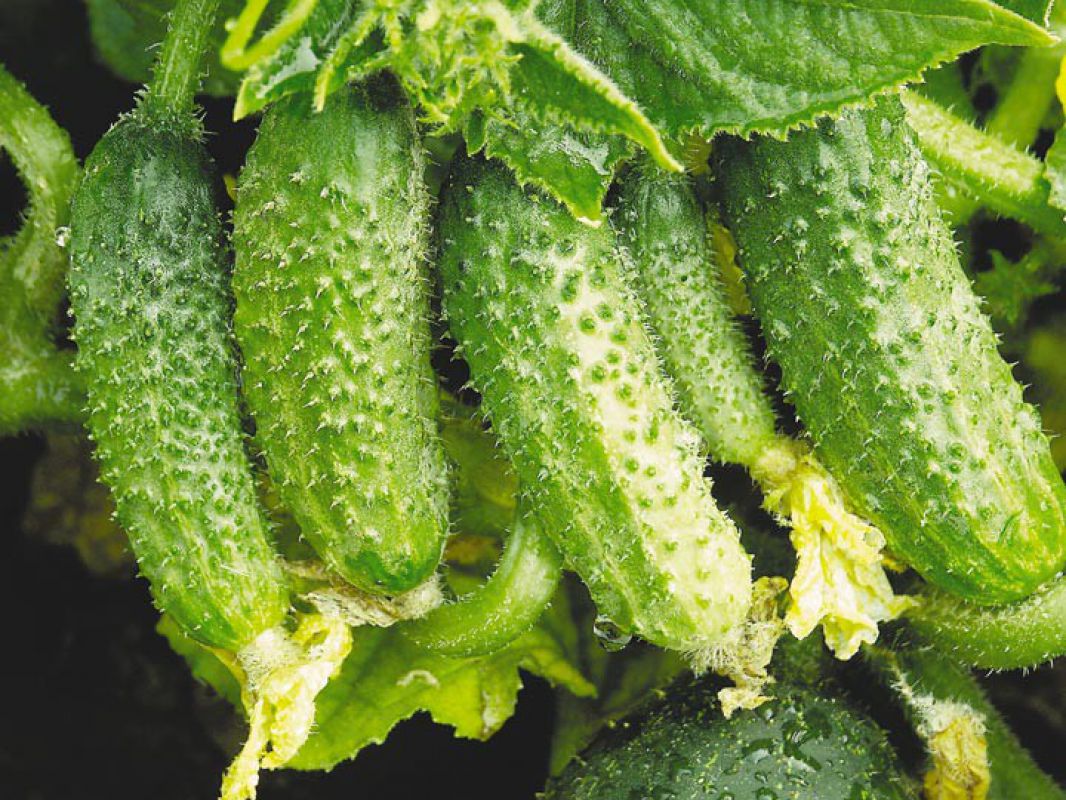 The best and most effective fertilizer for cucumbers in greenhouses and open ground is ash. During the growing season, cucumber plants should be fertilized approximately 4-6 times (but no more):
- The first feeding with this type of fertilizer is carried out during the period of plant formation, namely, at the moment the first leaves appear on the stem;
- the second soil fertilization is done during the beginning of flowering;
- the third application of combustion product is carried out at the beginning of fruiting;
- Subsequent fertilizing should be carried out as needed throughout the fruiting period, but no more than six times. Each subsequent application of the solution should be carried out every two weeks.
This type of fertilizer should be applied to the soil in warm weather and only before a thorough watering. Remember to use only warm water when watering cucumbers. Otherwise, the plant's root system may be damaged or the soil may dry out. Watering and fertilizing cucumbers must be done in a timely manner. The quality and abundance of the harvest directly depend on these two processes.
How to use correctly
Wood ash is a very valuable fertilizer for cucumber bushes. However, to achieve a positive effect on plants, it's important to know how to properly use this combustion product.
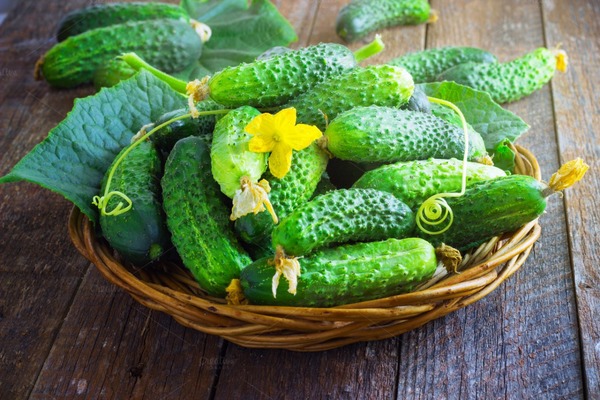
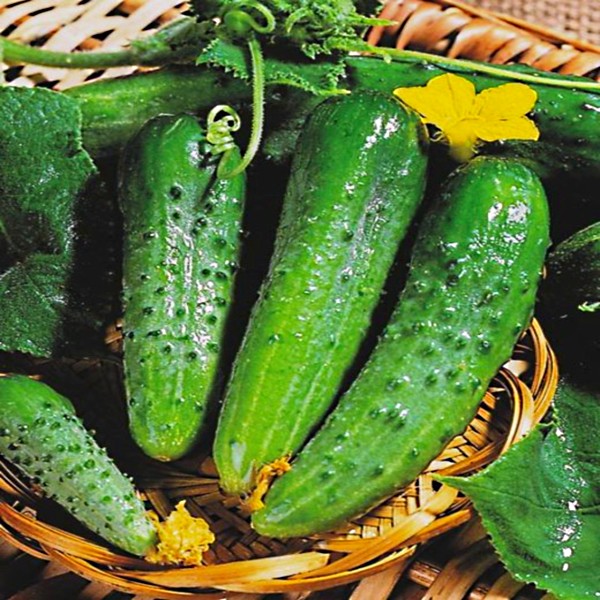
Today, there are several ways to use this type of fertilizer for cucumbers:
- When growing cucumber plants in a greenhouse, it is recommended to apply ash dry and before watering. To do this, scatter the combustion product randomly over the area and then water.
- You can make a special infusion from it. It's prepared as follows: dissolve two tablespoons of ash in one liter of water. The resulting solution should be left to steep for a week, stirring occasionally. The resulting solution should be used to treat the soil in the greenhouse. It can also be used during the growing and fruiting periods.
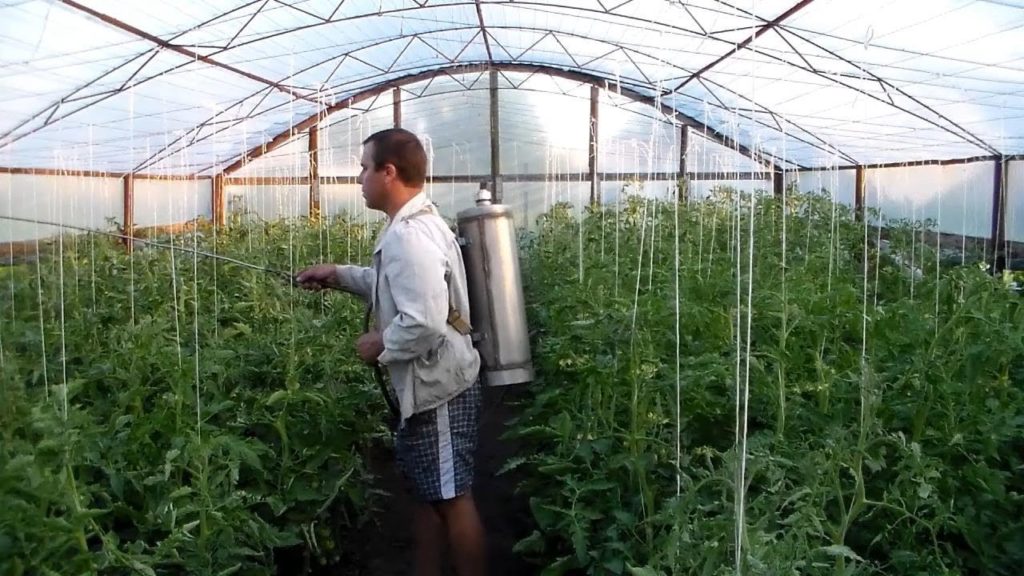
- When growing plants outdoors, it is recommended to fertilize the soil before planting the seedlings. To do this, add the combustion product to the soil before digging.
- Additional feeding is applied foliarly. This can be done throughout the growing season. An infusion is prepared by adding two to three tablespoons of ash to one liter of water. The prepared solution should be left to steep for two weeks. The recommended application rate is 0.5 liters per plant.
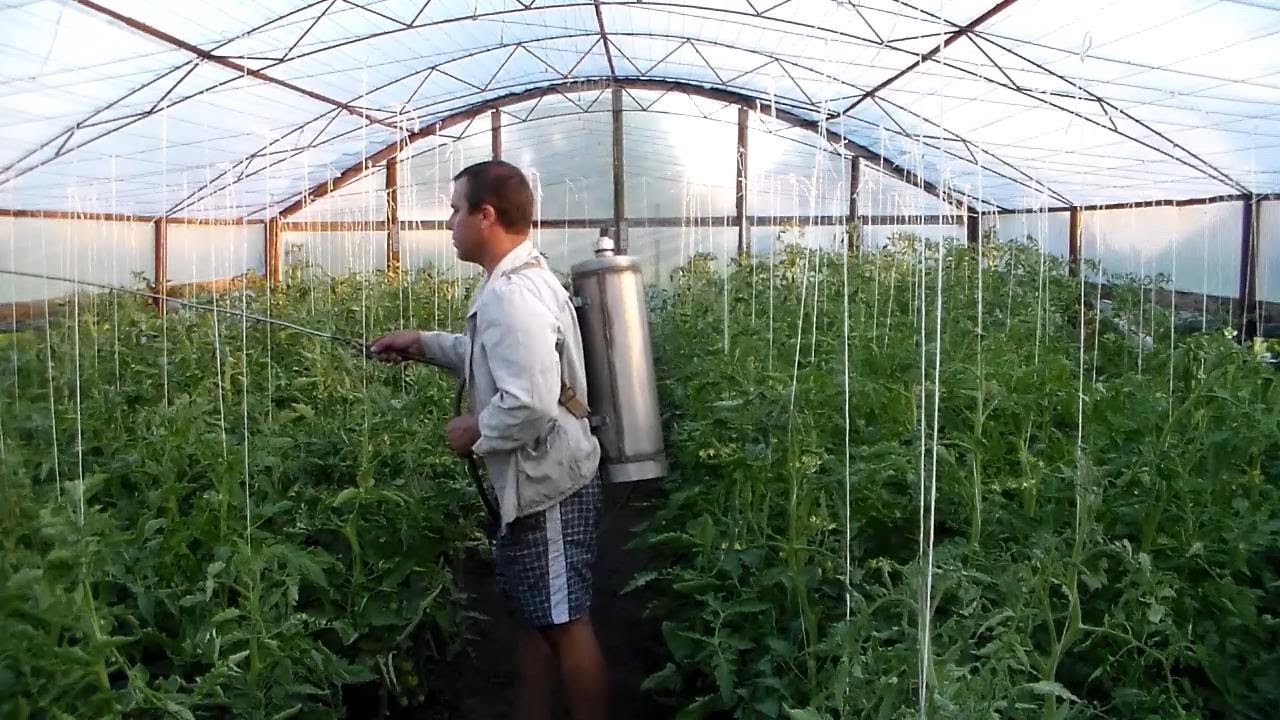
The most common method for supplementary feeding is to prepare a solution: dissolve one cup of ash in 10 liters of water. Let the resulting solution steep for 24 hours. Afterward, spray the plants with the prepared solution. This procedure serves as a preventative measure against various diseases that often affect cucumber plants. It also promotes better fruiting. It's important to remember that this type of feeding should be done in small doses and in moderation, as even this natural fertilizer can have negative consequences if used in excess.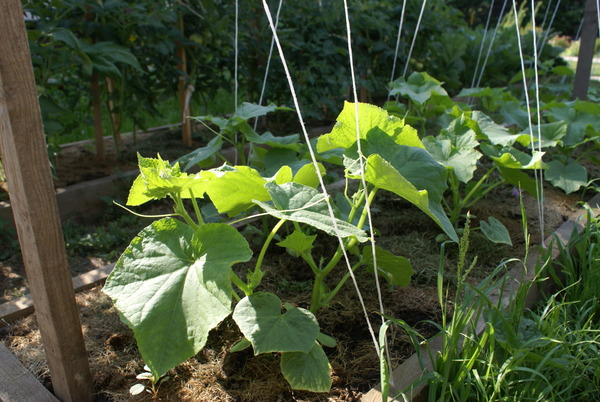
It's worth noting that ash can be a component of many folk remedies used both for fertilizing garden and horticultural crops and as a means of combating insect pests and certain diseases.
When using this type of fertilizer to feed cucumber bushes, protect them from pests, and replenish the soil's nutrients, you must follow these rules and recommendations:
- To preserve its beneficial properties, the prepared solution or dry substance must be stored in a sealed container;
- When dry, ash should be stored in a dry place and not exposed to moisture. Otherwise, its nutrients will evaporate.
- The orange-colored combustion product is not used in gardening and horticulture. It contains a lot of iron and harmful oxides;
- Do not mix ash with the following types of fertilizers: manure, lime, superphosphate, sulfate, phosphate flour, or mullein. Mixing with these substances reduces the availability of nutrients to cucumber plants.
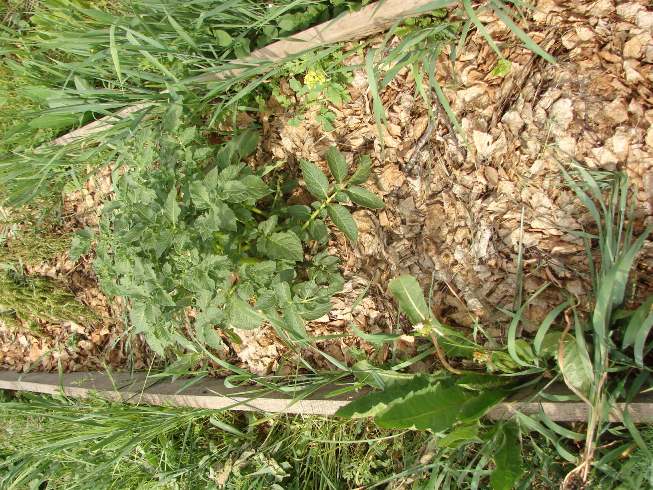
- in the presence of clay soils, it is recommended to fertilize during autumn digging, but for sandy soils - in the spring;
- This type of fertilizer should not be used more than six times during the growing season. Overdosing on this type of fertilizer can cause cucumbers to become hazardous to human health. However, overdosing on nutrients also negatively impacts the plant's root system. Consequently, the plants may stop growing or even die.
Remember that only proper ash application, along with proper agricultural practices, will ensure excellent fruiting and a high-quality harvest from cucumber plants. Just be careful to apply the right amount of ash to avoid overdoing it and ruining your plants.
Video "Helpful Tips"
This video will give you tips on how to properly and effectively feed your vegetables.