
Bread dressing for cucumbers: how to prepare
Content
Why is this necessary?
Liquid bread fertilizer, made from leftovers, is an excellent alternative to expensive yeast-based products. Yeast components are present in almost all growth stimulants, making these mixtures and solutions so effective. Yeast fungi stimulate active root growth and foliage growth in plants. Bread starter is a source of nutrients and essential micronutrients for plant development.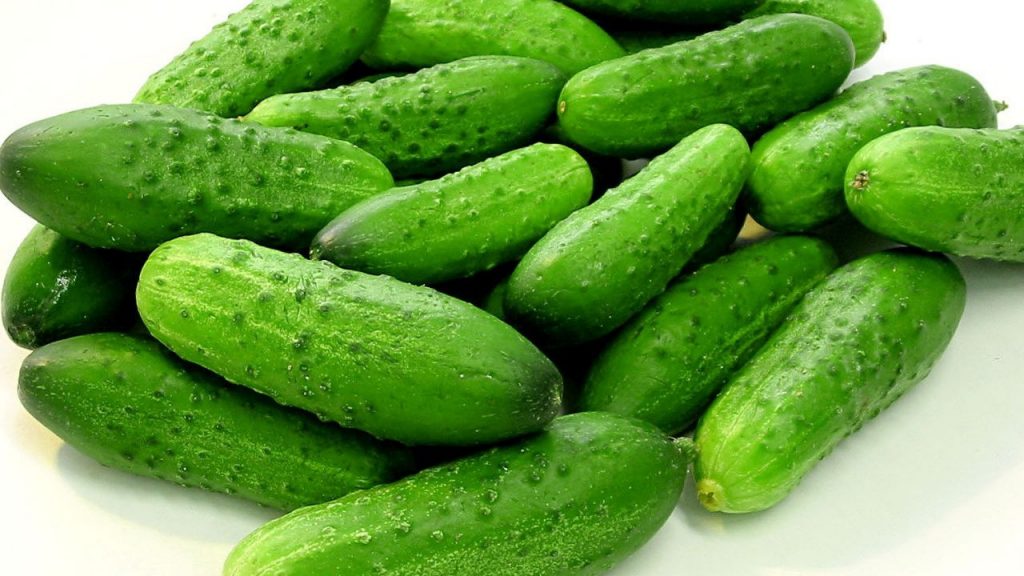
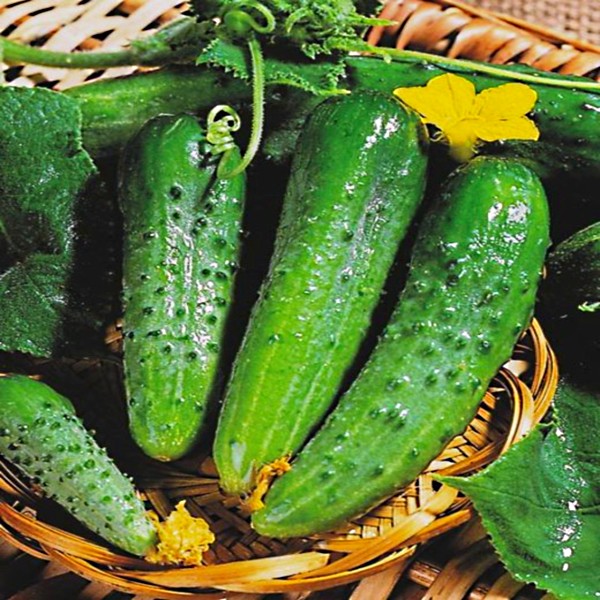
When used correctly, the impact of fertilizer on garden crops, which include cucumbers, is enormous:
- it accelerates the vegetative process - when used, cucumbers ripen faster, which allows for earlier harvests;
- promotes abundant and prolonged flowering - if the plantings are provided with full pollination at this time, then the cucumber vines will literally be hung with a huge number of constantly appearing ovaries and ripe fruits;
- The yeast fungi contained in the fertilizer improve the quality of the soil by activating and supporting the vital activity of beneficial microflora;
- Bread fertilizer accelerates decomposition and enhances the effect of previously added organic matter: manure, humus, droppings;
- helps plants absorb and assimilate nutrients from the soil;
- restores and strengthens weak, stunted plants.
-
Based on personal experience, many gardeners recommend feeding cucumbers with sourdough made from black bread. It's best to use rye bread with malt, not just regular bread, as the malt extract will speed up the fermentation process and make the sourdough more nutritious.
Video "Description of the Method"
This video will show you how the bread feeding method works.
How to cook
Rye bread of any freshness can be used to make sourdough starter. Of course, buying fresh bread specifically for fertilizer isn't very cost-effective, so it's easier to use leftover bread, such as bread crumbs and crusts. For example, bread crumbs can be stored throughout the winter and used to make fertilizer in the summer.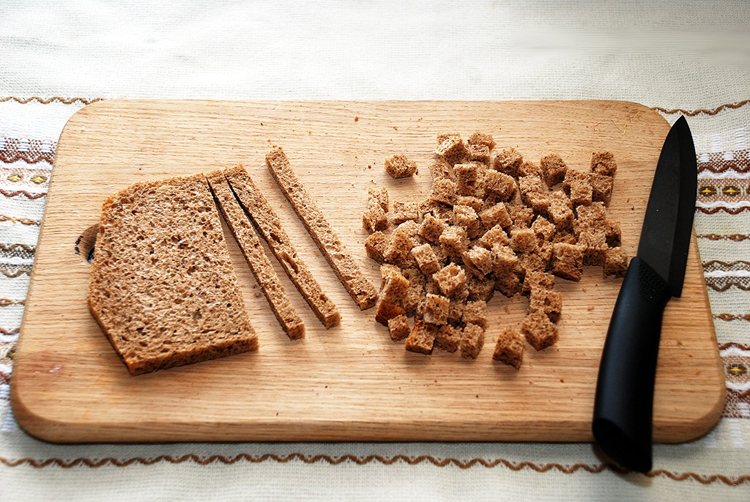
There are no strictly defined proportions for preparing fertilizer, so each gardener makes it in their own way. Some people soak one loaf of bread in a bucket of water, while others fill the bucket more than halfway with bread. This isn't a big deal, as the finished solution is diluted with water anyway, and if yours isn't very concentrated, simply add less water.
Let's take a closer look at how to make bread fertilizer at home:
- Prepare a standard bucket (8-10 l), a weight (you can use a lid or a plate that fits the diameter of the bucket), warm water, and, of course, stale rye bread.
- Fill the bucket with bread halfway or 2/3 full and press it down with a weight – the weight will prevent the bread from floating and will prevent it from getting moldy.
- Pour warm water into the bucket so that the liquid completely covers the bread.
- Place the bucket in a warm place (barn, greenhouse) – in summer you can leave it outside, but you just need to cover it.
- The starter fermentation time is 3-7 days, depending on the weather; in hot summer weather, the fermentation process is faster. The fermentation process is ready when foam forms on the surface of the liquid; once fermentation is complete, the foam will no longer form.
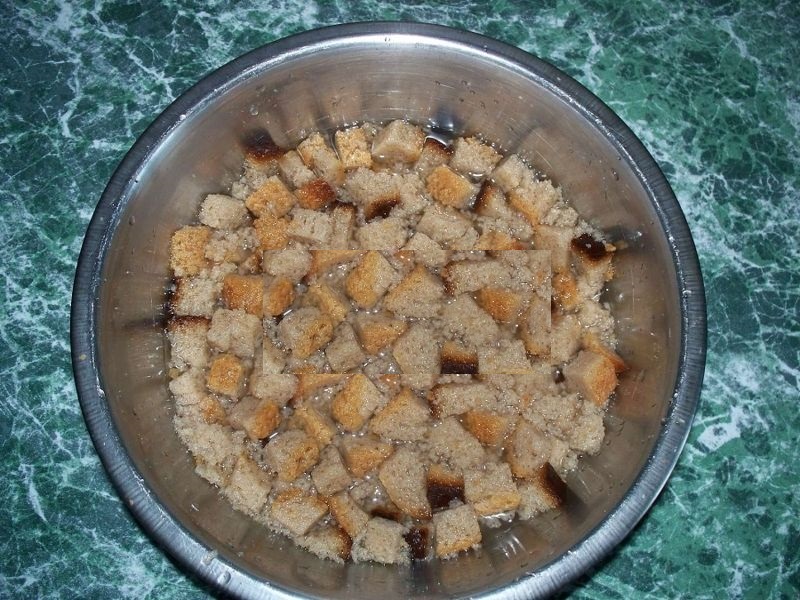
- Once the starter is ready, squeeze out the bread scraps, strain, and dilute with water in a 1:3 ratio. If you only had a small amount of bread crusts and the infusion is too weak, you can dilute it 50/50 with water. That's it—your highly beneficial natural cucumber fertilizer is ready.
How to fertilize
Grain fertilizer is applied to cucumbers by watering them at the roots. Typically, watering begins when the first buds begin to appear on the vines—at this time, the need for additional nutrition is greatest. However, if your cucumbers are growing weak, which is often the case in depleted soils, or you simply want a very high yield, the first watering can be done as seedlings, when 4-5 true leaves appear on the vines.
Fertilize with sourdough starter every 5-10 days, 4-6 times per season. During fruit ripening, watering can be increased, but soil conditions must be monitored.
While sourdough won't cause any significant harm, it can slightly increase soil acidity in acidic soils, or if used too frequently. Water at a rate of 0.5 liters of liquid per plant (vine).
Yeast starter is loved not only by cucumbers, but also by eggplants, peppers, tomatoes, fruits and berries, and even flowers. Use leftover yeast solution to water these plants, and you'll be amazed at the harvest. After just one watering, you'll notice stronger plants and bushier foliage. Fertilizing during flowering increases the production of female flowers, which positively impacts the yield. Use stale bread scraps and enjoy growing your favorite vegetables!
Video "What to feed"
From this video you will learn what and how else you can feed cucumbers.