
What to spray cucumbers with to prevent their leaves from turning yellow
Content
Possible causes of yellowing
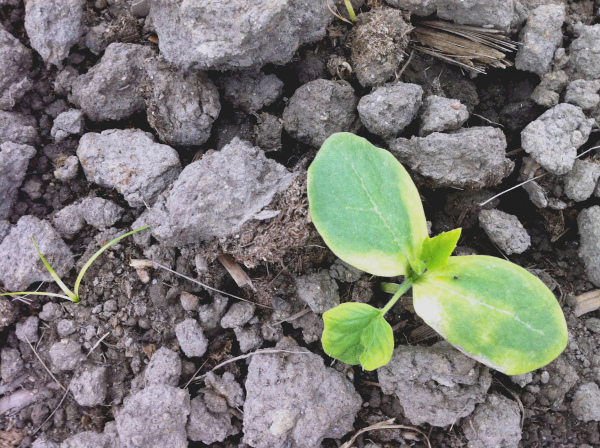
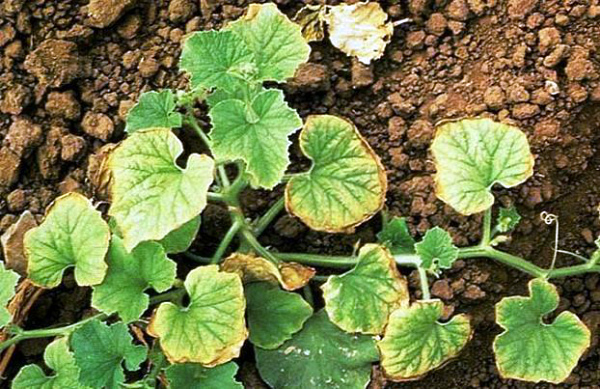
Leaves turn yellow for several reasons:
- Insufficient light causes lower leaves to turn yellow and die. This is normal for lush vegetation in a garden bed. Simply plucking off the dead leaves is sufficient.
- Incorrect watering, which results in either too much or too little moisture. Cucumbers love water, and in warm weather, it's recommended to water the plants thoroughly two to three times a week, thoroughly soaking the soil. If extreme heat sets in, daily watering should be arranged. Otherwise, the plant's roots will emerge and begin to dry out, leading to yellowing of the leaves and fruit. When humidity levels become excessive and rainfall is constant, the roots and stems rot.
- Fungal infections—fusarium, pythium, bacterial wilt, and other diseases—appear as brown spots. The plant's shoots become weak, dry out, and fall off, unresponsive to watering.
- Pests – whitefly, cucumber flies, aphids, spider mites, sucking juices from the green part of the bush.
- Nutrient deficiencies and depleted soil lead to delayed chlorophyll synthesis. If cucumbers lack potassium and magnesium, the leaves turn yellow and dry out at the edges. Iron or manganese deficiency manifests itself as dark green veins on yellowed foliage. Yellowing of the upper leaves indicates a copper deficiency.
- Scorching sun. It's recommended to plant cucumbers in a shaded area and water them at the roots, into the soil, to prevent moisture from getting on the leaves and causing them to burn and wilt.
- Cold. The plant doesn't like frost. To ensure a good harvest, it's important to consider the region's climate.
- Lack of pollination. This is especially true for greenhouse plants, which fail to set fruit, produce empty flowers, and gradually die.
What to do
It is undoubtedly better to prevent than to cure later, so timely prevention is the main method of dealing with yellowed leaves.
Please follow these rules:
- Maintain crop rotation and change planting locations annually. It's not recommended to grow cucumbers after pumpkins or squash to avoid fungal infections.
- Regular, abundant watering and, if necessary, the creation of a thick layer of mulch from cut grass and weeds on the beds will retain moisture, provide warmth and nutrients.
- Feed with organic and mineral fertilizers, such as an herbal infusion with ash, which will provide additional protection against pests. Weeds, preferably nettles, are poured into a bucket of water and left to ferment for a week. The resulting compost is diluted with water, and the plant is watered generously.
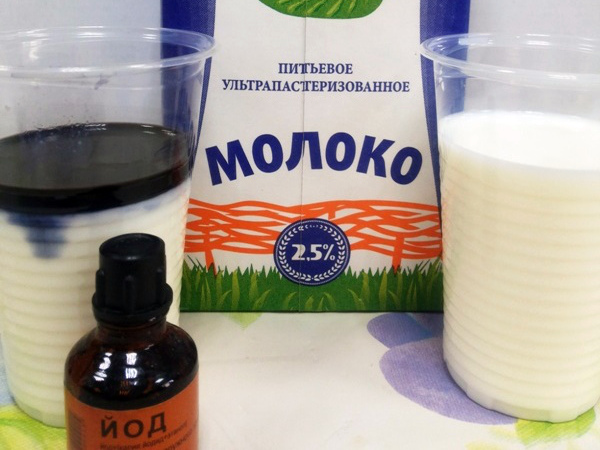
Seedlings with 3-4 leaves should be sprayed every 10 days with a solution of 1 liter of milk, 30 drops of iodine and 20 g of brown laundry soap per 10 liters of water.
To keep the foliage green until the end of the season, you can fertilize the bushes with a mixture of a loaf of bread soaked in a bucket of water with a small bottle of iodine (20 ml). Before spraying, add 1 liter of the solution to the bucket of water, and store the remaining solution in a cool place in jars tightly sealed with nylon lids. Repeat this procedure twice a month.
At the beginning of June, cucumbers are watered with a soda solution (1 tablespoon per 10 liters of water), which has a detrimental effect on many plant diseases.
To prolong fruiting and revive aging tops, it is recommended to feed the plant with urea, humus, and spray with an infusion of rotted hay soaked in water in a 1:1 ratio.
When you see that you still couldn't save the plant and the leaves have started to turn yellow, you can use popular folk recipes.
You can spray cucumbers with a solution of kefir or whey (2 liters per 10 liters of water) with the addition of 150 g of sugar, which will be an excellent preventative against fungal diseases and will help the fruits set faster.
If the first signs of yellowing are noticeable, the plants should be watered with a weak solution of potassium permanganate.
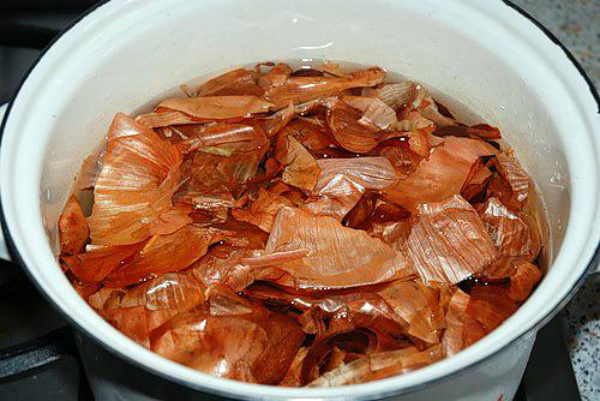
To get rid of pests, use ordinary onion peels. Typically, 0.5 kg of peels is poured into 10 liters of water and brought to a boil. Remove from heat, cover, and let steep for about 12 hours. The resulting infusion is diluted with water 1:4 and generously sprayed onto the foliage, then thoroughly soaked in the soil. After this treatment, the tops of the onions turn green, and numerous ovaries form. Fertilizing the soil with this mixture will provide it with a rich array of vitamins and microelements, essential for productive growth and abundant fruiting throughout the season.
Spraying with mullein diluted with water in a ratio of 1:5 or 1:8 will provide great help to yellowed leaves.
In some cases, biological preparations that are safe for humans and animals, such as Trichodermin, can be used to increase the plant's resistance to pests and pathogenic bacteria.
Video: "Treating Cucumbers When Leaves Turn Yellow"
Try these simple tips if you notice your cucumber leaves turning yellow.