
Several reasons for pale leaves on cucumbers
Content
Reasons
In fact, there are many factors that influence foliage color. I'll highlight the main ones. First of all, cucumbers are very sensitive to temperature fluctuations. If the seedlings were transplanted into the ground and then a sudden frost occurs, our vegetable will often react with a faint light green tint to the leaves.
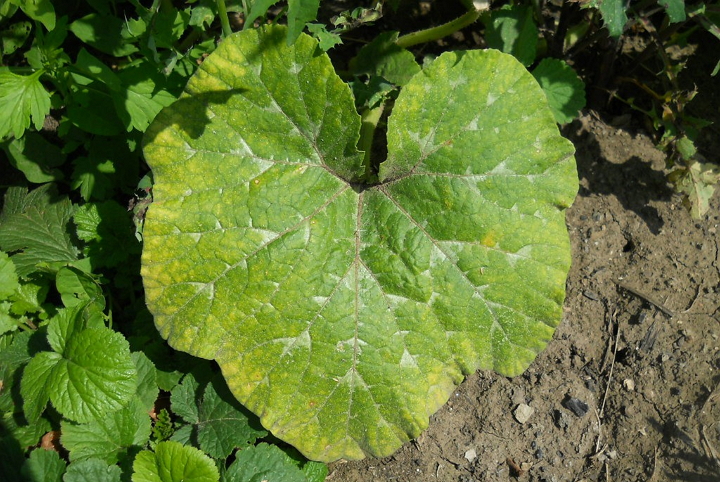
Weather conditions affect young plants when daytime and nighttime temperatures fluctuate significantly (hot during the day and cool at night). Here's a little trick: simply cover the cucumbers with plastic wrap until abundant warmth returns. This will protect the foliage and the plant as a whole.
Fertilizers
Many gardeners adhere to the principle that the more you fertilize the soil, the more abundant the harvest. There's one small caveat: you should never overdo the fertilizer. Why? Excessive amounts can cause pale leaves. Therefore, to prevent this problem from developing, you need to fertilize the soil carefully, without overdoing it, and stick to the recommended dosage.
When growing this crop, it's important to remember that a large number of ovaries also has a significant negative impact on cucumbers (more than 20 ovaries on a single cucumber). Why does this happen? The leaves and shoots weaken, and this is where our problem arises. It's very easy to combat this: monitor the number of ovaries and pinch off any excess ones.
Watering mode
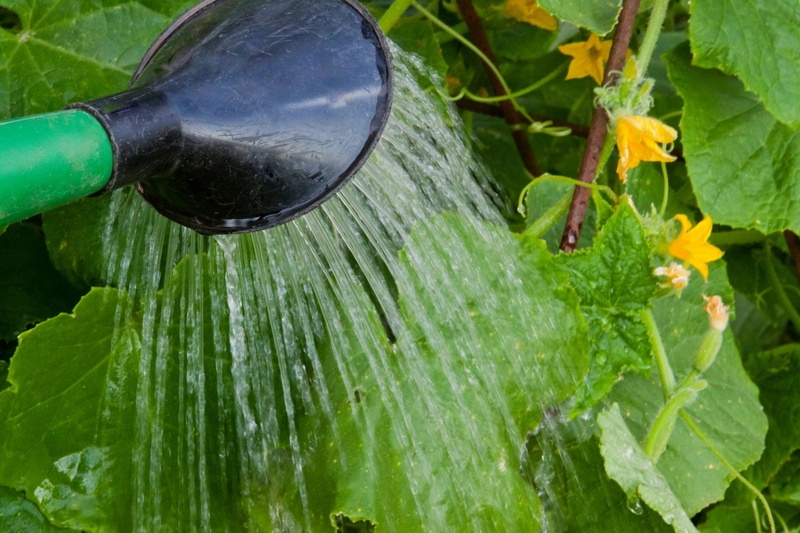
Cucumbers love moisture, so they need constant moisture to keep their leaves and fruit from wilting. However, don't overdo it, or the cucumber will wither. It's important to avoid watering with cold water, as this can adversely affect the color of the cucumber leaves. It's best to use water at room temperature.
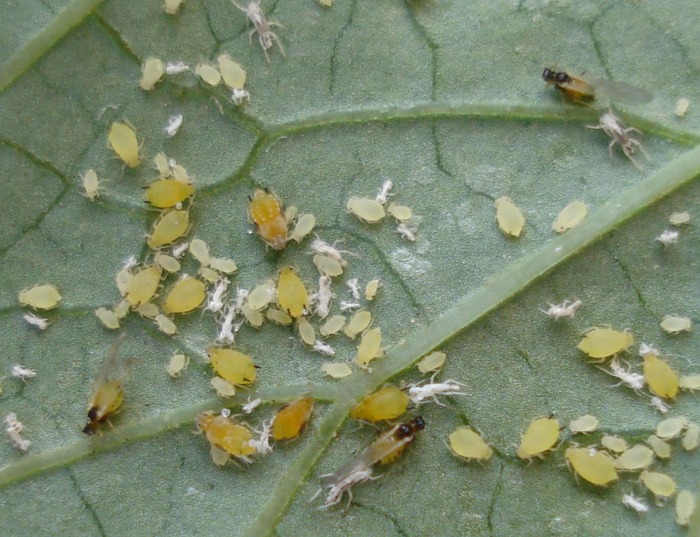
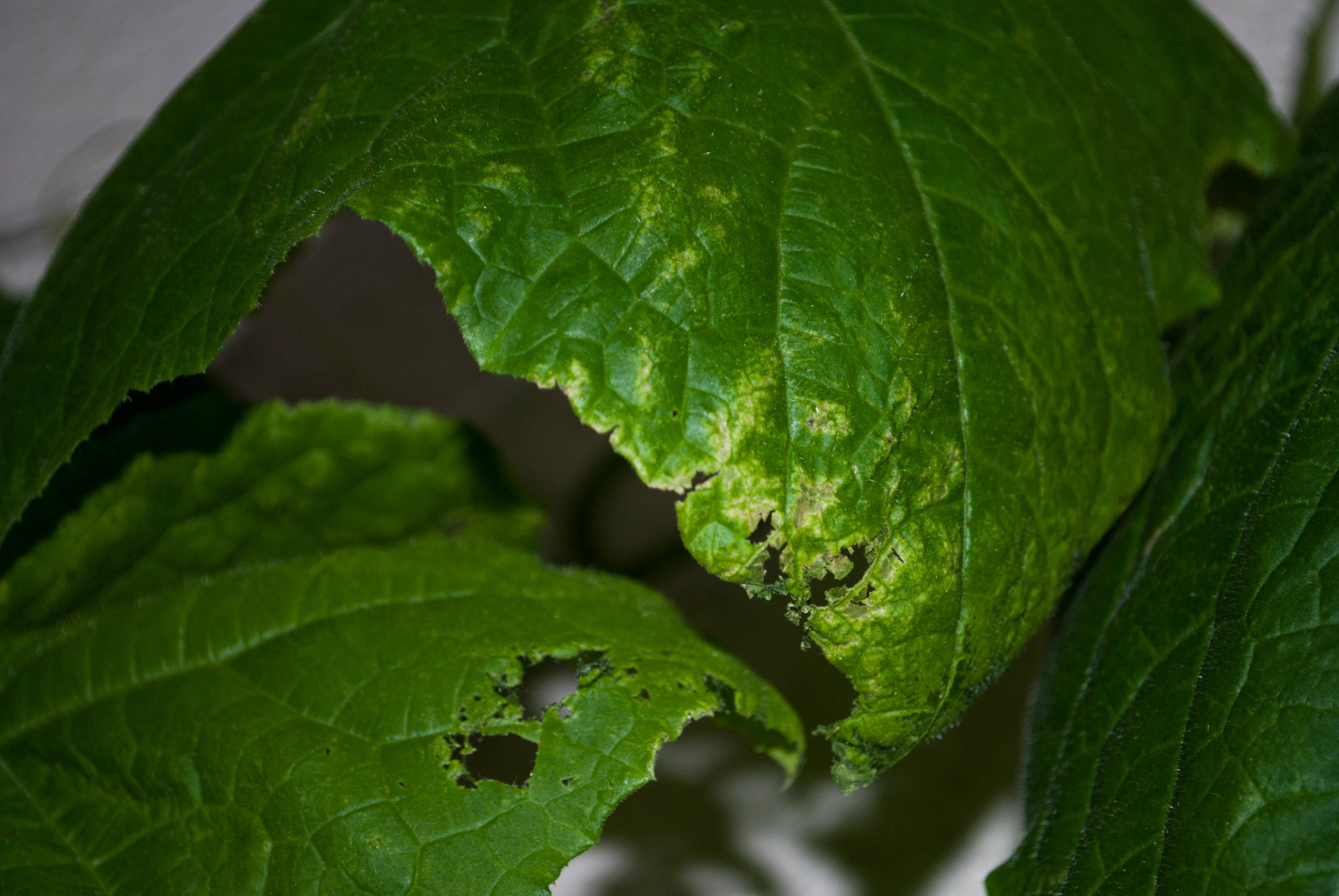
Pests are also among the main causes of pale cucumber leaves. In this case, we're talking about the melon aphid. It lives on the underside of the leaf (easily detected by turning it over) and feeds on the plant. This results in the problem we're studying. Another danger is that, after depleting one area, the aphids move on to the next, creating a large-scale infestation.
There are many options for treating plants against aphids. A common method is washing the leaves with a soapy solution or spraying them with herbal infusions.
A lack of nitrogen in the soil is another reason for pale cucumber leaves. Experienced gardeners say that in this case, it's advisable to fertilize the plants. There are several ways to do this: water each plant at the root with mullein (1 liter of slurry per 10-liter bucket of water); you can also use a weed infusion diluted with water (1 part greens to 5 parts water), urea (2 tablespoons per bucket of water), or ammonium nitrate (50 grams per bucket of water).
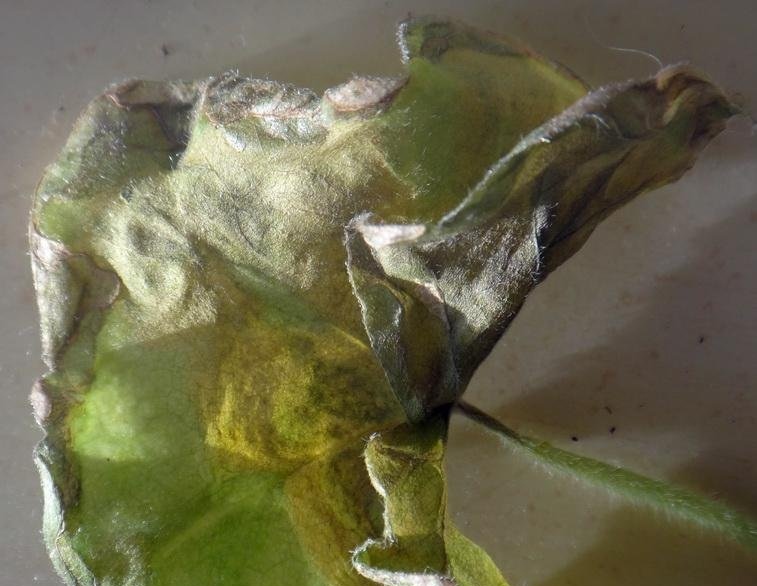
Watch out for whitish, round spots on the leaves. After a while, these spots grow larger, creating a whitish coating. The leaves themselves become pale, wrinkled, and dry out. Why does this happen? These symptoms are a sign of powdery mildew. The plant is affected by being planted in the same spot repeatedly or by watering with cold water.
Video: "Why do cucumber leaves turn yellow?"
This video examines the most common causes of yellowing leaves, as well as helpful advice from experienced specialists on how to effectively combat this problem.
How to fight?
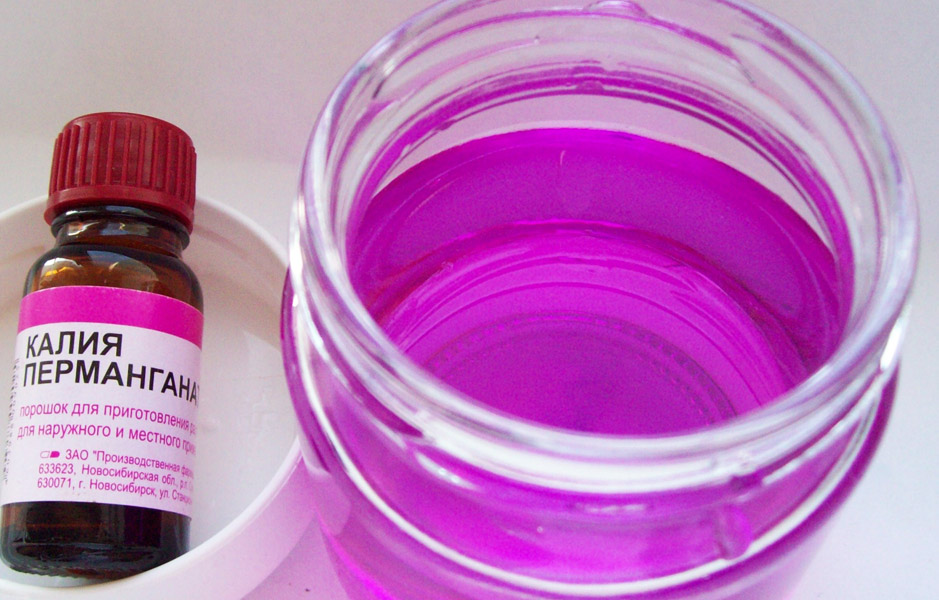
To get rid of this disease, you can use an effective remedy such as spraying with a weak solution of potassium permanganate. While there are many other products on the market that are also effective, it's important to remember that sometimes it's better to use old "grandmother's recipes" and folk remedies than chemicals, which can kill pests and rid the plant of the disease, but will inevitably leave their mark on the fruit.
Another equally effective method is to allow the soil to rest, rather than planting cucumbers in the same place for several years in a row.
Greenhouse cucumbers can be susceptible to verticillium wilt. The first signs of disease appear during flowering: the lower leaves wilt, while the edges of the other leaves become waterlogged and pale green, sometimes approaching pale yellow.
To get rid of this scourge, you need to do the following: disinfect the soil and greenhouse. At the first sign of the disease, maintain the air temperature in the greenhouse at least 20 degrees Celsius and remove the first affected plants to prevent further infection.
It's important to remember that eliminating the factors described above will help prevent the spread of pale cucumber leaves. With proper attention to this crop and adherence to growing guidelines, the problem can be minimized if addressed promptly.
Video: "If Cucumber Leaves Turn Yellow: A 'Historical' Treatment Recipe"
A video on how to treat cucumber leaves that are turning pale and yellow.
.