
Cucumber pests and how to control them
Content
Major pests
Cucumber pests in greenhouses cause significant damage to the crop and its yield. One of the main insects that attacks the plant is the melon aphid. Swarms of these pests infest the green parts of the plant, particularly the undersides of leaves and flowers. The insect's primary food source is plant sap. As a result, an infestation by the parasite causes wilting and curling of the leaves. The parasite itself is green and measures only about 2 millimeters in length. If numerous aphids attack the crop, they can easily cause the death of the plant. Aphids reproduce asexually, with up to 20 new generations occurring per season.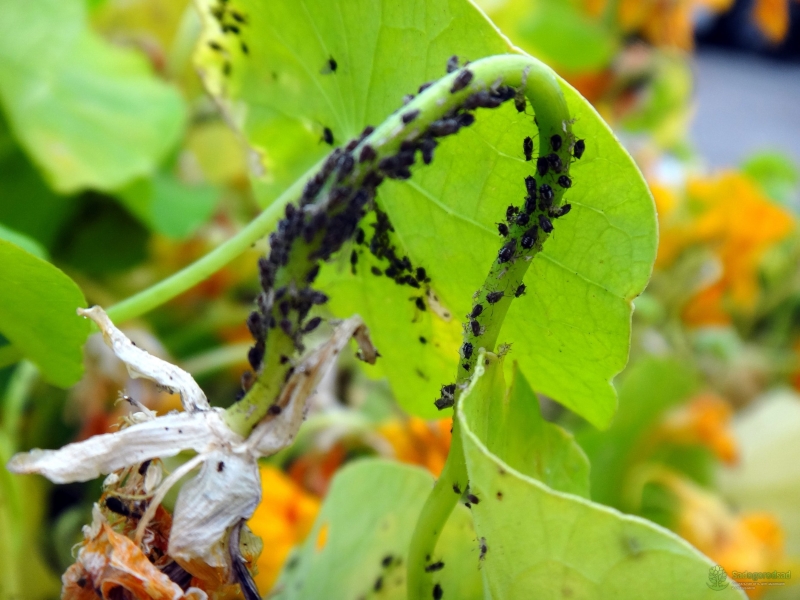
The larvae of the melon parasite are usually green or yellow. Both adults and embryos overwinter on weeds. Reproduction begins in the spring, when the air temperature remains at least 12°C. Weeds become the insect's first food source, and then the aphids "move" to other crops. In protected soil, the parasite attacks cucumbers in the spring, and in the open ground, in the second half of summer. Colonies are typically located on the undersides of leaves, on inflorescences, stems, and the undersides of leaves. Damaged organs dry out, curl, and fall off.
The cucumber sprout fly is another insect that causes damage to cucumbers. These pests are gray parasites with a dark gray line on their abdomen. The fly larva is usually almost transparent, about 7 millimeters long, and tapered at one end. The fly pupae survive the winter in the soil of grain, vegetable, and clover crops. The insects become active in the spring, when the birch trees begin to bloom.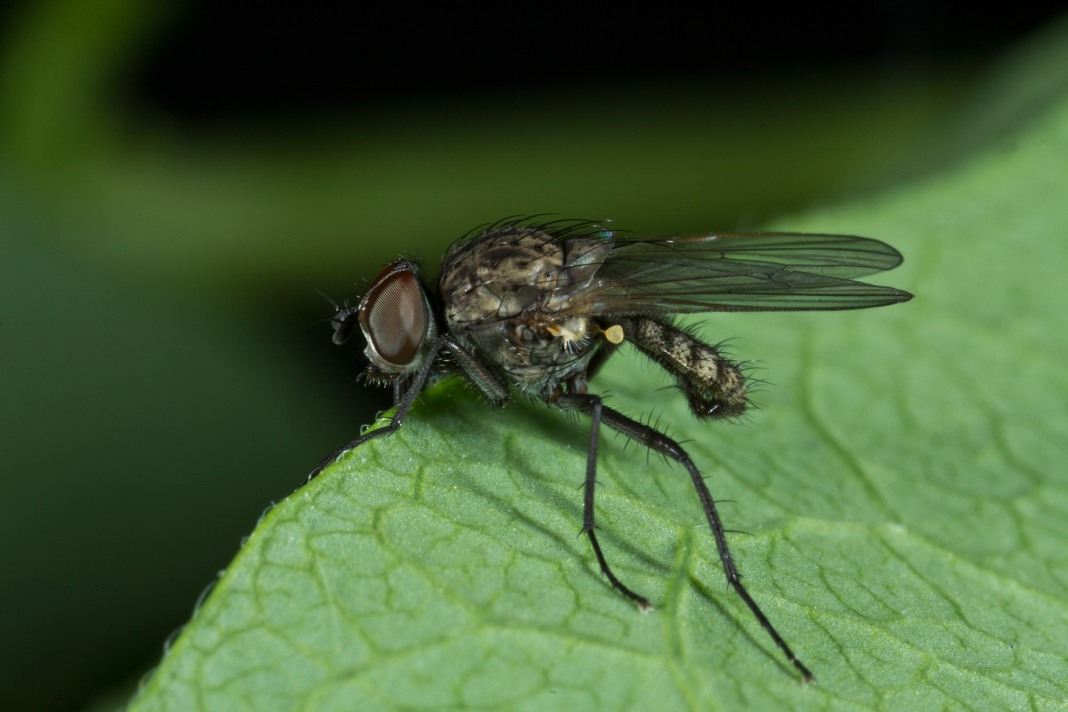
The sprout fly hides its eggs underground in late May. Moist soil with manure on it is ideal for this purpose. Larvae emerge from the eggs after just 10 days. They damage germinating seeds and crop sprouts. In cucumbers, the flies even penetrate the center of the stem. Three generations of the parasite emerge per season.
Spider mites are another insect that damages cucumbers. They typically envelop the undersides of leaves, nesting there as well. This pest is very small, measuring no more than 0.4 millimeters, making it difficult to spot. It's even impossible to see with the naked eye. The spider mite's primary food source is plant sap, so the leaves of affected plants dry out and fall off prematurely. Females overwinter underground, in fallen leaves, or in crevices in various rooms. Reproduction continues throughout the spring and summer. This is facilitated by low humidity and high temperatures.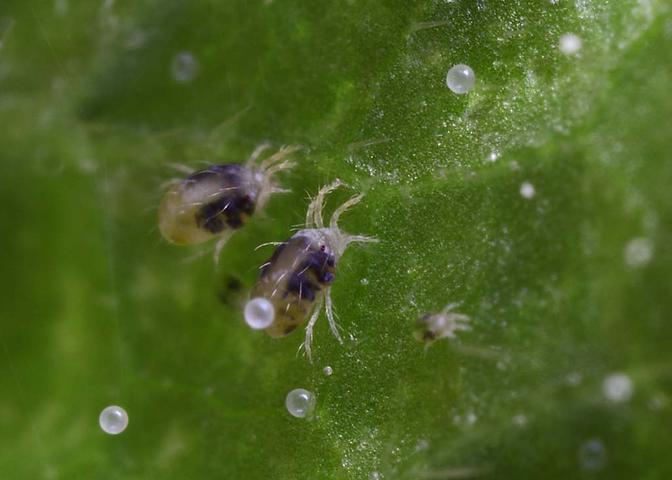
The fight against spider mites involves spraying the individuals with one of the following preparations: Arrivo, Actellik, Pirimor, Belofos, Tsimbush.
It's important to carefully read and follow the instructions on chemicals. Crop rotation and maintaining stable, optimal moisture levels are also methods of combating the pest.
Insect control in a greenhouse or open ground involves weed control and refreshing watering with substances that defeat spider mites.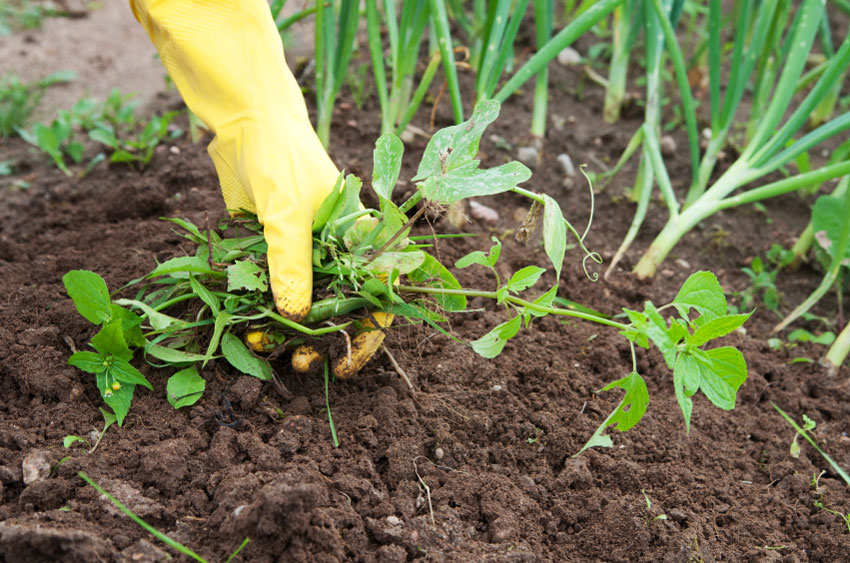
Spider mites are widespread and spread almost everywhere. They are especially dangerous to cucumbers grown in greenhouses. The parasite has an elongated body, only 0.5 millimeters long. The insect is green or yellow. The overwintering female spider mite is usually orange-red.
The pests live under the leaves and cover them with a fine web. Damaged organs have tiny white dots on their surface, resembling a needle mark. After some time, the leaf takes on a "marbled" color, then turns yellow and dries out. If the damage is severe, the cucumbers die completely.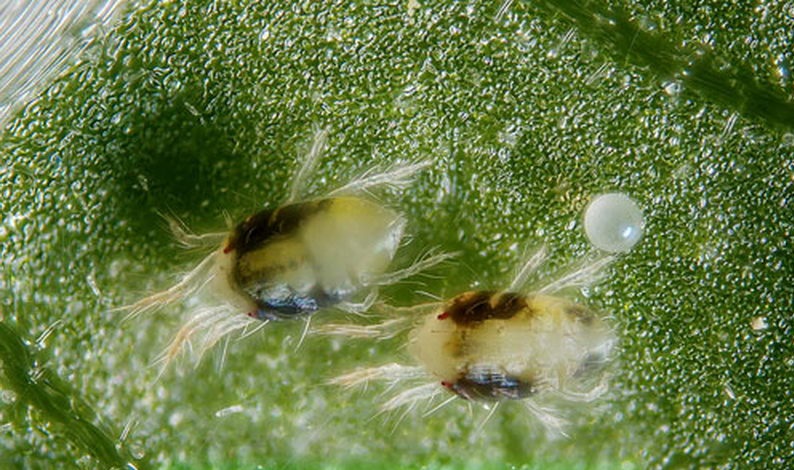
Pests usually appear in open ground in the second half of June. Insect reproduction is particularly active during dry, hot weather.
The parasite typically begins hibernation in early August. Formed individuals wait out the cold season under plant debris, fallen leaves, clods of soil, in cracks in buildings, or in open ground at a depth of about 6 centimeters.
In spring, at temperatures of 13°C (55°F), females become active a week after leaving their winter habitats. During this period, they lay eggs on the underside of a leaf. After six days, the eggs hatch into larvae, which live in the same area. Development continues throughout the warm season.
Video: "Cucumber Pests and How to Control Them"
In this video, experienced gardeners will share essential tips for controlling pests in your garden.
Popular methods of pest control
Knowing your enemy by sight, that is, learning which pests attack cucumbers, isn't enough. You also need to learn how to combat them. To ensure victory, you need to carefully follow all the recommendations of agronomists and experienced gardeners.
Control of melon aphids involves, first and foremost, completely eliminating weeds. Next, collect the ladybugs that inhabit the open-ground plants and introduce them into the greenhouse.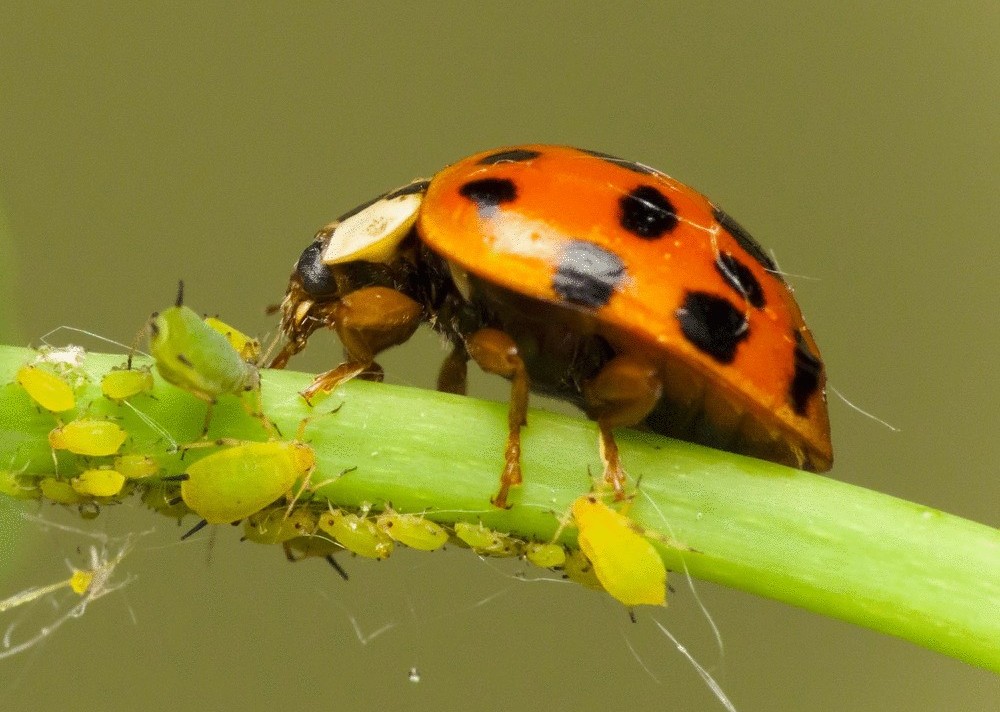
If pests are detected, treat the plants with a solution of laundry soap, 150 grams per bucket of water. You can also use lye. In this case, you'll need 50 grams of soap and 0.2 kilograms of wood ash per bucket of water. Insecticides can also be used: for example, a solution of shag and soap, dandelion infusion, onion peels, or potato tops. Foliar feeding with phosphorus and potassium, such as potassium chloride and superphosphate, is also effective. Spray the solution onto the plants, ensuring it hits the undersides of the leaves, which is where aphids typically reside. If pests are detected, treatments should be repeated weekly.
Control of the sprout fly involves the use of several methods:
- Careful and complete incorporation of manure;
- Sowing seeds at the right time. They are planted at a shallow depth, but with special care.
Control of spider mites in open ground or greenhouses primarily involves spraying plants.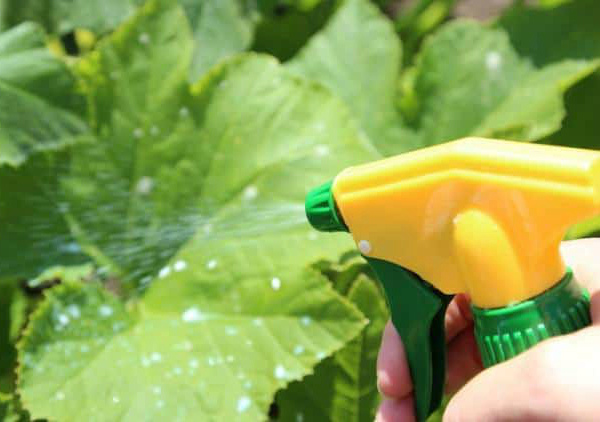
It's best to treat the crop with an infusion of onion or garlic peel. Individually damaged parts are usually removed and burned. Immediately after the pest appears on the plants, it can be controlled by spraying with a sulfur solution (dispersed or colloidal). Powdering the cucumbers with ground sulfur is also acceptable.
To prevent spider mites, promptly clear greenhouses of crop debris. Washing the boxes and greenhouses with a caustic sulfur solution is also effective.
Therefore, cucumber pest control must be carried out as thoroughly as possible. This is the only way to reap a high-quality and abundant harvest of cucumbers.
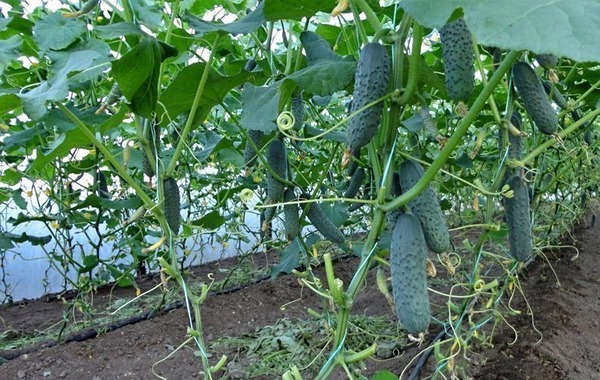

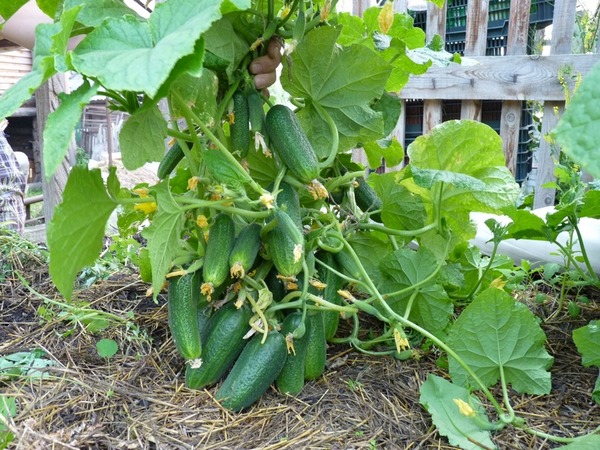
Each parasite has its own unique life cycle. Therefore, effective pest control relies primarily on knowledge about these pests. Moreover, the same methods can be used to defeat the enemy in both the garden and the greenhouse.
Video: How to Properly Fight Pests
In this video, you will learn exactly how to fight insects that want to destroy your crops.