
Where do aphids appear on cucumbers and how to deal with them?
Content
Description of the pest
Aphids on plants can be noticed when a colony has formed, while individual specimens are too small to be seen. Melon aphids (also known as cotton aphids or cucumber aphids) are very small insects, less than 2 mm in size. They come in a variety of colors, from yellowish-green to dark green, and can even be black. Larvae and females overwinter on the basal leaves of perennial weeds. As temperatures rise, they become active, and at 5°C (41°F), they begin to reproduce very rapidly.
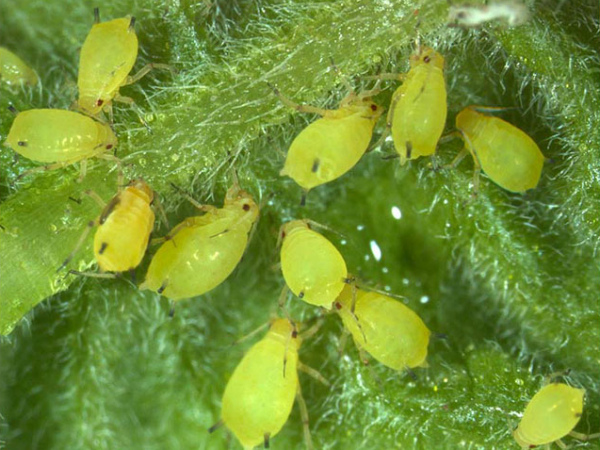
It's worth noting that at first, all these insects are wingless, but at some point, when overpopulation threatens food shortages, winged individuals begin to emerge. They fly to other plants in search of food. By this time, the cucumbers have usually already grown true leaves, and these become a new haven for the aphids.
Aphids feed on plant sap, but in doing so they secrete a toxic substance. They also infect cucumbers with various diseases, as they carry a large number of viruses. On the undersides of leaves, hiding from the sun, they form huge colonies, then spread throughout the stems and flowers, sucking out the sap.
Control should begin as early as possible, otherwise the aphids will destroy the plant and move on to the next one. This could prevent fruiting and potentially infect other crops.
How does it get to the garden?
In open ground, aphids on cucumbers become noticeable in mid-summer. By this time, they have already proliferated significantly, and they likely settled in the garden much earlier. Their reproduction depends on the rise in spring temperatures, so aphids appear on cucumbers in greenhouses as early as spring. They prefer melons and gourds, but overwinter on weeds, which can also bring them into the greenhouse. Winged aphids do not typically fly long distances; they seek out new plants nearby, so it's best to plant cucumbers, zucchini, pumpkins, and squash in different parts of the garden to prevent aphid infestation.
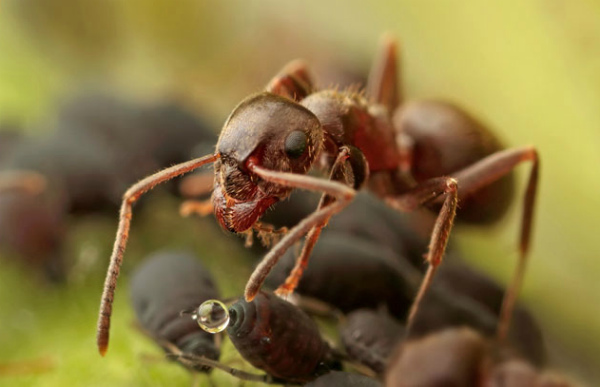
Ants and aphids are close friends: they carry them to new plants, protect them, and defend them, while the aphids feed them with the sweet sap (honeydew) they secrete. Therefore, the fight against these tiny pests must begin with the ants. Ants are beneficial to the soil they inhabit, but they can also bring aphids to the same soil, causing significant damage to vegetable and fruit crops. So, if ants have settled near your cucumber patch, you should try to get rid of them as quickly as possible.
Control measures
It is better to take preventative measures in advance than to fight pests when the crop is at risk.
Since aphids overwinter on weeds, it's crucial to prevent them from spreading in the garden, especially in the greenhouse. Pulled weeds should not be left between vegetable rows; they should be removed, or better yet, destroyed immediately.
After harvesting, all tops should be removed from the greenhouse (preferably destroyed); no plant debris should be left behind until next season. It's a good idea to replace the soil to a depth of 5 cm, and disinfect the greenhouse itself. It's recommended to treat it with sulfur smoke bombs, but this is only recommended if the frame is wooden (it's damaging to metal) and the greenhouse itself has a tightly sealed lid.
Another solution, bleach, is suitable for preemptive control. This solution is sprayed on plants, and used to treat the inside of the greenhouse and all equipment. Dissolve 400 g of bleach in 10 liters of water and let it steep for a while before use.
Experienced vegetable growers say you won't have to struggle with aphids if you do everything right when growing cucumbers. First of all, consider aphid resistance when choosing a cucumber variety. There are special hybrids that are resistant to this pest. If the greenhouse temperature doesn't drop below 18°C or rise above 28°C, humidity is adequate, and the plants aren't crowded, the vegetables will grow vigorously. They'll be able to withstand several aphids.
With careful attention, the pest can be spotted early, making control easier. Some gardeners prefer to mechanically collect the aphids or wash them off with water (this method can be used more frequently in the garden than in a greenhouse). Weekly spraying (or foliar feeding) with phosphorus-potassium fertilizers shows good results. To do this, take 10 g of potassium chloride and 20 g of superphosphate and dilute them in 10 liters of water. This solution can be used until the pest is completely eliminated.
There are special chalks that are used to repel ants; they can be used in greenhouses.
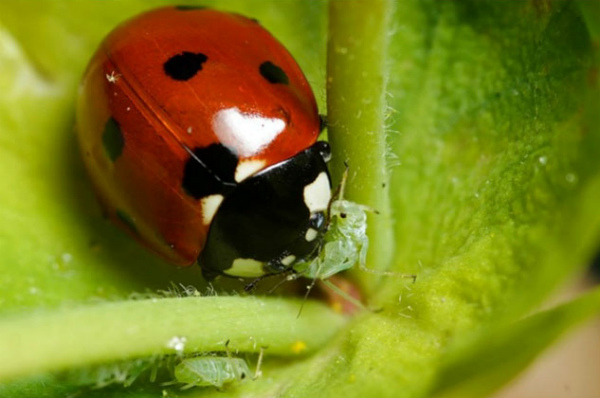
Natural enemies of aphids—ladybugs and lacewings—are wonderful tools for combating them. They can be caught anywhere and brought to your property (this is especially effective in the confined space of a greenhouse).
In the garden and greenhouse, you can plant plants that repel aphids. These include onions, garlic, mint, and cilantro. They also dislike beans and petunias. The strong scent of these plants will discourage aphids from settling on cucumbers.
As a rule, when pests appear, gardeners first try to fight them with folk remedies, that is, those that are not very toxic to humans and other insects.
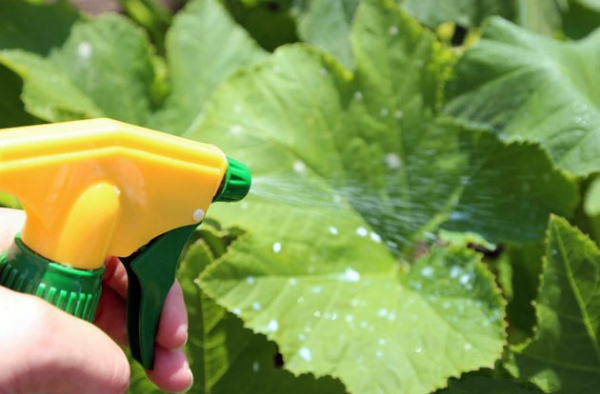
Infusions of potato or tomato tops, onions and onion skins, celandine leaves and stems, garlic, dandelion, hot pepper, and wood ash are excellent for these purposes. Prepare the infusion and add laundry soap. These aren't chemicals, of course, but they are very effective in controlling aphids if you repeat the spraying weekly and pay attention to the undersides of the leaves. Avoid making the infusions too concentrated, as this can repel or kill beneficial insects.
The treatment is carried out in the evening or on a cloudy day, so that the plants watered with the product are not exposed to direct sunlight.
It is advisable to stop any spraying before the fruit ripens.
There's another solution, very modern but already proven: plants are treated with vodka or Coca-Cola. They say it works. However, it turns out to be a very expensive spray.
If all these methods fail, you'll have to resort to industrial chemicals. Modern science has developed biological preparations that are harmless to humans, such as "Aktofit," "Bitoxibacillin," and "Fitoverm." Keep in mind that specialized insecticides such as "Decis," "Karbofos," and "Metaphos" can be applied to plants no later than 40 days before harvesting.
Video "How to Fight Aphids