
What to do if cucumbers in a greenhouse dry out, and why does this happen?
Content
List of reasons
It happens: you wait and wait for the cucumber harvest, delighting with fresh greens and delicious crunch. But then they dry up, the leaves turn yellow and wither. You look and realize the harvest is over.
Why is this happening? There are only two possible explanations. First, you yourself violated the care instructions, overlooked something, or did something careless. Second, the plant is infected.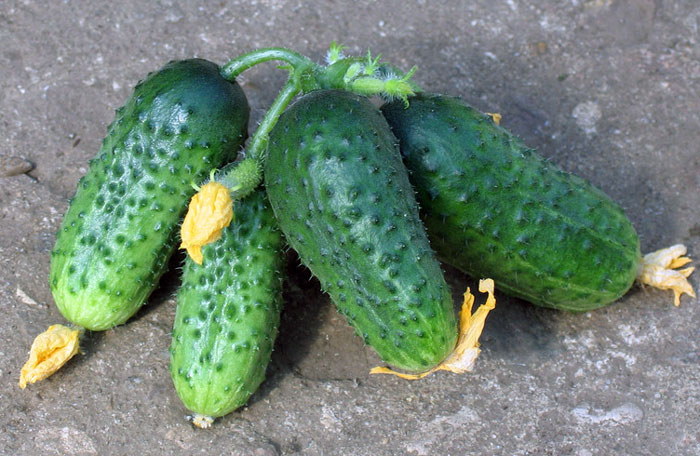
However, there's another possibility: you're overestimating the scale of the problem. It's only normal for some of the ovaries to dry up. After all, any plant blooms, so to speak, for future use. There are always more ovaries than it can support. Therefore, some of them naturally dry up. If this "natural selection" is occurring in your greenhouse and some cucumber ovaries have dried up, you don't have to worry. But what if the harvest is truly perishing on the vine? Let's take a closer look.
Video "Causes of Disaster"
From the video you will learn what can cause cucumbers to dry out.
Violations in care and cultivation technology
We'll tell you about the most common mistakes and shortcomings. And you'll remember and analyze your actions; perhaps one of these mistakes led to your cucumbers drying out.
Perhaps the most common gardening mistakes are related to watering. This can be:
- using too cold water for irrigation;
- watering during the day in the sun;
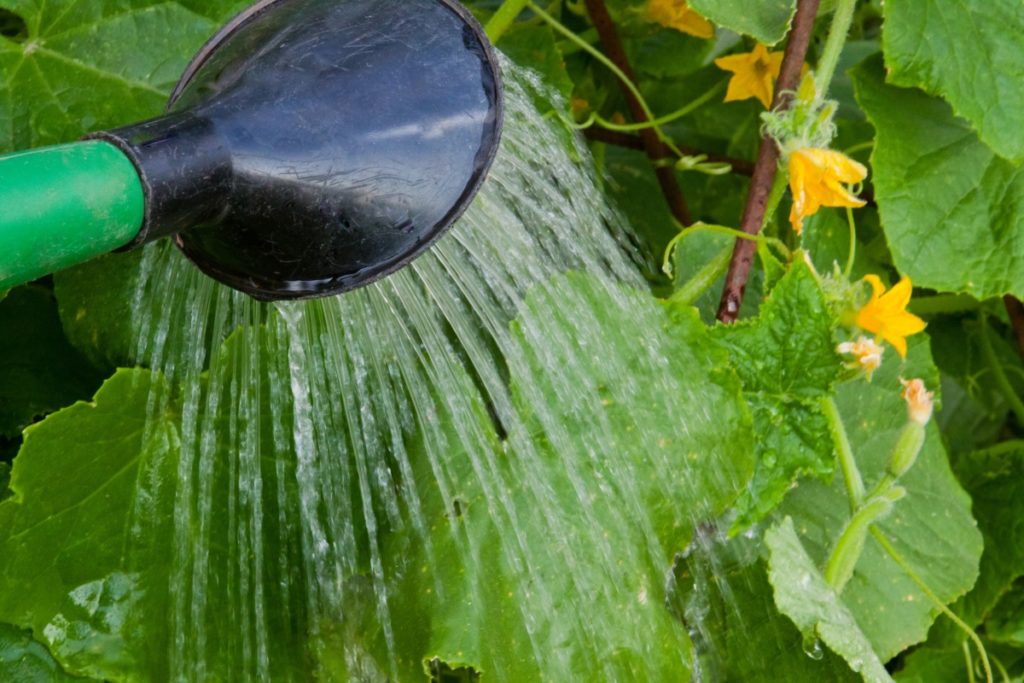
- insufficient watering;
- irregular watering.
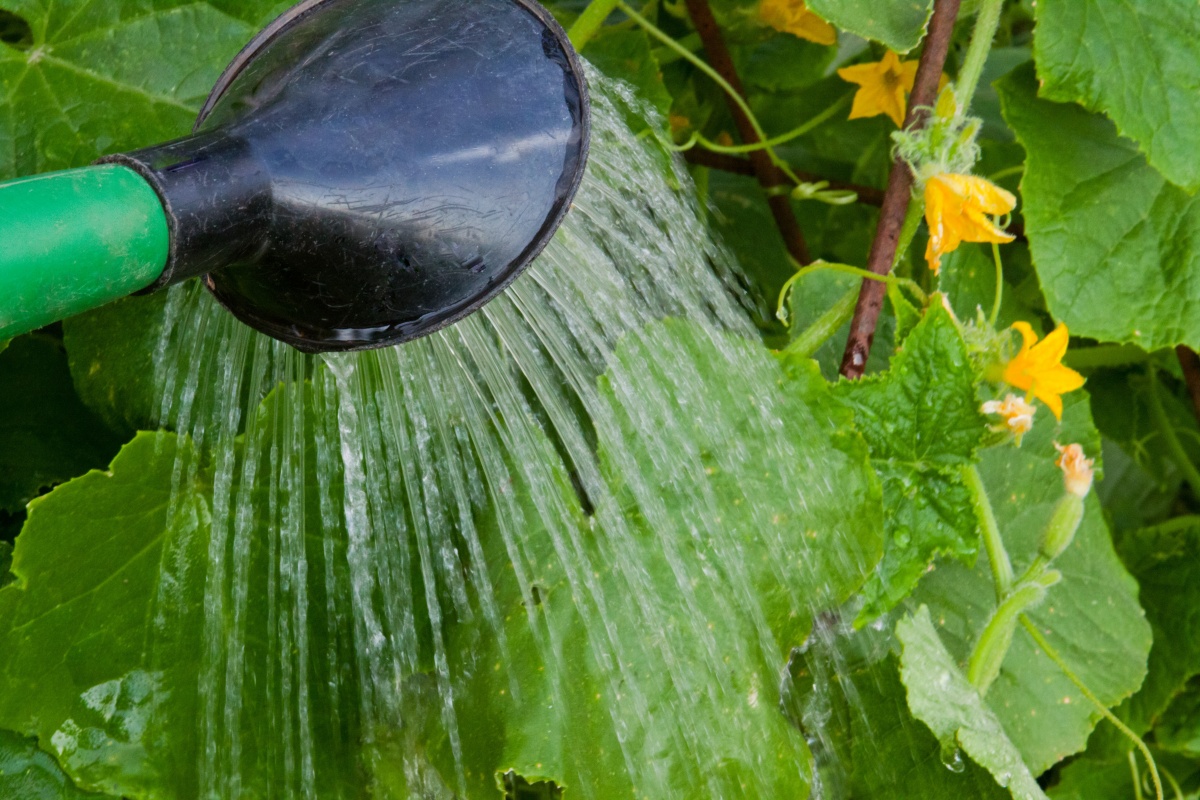
Cucumbers love water. So, if you miss a few waterings, the ovaries will begin to dry out. It's best to use settled water for watering; it shouldn't be cold. And make sure the water soaks the soil and doesn't sit in a puddle on the surface.
Planting errors can harm cucumbers. If planted too densely, they begin to starve, lacking adequate space for adequate nutrition. This is what causes yellowing. All you need to do is carefully read everything written on the package. The optimal distance between seedlings for the variety is always indicated.
Ripe cucumbers need to be harvested not just on time, but very quickly. The variety's description will tell you the ripening size of the cucumber. Those that reach this size must be harvested immediately. Believe me, every hour counts. Excessive time on the vine can harm the neighboring ovary.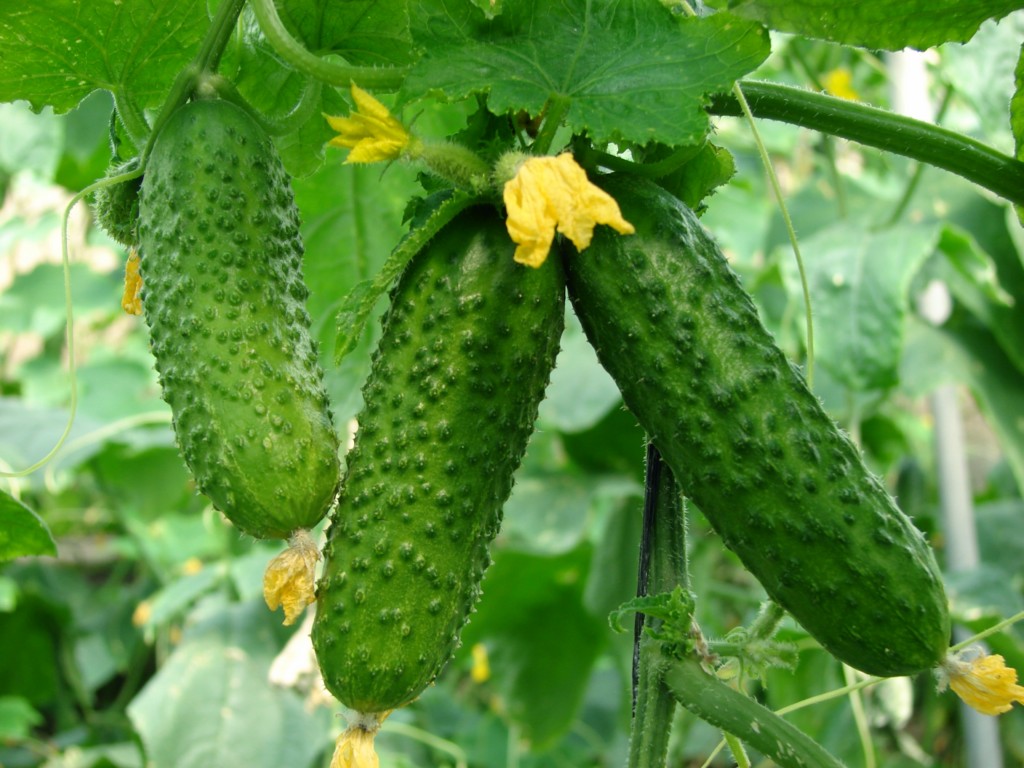
Sometimes cucumbers in a greenhouse turn yellow due to improper fertilizing. It's possible you've been feeding them too much fermented mullein. Yes, nitrogen (which is what mullein provides) is especially necessary at first. But fruiting plants also require phosphorus and potassium. So, at this stage, it's time to add superphosphate and ash. Incidentally, cucumbers themselves signal what exactly they're lacking. Yellow spots on the leaves indicate a magnesium deficiency. Light green spots indicate an urgent need for potassium.
Disease and pest damage
If you haven't done any of the above to your cucumbers, the reason why they're drying out in the greenhouse should be a disease. Here are the most common diseases:
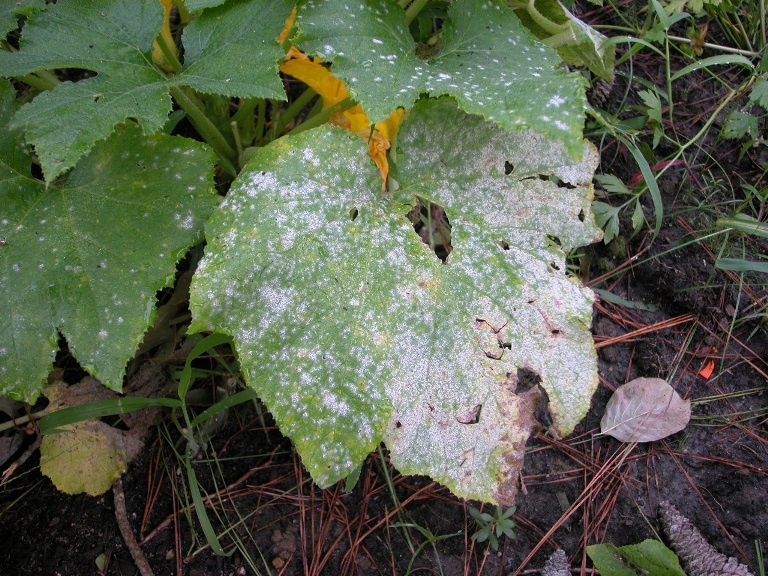
- Powdery mildew, caused by a spore-forming fungus that disrupts photosynthesis;
- Fusarium wilt, in which a plant parasite blocks the flow of nutrients;
- root rot – caused by sudden temperature changes and watering with too cold water;
- Downy mildew, also known as pernospora, develops when greenhouse soil and air are too humid.
Melon aphids and spider mites also sometimes attack. While this doesn't happen very often with greenhouse cucumbers, it's a serious threat—you can say goodbye to the entire harvest.
Ways to fix the problem
Naturally, the next question is what to do? In both illness and health, there's one answer: care for your cucumbers carefully, paying close attention to their needs. But these are, of course, general recommendations. When deciding your specific cucumber problem, we'll take the situation into account.
If you've identified your own common care mistakes, avoid them. Remove dried leaves and buds. And remember, your mistakes can cause serious plant diseases.
Well, if you have diagnosed your cucumbers with one of the above, you need to do what is required for a particular disease.
Powdery mildew most often affects cucumbers grown outdoors. Cold and damp conditions favor its development. Inspect the greenhouse for drafts. Also, analyze the fertilizer composition: a calcium deficiency or an excess of nitrogen can trigger the disease. Adjust the watering schedule. The soil should be neither too dry nor too wet.
For treatment, you can use a decoction of horsetail or marigold. If this is insufficient, a copper-soap mixture, ferrous sulfate, or baking soda with soap are effective.
Changing the soil composition will help combat root rot. Add crushed charcoal, ash, and chalk. Spraying with copper sulfate will also be beneficial.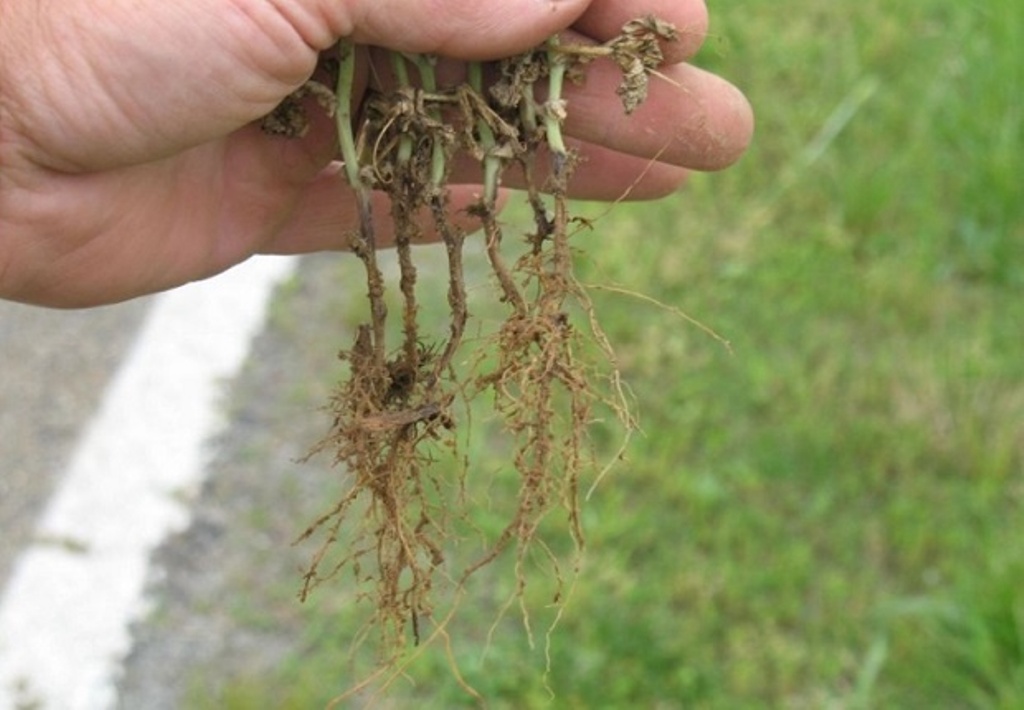
Soaking the soil in hot potassium permanganate can help combat fusarium wilt. Treatment for downy mildew requires chemicals, such as Bordeaux mixture. Watering and fertilizing should be discontinued during treatment.
Preventive measures
Prevention is better than cure—a cliche, but true. Focus on prevention, and the vast majority of cucumber diseases will bypass your greenhouse.
Take note of these not-so-complicated rules:
- additional cover will reliably protect cucumbers from sudden cold snaps;
- in the greenhouse it is necessary to maintain a temperature that is comfortable for plants (22 degrees);
- remember that the soil needs to be enriched;
- Regular watering and loosening of the soil are necessary for the health of plants;
- It is useful to spray cucumbers with microelement solutions from time to time;
- young shoots need to be pinched and excess ovaries removed;
- In the greenhouse, regular ventilation is necessary: this will create the right humidity and help pollination.
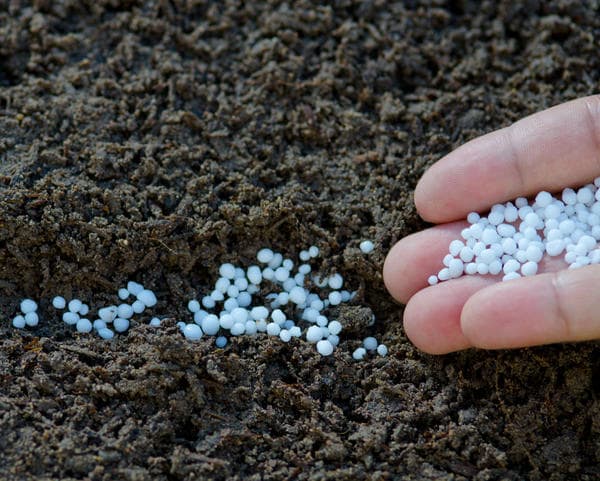
We emphasize in bold: the greenhouse must be kept clean! Debris, torn leaves, and other plant debris must be removed immediately. The soil must be disinfected, and the premises must be kept in perfect order.
And finally, high-quality planting material is the key to solving many problems.
Video "Prevention"
From the video you will learn what can be used to prevent many cucumber diseases.