
Why cucumber leaves dry out in a greenhouse: causes and solutions
Content
Reasons
When cucumber plants in a greenhouse begin to dry out, many gardeners wonder "why." The causes of this can be varied. However, disease or pest infestation are often the culprit. However, other causes also exist. Therefore, the answer to the question of why cucumbers are drying out will vary depending on the situation. For example, you might notice that the leaves of the plants wilt during the day, but then revive at night. This occurs because the leaf blade reacts to bright sunlight. Therefore, this phenomenon often occurs on hot days. A simple solution is to water the plants during the day and evening. After watering, it is recommended to cover the plants to protect them from excessive sunlight.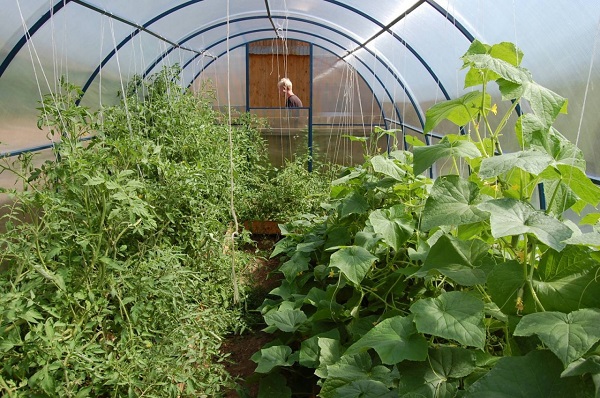
The main reasons that in most cases lead to drying out of cucumber bushes in a greenhouse are:
- high air temperature;
- pests;
- diseases;
- Violations of agricultural practices during crop care.
It's worth noting that plant leaves may begin to turn yellow and dry out due to the formation of too many ovaries, as well as due to insufficient pollination. Furthermore, this condition of the bushes may be a consequence of the natural process of biological aging. This process occurs after the harvest has ripened.
Remember, to preserve your plants and their harvest, you need to correctly identify the root cause. This will directly influence your next steps to resolve the problem.
Video: Greenhouse Growing
This video will show you how to grow cucumbers in a greenhouse and achieve a good harvest.
Violations in care
One of the common causes of greenhouse cucumbers drying out is improper care. This problem typically manifests itself in the following two situations:
- violation of water regime;
- lack of nutrients in the soil.
Let's consider each case in more detail.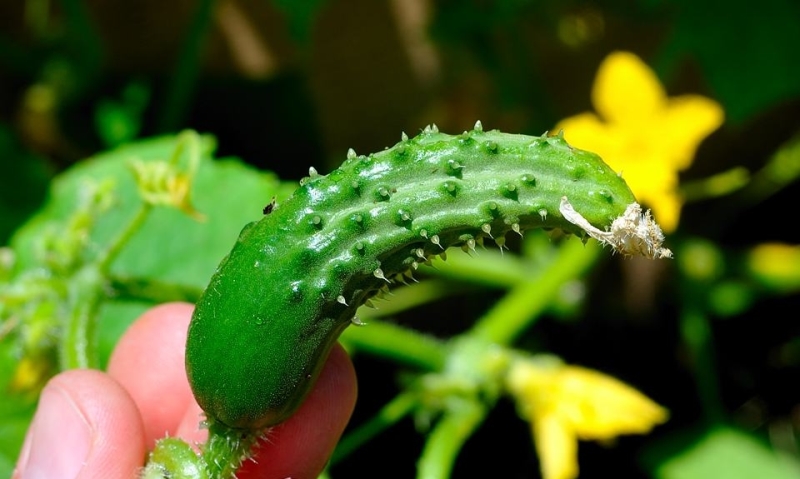
Very often, the answer to the question of why cucumber plants dry out in a greenhouse lies precisely in improperly managed watering. After all, it's the watering conditions that are most often violated by inexperienced gardeners or summer residents who only spend time in their gardens on weekends.
Cucumber plant leaves can dry out if the plant doesn't receive the moisture it needs to grow and develop. This usually occurs during hot weather. If the greenhouse temperature is high, water the plants daily. Water twice a day:
- In the morning it is recommended to only lightly water the bushes;
- In the evening, abundant watering is carried out.
If it's not possible to water the plants every day, you can water them once every 2-3 days. Water should be applied at the roots and in fairly large volumes.
When growing cucumbers in a greenhouse, remember to water them only with warm water. Cold water from a well or borehole should not be used. Such water must be warmed in an old bathtub, barrel, or cistern.
If you notice that your cucumber plants are wilting and drying out, you need to increase the frequency of watering. If this doesn't produce the desired results, you need to look for another cause.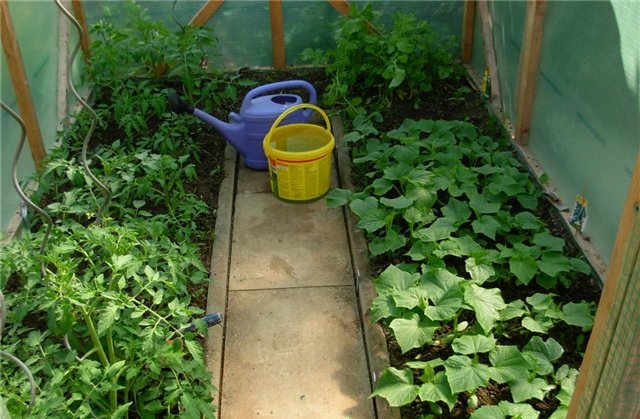
Another reason why greenhouse cucumber leaves may dry out is a mineral deficiency in the soil. Most often, the soil is low in nitrogen. Nitrogen deficiency can be identified by the following signs:
- the leaf blade begins to turn yellow;
- over time, the leaf completely turns yellow;
- After this it begins to dry out and curl up.
Nutritional deficiencies can be caused by:
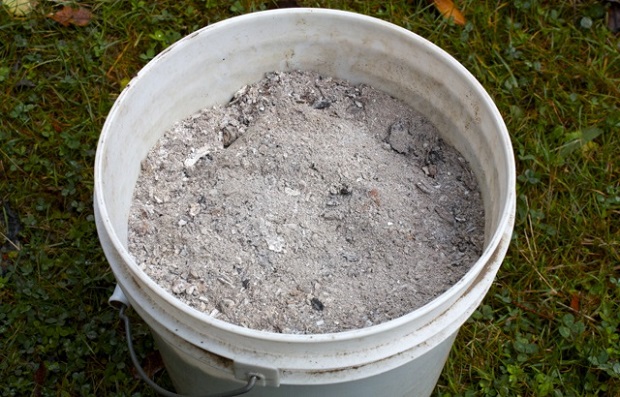
- improper application of fertilizers, especially with excessive use of certain types of fertilizers (potassium-containing preparations, wood ash);
- lack of fertilizing during the growing season;
- Incorrect soil preparation for planting. Fertilizers are typically applied to the soil in the fall, after clearing away plant debris, and in the spring before planting.
If you are confident that your plants are being cared for properly and have everything they need, then you should look for the cause in diseases and pests.
Diseases and pests
Even though cucumbers are grown indoors, they are not immune to diseases and pest infestations. Pathogenic microflora and parasites can develop due to an unfavorable microclimate in the greenhouse. High humidity and high temperatures are often the cause. These conditions are ideal for the development of pathogens and the proliferation of harmful insects. Therefore, cucumber leaves drying out in the greenhouse due to the proliferation of parasites and bacteria is a common occurrence. Failure to take the necessary measures can result in the loss of a large portion of the harvest. This is why this situation is extremely dangerous and requires drastic measures.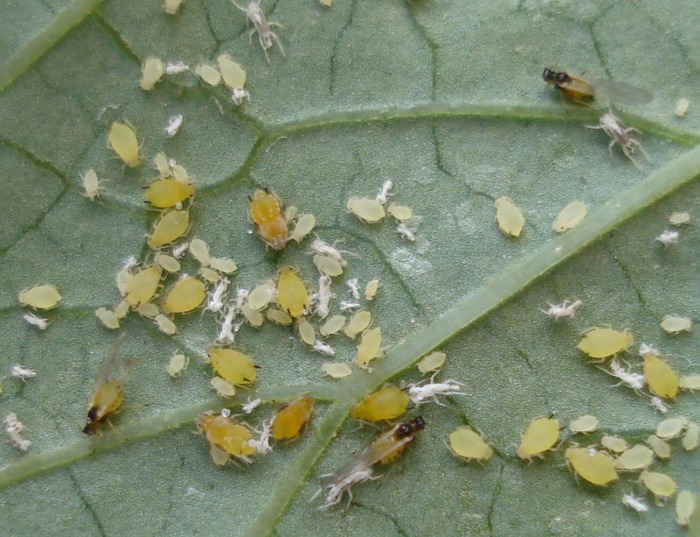
Cucumber bushes often begin to dry out when the following insects appear on them:
- Aphids. The parasite feeds on sap extracted from leaves. Therefore, in addition to discoloration and wilting, defects such as holes may be found on the leaf. To identify the insect, look at the underside of the leaf. This is where the parasites most often attach themselves.
- Spider mites. They entangle the underside of leaves in their webs. Therefore, finding webs on bushes is a 100% confirmation of this pest's presence. The mite actively reproduces on warm days during the period of active cucumber growth.
A severe infestation of insects without effective control measures always leads to wilting and death of the plant, along with the harvest. However, cucumber shoots in greenhouses begin to dry out not only due to an infestation of pests but also due to the development of pathogenic microflora. The leaves of cucumber varieties often suffer from fungal infections. The most common fungal diseases of cucumbers are:
- Powdery mildew, or downy mildew. It is caused by a spore-forming fungus that disrupts photosynthetic processes in the leaf blade. Characteristic symptoms include the leaf blade becoming spotted. The leaf then turns yellow and quickly dries out. Due to the high persistence of the pathogen, the disease is quite difficult to treat.
- Root rot. Affects the root system of cucumbers. Here, yellowing begins to spread from the bottom up;
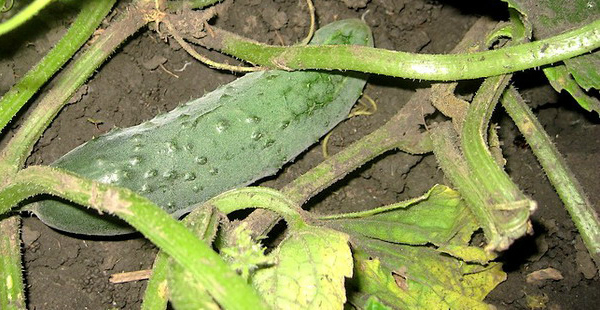
- Phytophthora wilt. Develops when fungal spores penetrate the capillaries of leaves. This blocks the flow of nutrients to the leaf blade. Externally, the disease manifests itself as yellowing of the leaf and its rapid death.
Plants can be affected by these diseases at various stages of development. The following factors can lead to this negative development:
- Crop rotation violations. If cucumber bushes were planted in a plot previously occupied by nightshades, the risk of fungal infections increases significantly;
- sharp change in day and night temperature regimes;
- watering plantings with cold water;
Initially, the disease affects weakened plants, and then spreads to healthy neighboring plants. An infected cucumber plant requires immediate treatment with specialized products.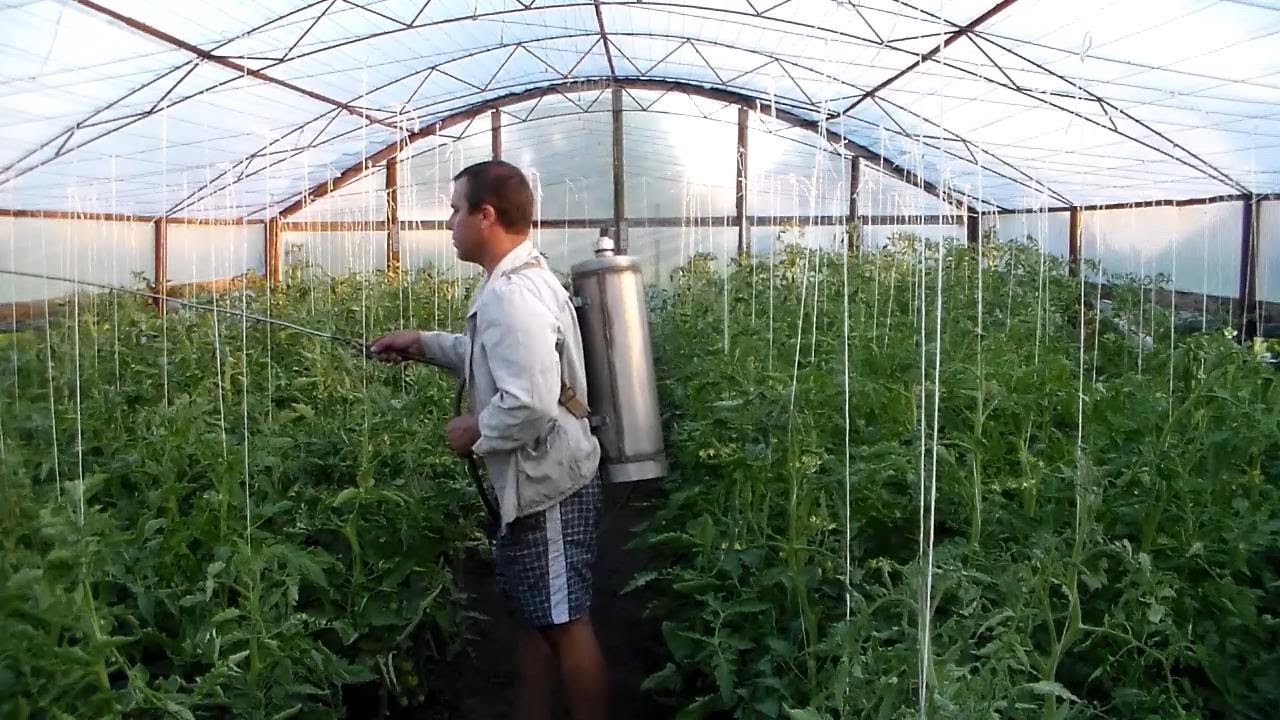
In addition to the diseases described above, cucumber leaves in greenhouses can dry out due to other pathogens. However, these pathogens are much less common.
How to fight
What should you do if the leaves of your greenhouse cucumbers start to turn yellow and dry out? First, you need to determine the cause. As we've already established, the causes can be very varied. Therefore, the treatment methods will vary depending on the specific situation. In principle, the course of action is the same in any case. It should include the following steps:
- search for the cause;
- its elimination;
- treatment of consequences, if any, remaining after eliminating the cause.
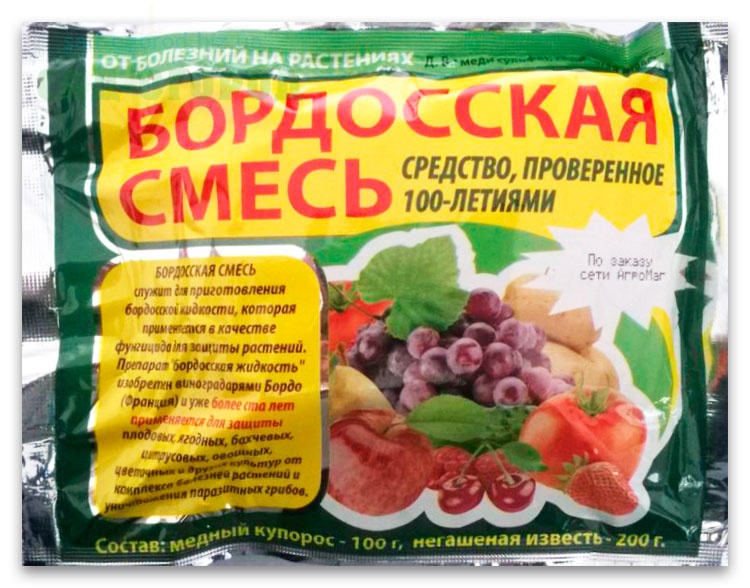
If the cause is a violation of plant care guidelines, then simply adjust the watering regime or add appropriate fertilizer to the soil. Pests and diseases are more complex. What should you do if the infection has already spread? To eliminate fungal infections, the bushes should be treated with:
- copper sulfate;
- Bordeaux mixture;
- fungicides: Fitosporin or Cuproxate;
- acaricides: Aktara, Agravertin, Actellik, Fitoverm, etc.;
- folk remedies (using various infusions based on chalk, wood ash and crushed coal).
During spraying, you should stop watering the bushes and applying fertilizers.
Some diseases are difficult to control, especially if the infection has reached its final stage. However, spraying the bushes with various preparations can eliminate the parasites.
Insects often carry various pathogens. Therefore, their elimination will reduce the risk of infection of healthy plants.
To combat insects you should use:
- soap solution;
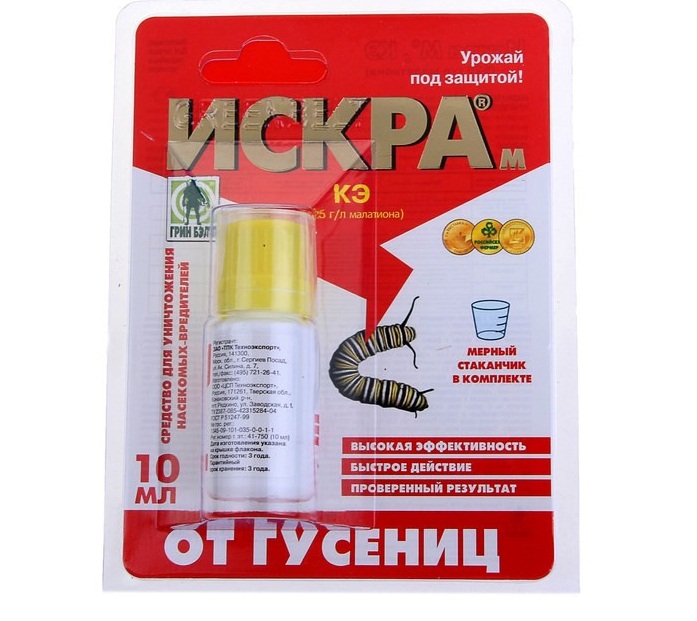
- insecticides: Caesar, Fitoverm, Mospilan, Iskra;
- folk remedies (remedies prepared from hot peppers, tobacco infusion, etc.)
If yellow, drying leaves are detected at the very onset of the disease, the chances of effectively eliminating the pathogens or parasites are significantly increased. Therefore, it's important to periodically inspect greenhouse cucumbers for the early stages of disease or parasite development.
Prevention
To avoid searching for various diseases on cucumber plants in a greenhouse, experts recommend implementing preventative measures. These, coupled with proper care, guarantee virtually 100% health for this crop.
In this case, the following preventative measures can help prevent the appearance of yellow, wilting and drying leaves:
- Regular ventilation of the greenhouse will help maintain an optimal microclimate inside the greenhouse;
- Adherence to crop rotation rules. Cucumbers should not be planted after pumpkin crops;
- treatment of plantings with special preparations;
- hardening of seedlings before planting in closed soil;
- implementation of all agricultural practices prescribed for the planted cucumber variety;
- Thoroughly remove all plant debris from the greenhouse and disinfect the entire space. This includes disinfecting not only the soil but also the entire greenhouse structure.
- Spraying plants with growth stimulants. These products not only stimulate growth but also improve the plant's immunity. As a result, the plants are more effective in resisting parasites and pathogens;
- using only high-quality seed material for growing seedlings, which has undergone all stages of preparation;
- plant in the greenhouse those varieties that are intended for growing in closed ground conditions;
- spraying the crop with solutions of microelements;
- correct pinching of young shoots;
- removing excess ovaries from plants.
-
Preventative measures and strict adherence to all agricultural practices will help you grow healthy, strong cucumber plants in your greenhouse that will produce excellent fruit. Regular monitoring of your plants will help identify any deviations from normal growth and quickly restore them to normal.
Pest Control Video
This video will teach you how to control cucumber pests and diseases.