
Why cucumbers rot in a greenhouse: causes and treatment
Content
Signs and types of rot
Despite all their efforts and proper agricultural practices, gardeners often complain that their cucumbers are starting to rot. Naturally, such a harvest is unfit for human consumption, meaning all their efforts have been in vain. To prevent significant vegetable losses, it's important to know the signs and symptoms of this disease. However, there's a catch: symptoms will vary depending on the pathogen causing the rot. Fungi cause rot, and the symptoms can help determine which pathogen is plaguing the crops.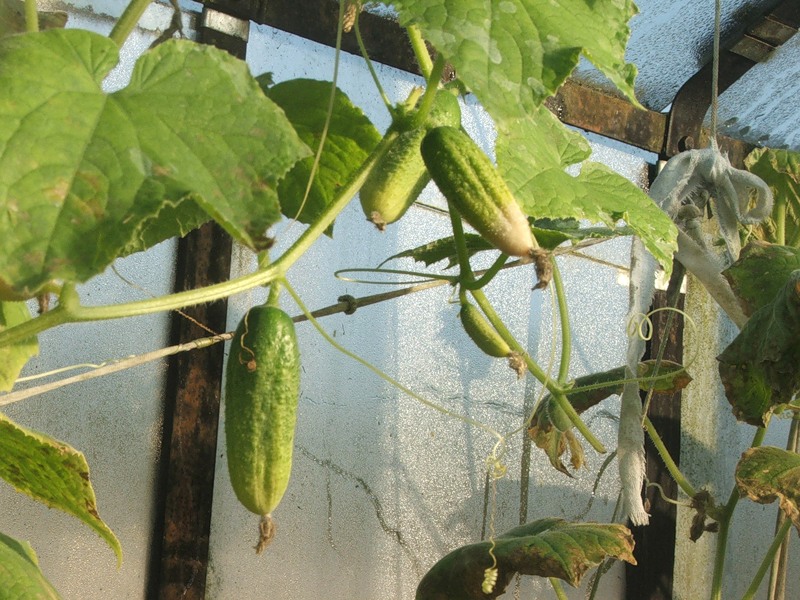
It's worth noting that regardless of the type of rot, the fungus produces toxins during its life cycle. These toxins gradually kill cucumber plants, leading to a significant reduction in the quality and quantity of the harvest. Let's look at the most common types of rot and their characteristic symptoms.
Root rot on seedlings
Seedlings are most often affected by root rot. This disease is caused by:
- Pythium debaryanum;
- Fusarium solani;
- Rhizoctonia solani;
- Fusarium culmorum.
Seedlings are susceptible to pathogenic microflora due to a weak root system. This is a fairly severe, complex disease, in which not only fungi but also viruses and bacteria contribute.
The main and characteristic symptom of root rot is the rapid death of seedlings. Wilting of young and immature seedlings occurs within three days after planting.
When mature bushes are affected, the disease manifests itself as brown or white spots, which are the fungal mycelium. Additionally, the root system of the plants becomes thinner. Over time, the root system begins to rot, leading to the death of the infected bushes.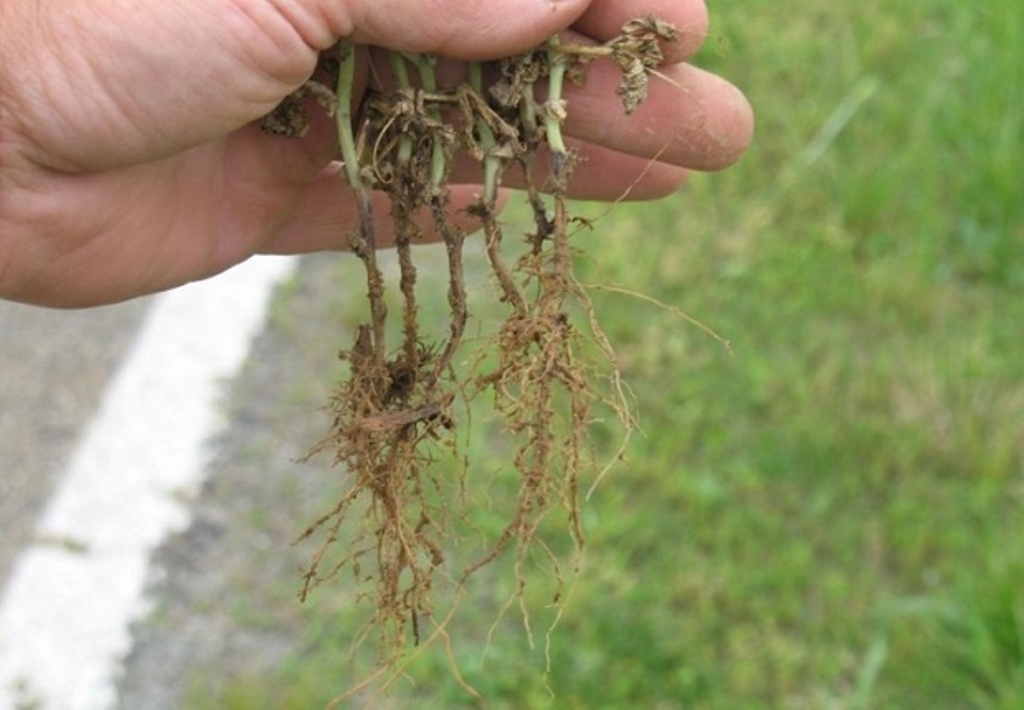
The staged development of root rot is as follows:
- first the leaves begin to wither;
- then the dying off of the ovaries is observed;
- the whips dry up;
- then the root system dies off.
The source of pathogens are:
- seeds that have not undergone full processing;
- Plant debris containing pathogens. Therefore, after the disease is detected, all affected shoots should be removed from the garden bed and burned;
- poor quality greenhouse soil.
If signs of root rot are detected, affected cucumber bushes should be removed immediately to prevent the spread of infection.
Root rot
Another dangerous disease of cucumber bushes is root rot. It is caused by the following microorganisms:
- Pythium ultimum;
- Pythium debaryanum Hesse;
- Pythium Aphanidermatum.
The disease affects both greenhouse and open-ground plants. Symptoms include:
- modifications of the root collar;
- the root system changes color. It becomes brown;
- Over time, the roots wither and the bush dies.
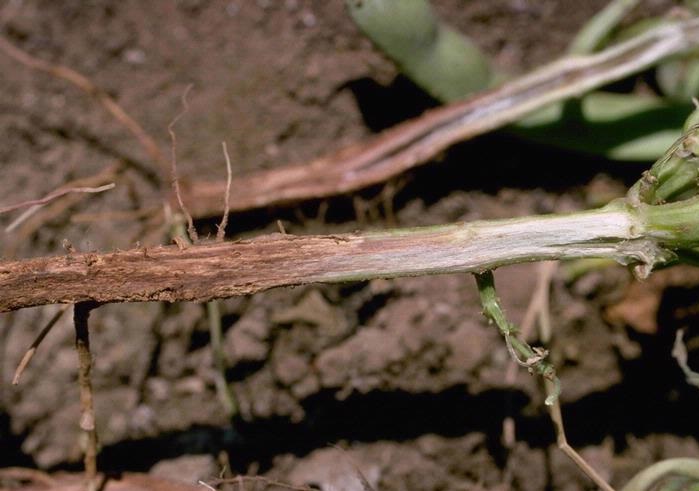
Plants can be affected by pathogens at any stage of vegetative development. In seedlings, root rot manifests itself as browning of the root collar, thinning of the stem, and wilting of the leaves. In mature plants, softening of the root tissue is observed. Brown blood vessels can be seen when cutting the shoot.
Along with root rot, this crop is often affected by fusarium wilt. This disease is also caused by a fungus, and the source of infection is contaminated soil.
Gray mold
Cucumbers often suffer from gray mold, caused by Botrytis cinerea. The disease develops under the following conditions:
- high humidity;
- insufficient temperature regime maintained in the greenhouse.
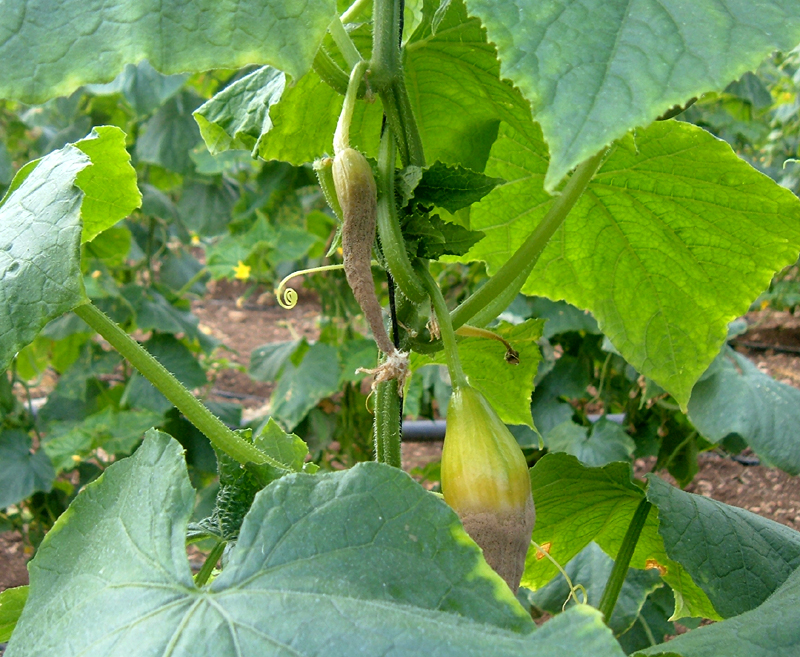
The signs of this disease are the following conditions:
- The appearance of a gray or brown coating on the leaf blade. Over time, the spots become covered with black specks. Gray spots often appear on fruits, while brown areas develop on the leaves and stems;
- the bushes lose their ovaries;
- If the disease has reached an advanced stage, then the formation of a large number of barren flowers is observed, which begin to rot;
- plants die quickly.
It's worth noting that gray mold has good resistance to treatments used in this case. However, normalizing the greenhouse climate will slow the progression of the disease.
White rot
In addition to the diseases described above, cucumbers are susceptible to white rot. In this case, the fungus Sclerotinia sclerotiorum will cause the death of the crop.
As white rot develops, the plant tissue softens and gradually begins to rot. It differs from other diseases by the appearance of white deposits on shoots and leaves. After some time, the shoots become water-soaked. The mycelium turns black. The infection affects both the ovaries and shoots.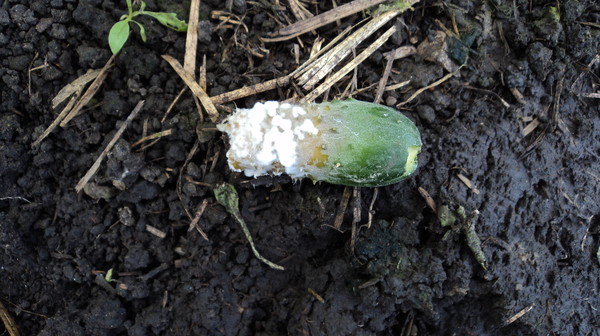
White rot on cucumbers is caused by the sclerotinia fungus. The infection occurs from within, causing the plant to gradually and systematically deteriorate. A slimy coating can be seen near the roots of white rot. Over time, a white, fluffy coating develops on this coating.
Video "Diseases"
From the video you will learn about cucumber diseases.
Causes of occurrence
All vegetable crops, including cucumbers, are frequently affected by pathogens that cause rot. Failure to combat the disease promptly can result in colossal yield losses.
Most often, putrefactive processes on plants and fruits are the result of improper care or incorrect application of agricultural practices. The following can make bushes susceptible to pathogens:
- incorrectly carried out crop rotation;
- dense plantings due to the lack of periodic weeding of the beds;
- Incorrect organization of soil cultivation in greenhouses when preparing beds for planting seedlings.
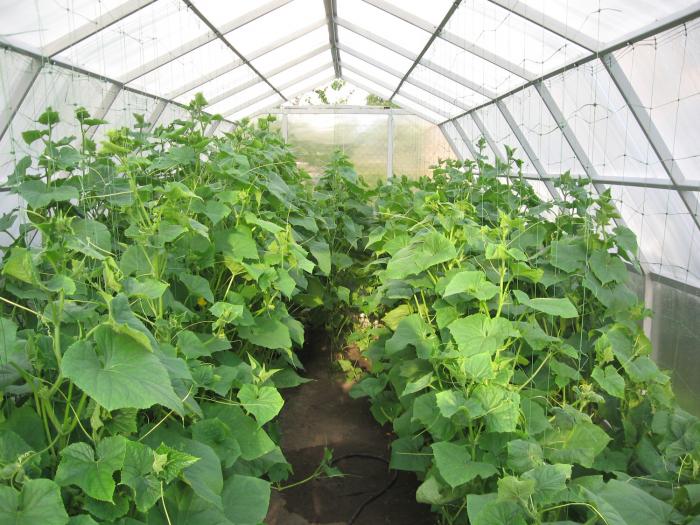
In greenhouses, the following factors may trigger the development of this type of disease:
- Creating an inappropriate microclimate for the plants. This disrupts normal growth and development, leading to decreased resistance to pathogens. The most important parameters that must be maintained at the correct level for healthy cucumber plants are humidity and temperature;
- significant violations of agricultural practices;
- planting seedlings in a place where crops unfriendly to cucumbers were previously grown;
- drafts;
- insufficient lighting;
- excessive sprinkling of crops;
- soil depletion that occurs when fertilizers are not applied adequately.
However, the lack of preventative treatments during the growing season can also be a factor in the disease's development. If the plantings were infected with pathogenic microflora, the fungi are more likely to begin to infest them.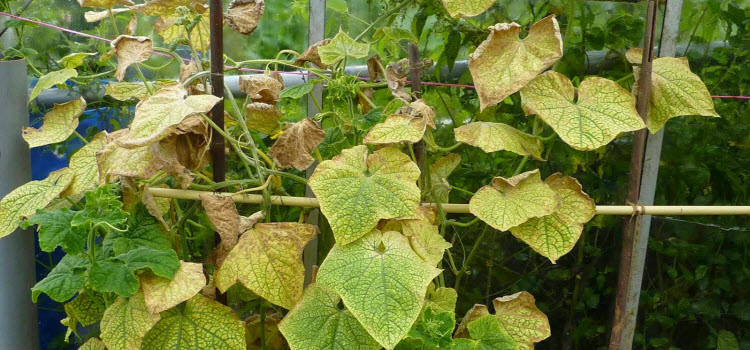
Most often, rotting processes are a consequence of excessive humidity. This situation is typical in greenhouses, where the risk of high humidity is very high due to an improperly managed microclimate. However, other risk factors include:
- low temperature. This parameter should drop below +18 degrees;
- Incomplete removal of plant debris in the fall after harvest. Leaves, shoots, and fruits can be potential sources of disease. Therefore, they must be removed from the garden and burned.
- poor ventilation of the greenhouse;
- Untreated soil. After harvesting, the soil should be watered with hot water. A solution of chalk, copper sulfate, or ash can be used;
- the presence of unloosened and very dense soil;
- watering cucumber bushes with cold water.
When the first signs of disease are detected on plants, it is necessary to immediately begin taking measures to save the bushes and the future harvest.
Treatment methods
If you notice signs of rot on your cucumbers, you should carry out the following steps:
- minimize irrigation activities;
- carry out complex treatment actions.
Without this, it will be impossible to get rid of the disease and then you can forget about a good harvest.
Comprehensive measures to combat putrefactive processes should include the following actions:
- The bushes should be sprayed with Topaz. The solution should be prepared at a rate of one ampoule per 10 liters of water. The water should be warm;
- You can spray the plants with Oxychom. In this case, prepare a solution by diluting 20 grams of the substance in 10 liters of warm water;
- For spraying, you can use the serum in its pure form or with the addition of copper sulfate;
- After finishing processing cucumbers in the greenhouse, it is necessary to strictly adhere to the temperature regime.
After harvesting, the soil should be watered with a solution prepared with copper sulfate. All plant debris must be burned. The product "Hom" can be used to treat the soil and bushes.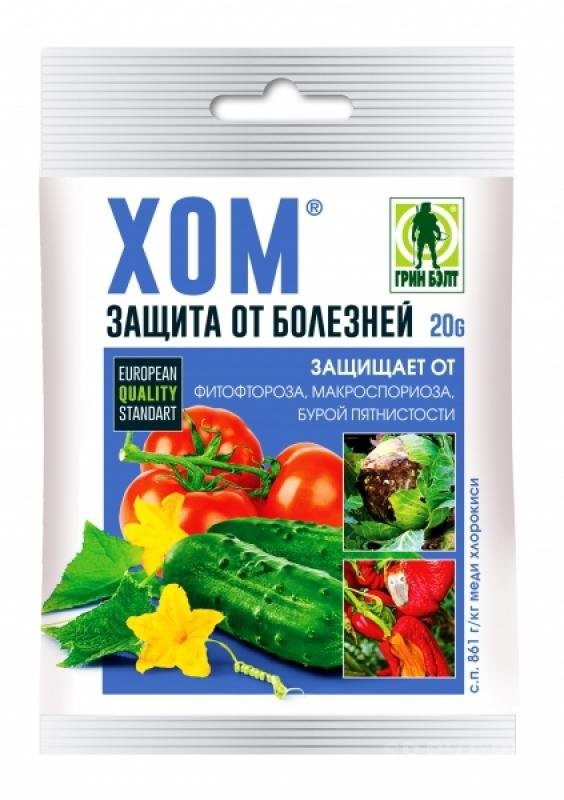
It's important to understand that sprays should be selected based on the type of rot. This will ensure the best results.
Prevention methods
To prevent infection in a greenhouse or open ground, it is essential to take preventative measures to combat pathogenic microflora. These measures include the following:
- Observe crop rotation rules. Cucumbers should not be planted after squash, zucchini, or any other pumpkin crops;
- selection of hybrids and varieties that are resistant to fungal pathogens;
- adherence to the correct seedling planting scheme;
- A properly managed watering regime. Watering should be done early in the morning or evening. Use only warm water. A drip irrigation system is best;
- periodic inspection of plantings for the first symptoms of illness;
- organization of the correct microclimate in the greenhouse;
- periodic weeding of cucumber beds;
- treatment of bushes and soil with disinfectants.
By following these simple rules and recommendations, you can protect your cucumber crops from rot. However, if the pathogen does infect your plants, immediate control is essential. This is the only way to save the future harvest. Remember that disease control is most effective if detected early.
Video "Fighting Diseases"
This video will show you how to effectively combat rot on cucumbers.