
What to do and why are cucumber leaves turning white and drying out?
Content
The main causes of white spots
Cucumber seedlings grown in greenhouses and open ground are susceptible to various fungal diseases and pest attacks. The ovaries and leaves become covered with white, yellow, and brown spots and dry out. If your plants' leaves have turned white, there may be several possible causes.
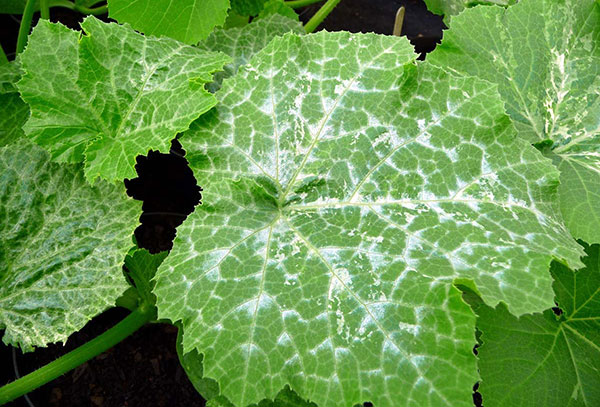
- Powdery mildew. This fungal disease begins on the leaf margins and gradually spreads to the entire leaf blade, eventually spreading to the stems and ovaries of seedlings. If small white spots appear on the plant and the leaf edges begin to turn brown and dry out, the cucumber is infected. The fungus that causes the disease can overwinter on organic debris. The disease manifests itself in damp, cloudy weather. Reason: excess nitrogen fertilizers and watering errors.
- White rot. All affected areas of the plant, primarily stems and ovaries, become covered with multiple white spots that later turn black. This is a rapidly spreading fungal disease. Later, the plant turns completely white, becomes slimy, and rots. Cause: overwatered soil and excessive air humidity.
- White mosaic of cucumbers. The virus is activated by sudden temperature increases. The first signs appear on seedlings approximately one month after planting. If the leaves wrinkle and curl at the edges, the stems crack, and the ovaries and fruits become spotted, the virus has also affected your cucumbers. Cause: virus penetration during transplantation and shaping of the plants through unsterilized tools or by insect vectors.
- Spider mites. Small white spots first appear on the leaves, then spread to the stems and ovaries. The edges of the leaf blades gradually curl and dry out. If you notice these signs, your cucumbers are infested. The mites web the underside of the leaf and suck out the sap. The pest itself is invisible.
- Greenhouse whitefly. It sucks the sap, damaging the plant's dermis. It leaves a white, sugary secretion containing sooty mold spores. The plant curls up and dries out.
Methods for combating stains
If you notice signs of powdery mildew, the seedlings should be treated immediately with fungicides. Spraying should be done in calm, dry weather. Copper oxychloride and colloidal sulfur solutions can also be used.
If powdery mildew has spread to the ovaries or you are against chemicals, you can use folk remedies: mullein tincture, a solution of sour milk, or a mixture of baking soda and laundry soap.

Affected plant parts should be cut back to healthy areas. If the disease has spread to the ovaries or affected most of the plants, they should be removed completely. Lime or crushed charcoal can be used to treat the seedlings. Next, feed the cucumbers with a solution of warm water and urea, supplemented with zinc sulfate and copper sulfate.
Trisodium phosphate is used to combat white mosaic. Weeds should also be carefully removed and cucurbits should not be grown near cucumbers. Care should be taken to eliminate parasites that carry the virus.
If seedlings are attacked by spider mites, they should be treated with insecticides several times. Affected leaves and buds should be removed and burned. Biological products can help get rid of whiteflies.
Prevention and care
It's no secret that prevention is better than cure. Therefore, you should ensure proper cucumber care and preventative measures. Those who follow the proper guidelines rarely encounter plant diseases.
To prevent your cucumbers from getting powdery mildew, you need to change the planting location every year and remove all debris to prevent fungus from developing.It's also important to maintain a proper watering regimen and use only warm, settled water. Greenhouses or hotbeds require periodic disinfection.
Proper planting practices will help prevent white rot. Cucumbers should be replanted in the same location no sooner than 4 years later. Avoid dense plantings. Don't forget to regularly shape and prune the plants.
To prevent mosaic disease, treating planting materials, disinfecting soil and tools, and replacing the soil in the greenhouse will help. Before planting, it is recommended to heat-treat the seeds and treat them with potassium permanganate.
To prevent spider mites from appearing on cucumbers, seedlings should be planted early and weeds around the plants should be regularly removed. The soil should be well-moistened, as dry soil is the ideal habitat for the pest. Dill can be planted nearby, as its blooms attract ladybugs (enemies of spider mites).
To prevent whiteflies, loosen the soil more frequently and sprinkle it with humus or peat. Planting tobacco in the cucumber bed will also help.
These are the basic recommendations for when your cucumber leaves suddenly turn white. Knowing what to do will help you overcome any problem.
Video: "Why do cucumber leaves turn white?"
The author of the video will talk about the reasons for white leaves on cucumbers.