
Rules for processing cucumbers with whey and iodine
Content
Processing effect
Unfortunately, the vegetable is susceptible to a number of diseases: powdery mildew, root rot, brown spot, gray mold, and bacterial disease.
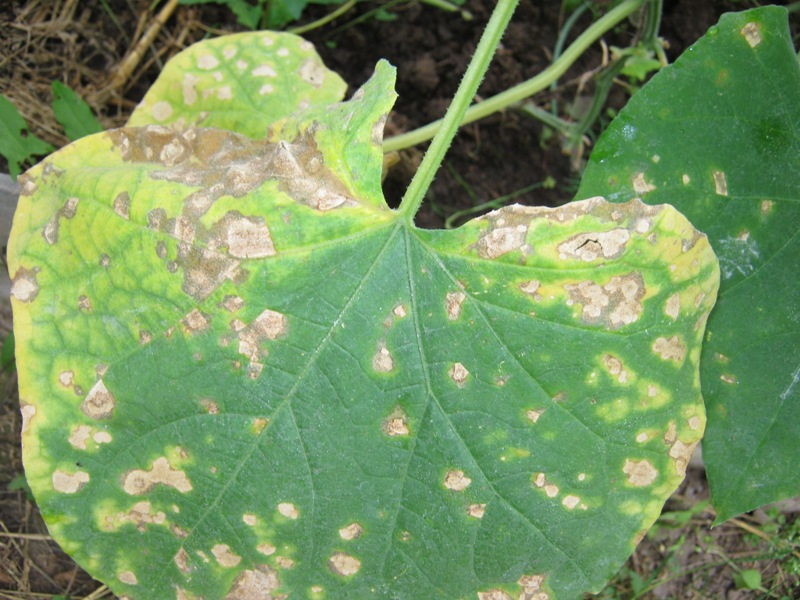
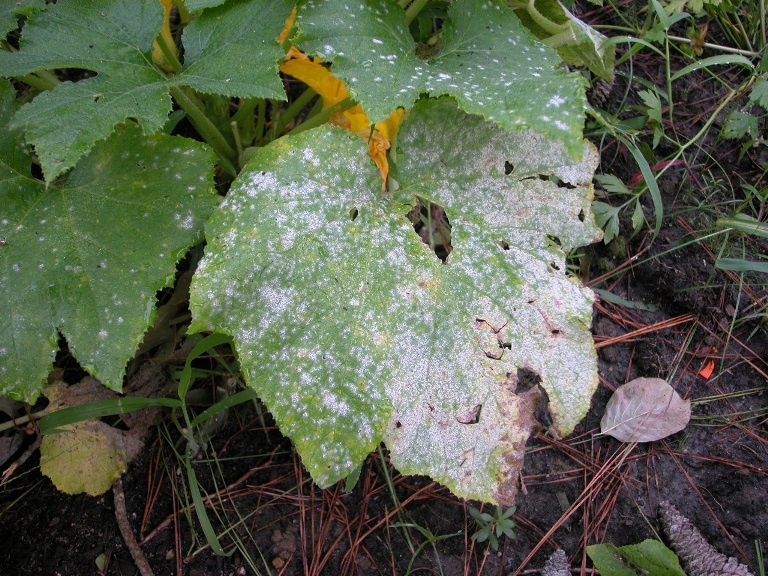

The disease manifests itself under extreme temperature fluctuations and insufficient ventilation (if cucumbers are grown in a greenhouse). However, an effective method for combating fungal diseases has been found: spraying cucumbers with a whey-iodine solution.

Unsurprisingly, ordinary whey is an excellent pest control agent for cucumbers. However, it's not the only one. Iodine will also help. Furthermore, this combination will prevent a variety of cucumber diseases. A mixture of whey and iodine also has a positive effect on the harvest, increasing its yield.
Iodine contains copper, making it an excellent antiseptic. It's also an excellent fertilizer for cucumbers, as it provides the plant with a wealth of beneficial substances and minerals.
How to cook
Spraying cucumbers with a whey and iodine solution is a simple task. The key is to prepare the mixture correctly. Only diluted whey is suitable for treating the crop. Therefore, add clean water at room temperature in a 1:1 ratio. It's worth noting that the whey used for treatment is typically stale kefir or spoiled milk.
A small amount of iodine is needed to protect crops from pests. Just 10 ml of the substance is enough for watering. For a more effective solution, you can add Fitosporin to the mixture, which has a positive effect on the plant, extending its harvest period.
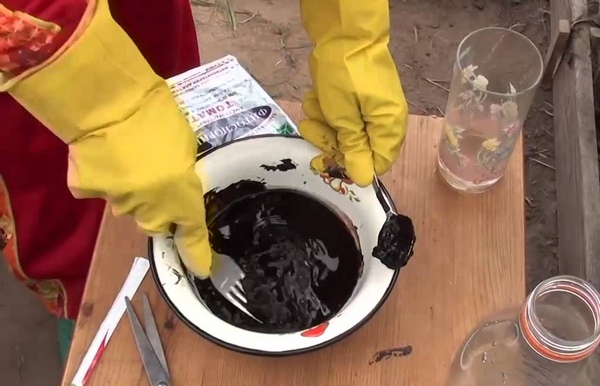
Video: "How to Fight Cucumber Diseases with Folk Remedies. Whey Treatment"
Learn how to properly prepare a solution for spraying cucumbers against powdery mildew using iodine and whey.
How to spray correctly
It's best to treat cucumbers with the prepared solution using a special tool—a sprayer. What does the prepared mixture do?
Applying the prepared solution protects the plant's organs and tissues from parasites. This effect occurs due to the formation of a thin film of the solution on the plant. This is due to the composition of the whey. It contains acidic bacteria, and the product itself is characterized by a special environment. All these conditions provide "milky" protection for cucumbers. Various fungi that cause vegetable diseases are "afraid" of acidic substances.

One of the significant disadvantages of the solution is the short-lived effect. Therefore, it is worth watering cucumbers with the mixture regularly. Moreover, the more often, the better. After all, frequent watering is the foundation of reliable protection against fungus. The best time to apply serum and iodine is in July. This is the period when plants are most vulnerable and susceptible to attack by parasitic fungi. Furthermore, this type of watering provides excellent mineral nutrition for vegetables.
Serum and iodine are excellent substances for treating crops without chemicals. The method presented can be considered a folk remedy. This solution is also suitable for preventative measures. It's a well-known fact: prevention is better than cure. And this is perfectly confirmed when growing cucumbers. After all, implementing preventative measures when growing cucumbers yields excellent results.
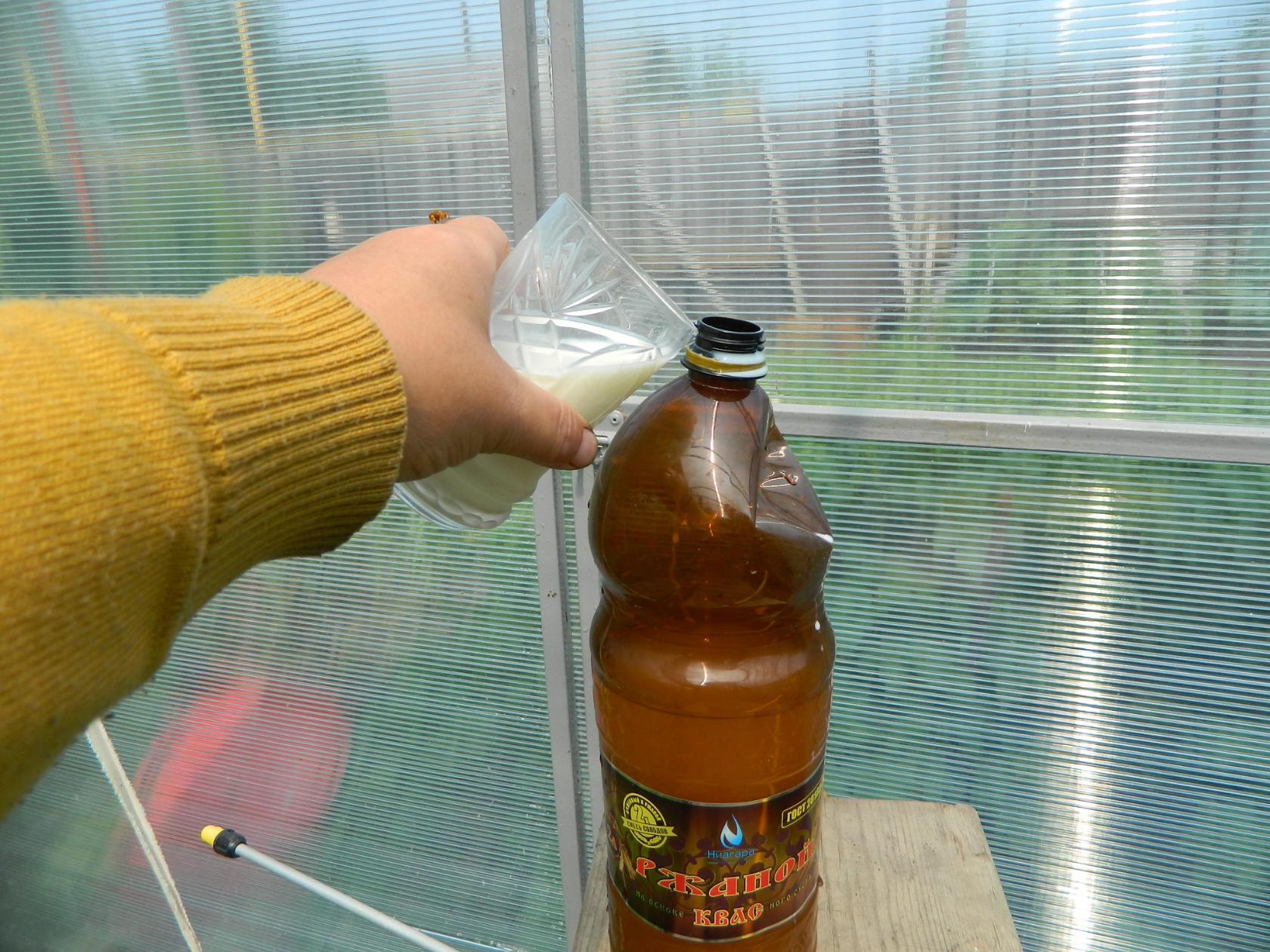
Most often, the vegetable is susceptible to diseases during the flowering period, so prevention should begin immediately after 3-4 leaves appear on the plant.
Spraying cucumbers with the described solution is one of the simplest and most effective methods for preventing and controlling fungal diseases. Moreover, it's considered affordable and, most importantly, organic. So, all gardeners should take note of this method.
Video: "Folk Remedies for Late Blight. Treating Tomatoes with Whey"
A video about how to combat late blight using whey.