
Folk remedies for treating cucumbers against diseases
Content
Rules for processing with iodine
Treating cucumbers with iodine helps protect them from a number of diseases. Specifically, iodine helps combat root rot. The pathogen thrives in overly moist soil. The disease is accompanied by darkening of the roots, yellowing of the leaves, and fruit drop.
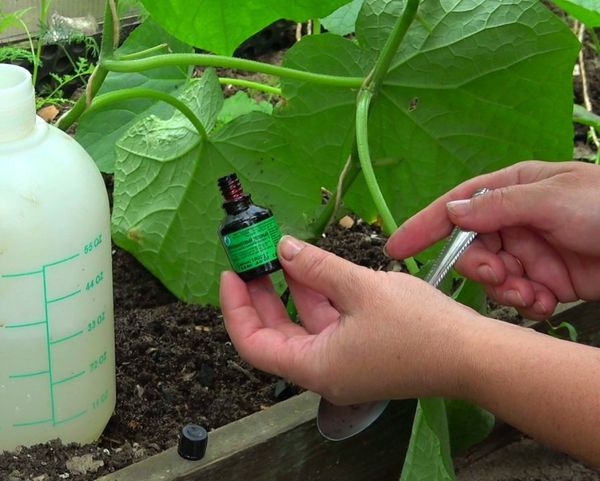
An effective treatment for root rot involves lubricating the stems of cucumbers with an iodine solution (one part iodine to two parts water). The procedure must be repeated several times.
This folk remedy is also effective against powdery mildew. You can rid cucumbers of this disease by preparing a mixture of 1 liter of milk and 10 drops of iodine, dissolved in a bucket of water. Spray the plant and soil with the mixture.
A mixture of iodine and brilliant green
Treating cucumbers with brilliant green and iodine produces good results. These compounds contain copper compounds, which have a negative impact on plant diseases.
Folk remedies based on antiseptics are easy to prepare. To do this, add 10 ml of brilliant green to a bucket of water. The cucumbers won't become greener after spraying, but this remedy will definitely protect against diseases.
Application of wood ash
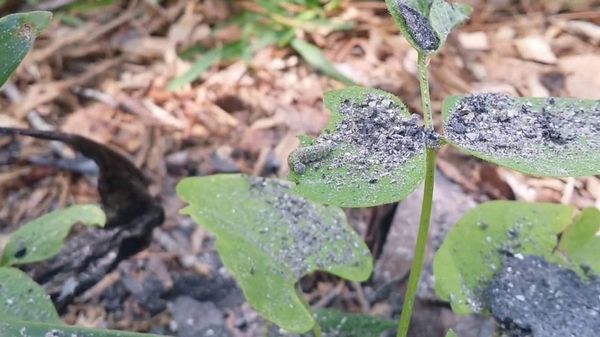
Wood ash is one of the most effective folk remedies for cucumber diseases today. Furthermore, ash eliminates pests and parasites and promotes crop growth.
Wood ash can help combat various types of vegetable spotting caused by bacteria. Preventing the disease can be achieved by spraying the leaves with an ash solution. This helps slow the progression of powdery mildew, which causes spots and white coatings on the leaves. The ash solution will adhere better to the plant if you add a little soap to it. Treating the soil with ash will make it difficult for slugs to move around.
Traditional methods of treating cucumber diseases help avoid the use of chemicals.
Using garlic solution
Garlic infusion is effective against pests rather than diseases. It's easy to prepare. There are two main recipes. The first calls for crushing the garlic cloves and placing them in a liter jar. Add 0.5 liters of vegetable oil and 0.03 liters of liquid soap. Let the mixture steep for 24 hours. To spray cucumbers, dilute 0.02 liters of the solution in 0.5 liters of water and stir until smooth.
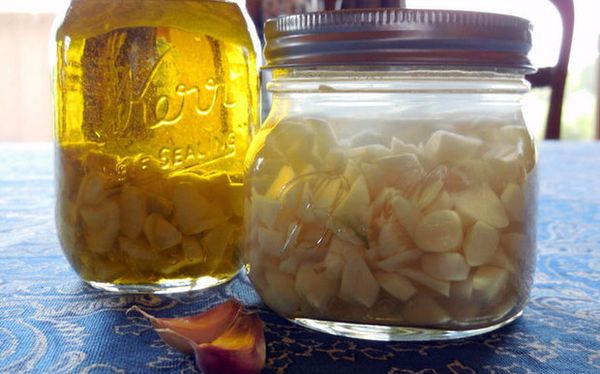
The second recipe calls for the same number of garlic cloves (pressed through a garlic press), 1 liter of water, and 0.015 kg of soap. Place all ingredients in a two-liter jar and fill with water. Cover the full jar with a lid and place in a dark place for 12 days. Afterward, strain the infusion and dilute it with water before use.
When spraying with garlic infusion, it's important to strictly adhere to the recommended concentration. To do this, dilute 0.05 liters of the infusion in a bucket of water. Spray the vegetables with the prepared solution several times until the pests leave.
Spraying with whey
If plants become diseased during harvest, they should not be treated with chemicals. It's best to address the problem with iodine and milk, or at least whey. It contains monoacid bacteria that can inhibit fungal activity and enrich the crop with nutrients.
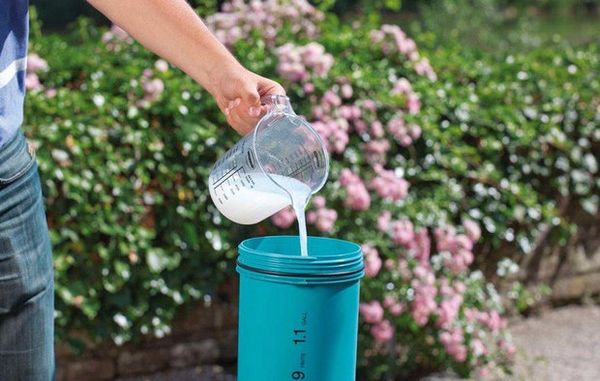
Applying the serum to the vegetable leaves creates a thin film that protects them from fungi. However, treating the plant with serum has one significant drawback: its short-term effect. Therefore, such treatments should be done regularly.
It's best to treat the crop in July, as it's at its weakest during this period. Do not use undiluted whey on the crop. Before use, the whey must be diluted with water in a 1:1 ratio. Heat the prepared solution to 25°C before applying it to the vegetable.
Top dressing with a mullein solution
Powdery mildew, characterized by the appearance of a gray coating on cucumbers, gradually leads to their death. The first symptoms of the disease are easily combated with a natural fertilizer – mullein infusion. This fertilizer is also recommended for improving the crop's growth.
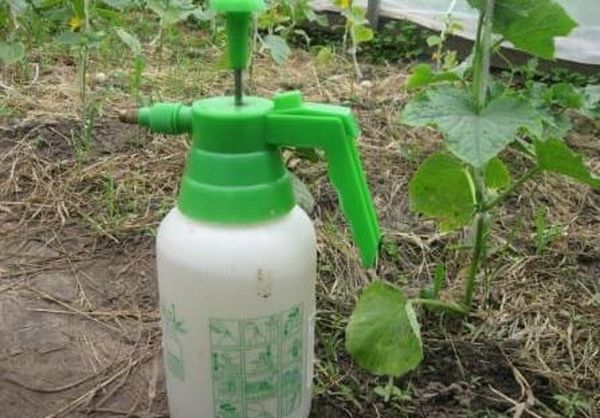
Preparing a healing solution is very simple: simply dilute fresh manure in water in equal quantities. Let the solution sit for 24 hours, then dilute it 1:10. Mix thoroughly and water the space between rows at a rate of 1 bucket of fertilizer per unit area. Combine the slurry with water (1:4) and leave it in a warm place for a week, then add water to the solution and feed the vegetables.
Iodine and brilliant green
You can protect cucumbers from diseases by coating their stems with iodine or brilliant green diluted with water. After re-treating the vegetables, all pests will die.
Preventing diseases and parasites yields positive results. It's best to begin this process at the seed selection stage.
So, the benefits of iodine for the growth of garden crops have long been known. The availability and effectiveness of other folk remedies, as well as their correct use, can help eliminate the need for insecticides altogether.
Video: "Tips for Cucumber Diseases"
This video will give you effective tips on how to combat cucumber diseases.