
How to treat root rot in cucumbers, prevention
Content
Causes of the disease
Root rot is considered a fairly common disease of cucumber plants, causing first a slow decline and then the complete death of mature and fruiting plants grown indoors. The primary factor determining the extent of losses from root rot is the timing of the disease.
Early-stage damage causes greater damage to cucumber crops. These symptoms of the disease do not appear during the seedling stage. The first signs become noticeable after the mature seedlings are transplanted to their permanent growing site.
Root rot in cucumbers can be caused by extreme soil temperatures (below 15°C and above 29°C). This disease progresses most rapidly during the winter and spring (when air and soil temperatures are at their lowest), as well as during the summer and fall when soil temperatures are elevated.
Experienced gardeners attribute the following factors to the main causes of the disease:
- watering plants with too cold water;
- sharp changes in soil temperature;
- secondary use of a plot where cucumbers were already grown last season;
- failure to comply with the technique of planting seedlings in a permanent growth site (deep deepening into the soil); abundant hilling of young bushes;
- overfeeding with fertilizers.
Video "Root Rot"
From the video you will learn what this disease is.
Signs of the disease
Characteristic signs of the disease are considered to be a brown coloration of the root collar and roots of the plant.
The next stage is yellowing of the lower leaves, followed by wilting of all remaining leaves on sunny summer days. The ovaries on the affected plants begin to wilt and dry out, and the fruit does not have time to develop.
By this time, the plant's root system is almost completely affected; the roots become dark brown and loose, and the epidermis and bark of the bush's trunk gradually die. 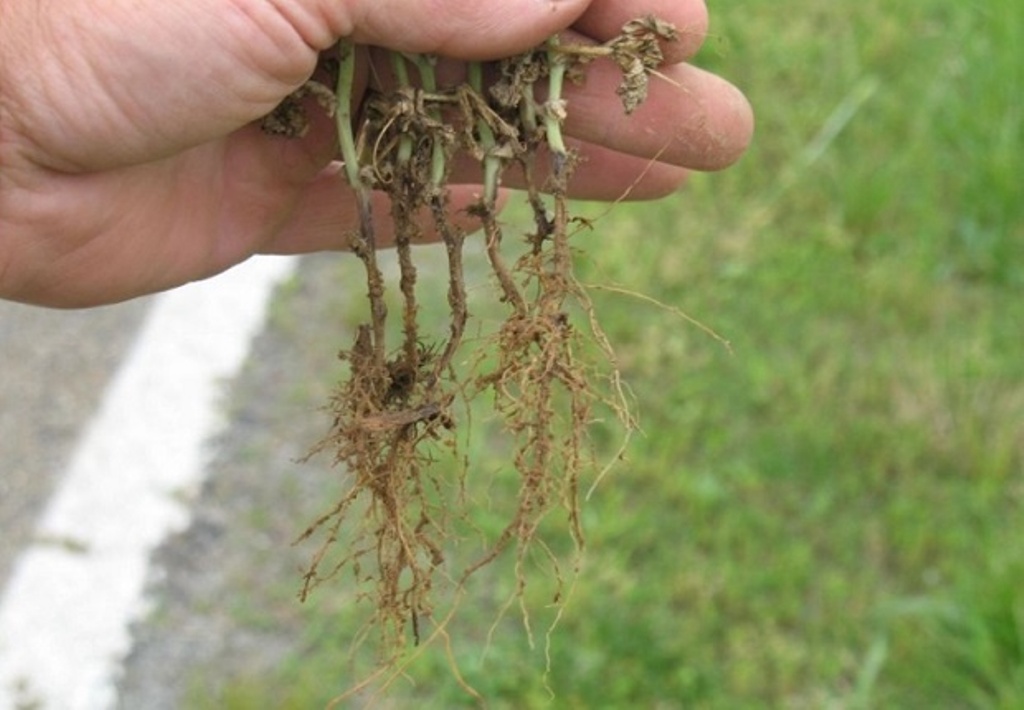 Affected plants wilt and dry out. Another characteristic sign that cucumber rot is in full swing is loosening of the stem at the base and its easy separation from the affected, brown roots. Most pathogens thrive in soil pH ranges of 5-6. The optimal temperature for their activity is considered to be between 5 and 45°C (41 to 113°F), but each virus species has its own specific temperature. For the Pythium virus, the optimal temperature is 12-24°C (54-77°F), while the Phytophthora virus is active and produces harmful spores at temperatures above 7°C (45°F).
The development of virtually every disease is influenced by soil moisture levels. Frequent and heavy watering in greenhouses increases soil moisture and significantly reduces the amount of oxygen needed for root growth. This weakens the root system, making plants vulnerable to pathogenic attacks.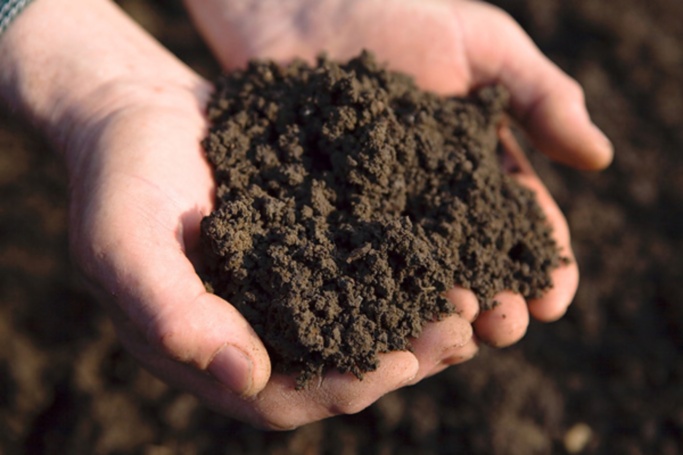
Watering with very cold water (10-11°C) significantly inhibits development, weakens the plant, and can cause root death in the near future. Excessive dryness of the root system and elevated salt concentrations also contribute to the development of cucumber root disease. Infections colonize the dead root areas, which can infect newly planted crops in the same location. Root rot pathogens attack these roots as saprotrophs and then spread to healthy tissue.
Control measures
Leaf limpness caused by root rot, accompanied by stem cracking at the base, and gradual root death are symptoms of a serious illness. Very often, this vulnerability to disease can be caused by improper planting of cucumber seedlings in the ground.
How to avoid these troubles:
- Each new season, cucumbers should be planted in a new area, and in no case in the same area where they grew last season;
- Before planting seeds in the soil, they need to be treated with biological preparations that will prevent diseases;
- When growing cucumber seedlings, avoid planting them too deeply. The optimal depth is 1 cm, and the distance from ground level to the first leaves of the seedlings when planting them in their permanent location should be 2-3 cm.
- cucumbers should be watered with warm water, and when watering, try not to touch the plant;
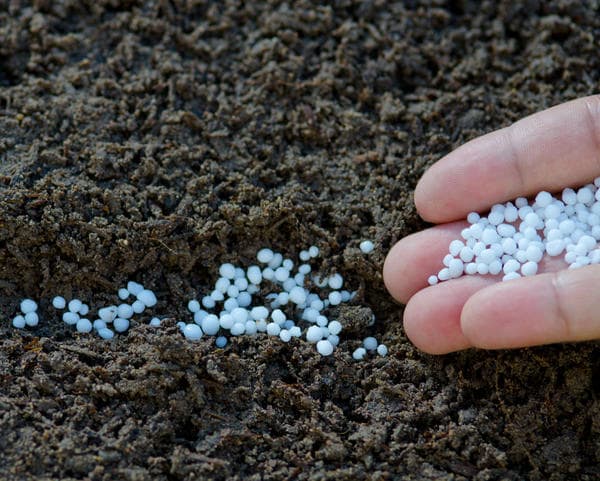
- When fertilizing and mulching, the main thing is not to overdo it with humus; the stem near the point of contact with the soil needs free access to oxygen.
If cucumber leaves have begun to wilt, it means some planting instructions have been violated. Use a garden trowel to push the soil away from the plant's stems. It's important not to damage the roots, as cucumbers have roots on the surface. The resulting cracks should be treated with the following mixture: water (0.5 l), copper sulfate (1 teaspoon), and crushed wood ash (3 tablespoons). You can also sprinkle dry chalk, ash, or powdered activated charcoal into the cracks. If these measures fail to save the plant, dig it up and burn it. Pour a copper sulfate solution into the hole where the affected plant was growing.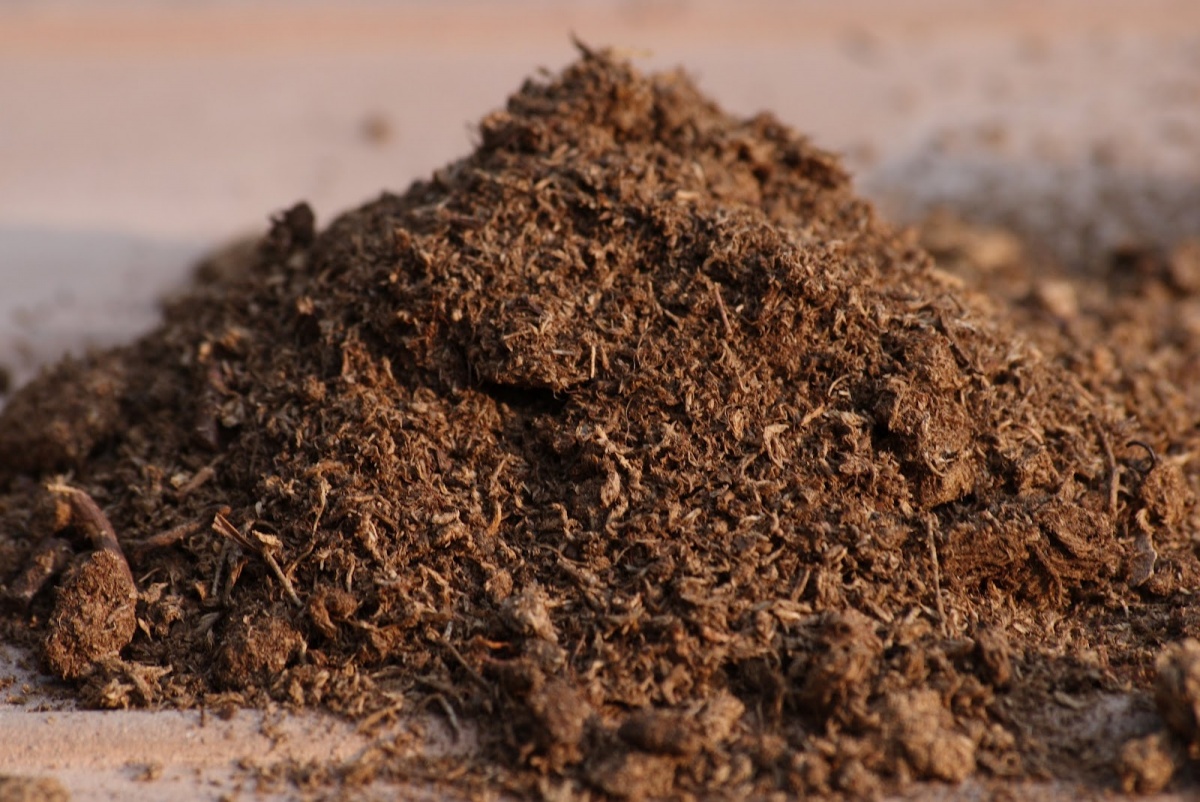
To prepare pots with a nutrient mixture, use sod, humus, and peat soil in a 1:1:1 ratio, as well as composted mixtures that have been biologically sterilized for at least two years. Using cassette technology with a mineral wool plug and laying sterile mats will prevent plant infections. Continuous use of soil leads to the accumulation of various pathogens.
Soil moisture levels must be constantly monitored and regulated, and not allowed to exceed 85%. Soil temperature must be maintained at a constant level of 20-26°C.
Help prevent salinization of the substrate, because this significantly weakens the root system of the plant.
Give preference to chlorine-free fertilizers. Use only organic fertilizers that have been composted for at least six months.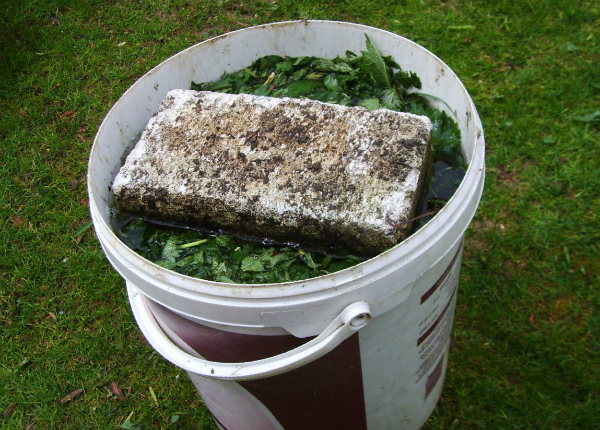
Cucumbers damaged by root rot can be treated using another method. It's effective for minor stem cracks and if the lower leaves are just beginning to show the first signs of wilting. To do this, use a sharp knife to cut off the wilted lower leaves and wait for the cut areas to dry. Remove the plant from its support and place it on the ground. Cover the cut areas with soil, then lift the plant and tie it back to its support. After this procedure, new roots will grow from the soil-covered portion of the plant within a week and a half, and the plant will continue to thrive.
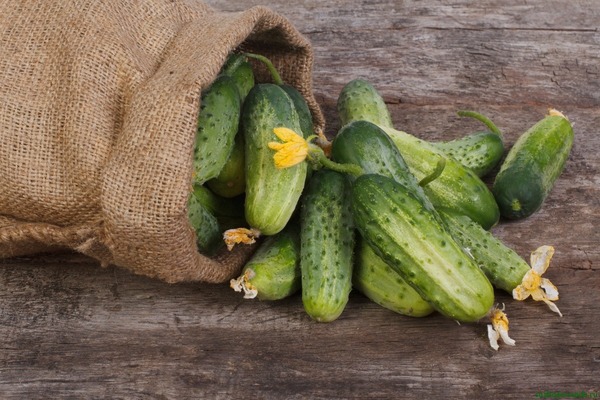
When purchasing cucumber seeds, try to choose varieties that are resistant to these diseases.
Prevention
In preparation for the new growing season, all containers are disinfected. The soil is treated with sterilizers (Bazamid, Methyl Bromide). Before planting, seeds should be treated with TMTD (Thiram) one month before planting, at a rate of 7 g/kg of seed. To increase immunity to root diseases in cucumbers, one of the following products is used: Immunocytophyte or Prorostok. These products are used both during seeding and during the growing season. They enhance and strengthen the plant's immunity.
Controlling root rot on cucumber plants during the growing season presents numerous challenges. Applying a 0.1-0.15% solution of Previkur during irrigation (0.2-0.3 liters of solution per plant) has shown good results. Applying solutions containing metalaxyl or mefenoxam to the soil is also effective.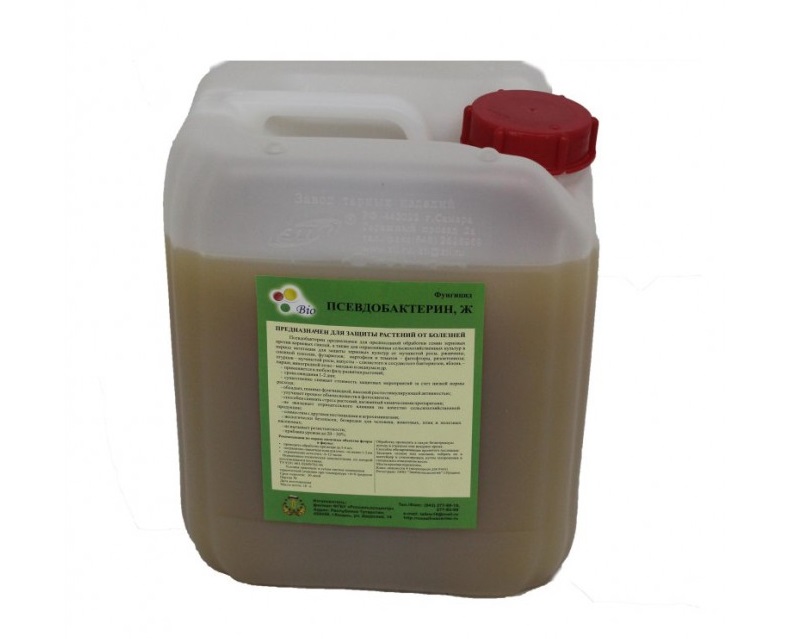
Effective products for preventing root rot of various etiologies include Pseudobacterin-2, Gamair, and Planriz. It's advisable to apply them directly to the seeds during sowing. The use of the biological product Trichodermina limits the accumulation of pathogenic viruses in the soil by boosting the soil's immunity. The product is applied to damp soil two days before sowing. The treatment is repeated as the plant grows.
The use of biological products in measures aimed at eradicating a wide range of pathogens yields excellent results. These products are widely used in industrial-scale cucumber cultivation in greenhouses.
Video "Prevention"
From the video you will learn how to prevent the occurrence of this disease.