
How to control aphids on cucumbers using folk remedies
Content
Why are aphids dangerous?
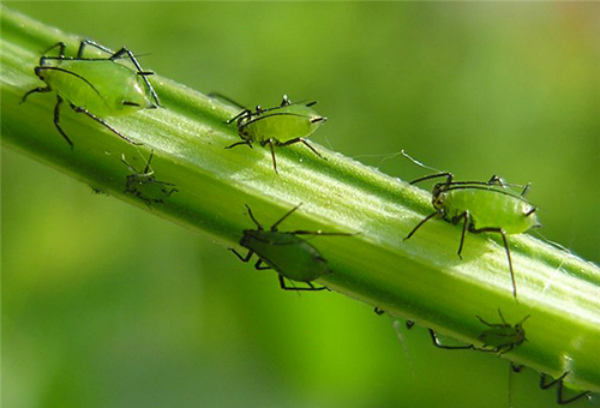
Aphids that attack cucumbers are commonly called melon aphids. The first sign of their presence is wilting and drooping leaves. Just turn the leaf over and you'll see a whole swarm of parasites on the underside. Later, the aphids "devour" the entire plant, migrating to flowers, stems, and even fruit buds.
At the first sign of disease, pest control must be initiated immediately. Otherwise, there's a high risk of losing the harvest entirely. After all, without natural enemies, aphids would consume the entire green space on the planet.
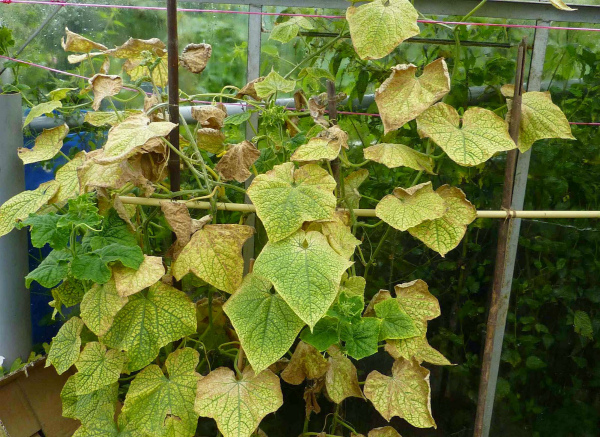
These parasites feed on the sap of plant cells, secreting a poison as they consume them. This causes the leaves to curl, where the aphids later hide from their enemies and reproduce, preserving their population.
Aphids are also harmful because they carry viral diseases. Therefore, in addition to suffering from the parasite itself, the plant can also become ill.
Folk methods of struggle
Fortunately, there are many methods for controlling aphids. Moreover, folk remedies are just as effective as chemical pesticides, and in some cases, even superior.
For example, one effective way to combat aphids in a cucumber bed is to plant strong vines that are virtually impervious to pests. The parasites have a hard time penetrating the plant's thick skin. Furthermore, these vines are excellent at self-healing.
To grow such a strong plant, you need:
- choose the right variety of cucumbers;
- monitor the soil (fertilize it periodically and water it properly);
- plant cucumbers correctly, maintaining the distance between bushes and protecting them from weeds;
- If possible, use mulch to help control weeds.
There are many folk remedies for aphid control. The most common are removal, attracting the pests, and using insecticidal soap.
Removal
A small number of pests can be removed by hand with a regular cloth, but always wearing gloves. This method is especially effective when pests are found on plant stems and leaf stalks. On the underside of leaves, it's best to remove pests with a swab.
When new individuals appear, the process must be repeated.
Attracting Aphid Enemies
The most ardent opponent of these parasites is the hummingbird. Unfortunately, this bird is impossible to encounter in our latitudes. Therefore, ladybugs and lacewings, natural predators that feed on aphids, come to the rescue.
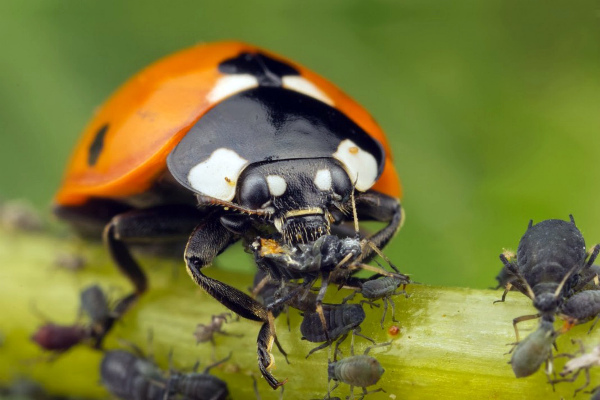
Many people consider red and black ants to be the enemies of pests. But this is a misconception. Ants, on the contrary, facilitate the spread and reproduction of plant parasites by feeding on their excrement.
Insecticidal soap
Insecticidal soap is an effective organic solution for controlling aphids. A solution made from this soap kills the insects and prevents them from clinging to the plant. However, when preparing the solution, make sure it's safe for use on cucumbers.
Treating the plant isn't enough. Particular attention should be paid to rinsing the product off the cucumbers.
The fruits of a plant treated with insecticidal soap should be washed especially thoroughly before consumption.
You can also combat parasites with a harmless alternative to insecticidal soap, which you can make at home. To do this, mix liquid soap (but never detergent) with water. The ideal ratio is 2 tablespoons of soap per liter of water. Spray the solution using a clean spray bottle.
Other recipes
You can also fight aphids using other folk remedies.
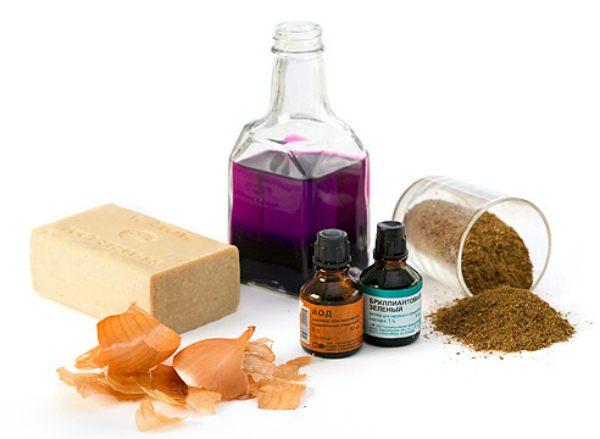
For example, an infusion of tomato leaves, garlic, and hot pepper has proven effective. You can make a solution of all these ingredients or just one and then apply it to the cucumbers. The pepper should be diluted at a ratio of a quarter teaspoon per liter of water. There are no specific recommendations regarding the concentration of other solutions.
Aphids are also afraid of essential oils. Therefore, you can combat these pests with aqueous solutions of aromatic plants, such as tea tree oil or peppermint oil diluted in water.
As noted earlier, pests dislike aromatic plants. Therefore, planting mint, garlic, onions, peppers, or horseradish near cucumbers will ensure pest-free growth.
Don't forget to trim off any damaged cucumber branches. Sometimes, you have to remove the entire plant, as pests are reluctant to leave their beloved plant.
Aphids are parasites that infest almost all plants and cause significant damage. However, treating the problem is easy; simply follow some simple guidelines and choose the right product.
Video: "Folk Remedies for Aphids"
Watch an interview with an expert who suggests using safe folk remedies against aphids in the garden.