
Spider mites on cucumbers in a greenhouse: how to combat them
Content
Harm from ticks
Spider mites are small insects (up to 1 mm) orange, red, light yellow, or milky in color that parasitize plants in favorable conditions. Initially, they settle on the underside of plant leaves, but over time, they occupy more and more space. The first sign of spider mite activity is markings on the leaves in the form of small yellow dots. Initially, the mites form small colonies, but over time, they can fill the entire greenhouse, as they reproduce and spread very quickly. This means that within a week of the insects' appearance, they can be seen crawling across the leaves. After some time, webs form, where young colonies live and develop extremely rapidly.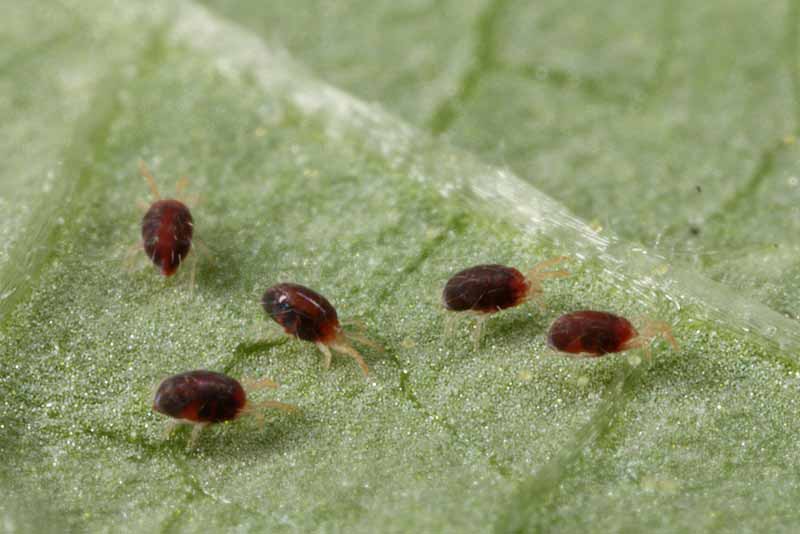
Once mites enter the greenhouse, they quickly spread throughout the entire area, invading the most suitable crops, including cucumbers. The pests feed on plant sap, causing the leaves to quickly become depleted and dry out, leading to disease and eventual death.
The main danger of this species of mite is that females lay eggs within the first few days, sometimes several hundred each. This is because a greenhouse is an ideal place for these insects to develop and reproduce, as it offers them the most comfortable temperature and humidity.
Because spider mites are so small, they remain undetected for long periods of time, but the damage they cause only increases over time. They are considered most dangerous in dry and hot weather, when the risk of metabolic disorders and general plant decline is highest. Spider mites have the ability to enter diapause, a state in which their vital processes slow down several hundredfold. They use this method to avoid unfavorable conditions by burrowing into cracks or the topsoil.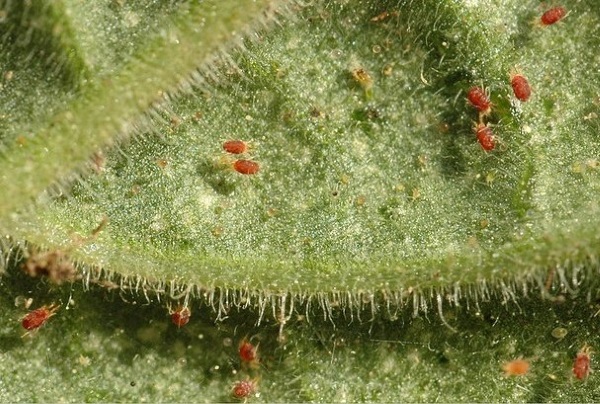
The activity of such colonies can not only harm greenhouse plants but also destroy entire crops in a matter of days. Therefore, control must begin as early as possible, using the most effective methods.
How to fight spider mites
Spider mites are extremely difficult to control due to their rapid reproduction rate. Furthermore, they parasitize plants throughout the growing season at every stage of development, and their colonies are protected by the powerful webbing. Controlling this pest is also challenging because traditional insect control methods are ineffective, and traditional preventative measures are ineffective. Many gardeners have learned from personal experience that simply spraying with water, which would repel the mites and restore humidity, is ineffective. UV radiation is also ineffective, and even laundry soap and onion or garlic infusions are ineffective.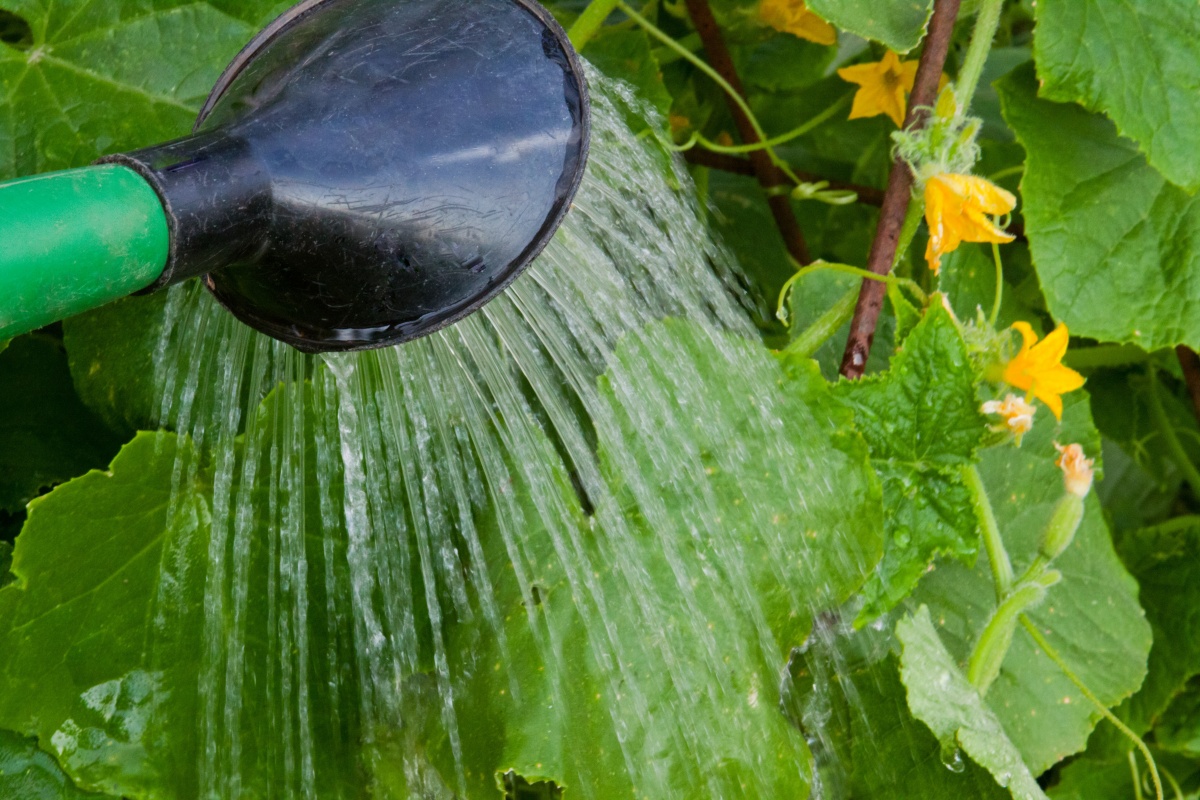
There are many different ways to combat insects and the precautions that should be taken, but not all of them, due to their specific characteristics, are universal, so everyone must choose their own.Some experts divide methods of fighting spider mites into two categories: biological and chemical.
- Using an aloe-based solution. Grind about two kilograms of aloe leaves, dilute the resulting mixture in ten liters of water, add 50 grams of soap, and then mix thoroughly. Spray all plants—both diseased and healthy—with the resulting solution once a week for a month. Then wait a few weeks and repeat the cycle as a preventative measure.
- It is recommended to limit the use of chemicals, using only certain products and only when all other methods have failed to produce any effect.

To effectively combat spider mites, you can also follow these tips and recommendations:
- alternate planting cucumbers with tomatoes, since the spider mite has difficulty reproducing on tomatoes;
- regularly remove weeds from the greenhouse, since this is where the mites spend the winter;
- Use agricultural technology that best suits the plants, maintain an optimal distance of at least one meter between greenhouses, and make the space between rows wider to prevent insect migration;
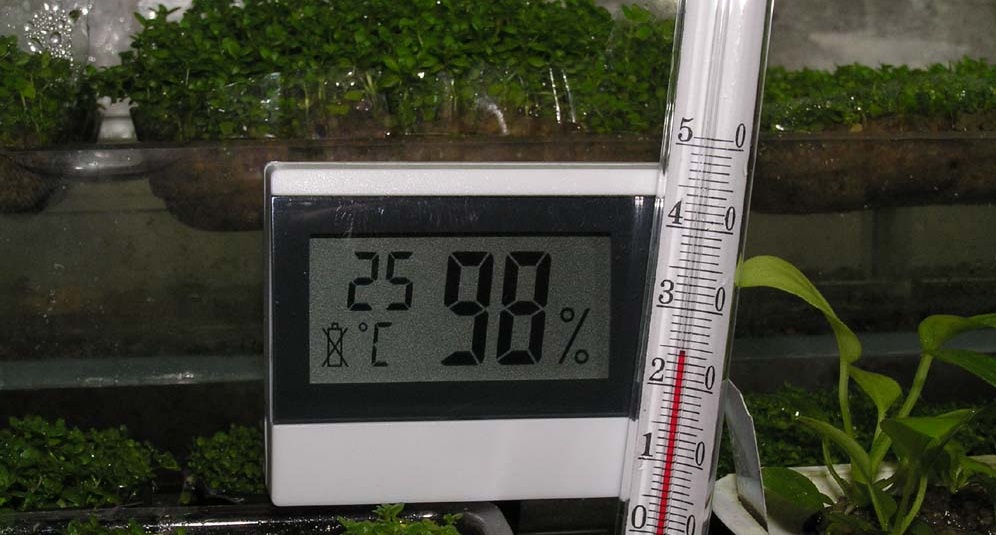
- Maintain a high humidity level of 80-85%, which is suitable for cucumbers, but is not favorable for pests;
- carry out regular spraying with special herbal products;
- An effective method for destroying spider mites is to plant diseased Phytoseiulus plants nearby, which will prey on them and ultimately eliminate them.
There are also many other folk methods, but it is difficult to judge how effective they are without trying them yourself.
Video: How to Get Rid of Spider Mites
This video will show you how to get rid of spider mites.
Basic remedies against ticks
When all folk remedies prove ineffective, drastic measures are necessary—using chemicals, even though the most effective ones are highly toxic. Therefore, it's important to carefully read the instructions before use. Also, always wear protective gloves when treating plants with chemicals to avoid damaging the skin. When choosing a treatment, it's recommended to consider the severity and duration of the illness, previous treatments used, and many other external factors and conditions.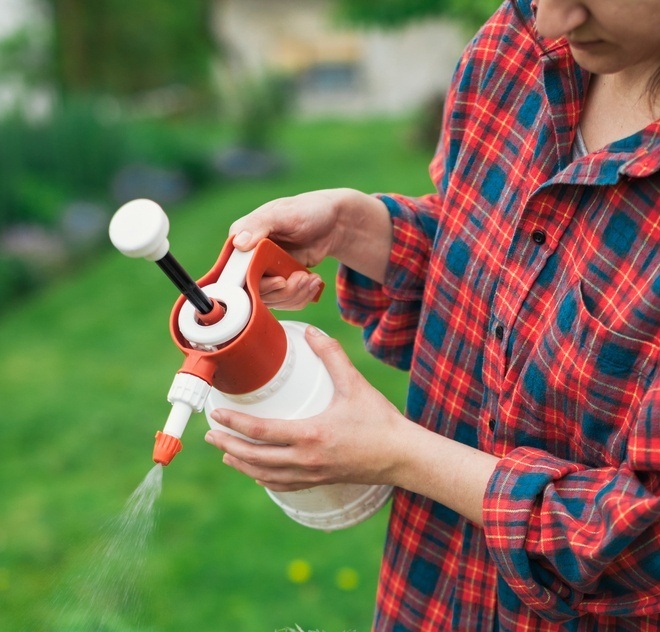
As for the medications themselves, the most popular and most frequently recommended for fighting spider mites are the following:
- Plant-Pin is used to combat all harmful insects, but is especially targeted at mites and is considered the most suitable for greenhouse vegetables. It is most effective in controlling the disease in its early stages.
- Etisso is a product similar to Plant-Pin in its properties, but differs in its active ingredient, dimethoate. Like Plant-Pin, it is sold as sticks that are placed in the soil near the affected plant. These sticks dissolve when watered, enriching the soil with beneficial medicinal substances.
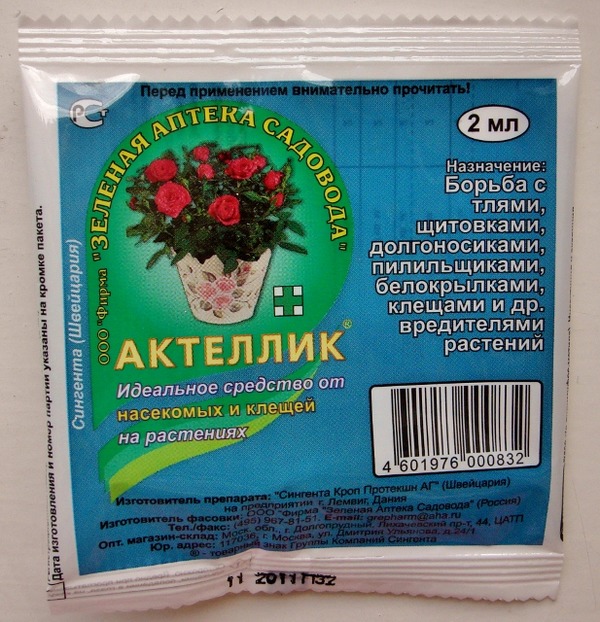
- Actellic is a very effective product, but it must be handled with extreme care, using gloves and a gauze bandage. It comes in small ampoules, the contents of which are added to water, and then applied as a solution to the affected plant parts.
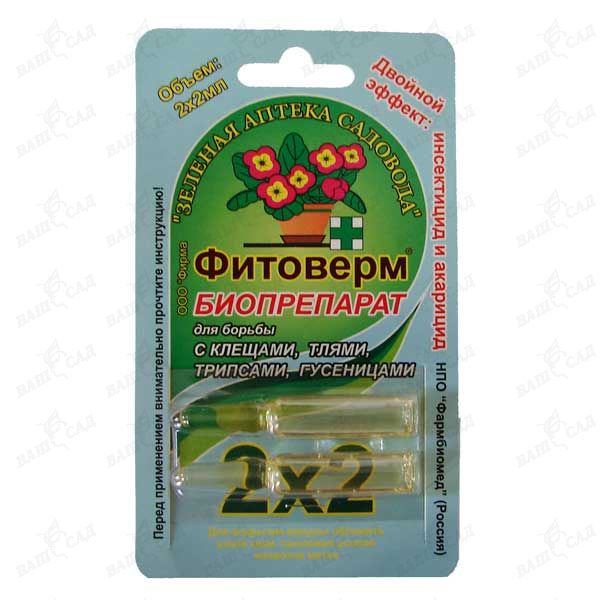
- Fitoverm is a suitable product, but it has one major drawback: over time, insects become resistant and lose their effect. Therefore, it must be used strictly according to the instructions, otherwise it will have the opposite effect.
-

Fighting a spider mite infestation is difficult, but possible if you take it seriously. To do this, you first need to understand the problem, analyze treatment methods, select the appropriate medications, and begin a comprehensive treatment plan.
Video: "Spider Mite Control and Prevention"
This video will show you how to take preventative measures to prevent this pest from appearing.