
How to control whiteflies on cucumbers: the best methods
Content
What harm does the insect cause?
The aleurodida, or whitefly, is a small flying insect belonging to the order Homoptera. It gets its name from its long, snow-white wings. The aleurodida resembles a moth or butterfly in appearance. Its body length is only 1-2 mm. There are currently approximately two hundred known species of whitefly. This insect inhabits warm-temperate climates and can also be found in greenhouses and hothouses. Only a couple of these insects are found in central Russia.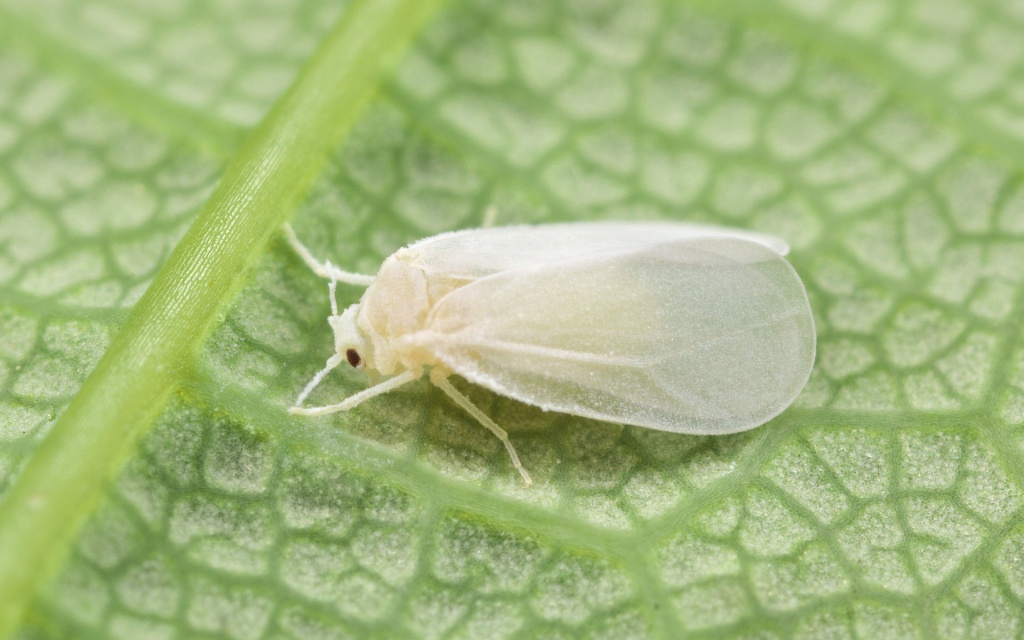
These parasites can attack over 300 plant species, including all forms: woody, shrubby, and herbaceous. They are particularly fond of violets, fuchsias, begonias, asters, and geraniums. But besides flowers, they can also often be found on a wide variety of vegetable crops, including cucumbers.
These insects, when present on any plant, cause serious damage. They feed on plant sap, consuming it in very large quantities (more than they need to survive). Remarkably, they excrete the excess sap as honeydew. This honeydew serves as a breeding ground for a wide variety of pathogenic microflora (fungi, microorganisms, etc.). As a result, the plant affected by this pest quickly becomes covered in a sticky black coating. This not only makes the plant unattractive but also disrupts photosynthesis. After a while, the cucumber plants begin to weaken and dry out. The leaves curl and gradually wilt.
It is worth noting that insect secretions attract ants, which in turn destroy the natural enemies of these insects.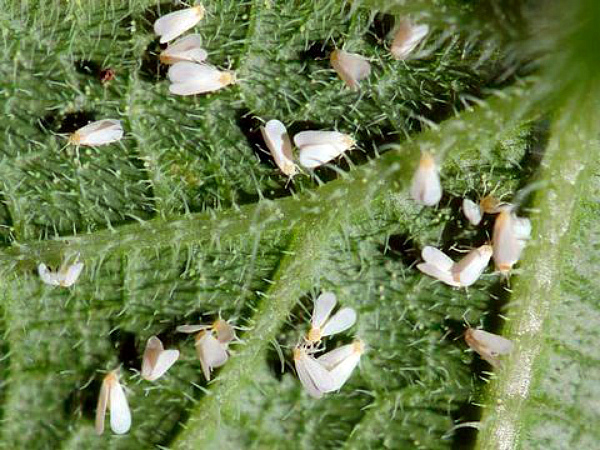
It's important to know that whiteflies also damage vegetable crops by transmitting a large number of diseases, including viral ones. For example, these insects transmit the following pathogens:
- chlorosis;
- leaf curl;
- fruit necrosis;
- jaundice;
- yellow mosaic.
Moreover, parasites, especially in large numbers, often slow the growth of cucumber plants. This, in turn, affects their yield.
They infect plants with their feces—pollen. However, females cause the most damage to cucumbers.
They lay eggs on leaves, leading to a significant increase in the insect population. It is the larvae that cause the greatest damage to cucumbers.
Externally, whitefly parasitism manifests itself as follows:
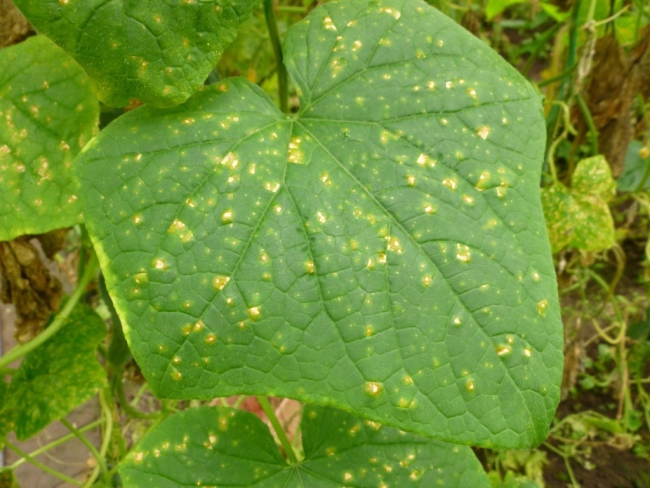
- a white coating appears on the leaves, which looks like small spots;
- A large cluster of pests can be found on the underside of the leaf blade. If disturbed, they will fly away. Finding larvae on plants is much more difficult than finding adults. This is because they resemble scales and have a yellowish-transparent color. They can also be found on the underside of the leaf.
- The leaves of affected plants begin to turn yellow. After some time, they fall off.
If an insect is detected on cucumber bushes, treatment should be initiated immediately. Otherwise, the insect will quickly multiply and overrun the plant, resulting in its rapid death. Aleurodidae can destroy large areas of vegetable crops, leading to significant yield losses.
Video "Pests on Cucumbers"
This video will show you how whiteflies harm cucumbers.
Life cycle of a pest
To know how whitefly spreads on cucumbers and how to destroy it, you need to know about its life cycle.
Adults first appear on cucumber plants. They are small, with a yellowish body and whitish wings. These wings are the distinguishing feature of adults.
Warm weather promotes rapid insect development. In the absence of natural enemies, insects reproduce very quickly. They lay small, oblong eggs on the underside of leaves. These hatch into larvae, which go through several developmental stages (often called instars):
- Larval stage. At this stage, the larvae are barely visible, difficult to spot even with a magnifying glass. The insects move around in search of a more comfortable location for several hours after hatching. Once they find one, they settle and become motionless. Their development is complete in 7-15 days. After this, the larvae stop feeding. Their flattened body thickens, and the pest enters the next stage of its development.
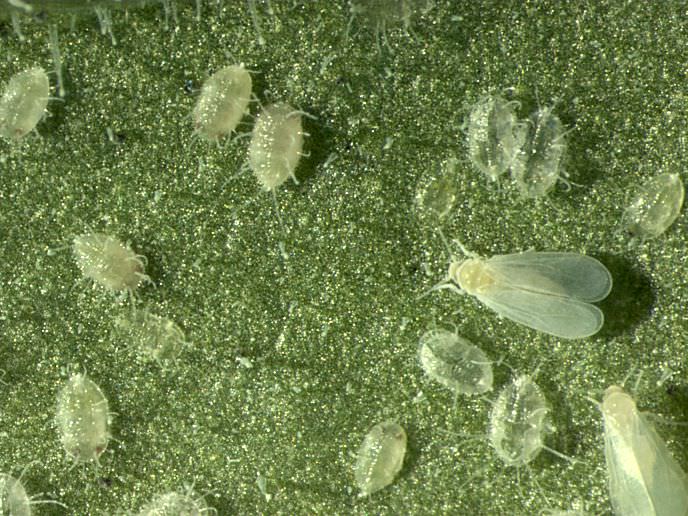
- The nymphal, or pupal, stage. During this stage, aleurodids are highly resistant to various medications. Therefore, control during this stage is futile. The insect remains in this stage for 10-16 days and then transforms into an imago.
- The adult stage, or imago. For some time, the imago remains on the leaves. They typically migrate upwards along the plant, as they are typically sedentary. If their numbers are small, the insects may remain in their breeding grounds for a long time.
It's worth noting that the duration of preimaginal development depends on the ambient temperature. At 12°C (55°F), the full life cycle is completed in 60 days, at 17°C (63°F), in 43 days, at 22°C (72°F), in 30 days, and at 27°C (80°F), in 22 days. The lower temperature threshold for the development of eggs, larvae, and nymphs is 7°C (45°F) to 11.5°C (53°F).
At each stage of their development, these insects feed on plant sap, secreting a sweet honeydew.
In open ground, egg laying occurs in the spring. However, in a greenhouse, this stage can occur at any time. It takes only 25 days for a generation to develop. During their one-month lifespan, females can lay approximately 130 eggs. In greenhouse conditions, these insects can produce up to 15 generations in a single year.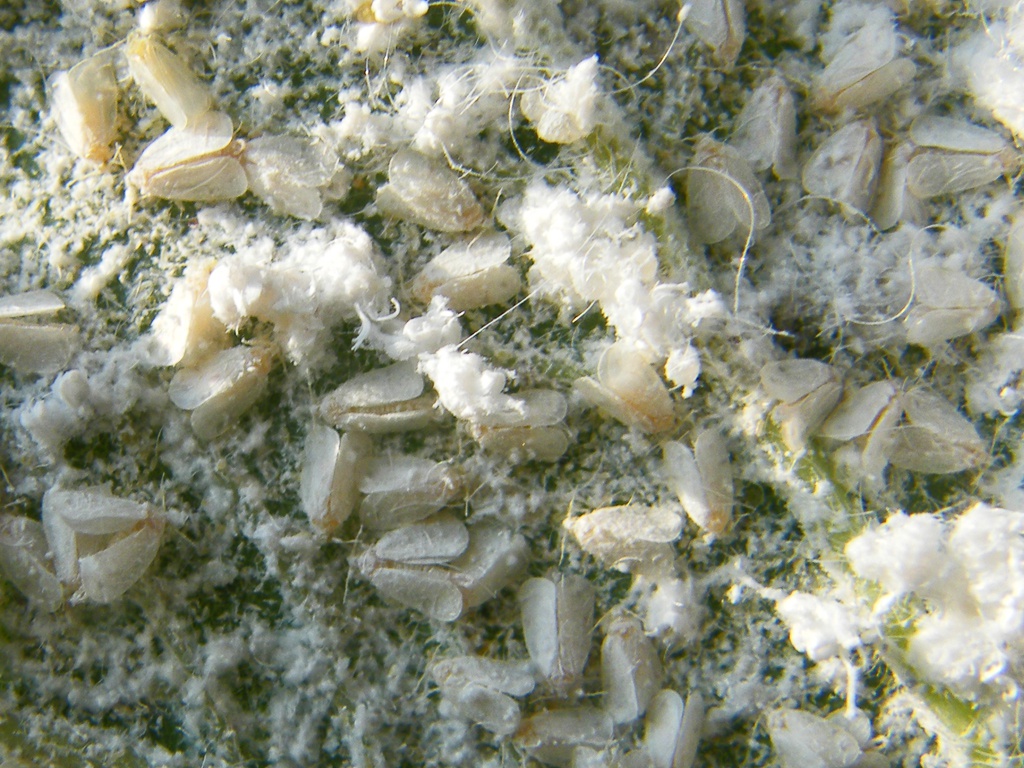
As we can see, these are quite prolific insects. Therefore, it's important to act quickly to combat them, otherwise you could lose your harvest.
Review of control methods
The most common question among gardeners is "how to combat whiteflies on cucumbers." The answer to the question "how to combat whiteflies on cucumbers?" can vary widely. After all, there are currently various methods for combating this pest. However, it's worth noting that controlling these insects, especially in advanced stages, is very difficult. This is because they are poorly responsive to any insecticides. Therefore, the best way to combat them is preventative measures. However, if this pest does infest your cucumber bushes, you can combat it in the following ways:
- mechanical;
- biological;
- chemical.
You can also use special sticky traps. Let's look at each control option in more detail.
Mechanical methods
Mechanical methods of whitefly control refer to manual methods. These can be carried out in several ways:
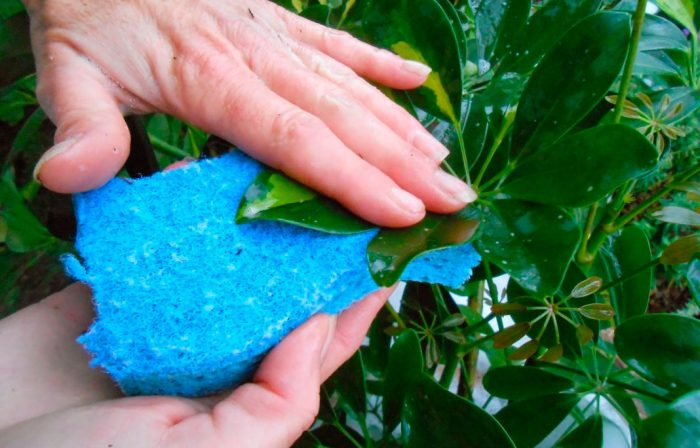
- The undersides of cucumber leaves can be washed with a soapy solution and then rinsed with clean water. Alkali is known to be quite effective in combating sooty mold, which develops on sticky honeydew. After this treatment, the leaves begin to "breathe."
- Manual removal of immobile larvae from infected leaf blades. This method reduces pest populations to levels that can be controlled by natural enemies of whiteflies;
- Using a small hand-held vacuum cleaner, you can collect adult insects. This procedure is recommended in cool weather or early in the morning. Under these conditions, adults are least active.
However, such control methods are not very convenient. Therefore, not every gardener will undertake to manually remove these pests from cucumber plantings.
Biological methods
If the insect population is small, biological control methods are quite effective. These are also called folk remedies, as they involve the use of special solutions and infusions. The most commonly used solutions for controlling aleurodids are:
- Dandelion tincture. To prepare it, grind 20 g of rhizome and 40 g of leaves. Add a liter of water and let steep for three hours. Spray the plants with the resulting solution. Cucumbers should be treated every 7 days for one month.
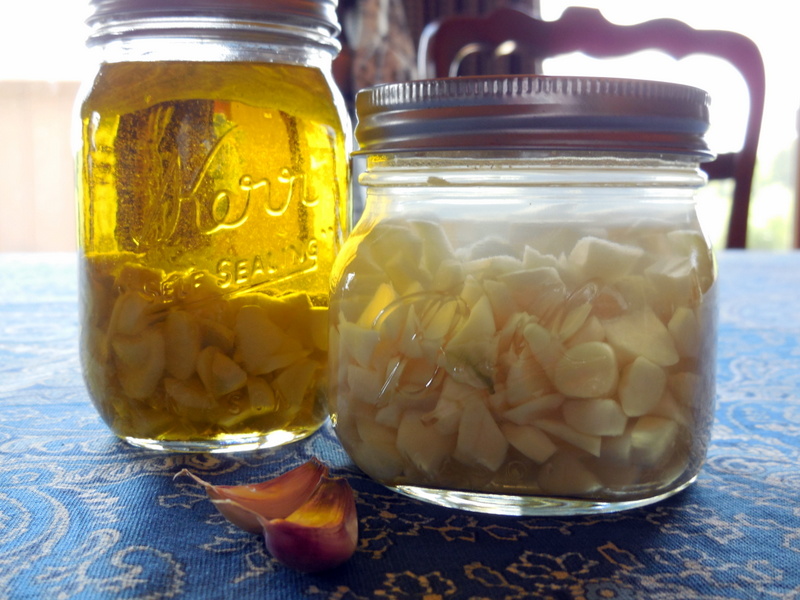
- Garlic infusion. To prepare this infusion, add 100 g of finely chopped garlic to 500 ml of water. Let the solution steep for five days. Before applying to the bushes, dilute 5 g of the garlic infusion in one liter of water.
It's worth noting that the natural enemies of whiteflies, which can control their populations, include the bugs Anthocoris, Orius, and Geocoris, as well as lacewings. Ladybugs are also considered their enemies.
Chemical methods
Using insecticides as a chemical control method against this insect can also destroy its natural enemies. It can also make your crop more toxic. Therefore, it's always important to be careful when using chemicals.
Today, there is a wide range of effective products that have proven effective in controlling these insects. These include products such as Actellic, Verticillin G, Fufanon, Confidor, and others. Due to their toxicity, such solutions must be handled with care. Before use, be sure to read the instructions and dilute the products in the specified proportions.
It's worth noting that chemical control methods are most effective in the early stages of plant infestation. In the presence of large numbers of insects, as well as during certain periods of their life cycle, such treatments will be ineffective.
The above preparations can be applied either under the root or used as a spray.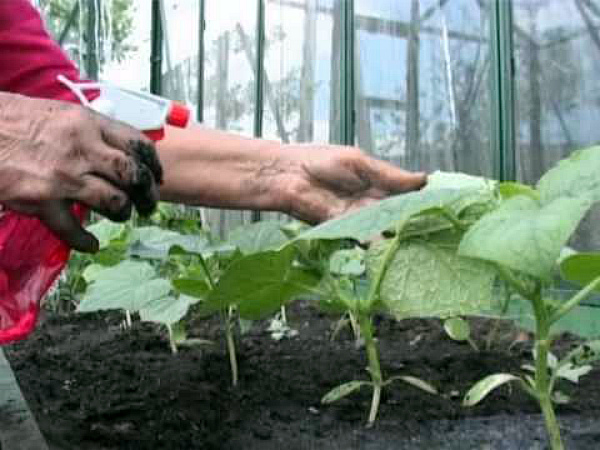
Many gardeners note that the effectiveness of chemical treatments can be increased by adding a small amount of shampoo or soap. The number of sprays and the time intervals between them may vary depending on the type of treatment used.
How to make a trap?
Another fairly effective way to combat whiteflies is to use a trap. You can make one yourself using the following step-by-step instructions:
- First you need to buy plastic and paint it orange-yellow;
- After this, it must be coated with entomological glue. To create a sticky surface, you can use homemade glue. It is made from mineral oil or petroleum jelly, as well as household detergents. All components of the glue are taken in a 1:1:1 ratio. This homemade glue can be easily washed off with water or soap.
- Then we install the lighting. It should be placed directly on the plastic, which was previously suspended at the level of the tops of the cucumber bushes.
In about an hour, such a simple trap will collect up to 80% of all whiteflies present on the plantings. 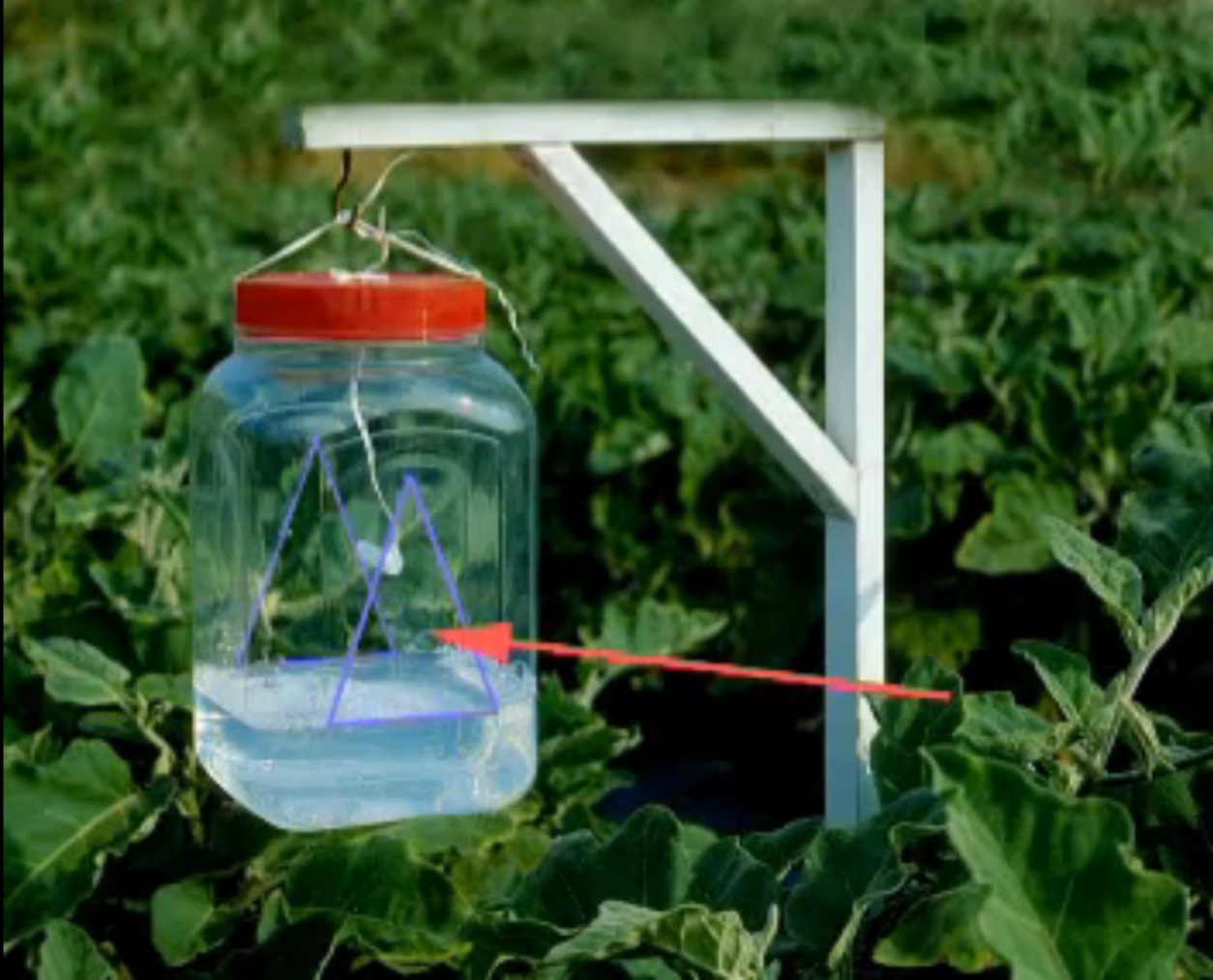 To consolidate the success, it is recommended to set a second trap at night, which is made as follows:
- Take a box and drill a hole in it. It should be level with the light bulb. Place the light bulb inside the box.
- the light bulb must be painted orange-yellow;
- We place a container of water at the bottom of the box under the light bulb.
This trap works like this: insects gravitate toward the light at night and enter the box, where they fly, burn themselves on the light bulb, and fall into the water. Since they can't swim, they drown.
These traps can be easily made at home from plexiglass or plywood. To ensure maximum effectiveness, they need to be cleaned periodically to remove any debris or pests. They should be placed with the sticky side facing the cucumber plants. They should be protected from direct sunlight.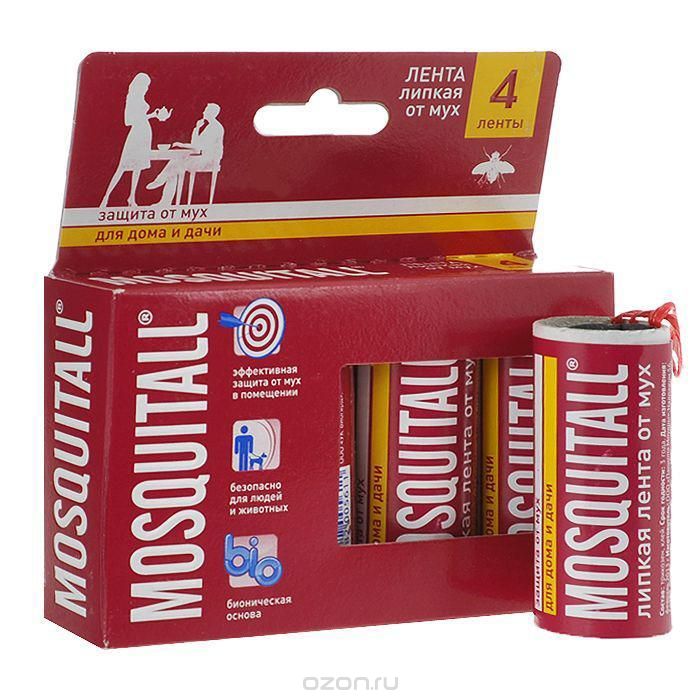
When growing cucumbers in greenhouses, you can use regular sticky fly tape to control whiteflies.
Prevention
Since control methods for whiteflies aren't always effective, the best solution is to prevent them from appearing. This requires properly organized preventative measures. Whiteflies usually enter the garden through infected seedlings. Therefore, be sure to inspect seedlings for larvae, nymphs, and adults before purchasing.
To minimize the risk of infestation of cucumber bushes by this insect, the following rules and recommendations should be followed:
- Every year, it is necessary to disinfect the soil. This procedure is usually performed after harvesting the fields;
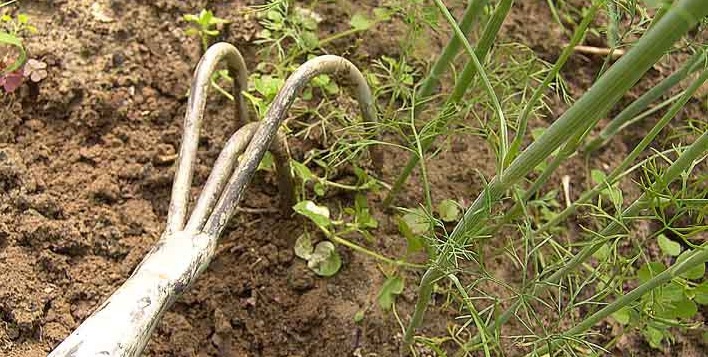
- periodic weeding and removal of weeds on which pests can settle;
- In winter, greenhouses and hothouses need to be frozen. To do this, simply open the windows and doors. The parasite dies at temperatures below -12 degrees Celsius.
Whiteflies are a difficult pest to eradicate, affecting not only cucumbers but also other vegetable and fruit crops. Therefore, a bountiful garden harvest depends directly on the effectiveness of preventative control methods. Remember, if pests are detected, they must be destroyed immediately. Otherwise, a good harvest is a distant memory.
Video: "Cucumber Prevention"
This video will show you how to prevent whiteflies from appearing in your garden.