
How and with what to spray cucumbers against diseases?
Content
Cucumber diseases
Experienced vegetable growers know that to get a great cucumber harvest and protect the plants from disease, it's enough to follow simple growing rules: maintain a constant temperature, water the cucumbers regularly with warm water, fertilize the plants, and remember to get rid of weeds. But if you still can't prevent this insidious disease, then it's important to know your enemy.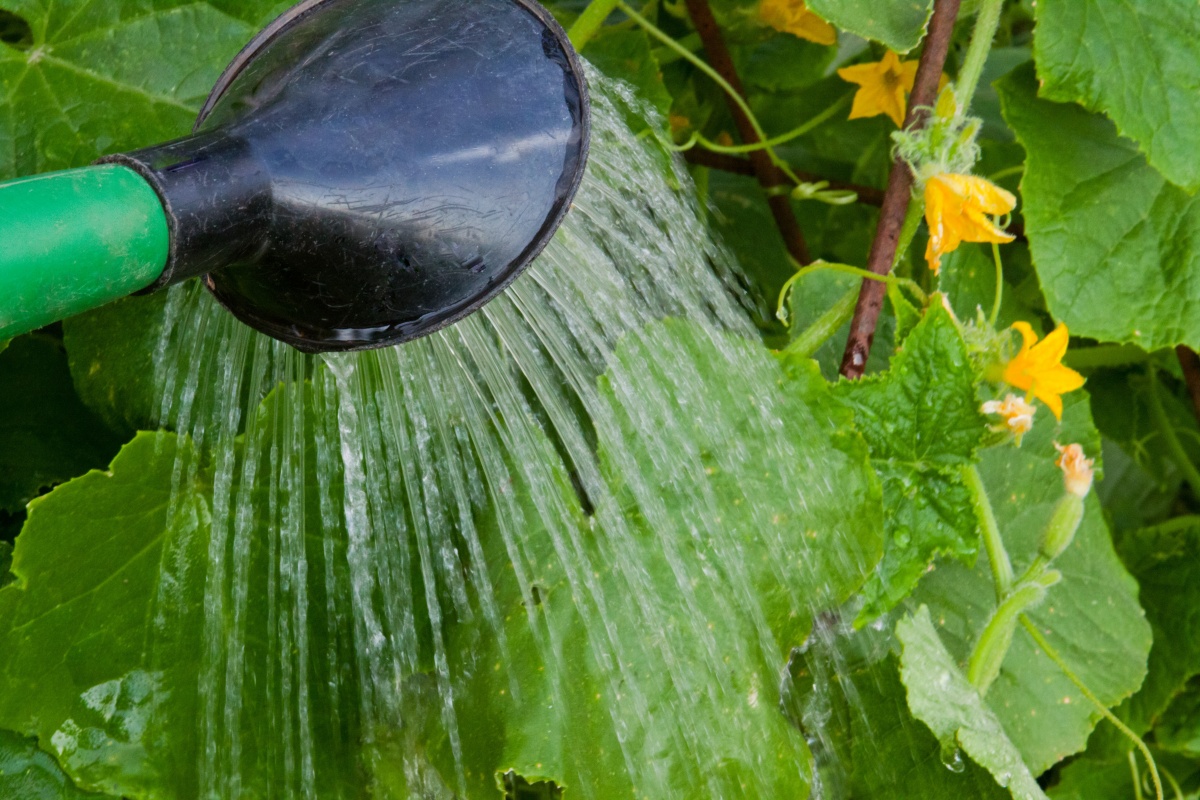
Powdery mildew tops the list of diseases that affect cucumbers and tomatoes equally. It attacks plant leaves, causing numerous whitish or yellow spots to appear. If cucumbers aren't sprayed promptly, the disease quickly spreads throughout the entire garden, threatening to destroy the entire future harvest, not to mention preventing fruit set.
Downy mildew is no less dangerous for crops. It kills plants, but instead of leaving light spots on the leaves, it turns them dark yellow or brown. This disease affects cucumbers and tomatoes grown in greenhouses, as it occurs as a result of excessive moisture.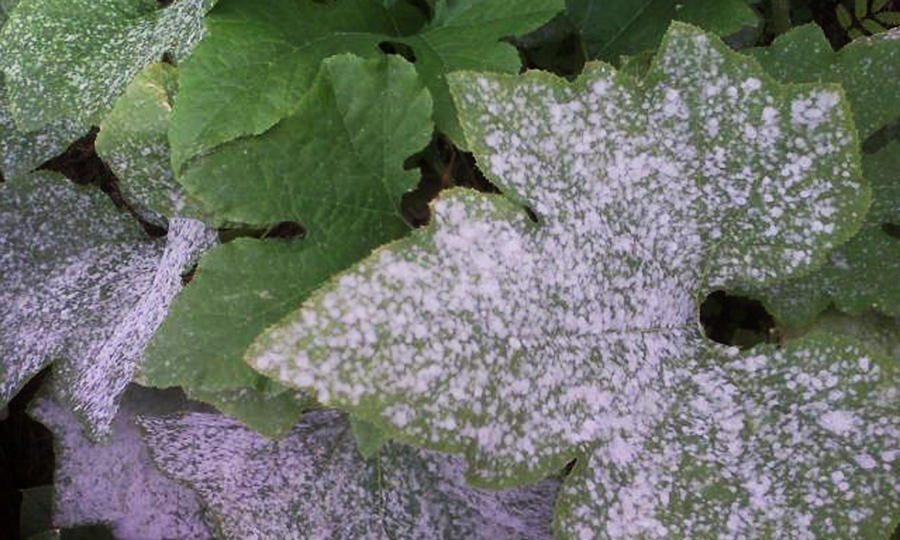
The next ailment to watch out for is gray mold, which first appears on the stems and affects the leaves of cucumbers, subsequently covering the ovaries or fruits with a characteristic gray, putrefactive coating. This is caused, once again, by overwatering. Also familiar to gardeners is white mold, a fungal disease that coats the stems, leaves, fruits, and even the roots of the plant with a light, putrefactive slime, gradually destroying the crop. Another fungal disease that equally affects tomatoes and cucumbers is root rot. Caused by significant temperature fluctuations, this disease quickly covers the leaves with large, brown spots, leading to root rot and death of the plant.
Watering cucumbers with cold water can lead to the development of olive spot, a disease that affects the fruit, covering them with slimy ulcers. And the last common disease, widely known among gardeners, is the insidious copperhead. Predicting the progression of this disease is very difficult; it is caused by poor-quality seeds or the presence of fungal spores in the upper layers of the soil.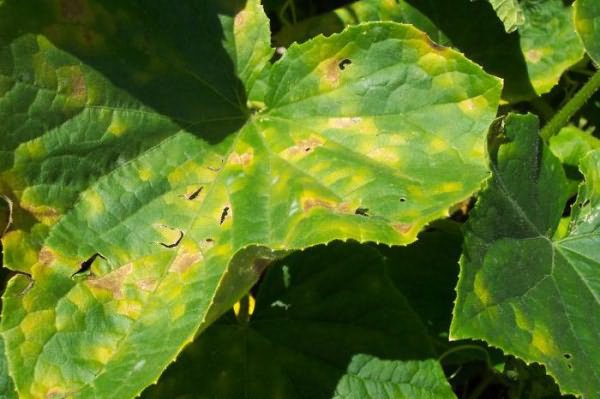
Video: "How to Combat Cucumber Diseases"
The video presents methods for combating powdery mildew and whitefly.
What to spray with
The list of diseases certainly seems daunting. But don't despair prematurely; any of these problems can be overcome, provided you know what remedies will help you on your way to victory. For example, a solution of mullein or colloidal sulfur can help combat powdery mildew in its early stages, and during the flowering period, a one-percent solution of Bordeaux mixture is excellent; this same remedy can also combat copperhead.
If you notice the first signs of downy mildew, feed your cucumbers with milk: mix 9 liters of water with milk, adding 10 drops of iodine to the solution. The resulting mixture should yield 10 liters of the finished product.
If cucumber leaves are affected by gray mold, spray them with specialized products, such as Fitoverm. A slaked lime solution will help get rid of white mold. If cucumbers or tomatoes are affected by root rot, spray them with a copper sulfate solution. To combat olive spot, treat cucumbers and tomatoes with an Oxychom solution every two days.
Cucumber processing technology
Modern agriculture has specialized products for each disease or as a preventative measure against insect pests, while many farmers prefer to rely on traditional methods, such as applying milk to combat powdery mildew or treating ovaries and leaves with red pepper infusion to get rid of aphids. However, there are general rules that should be followed when performing any gardening tasks:
- Avoid over-watering the soil or allowing humidity levels in the greenhouse to rise. This will almost certainly lead to the development of fungal diseases or encourage the appearance of aphids;
- Be sure to regularly loosen the soil in the beds where tomatoes or cucumbers are grown. This will minimize the risk of attack by aphids or other pests that live in the upper layers of the soil and primarily affect the lower leaves, and only then the ovaries;
- Promptly remove any leaves and even ovaries that are clearly affected by diseases or aphids. While this may not stop the disease process, it will certainly slow it down and buy time for effective measures.
- Don't forget to maintain the temperature and optimal humidity levels in the greenhouse - many diseases arise due to failure to comply with this condition, and for the same reason, aphid colonies and other pests rapidly develop;
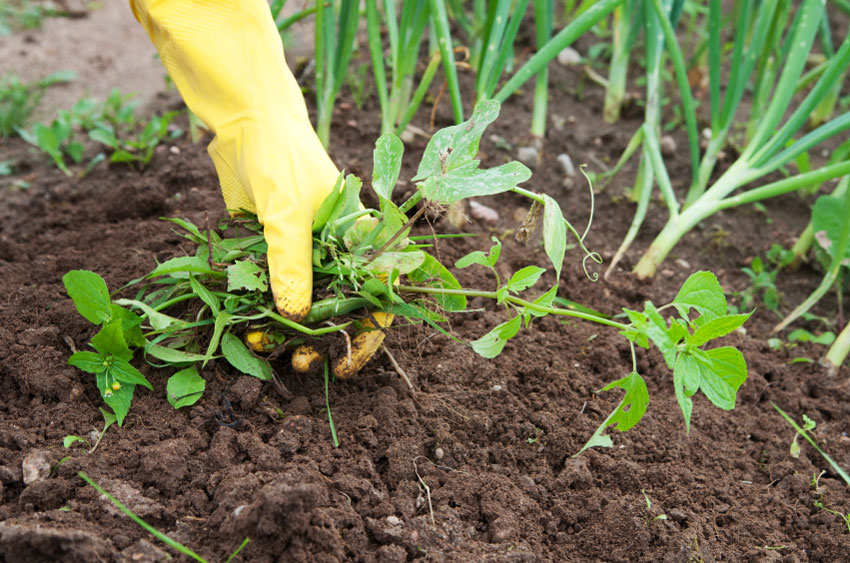
- Remove weeds promptly – they help retain excess moisture, serving as a temporary haven for many pests.
On the fight against diseases and pests
We've already mentioned how to combat vegetable crop diseases, so let's focus on pests. The most common and, therefore, dangerous are seemingly harmless insects such as whiteflies, spider mites and entire colonies of aphids. Affecting the entire plant – both leaves and ovaries – they very quickly lead to the death of the crop, putting the entire harvest in doubt.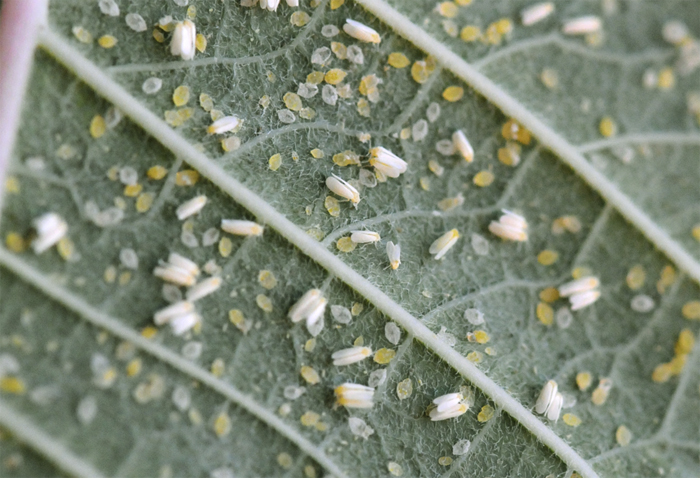
The safest way to combat whiteflies is to "wash" the plants, including the buds, as soon as signs of the pest's presence are barely visible, while avoiding overwatering the beds. Another scourge of gardeners, difficult to avoid, is aphid infestation. Affecting not only the buds but the entire plant, aphid colonies pose a real threat, threatening to completely destroy the beds. A common method for getting rid of aphids is spraying the plants with a red pepper infusion: 30 grams of pepper and 200 grams of tobacco dust should be steeped in 10 liters of hot water. After the mixture has completely cooled, add 2-3 tablespoons of soap, and spray the beds with the resulting mixture. Insecticides such as Fitoverm or Agravertin will help get rid of spider mites.
Love your garden, take care of your beds with love, and then you won't have to worry about any pests or diseases!