
The main diseases of cucumbers and methods of their treatment and prevention
Content
Powdery mildew
Powdery mildew is the most common disease affecting cucumber leaves. It appears as a powdery, whitish coating covering the entire leaf surface and stems. If ignored, the disease spreads to the entire plant, causing the shoots to turn yellow and eventually die back completely. This disease is caused by a fungal microflora and often leads to plant death.
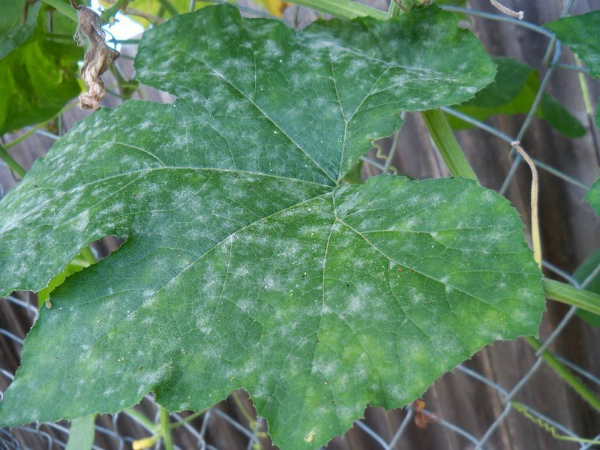
Powdery mildew's "harvest" season occurs during cloudy, cool periods, when air temperatures do not exceed 18-19°C. It survives the winter well, so it can persist on unharvested garden plants, only to migrate to neighboring plants in the new season.
Cucumbers with excess nitrogen are most susceptible to powdery mildew, especially if they are watered irregularly. Therefore, by allowing the soil to dry out and then fertilizing cucumbers with a large dose of nitrogen-containing fertilizer the day before, you expose your plants to the risk of powdery mildew.
Disease prevention is all about being proactive. Avoid planting cucumbers in the same spot two years in a row; rotate them around the garden so they return to their previous location at least 3-4 years later. After the fruiting period is over, remove the plants completely from the garden beds. Greenhouses and open-ground plots should be treated immediately after harvesting. Air temperatures (especially in greenhouses) should not fall below 24-26°C to avoid creating a favorable environment for fungal growth. Use warm water for irrigation, avoiding sudden changes in soil temperature. Regular treatment of crops with fungicides will give powdery mildew no chance.
At the first signs of disease, treat the plants with antifungal agents, such as Topsin-M or Topaz. Dissolve 2-3 milliliters of the chosen agent in 10 liters of warm water and spray the bushes. It's best to carry out this procedure on calm, dry days.

To combat powdery mildew infestations, use the proven copper oxychloride. Add 40 grams of copper oxychloride to 10 liters of warm water and then begin spraying.
During flowering or fruiting periods, the use of chemicals is highly undesirable, so you can use:
- mullein tincture (1 kilogram of raw material is soaked in 3 liters of water for 3 days, then diluted in another 3 liters of water before use);
- whey (1 liter of sour milk is mixed with 1 liter of water and filtered);
- soda-soap solution (mix 50 grams of soda with 50 grams of laundry soap, dilute in 10 liters of water).
Remember to remove infected areas of the plant before spraying.
Downy mildew
The disease appears as light, slightly yellowish or white spots across the entire leaf surface. After some time, the affected areas begin to turn brownish and then dry out. The main danger of downy mildew is that it can appear at any stage of the plant's life.
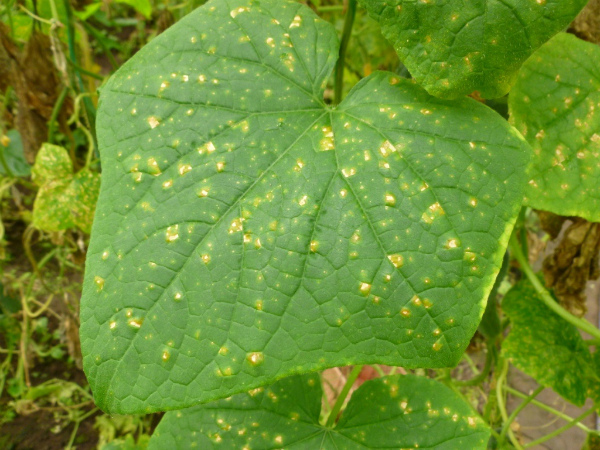
Downy mildew is a fungal disease that thrives in high humidity conditions. This is facilitated by both overwatering and overcrowding.
To prevent downy mildew, regularly thin out, tie, and pinch cucumber shoots. Of course, you shouldn't plant cucumbers in the same spot two years in a row. At the end of the season, remove the plants completely. Avoid watering with cold water. Overwatering is generally unacceptable. Also, regularly spray with fungicides or whey.
If the disease is detected, stop watering, avoid fertilizing, and pinch out the plants. As a first aid measure, treat the plants with a polycarbicin solution, Bordeaux mixture, or copper oxychloride. You can also use products such as "Ordan" and "Ridomil." During treatment, maintain a stable temperature in the greenhouse, around 25°C. When growing cucumbers outdoors, cover them with plastic.
Brown spot
Cucumber diseases typically appear first on the leaves and stems of plants, and brown spot is no exception. The disease is characterized by the appearance of greenish-brown ulcers on the stems of plants. Over time, the spots enlarge, and the leaf itself darkens.
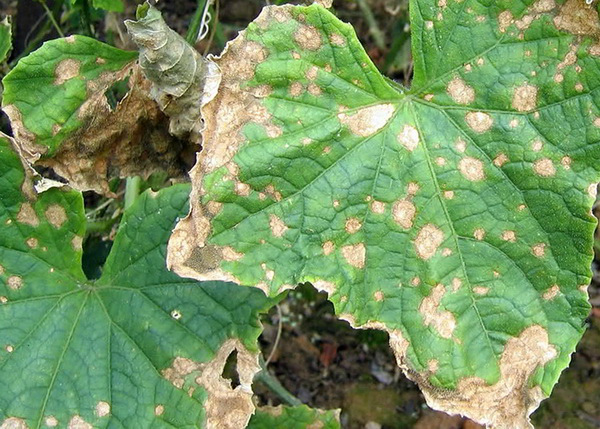
The problem is that brown spot affects the entire plant. The disease actively develops and spreads in cool weather when air humidity increases, such as during heavy rainfall. It is often triggered by sudden temperature changes, such as unexpected overnight frosts. Rain, wind, and contaminated soil facilitate its spread. Brown spot overwinters on plant debris and in the soil. The fungal spores are frost-resistant.
To prevent cladosporiosis, replant cucumbers annually, and be sure to disinfect the soil before planting. Ventilate the greenhouse and maintain a stable temperature. Cover the beds in open areas with plastic if frost is expected. At the end of the fruiting period, after harvesting, be sure to remove both the above-ground and underground parts of the plants.
If you notice brown spot on your plants, stop watering for at least 5 days. Try to stabilize the air temperature at 20-24°C to create unfavorable conditions for the fungal spores. Plants should be treated with fungicides, Bordeaux mixture, copper oxychloride, or Oxychom. Be sure to remove any actively affected plants from your garden beds to prevent them from spreading the disease to neighboring plants.
White rot
Fungal diseases are a real scourge of cucumbers. One of these, white rot, tends to spread across the entire plant. Symptoms include whitish spots that darken to black over time, the bush becomes covered in a thick whitish coating, becomes slimy, soft, and eventually rots.
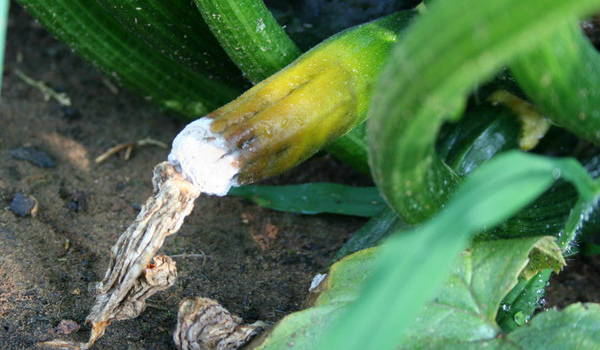
The root of the problem is the activity of the sclerotia fungus, which survives the winter well and develops very quickly. What's most unfortunate is that it spreads in moist soil and high air humidity.
As with previous diseases, white rot can be prevented by regularly thinning the plantings and replanting the cucumbers annually. It's crucial to avoid overwatering the soil, ventilate the greenhouse daily, thin out the leaves, and provide fresh air to the beds. After harvesting, be sure to remove the plants from the soil and treat it with antiseptics and fungicides.
Treat the disease by removing the infected parts and treating the cuts with ash or lime. In cases of extensive infestation, you'll have to completely remove the bush from the garden bed, as otherwise, you won't be able to cure the plantings. Treat the bushes with any fungicide, then apply a curative fertilizer (dilute 10 grams of urea, 1 gram of zinc, and 1 gram of copper sulfate in 10 liters of water).
Gray mold
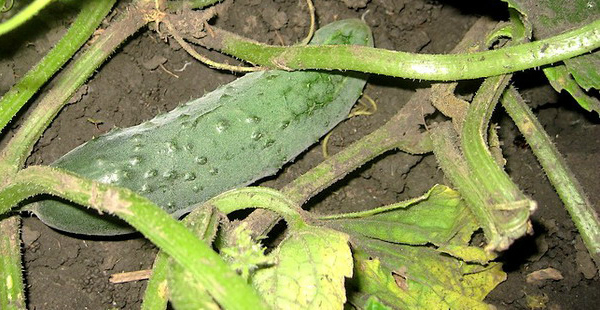
Gray mold is characterized by brown spots covered with a gray coating. It affects the entire plant, so action must be taken decisively and without delay. As with all fungal diseases, gray mold thrives in overly wet soil and when air temperatures drop.
Prevention is the same for all fungal pests: avoid overcrowding the beds, remove plants from the soil at the end of the season, and rotate the cucumbers' locations each year. And, of course, regular treatments with fungicides or whey are essential for controlling them.
Fungal diseases of cucumbers and their treatment are largely identical. Affected plants should be treated with a fungicide with active ingredients against gray mold; "Rovral" and "Bayleton" are suitable. Reduce or completely stop watering the plants while treating with antifungal agents. All infected plants should be removed.
Root rot
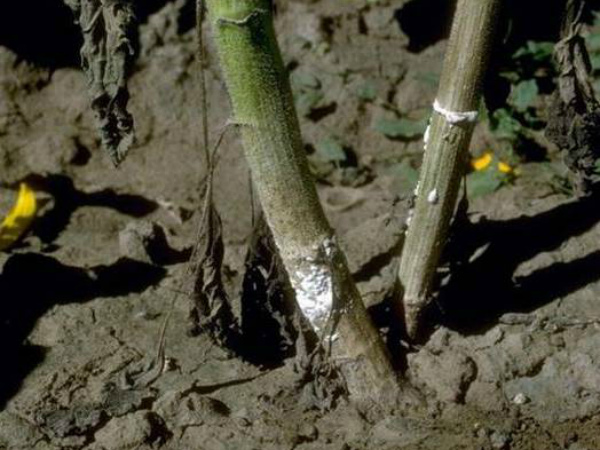
Root rot is noticeable to the naked eye by the wilting of the leaves. The plant dries out, and if you examine the roots, they'll turn red and crumble. Unlike the previous diseases, root rot thrives in high temperatures, insufficient soil moisture, or excessive watering with cold water.
The motto for combating root rot is "no more dense plantings." You can prevent the disease's harmful effects by avoiding watering your bushes with very cold water, especially during hot periods, and by treating your plants with fungicides every 2-3 weeks.
In the case of root rot, stimulate the development of the cucumber root system. Add fresh, fertile soil to the beds, trim off the lower leaves, and bury the stems in fresh soil. For the next 10 days, irrigate the soil around the plants with warm water. Use a yeast solution. Dried out plants will need to be removed from the soil and treated with antiseptics (such as iodine solution) and fungicides.
Copperhead
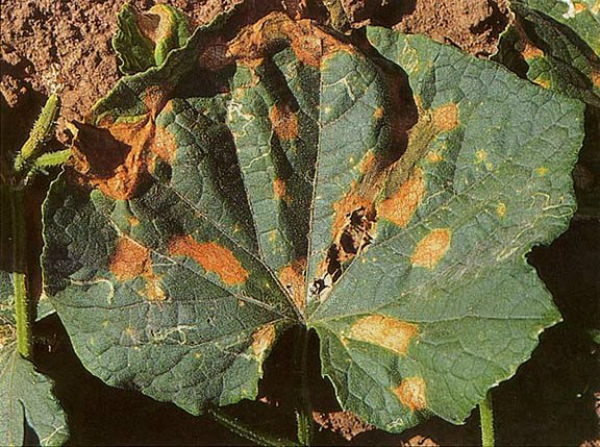
Brown mosaic on cucumbers, causing the plant to dry out and the fruit to become covered in wet sores, is a sign of copperhead infestation. Copperhead often progresses and develops on infected seeds that were not roasted or treated before planting. The fungus also overwinters easily in the upper layers of soil. Copperhead is activated by fluctuations in air temperature or excessive watering with cold water.
Preventative pest control involves several approaches. First and foremost, replant cucumbers annually or replenish the soil. Once the harvest is complete, remove the plant from the soil. Avoid using seeds from infected plants; be sure to treat them before planting. Pests take advantage of your inattention, so to combat them, you must always be vigilant.
To treat, use a 1% Bordeaux mixture and spray the bushes weekly. Infected sections of the bush should also be removed and the cuts sealed with copper sulfate or lime. Copper sulfate can be applied to the soil after harvesting to kill the fungus.
Video: "Methods for Controlling Cucumber Diseases"
This video will show you some simple and effective techniques to help you effectively manage various cucumber diseases in your garden.