
Anthracnose in cucumbers: description of the disease, control measures and prevention
Content
Description
The first signs of the disease appear while the seedlings are still growing. Sunken, brown spots appear on the roots. Anthracnose usually manifests itself on the leaves. On these parts, the disease manifests itself as yellow or brown spots. These spots are usually located at the edges of the leaves. If the infection is severe, these spots merge into one large spot. The size of the spots usually varies greatly. Sometimes, the spots form numerous, distinctive cracks. The affected leaves are practically lifeless.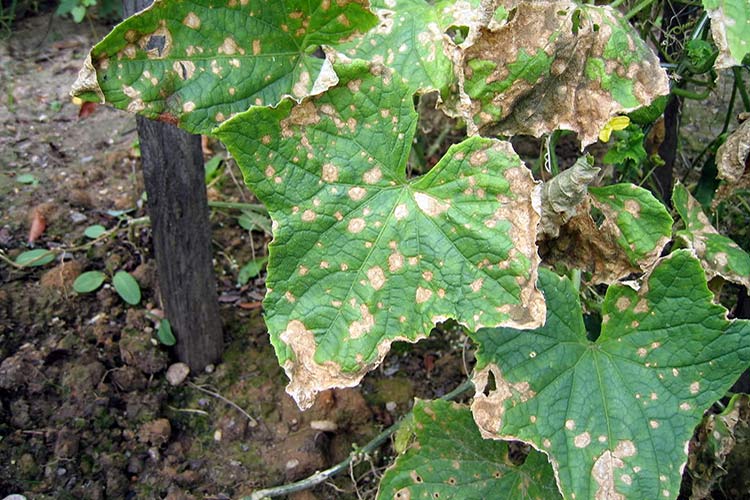
Stem lesions resemble the spots on the leaves. Affected shoots usually break, and the infection spreads along the stem. Eventually, the entire plant dies.
Affected fruits have long, sunken, brown spots on their surface. These spots vary in size. The fungus that causes anthracnose penetrates the soft tissue to a depth of 0.3 to 0.4 centimeters.
All diseased areas of the fruit are sites of fungal spores. They appear as pale pink cushions that merge into a continuous coating. But they can also be located on the surface of the plant in the form of circles.
The disease manifests itself in plants as a result of infection by a pathogenic fungal microorganism. It shows signs of activity within a temperature range of 4°–30°C. Humidity levels should be high (at least 9%). The incubation period for the disease lasts, on average, up to a week.
Video: "Causes of Cucumber Diseases"
This video will tell you about the main causes of cucumber diseases.
Symptoms
Signs of the disease can be seen on the leaves, shoots, and fruits of the plant. Symptoms first appear on young plants when growing seedlings. During this period, brown spots are observed around the roots, and on mature plants, they appear on the leaves. Seedlings often die due to the formation of ulcers on the stem. This symptom resembles non-infectious fractures in young plants. The main difference is that this fracture occurs as a result of improper growing practices.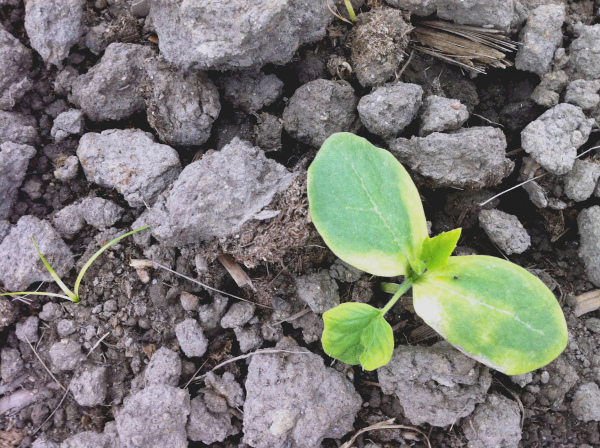
Anthracnose affects leaves and stems with spots ranging from a few millimeters to several centimeters in diameter. Often, several spots merge into one, forming a huge brown blotch. The affected leaf often tears. In greenhouses, affected areas of the plant fall out, forming round holes. In open ground, the leaves develop slit-like holes rather than round ones. If the disease is left untreated, the pathogenic fungus attacks the cucumbers, causing elongated brown or pink spots of varying sizes to appear.
How it spreads
The pathogenic fungus or its spores remain in the remains of affected crops or in the form of mycelium on seeds obtained from infected fruits.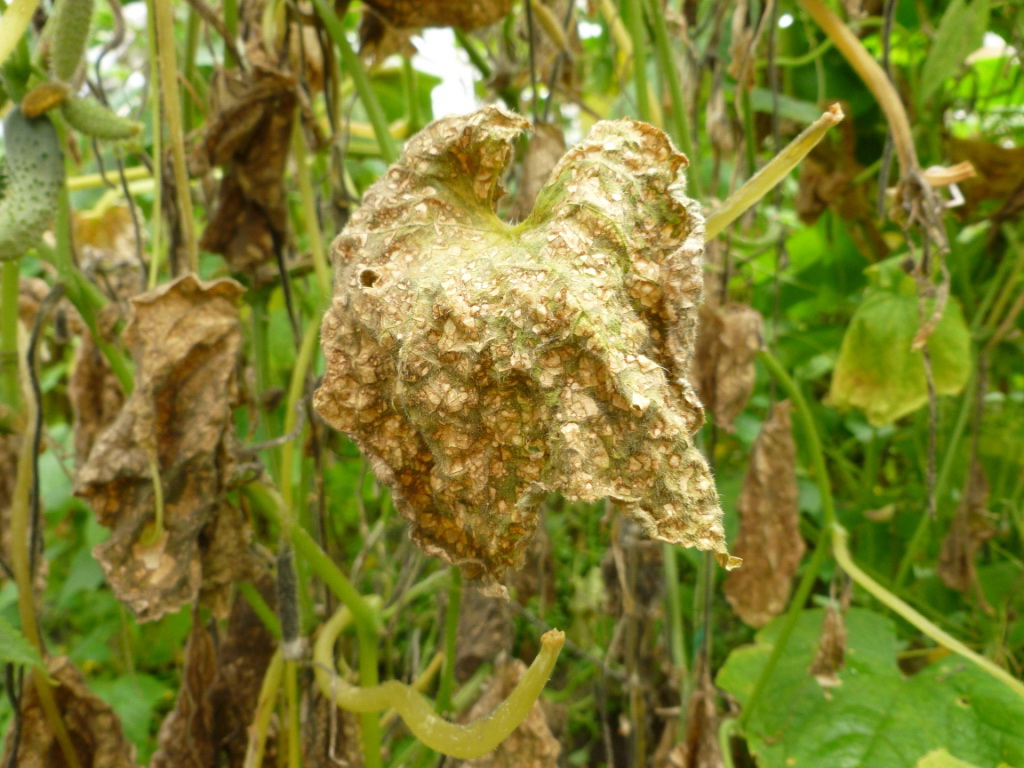
Arthropods and water are responsible for the spread of this destructive pathogen. When plants are wet, water washes away the conidia, causing the disease to spread to other nearby plants.
Control measures
Effective methods for preventing anthracnose include removing crop residues, rotating plants during planting, deep tillage, and pre-sowing seed treatment. The most commonly used seed disinfectant is Thiram. Seeds can also be treated with Immunocytophyte before planting. Infected seedlings should be removed immediately.
Greenhouses and their soil should be regularly treated. Fertilizing the soil with organic fertilizers or bio-preparations will also have a positive effect.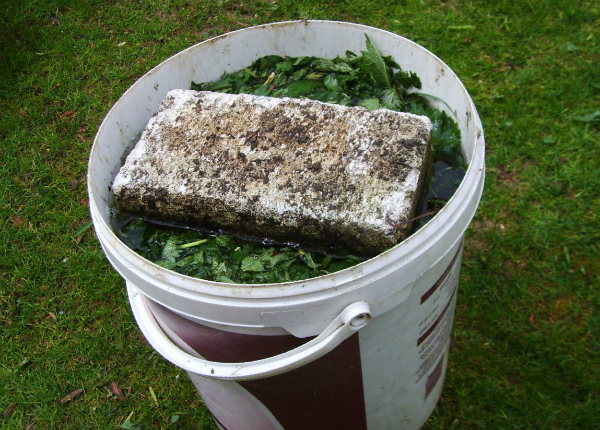
To slow the spread and progression of the disease, measures aimed at reducing air humidity should be taken. Additionally, cucumber crops should be treated with fungicides. The most commonly used are Quadris and Abiga-Peak.
Treat plants with sulfur-containing substances, Bordeaux mixture, and copper oxide chlorine suspension. Watering plants and seedlings with a Bordeaux mixture solution at a concentration of up to 1% is most effective. First, thoroughly moisten the soil with the solution, then water the roots and base of the plant stems with a watering can. Use about a liter of the prepared liquid mixture per plant.
Prevention
Preventive measures include the removal of all organs of last year's plants, adherence to all crop rotation rules, obtaining seeds only from healthy fruits, cultivating the soil and greenhouse structure, and adding biological and organic fertilizers to the soil.
Biological agents are effective in combating anthracnose. For example, soaking seed in a solution of bacteria isolated from cucumber and other cucurbitaceous plants has been shown to be effective. This method has been shown to reduce the incidence of diseased plants by eightfold and increase yields by tens of hectares.
Chemicals are used to treat seeds several weeks before planting. TMTD or Immunocytophyte are often used.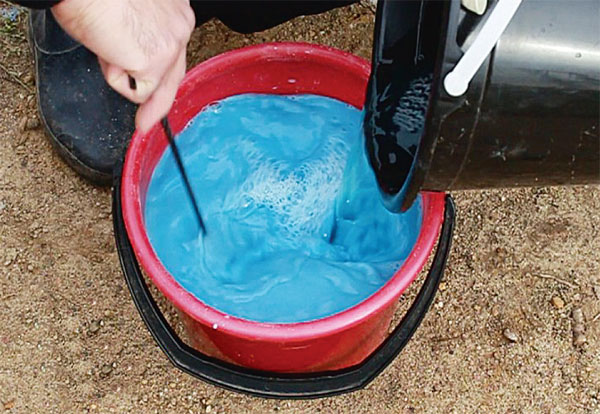
Anthracnose, which appears on the roots of the crop, can be controlled by watering the plants with a 1% solution of Bordeaux mixture or a 0.5% solution of Abiga-Peak. To do this, thoroughly moisten the plants with water and only then apply the solution. The majority of the solution should reach the roots, with only a small amount reaching the stems. Approximately one liter of solution is required for each plant. The treatment can be repeated several times as needed. Care should be taken to avoid contact with the leaves when watering. Removing the leaves is even possible. After two weeks, the organs recover, and fruiting begins again. If symptoms of the disease appear, treat the plants with a 1% solution of Bordeaux mixture and copper chloride oxide.
Instead of copper-containing substances, it is acceptable to use a 0.3% solution of Thiovit Jet or colloidal sulfur. Spraying plants with Quadris and Strobi also produces good results.
So, cucumber anthracnose is a dangerous disease. However, today it can be successfully controlled, preserving most of the harvest.
Video: "Cucumber Care"
From the video you will learn how to properly care for cucumbers.