
Gardening for the Lazy: Tips and Advice for Beginners
Content
What is a lazy smart garden?
The gardening routines that follow one another at the dacha from early spring onward, alternating between the garden and vegetable patch, sometimes even piling on all at once, are endless. It's a routine long familiar to people. And while time spent has been reduced thanks to new technology, the procedures remain the same. Constant weeding, hilling, weed control, and so on take up all precious time. And fertilizers and chemicals for disease and pest prevention and control are expensive.
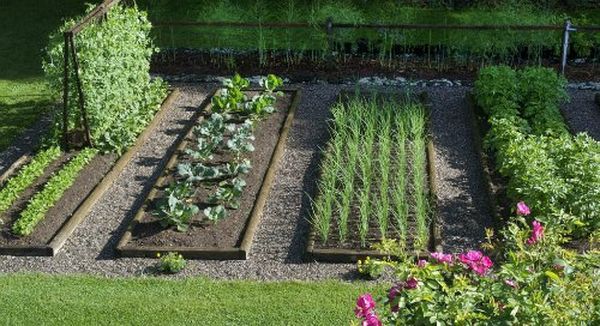
Is it possible to have a well-maintained garden without a number of previously mandatory procedures? No, both novice and experienced gardeners will say. And they would be wrong. Creating "lazy smart beds" presupposes the absence of procedures such as digging the soil, systematic loosening (especially after rainfall), weeding and weed control, frequent regular watering (reduced to the bare minimum), and the use of pesticides and herbicides.
Such a bold statement may evoke a degree of skepticism among long-time gardeners. However, don't be afraid to experiment—practice shows excellent results. Furthermore, doing nothing at all won't work. The new technology includes a number of other useful procedures, the use of which will make gardening easier each subsequent year:
- reduction of the area to be processed;
- mandatory mulching;
- planting of well-compatible crops in one zone;
- re-seeding;
- planting green manure.
"Smart" garden beds for the lazy are well-organized spaces that can be raised or enclosed, creating optimal conditions for plant growth and development. The main rule is to use the area to maximum advantage and plant together.
Video: "Where to Start in a New Garden"
This video will show you how to properly organize a vegetable garden and where to start in a new area.
Planning a vegetable garden
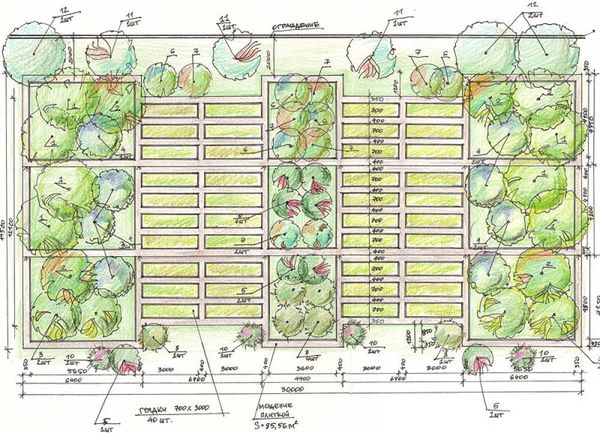
First of all, it's essential to plan the space rationally. A vegetable garden often takes up a large area, requiring a great deal of labor, but as a result, the excess harvest is simply wasted or wasted. Therefore, we recommend starting with a proper layout.
We calculate the area of the beds
To determine the amount of available soil to use for your garden beds, you need to determine how much of what you plan to grow. Use last year as a guide: approximately how much you consumed fresh produce, how much was used for preserves and canning.
One of the advantages of a smart garden bed is the ability to predict the future harvest in advance. All calculations are empirically verified and presented in special tables.
To begin, it's recommended to plant half the amount indicated in the tables. After the first trial, the area, and consequently the number and variety of plantings, can be increased.
To calculate how much space you'll need for each individual crop, divide the desired yield (in kg) by the average yield for each individual plant species. Then, adding up all the results, you'll get the total area of the entire bed.
Orientation to the cardinal points
When planning the layout, be sure to consider the level of light. Some crops prefer sunny spots, others lightly shaded, and still others thrive in the shade. However, avoid allocating a large area to shaded areas; it's better to use it for an artificial pond or a recreation area.
You can also apply the "proximity to the room" principle: place beds with berries and vegetables closer to the house, and root crops and grains further away.
There's a secret for gardening novices: a bountiful harvest is guaranteed if your vegetable garden faces north-south. Trellis for climbing vegetables should also face north-south.
The right choice of plants
Garden beds are easy to build yourself, and you can use readily available materials: stone, brick, vines, metal, slate, and boards. The much more difficult part is choosing plants that not only don't interfere with each other's full development, but also complement each other.
Geographical features
For a lazy garden, you need to select plants that are native to the region. Only then will the crop yield a good harvest with minimal input. After all, what produces wonderful fruit in eastern Ukraine will be lost in the Urals or Siberia. And for exotic plants, only greenhouse cultivation is suitable. It's best to focus on crops grown nearby.
The right neighborhood
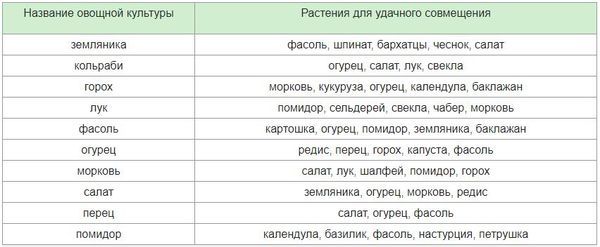
People often wonder why, despite proper care, a plant not only fails to produce the expected results, but also withers and dries up. It all comes down to choosing the right neighbors. For example, good neighbors for cucumbers include legumes, peppers, and cabbage. Strawberries will thrive among low-growing spinach, lettuce, and beans.
Experienced gardeners know that beans grown near potatoes help reduce the Colorado potato beetle population, and marigolds reliably protect cabbage from the pest.
Resistance to diseases and pests
Invest time and money in choosing disease- and pest-resistant crop varieties for your garden. This choice will save you money and effort in eliminating the negative consequences of their impact. Furthermore, reducing the number of treatments will have a positive impact on the quality and quantity of fruits. Consider hybrid varieties, which have significantly improved characteristics.
Tips for caring for plants in the garden and vegetable garden
If desired, you can combine a small "lazy" garden and a "smart" vegetable garden. However, they should be positioned so that trees and bushes don't shade the plants in the beds. The remaining maintenance procedures are nothing new.
Moisture conservation and weed control
Solving two problems in one procedure is easy! Mulching with straw or sawdust will not only retain moisture longer but also protect young seedlings from sudden temperature changes. Any natural material can be used as mulch, from grass to finely chopped bark. Mulch will also block the sun from weeds and prevent them from growing upward.
Drip irrigation is the best method for watering a garden like this. Drops from pipes placed throughout the beds will be evenly distributed into the soil, and the pressure and amount of moisture can be adjusted using faucets. The hassle of watering cans and hoses will simply disappear, and the remaining time can be spent relaxing.
Oxygen and nutrients
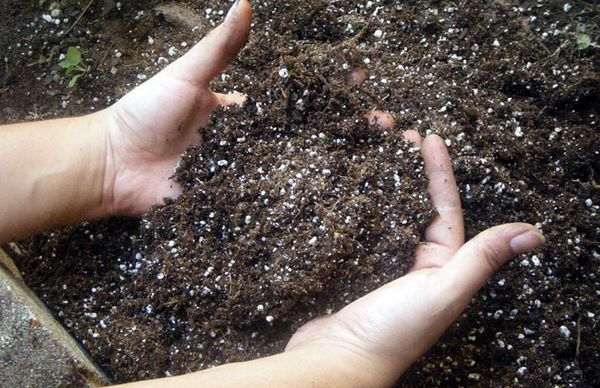
Ensuring oxygen access to the root system and the availability of all necessary nutrients is very simple. To do this, simply add the components it lacks to the soil. For example, you can lighten and enrich the loam and clay typical of Russia with humus of varying maturity—one, two, or three years old. Another advantage of humus is its inhabitants—worms and bacteria—which enrich the soil with their waste products and loosen it.
You can also use other fertilizers, depending on the needs of the crop being grown: manure, chicken manure, ash.
Preference for raised beds
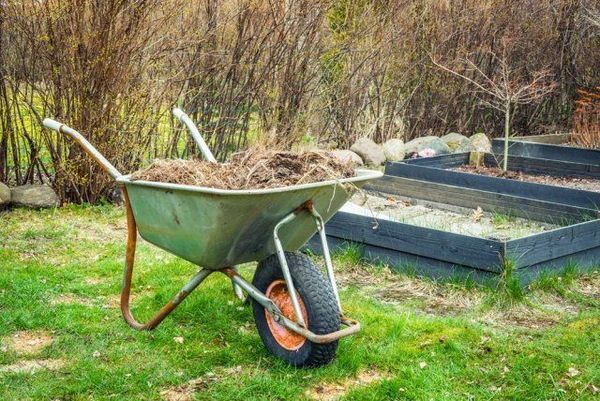
Growing vegetables and various types of salads yields best results in raised beds. Not only are these beds easier to cultivate, they also allow for a drainage layer, they warm up faster, and drip irrigation is easier to set up. The risk of mole damage to the roots is also significantly reduced.
It is very easy to turn a raised bed into a greenhouse.
Recommendations for beginners in farming
For beginners who want to try a new technique, some helpful tips will definitely come in handy:
- accurately calculate the desired harvest quantity using the table to avoid unnecessary hassle and costs;
- Keep a planting diary so that your berries and vegetables don’t spoil or lose quality;
- to create raised beds you can use old barrels;
- A large-mesh net is ideal for trellis framing for climbing plants;
- Mulch can be replaced with agrofibre or other covering material.
We strongly recommend that you try creating at least one smart garden bed and experience its benefits firsthand. And how you spend your free time is entirely up to you!