
Blood meal is an effective fertilizer for increasing crop yields.
Content
Description of fertilizer
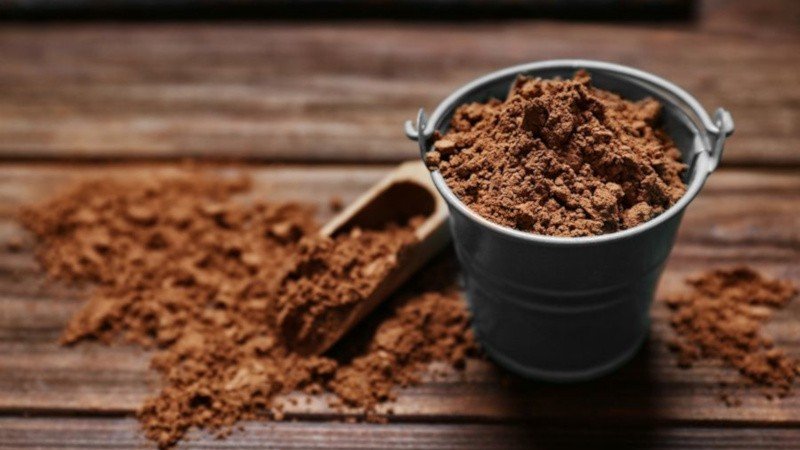
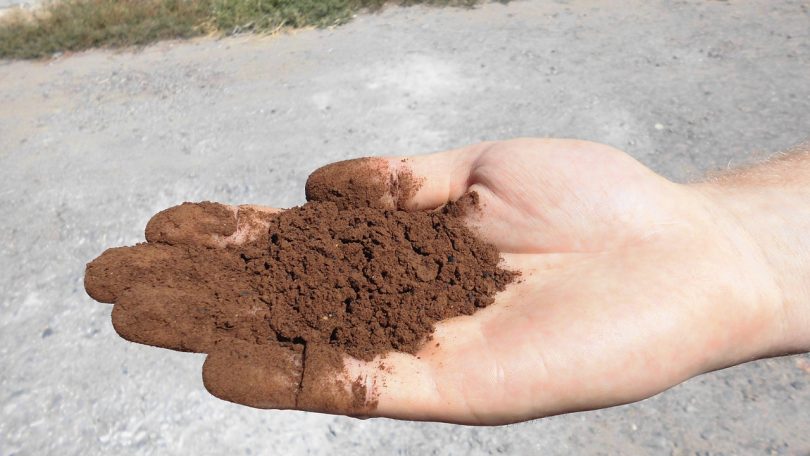
Gardeners love blood meal for its organic origin. After slaughtering cattle or poultry, the collected blood is used to make a nitrogen-rich fertilizer. This fertilizer is typically purchased in stores, but some gardeners prefer to make it themselves. The finished product is a crumbly, brown substance with an unpleasant odor.
The blood meal production process consists of three stages:
- Blood collected during slaughter is drained into large containers and mixed to prevent clots from forming.
- Next, moisture is completely removed from the raw material using a special device called a vibratory extractor. It processes the material using direct steam.
- After the coagulation process is complete, the semi-finished product is sent for drying. The product is considered ready when its moisture content drops to 9%.
Chemical composition and beneficial properties
A special feature of blood meal as a fertilizer is its large amount of nitrogen (almost 12% of the total composition). The organic fertilizer contains:
- protein (about 65%);
- fats (no more than 3%);
- bone semi-finished products (up to 10%);
- histidine (5%);
- threonine (0.05%).
The fertilizer also contains ash, fibrin, leucine, methionine, cystine, and lysine. However, it does not contain phosphorus or potassium, which makes its application somewhat difficult. Before using, it is recommended to mix blood meal with bone meal. This will enrich the feed with missing micronutrients.
"Bloody" organic fertilizer brings many benefits to gardeners:
- activates plant growth;
- nourishes them with essential substances;
- increases crop yield;
- reduces the risk of developing diseases associated with nitrogen deficiency;
- enriches and improves the soil.
Blood meal is often added as a supplement to livestock feed.
On what soils is it used?
Nitrogen-containing fertilizer is used in two cases:
- if it is necessary to deacidify soil with a high pH level for its further use;
- when the soil for planting is poor in nitrogen.
It is strictly forbidden to use fertilizer on neutral soils.
What plants is it suitable for?
Blood meal is a general-purpose fertilizer. Gardeners most often use it to feed the following crops:
- potato;
- tomatoes;
- eggplants;
- onions;
- garlic;
- strawberry.
It is not recommended to use this fertilizer for indoor flowers and plants that tolerate an acidic environment.
What pests does it repel?
Thanks to its distinctive odor, blood meal can repel rodents that have taken to digging holes in your property. It also helps deter attacks by hares, raccoons, dogs, and even deer.
Ants will never infest soil fertilized with blood fertilizer. These insects prefer more acidic soil and will therefore avoid beds with a neutral pH.
Advantages and disadvantages of fertilizer
Blood meal, like any other fertilizer, has its positive and negative sides.
- the soil quickly deoxidizes, and its composition and structure are significantly improved;
- seedlings become more actively green and their growth accelerates;
- yellow spots on the green parts of plants disappear;
- productivity increases and the harvest becomes better quality;
- Increases resistance to infections and reduces the risk of damage by rodents.
- when used in soil, the amount of potassium and phosphorus is significantly reduced;
- Incorrect use may harm plants by causing burns;
- cannot be used on neutral soil;
- After opening the package, it retains its properties for only six months.
Video: "Blood meal for feeding roses and lilies in summer"
This video explains the specifics of using natural fertilizer.
Instructions for using blood meal
Despite its organic origin, this fertilizer requires some caution when using. Failure to follow the instructions or dosage can cause significant harm to plants and future harvests.
Determining acidity using folk methods
Experienced gardeners use specialized devices to determine pH levels. However, if such a meter is not available, you can resort to folk methods:
- Study the weeds. Horsetail, creeping buttercup, plantain, and chickweed will grow especially well in highly acidic soil.
- Mix some soil with crushed chalk. Pour water over the mixture, cap the bottle with a fingertip, and then shake well. If the air released causes the improvised cap to inflate, this indicates a high pH.
- Pour boiling water over a few currant or cherry leaves. Once the infusion has cooled to room temperature, add some soil. If the soil is acidic, the mixture will take on a green tint.
- Mix the soil with baking soda, then add water. When the pH rises, bubbles will appear on the surface.
Features of application for plants
The amount and method of adding blood meal depends on the crop:
- tomatoes - when planting seedlings, add 100 g of granules to the bottom of the hole;
- potatoes - the area is fertilized in the fall or spring, adding 3 kg of fertilizer per 10 sq. m;
- eggplants - before transplanting into open ground, add half a glass of organic matter under the plant;
- garden strawberries - once per season, add 40 ml of fertilizer under each bush;
- roses - when planting, 50 g of dry matter is poured into the bottom of the hole.
Compliance with the dosage
Each type of crop has its own permissible fertilizer rate, indicated in this table:
|
bulbous |
1 tbsp for each hole |
|
berry |
70 g per plant when planting |
|
fruit |
1 st./sq.m every 3 years |
|
indoor |
1 teaspoon per liter pot |
To protect against overdose, you can mix eggshell powder (300 g/m2) into the blood meal.
-
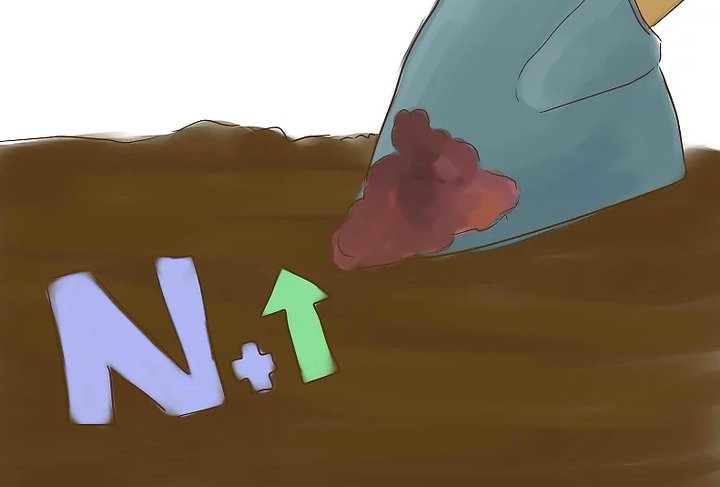
- Increasing the level of nitrogen in the soil
-
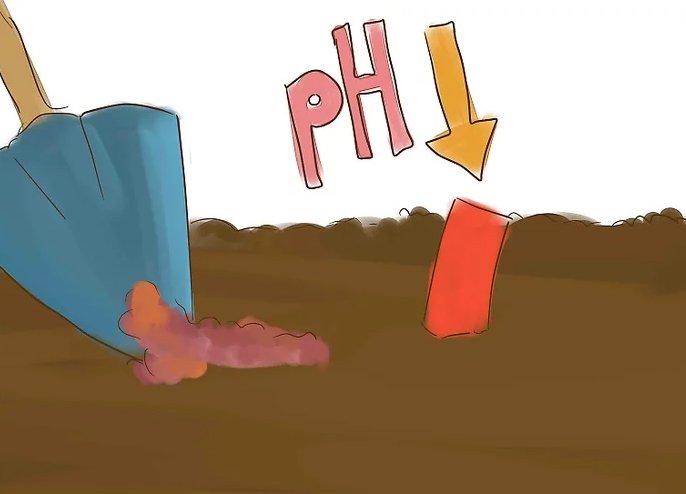
- Increasing soil acidity
-
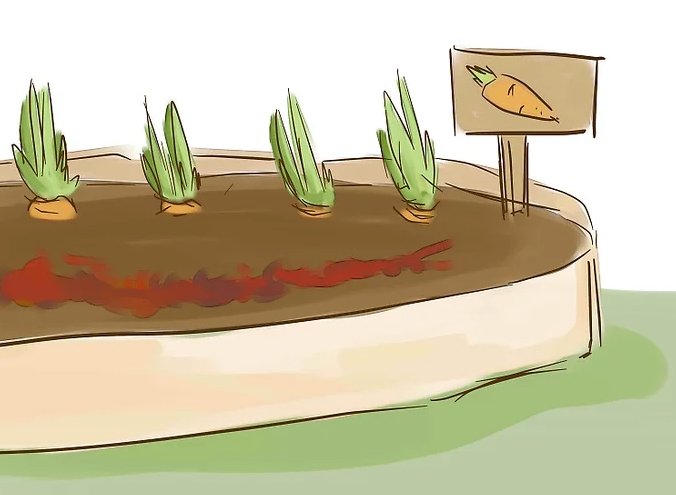
- Protection from harmful insects
Reviews from summer residents
I've been using this fertilizer for several years now. I'm very happy with it. Firstly, it's chemical-free, and secondly, my plants are less prone to disease and produce more fruit. An added bonus is that the rats have disappeared from the area.
I've long since abandoned chemical fertilizers in favor of blood meal. I've never regretted it. The seedlings grow strong, healthy, very green, and produce a bountiful harvest. The only caveat is to buy only from specialized stores.
A year ago, a neighbor at my dacha recommended this fertilizer to me. I applied it to my tomato plants, as they usually don't grow well. The result was thick, tall bushes and lots of tomatoes. However, I don't recommend this fertilizer for indoor plants. They certainly start growing better and blooming more profusely, but the smell leaves much to be desired.
According to research, many European countries have long since switched to blood meal. However, despite its benefits and low cost, it is not yet as popular among Russian gardeners.