
The pros and cons of using WPC beds for creating flower beds, borders, and flower gardens
Content
What is wood-polymer composite?
Understanding the advantages and disadvantages of a material is only possible after familiarizing yourself with its characteristics, composition, intended use, and conditions of use. Wood-polymer composite is one of the best new-generation finishing coatings. The material can safely be called progressive due to its harmonious combination of the best properties of plastic and wood: a natural and extremely realistic appearance, long service life, and moisture resistance.
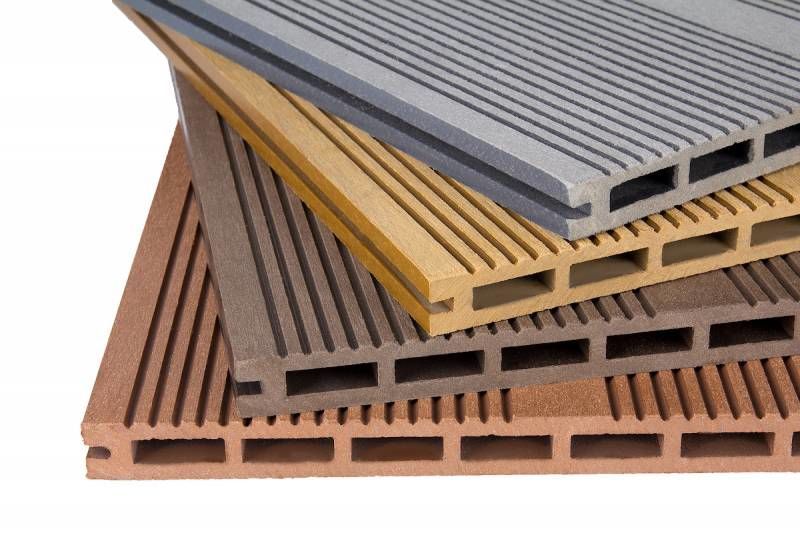
The product is made from crushed wood pulp and polymer binders. The mass is then extruded (a technological process) to form boards, façade profiles, and other structures. Composite is often used for decking. Decking, in turn, is used for garden coverings, patio areas, and more.
Wood-polymer composites are made from crushed wood, thermoplastic polymers, and additives to improve manufacturing processes and product properties.
Characteristics of beds made of wood-plastic composites
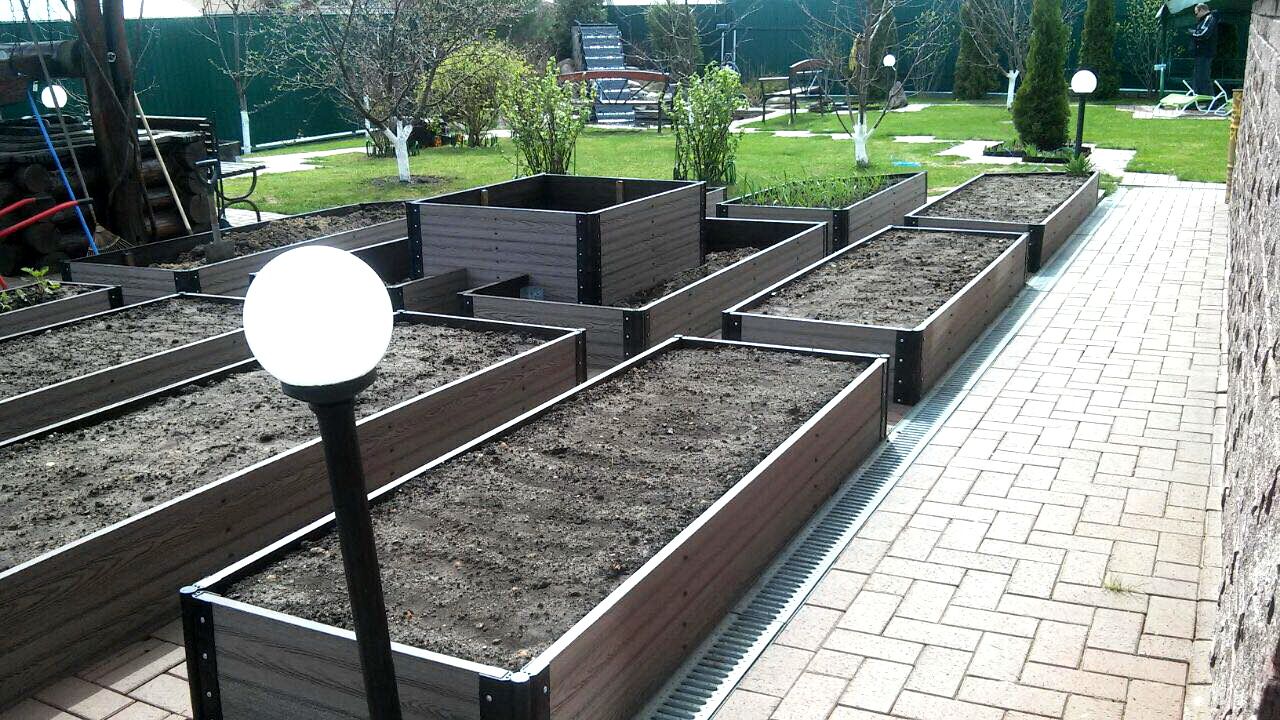
WPC garden bed fences serve several functions. They prevent soil from spreading and crumbling, which is especially important for loose and sandy soils. They also organize the garden bed and reduce the space for weeds, which in turn helps reduce time and labor costs. "Smart" and warm garden beds are created only with fences, as the necessary materials are placed within them in layers.
Due to the material's characteristics, WPC beds will last a very long time, as they are resistant to adverse weather conditions and pest attacks. Several processing stages do not affect the material's eco-friendliness and ensure an aesthetically pleasing appearance.
The composite itself has the following characteristics:
- material density – 1.4 kg/dm3;
- percentage of elongation during stretching – 0.5–1%;
- bending resistance – 25–60 MPa;
- impact strength level – 3–4 kJ/m2 (according to Charpy);
- board dimensions: length 3 m, width 15 cm, thickness 2.5 cm.
Depending on the manufacturer and base materials, some variations in parameters are possible. However, according to the standard, these should not be significant.
Video: "Raised Beds Made of WPC"
This video explains the benefits and features of using the material.
Advantages and disadvantages of using WPC beds
Any item can have its advantages and disadvantages. This depends not only on its characteristics but also on its use, care, purpose, and so on. While WPC has many advantages, it also has disadvantages that need to be considered to avoid any surprises.
- structures made of material (factory-made) are quickly and easily assembled and fixed with special fasteners;
- WPC is not susceptible to rot or infection by fungal spores, and is also resistant to pest attacks;
- aesthetic appearance almost identical to the pattern and color of natural wood; the structure can be painted if desired;
- You can assemble the required structure from boards yourself;
- the material does not require additional processing (grinding, varnishing, etc.);
- the beds do not require special care;
- tolerate adverse weather conditions well.
- gradual accumulation of moisture and, as a result, the appearance of mold: the composition includes wood components that absorb and accumulate water;
- The polymers that make up WPC deteriorate over time under the influence of ultraviolet rays.
But no one assumes that they are acquiring eternal fences.
How to build a garden bed from composite panels yourself
For fencing, you can purchase a pre-fabricated structure that's easy to assemble. You can also buy standard wood-plastic composite boards and build your own fencing using tools. In addition to the materials, you'll need hinges to connect the boards and stakes to secure the structure to the ground. The stakes also allow you to build a fence of any height, depending on the size of the support.
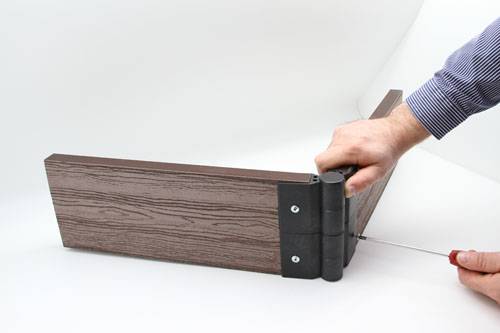
Once the materials have been prepared, the process will consist of the following steps:
- Cut the wood-plastic composite boards into pieces of the length required for the future garden bed.
- Using hinges and stakes, secure the pieces together to form a box. Keep in mind that the corners and interior posts should be slightly higher than the sides, ideally 2 cm and 5 cm, respectively. This is necessary if you plan to build a tall fence.
- Mark and dig holes for the corner posts.
- Move the box to the garden bed, insert the posts into the soil, and compact the soil. If hinges weren't used in the design, you can reinforce the corners of the fence with metal corners and screws.
-
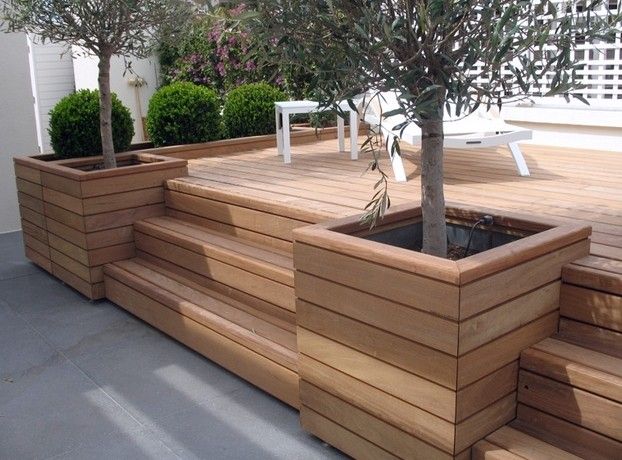
- Flower pots
-
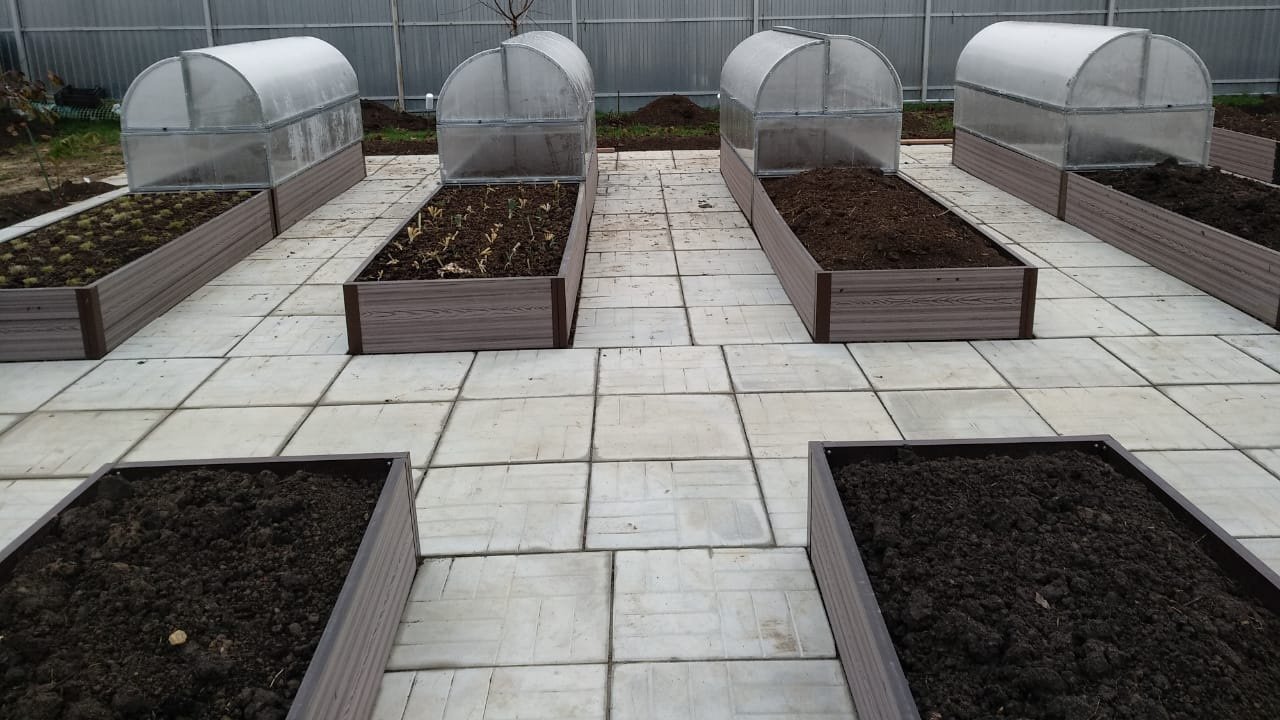
- Mini greenhouses
-
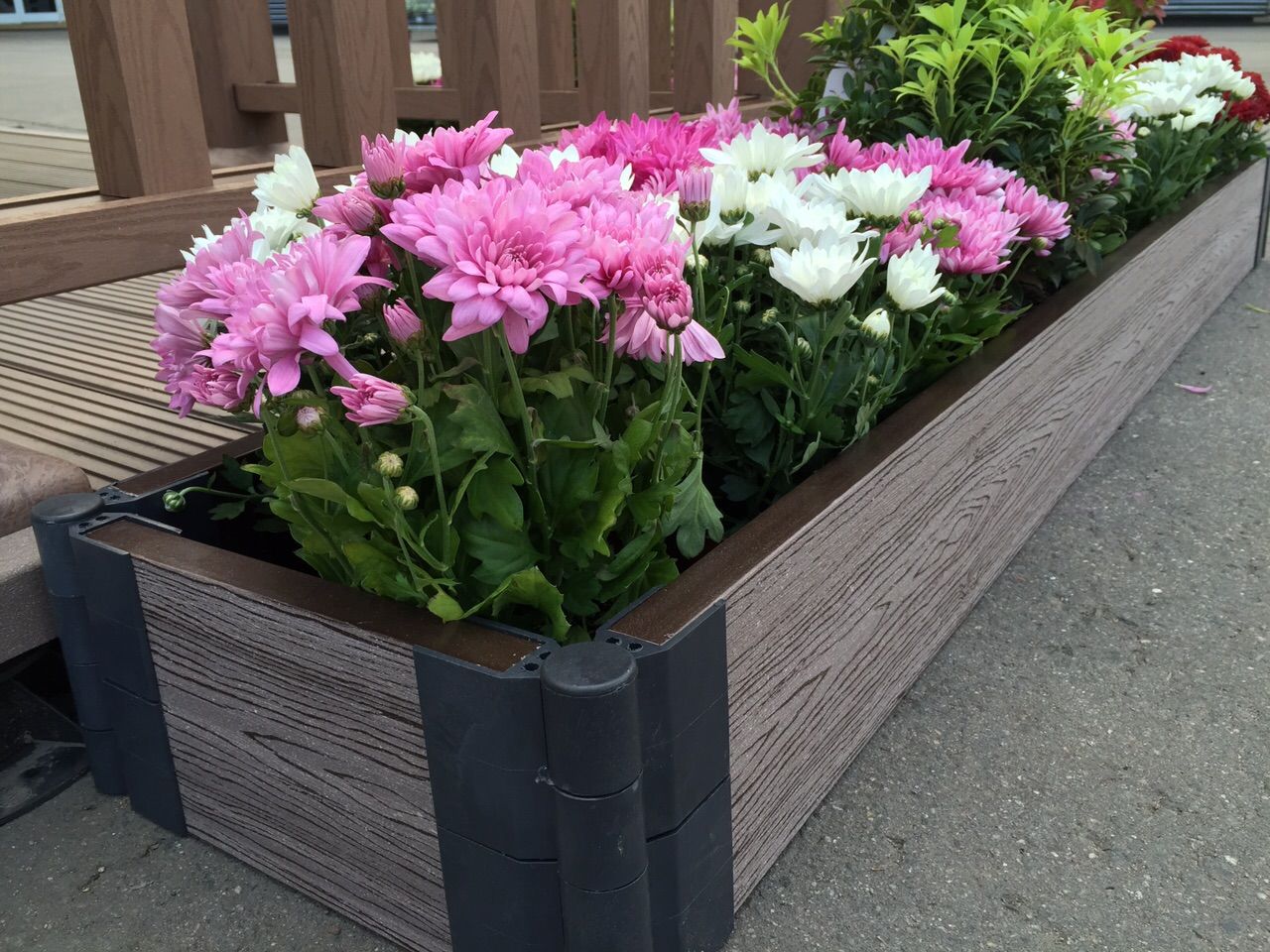
- Flower bed
-
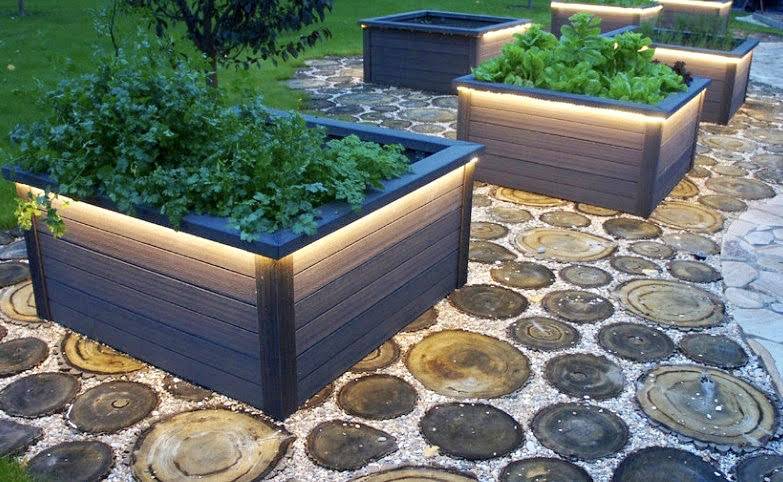
- Garden bed with lighting
-
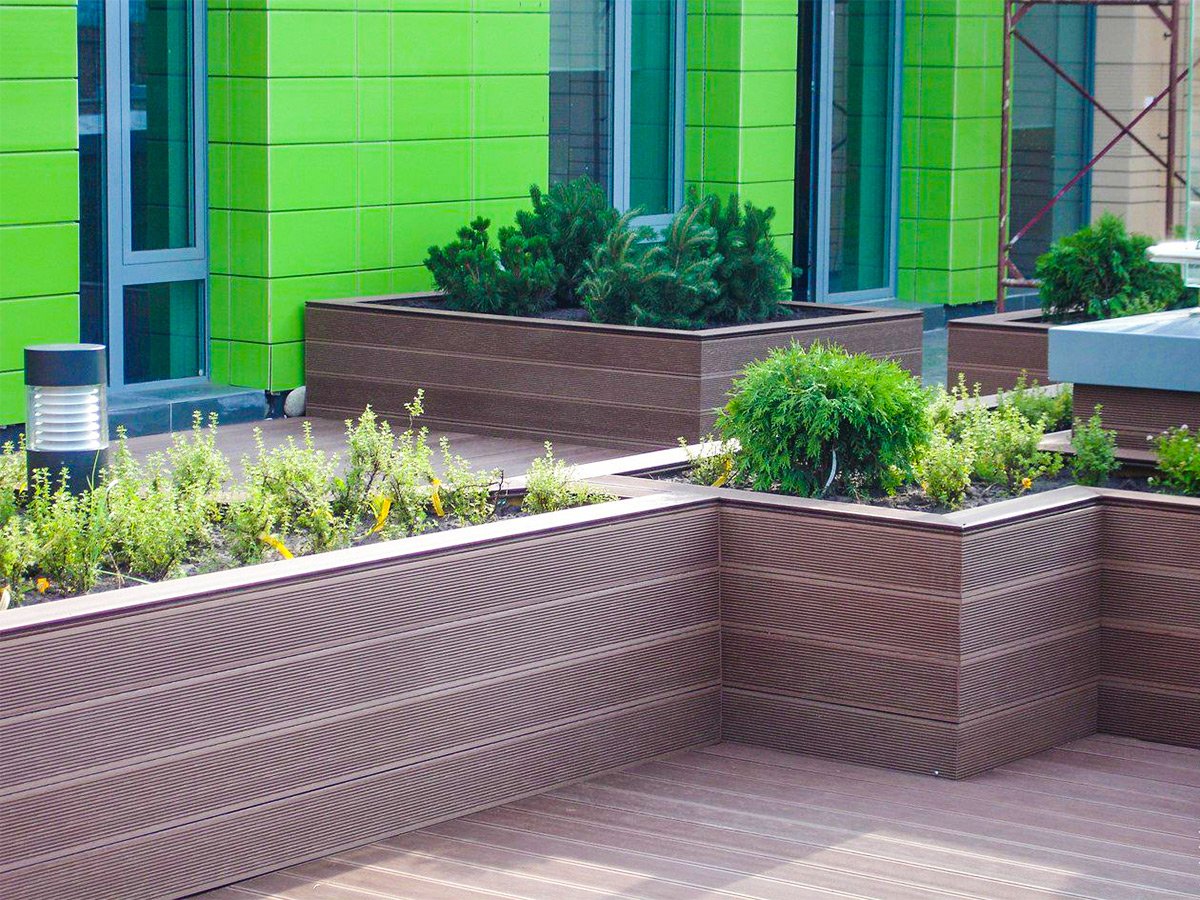
- Design solution
Reviews from summer residents
"Last year, we bought a dacha with a small plot. My wife was eager to grow vegetables, but space was tight. A coworker recommended creating smart garden beds, and the store recommended fencing materials. We bought the first few ready-made structures, and the others we assembled ourselves. We were very pleased – they didn't require any special care, and the look fits perfectly with the overall design."
"I'd heard about wood-plastic composite a while ago, but for some reason I thought it was expensive. When I went to check it out, I was pleasantly surprised. Now I use it exclusively for fencing my heated garden beds and flower beds, and so far I'm happy with it and have no complaints."
Technological advances can make life much easier. If you're into gardening, be sure to experiment with European-style garden beds and high-quality wood-plastic fencing. It's no wonder this technology has quickly become popular and widely used.