
Why carrots crack: the main reasons
Content
Incorrect watering
The quality and quantity of the harvest depend on how well the crops are cared for. Therefore, even a single violation of agricultural practices can lead to certain defects. For example, cracks in carrots most often appear due to improper watering.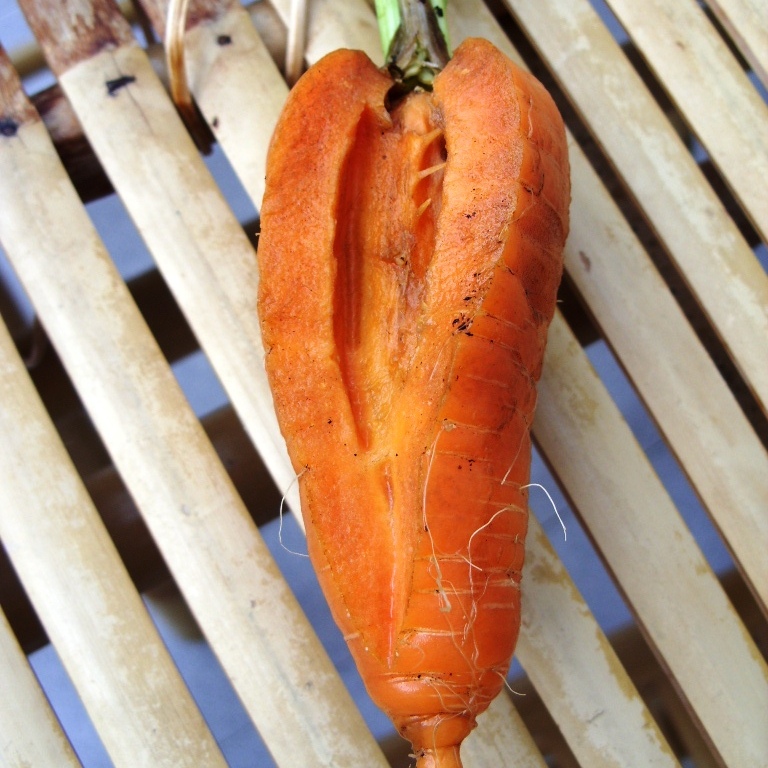
Most gardeners can only visit their gardens on weekends. During the week, carrot beds dry out considerably. Therefore, they try to water them as generously as possible so that the plants will have enough water for their next visit. What does this lead to? Overwatering the beds dramatically increases soil pressure. This puts pressure on the roots. This causes the carrot cell walls to burst from the inside, gradually causing tissue separation and cracking.
Furthermore, uneven and irregular watering of the beds, coupled with fluctuating soil moisture levels, can lead to excessive root growth. This is especially noticeable at the beginning of the growing season. At this time, the soil is well-moistened due to the active spring snowmelt. Therefore, regularly watering the beds at this time after sowing the seeds can lead to severely waterlogged soil. Later, during active crop growth and root formation, watering will be less frequent.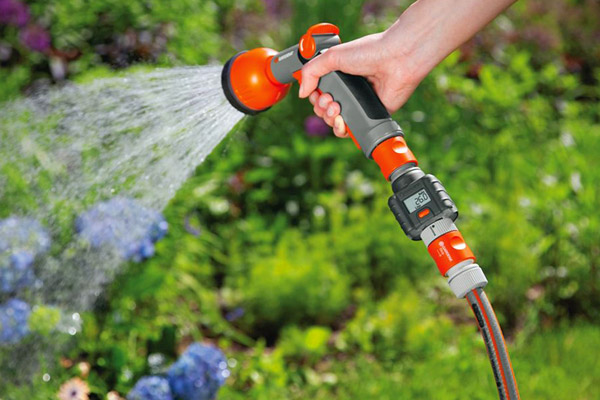
When summers are dry and rainfall is scant, carrots stop developing underground. This leads to a reduction in cell volume. When heavy rains begin, or the gardener simply increases the frequency of watering, the root tissue begins to fill rapidly with water. With such rapid expansion, the walls can't withstand it and begin to burst.
Video "Growing"
From the video you will learn how to grow a good carrot crop.
Excess of fertilizers
The second cause of cracked carrots is improper fertilization. The most common cause is an overabundance of fertilizer, as well as an incorrect dosage when preparing the nutrient solution.
It is worth noting that adding fresh manure from various farm animals when preparing beds for planting carrots is unacceptable.
Root cracking is often caused by an excess of nitrogen-containing fertilizers in the soil. This type of fertilization should only be applied during the very first stages of plant development. Once root formation begins, nitrogen fertilization should be discontinued.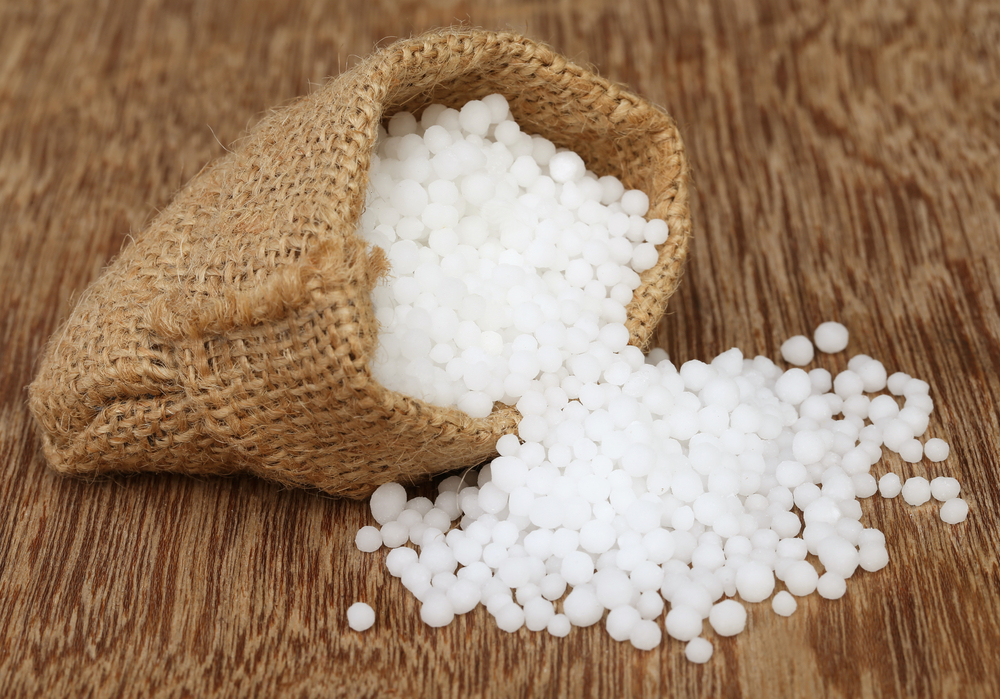
During the summer, this crop requires only potassium and phosphorus fertilizers. Organic fertilizers, as well as nitrogen fertilizers, are not recommended.
Dense soil
Not only improper watering and excess fertilizer, but also dense soil can cause carrot roots to crack. Moreover, this cause is much more difficult to determine than watering and fertilizing.
The worst soil for growing carrots is dense clay soil. Damage to the underground parts of the plant is again caused by the intense pressure the carrots experience. During active growth, the roots begin to crack as they struggle to overcome the resistance of the dense soil. Therefore, it is not recommended to grow carrot varieties with long roots in such soil. These roots penetrate deeply into the soil, increasing the risk of damage from pressure.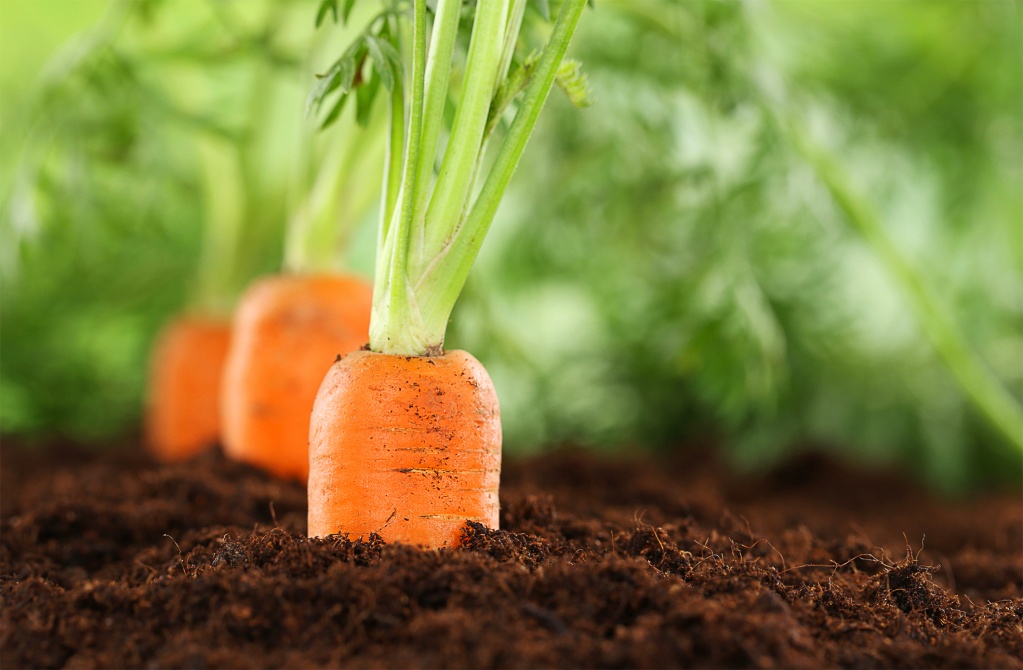
In dense soils, it's best to plant varieties that produce short roots. These include Shantane, Karotel Paris, and Alenka. Early-ripening varieties typically produce short underground roots.
For growing this crop, choose sandy, light, loose, and sandy loam soils. Avoid overly rich soils, as this will cause the root cells to expand excessively. As a result, the pressure will cause the vegetable to crack and become deformed.
Overripe carrots
In addition to the above, carrots can also crack if they are overripe. Cracked carrots can be removed from the soil if the optimal harvest time has been missed. Therefore, it is important to strictly adhere to the harvesting time for this crop.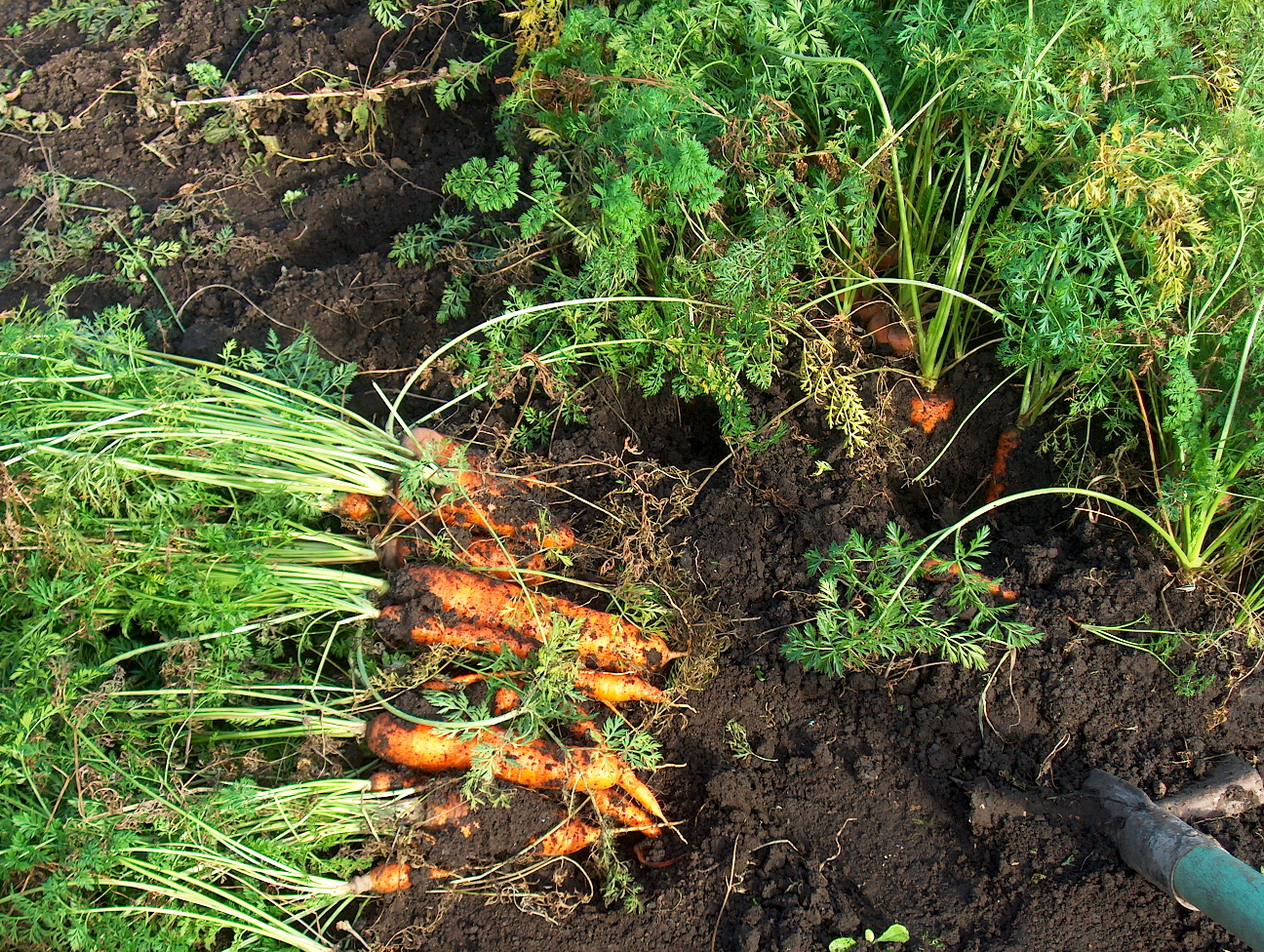
If this is a problem (for example, if you live far from a garden, etc.), you should plant varieties that are resistant to cracking when overripe. Late-ripening carrot varieties have this characteristic. However, planting early varieties can result in a spoiled harvest if you don't harvest them in time.
How to prevent cracks
Now that we've covered the causes of carrot root cracking, it's worth considering how to prevent this unfortunate scenario.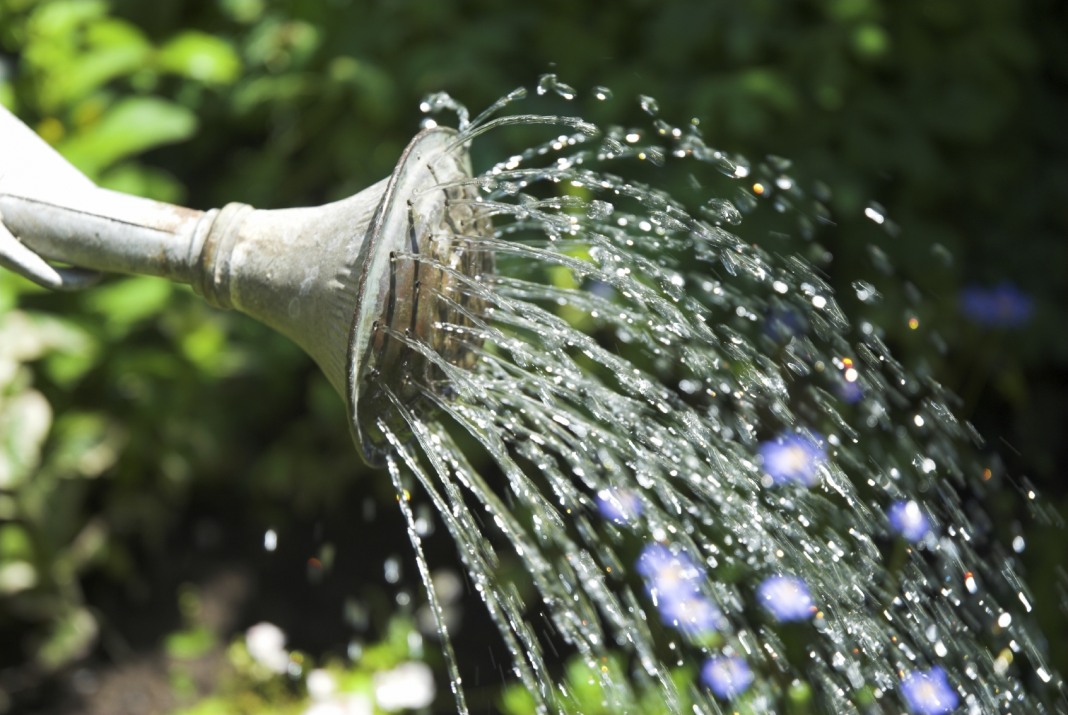
Naturally, to obtain a beautiful carrot harvest, you must strictly adhere not only to agricultural practices but also to maintenance rules. The most important care steps here are the following:
- watering;
- application of fertilizers;
- timely harvesting.
Gardeners most often encounter problems with water management. Watering this vegetable crop should meet the following criteria:
- uniform and constant;
- moderate. Do not overwater or overdry the soil;
- Avoid watering plants in hot weather. It's best to do this late in the evening or early in the morning.
- Watering should be done not at the roots, but between the carrot rows.
In growing regions with frequent heavy rains, cauliflower can help prevent carrots from cracking. It should be planted between the rows. Lettuce can also be planted between the rows to absorb excess moisture.
During dry weather, limit watering. This should be done despite dry and cracked soil. In this case, water moderately but frequently—every 1-2 days.
If you only visit your garden on weekends, don't overwater the beds all at once. It's better to water them lightly on Saturday and then water the same amount on Sunday.
It's also important to remember that watering should be stopped once the roots have reached optimal size. Watering should be stopped approximately one month before harvest.
To prevent crop cracking, it's important to fertilize properly. Avoid overusing nitrogen-rich mineral fertilizers. Nitrogen directly influences the development of cracks in root vegetables. Nitrogen causes the vegetable cells to loosen and expand. Fluctuations in humidity make these cells less resilient to environmental factors. Therefore, nitrogen-containing fertilizers should only be used at the beginning of the growing season. Peat, compost, and well-rotted manure are the best fertilizers for this vegetable crop.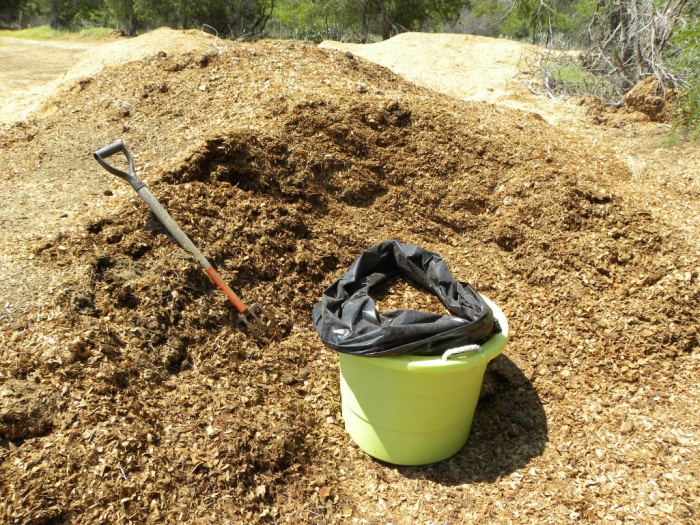
Choosing the right site for growing carrots is crucial for ensuring a high-quality harvest. If your plot only has compacted soil, adding sand to the bed will loosen it. It's worth noting that river sand, rather than quarry sand, is best for this purpose. If the carrots still crack, then one option remains: creating a bed using other soil. Such beds are created as follows:
- holes are dug in the ground;
- their depth should be approximately 20-40 cm;
- then they are covered with light, nutritious and loose soil;
- then the planting material is sown into the prepared holes.
In this case, the problem of compacted soil is completely eliminated. In addition to this method of forming beds, they can be made using raised beds. In this case, fertile, loose soil is added over the existing, poor-quality soil. However, for such beds, it's best to select varieties that develop short roots during growth and development. This is because varieties with long underground roots will be unable to reach dense soil, which will again lead to cracking of the roots (especially at the ends).
The last thing to remember when growing beautiful, plump carrots is harvest timing. This depends on the specific variety being used: early, mid-season, or late. It's essential to harvest within the allotted timeframe to prevent the vegetables from becoming overripe.


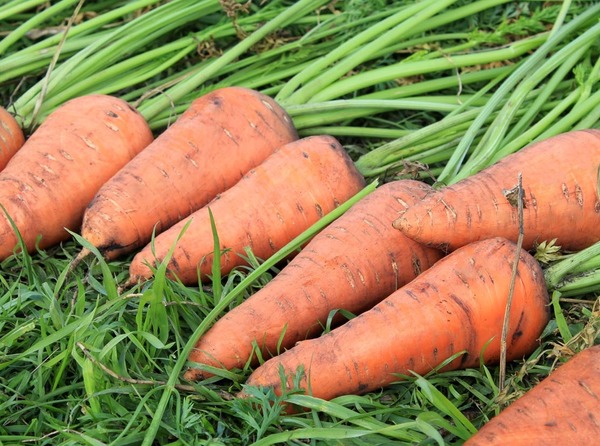
By following these recommendations, you will get a good carrot harvest.
Video "Secrets of Care"
This video will teach you many secrets on how to prevent carrots from cracking and ensure a good harvest.