
Why are carrots horned and gnarled? How to combat these defects?
Content
Main reasons
Why do carrots grow horned? Many, when pulling out a gnarled root from the ground, blame the problem on poor-quality seeds. They assume the grower was dishonest and mixed "good" seeds with "bad" ones. However, in reality, other factors are responsible for the abnormal shape of the root.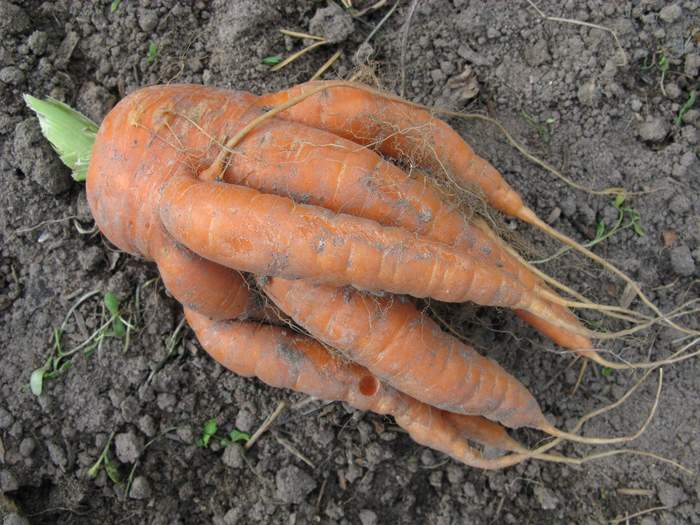
If the soil in the area where the root vegetable is grown is heavy and mostly clay or stones make up the majority of it, the likelihood of the vegetable developing crooked is very high. As carrots grow, they encounter obstacles in the form of compacted areas. This causes the carrots to change direction, causing them to become crooked.
Another reason why the vegetable's shape is irregular is fertilizing the soil with manure or immature humus.
An unsightly fruit may also be "horned" or have multiple so-called tails. The main cause of this phenomenon is damage to the plant's root early in its development.
There can be many answers to the question of why the spine was damaged:
- If germination took a long time, the roots would have already formed at this stage and would be damaged after the crop was transplanted to its permanent location.
- If the bed dries out before the first shoots appear or at the very beginning of plant development, then the root tip simply dies.
- If thinning of young plants was not carried out very carefully or the procedure took place after the first leaf appeared, the roots could be damaged during this time.
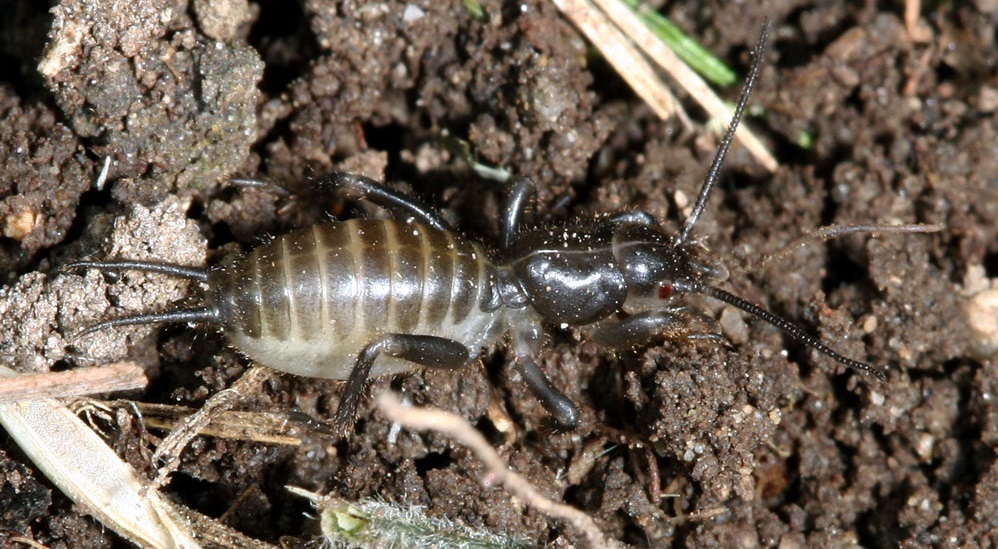
- The root could have been damaged by pests. For example, a mole cricket or carrot fly could have been at work.
Horns can also form on carrots if lime or ash was added to the soil before planting. Potassium chloride, which is significantly harmful to carrots, as is calcium in large quantities, can also cause this.
Video "The Main Reasons"
This video will tell you why carrots can become gnarled and horny.
Watering frequency
It's not uncommon for the root vegetable to burst during harvesting, sometimes even in your hands. This leaves inexperienced gardeners wondering what's causing this.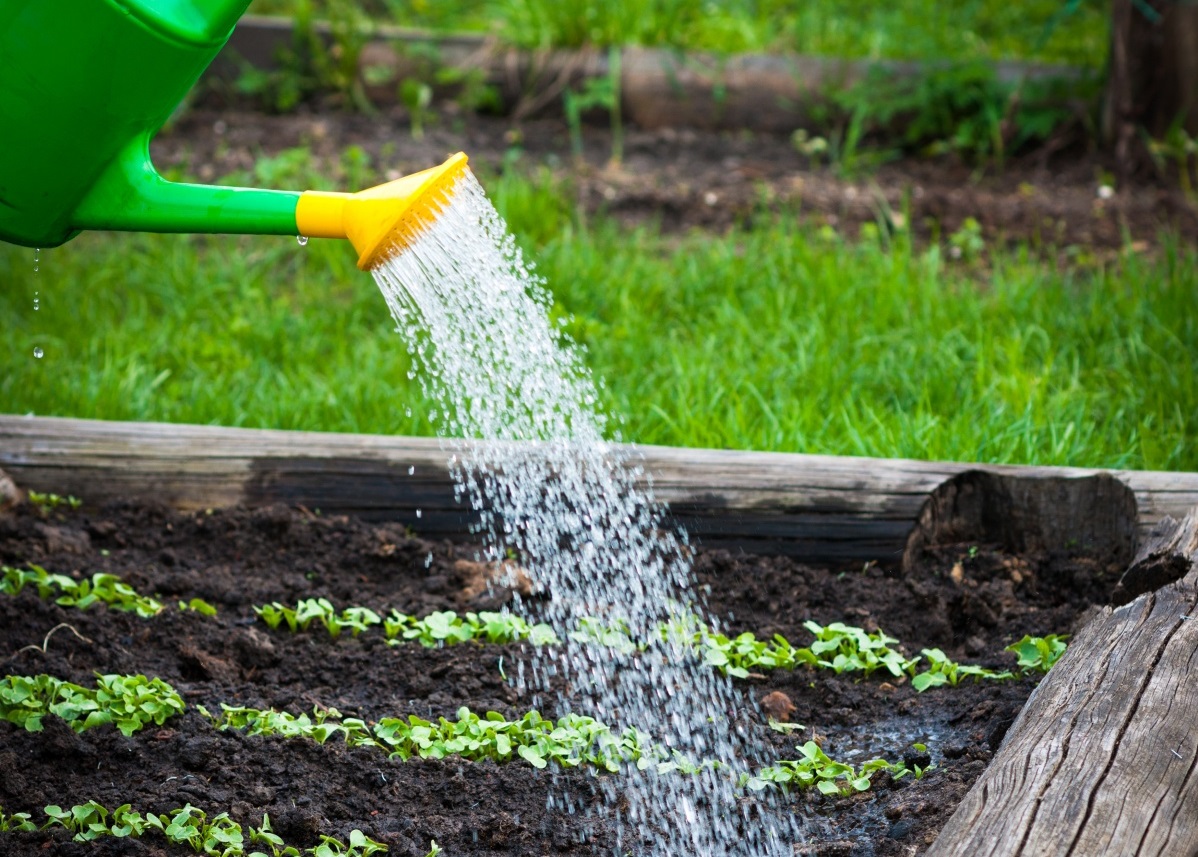
Fruit integrity is usually compromised when harvesting immediately after watering or heavy rain. Excess moisture is what causes the fruit to split. Therefore, it's important to wait a few days without rain before harvesting. Otherwise, the fruit will begin to crack, which is unsuitable for storage.
Sometimes carrots can split while still in the ground. This happens because they lose moisture during their growth in early summer, and then experience excess moisture as a result of precipitation. Therefore, when growing any garden crops, it's important to water the beds thoroughly and vigorously at the beginning of their development, then reduce the frequency of watering as the crops mature. Formed carrots shouldn't be watered even during droughts.
What to feed
Uneven or small vegetable growth is often a consequence not only of the soil composition and nature, but also of a lack of fertilizer and timely nutrients. Furthermore, it's worth rotating the beds from time to time and planting new vegetables where tomatoes, onions, garlic, or cucumbers previously lived. When preparing the plot in the fall, it's a good idea to add superphosphate to the soil.
A lack of organic matter can lead to smaller root crops. To avoid this, it's best to add nitrogen to the soil before carrots begin to form. Double superphosphate (which also contains nitrogen) and urea can also be used. Starting in mid-summer, fertilizers containing potassium and phosphorus can also be applied.
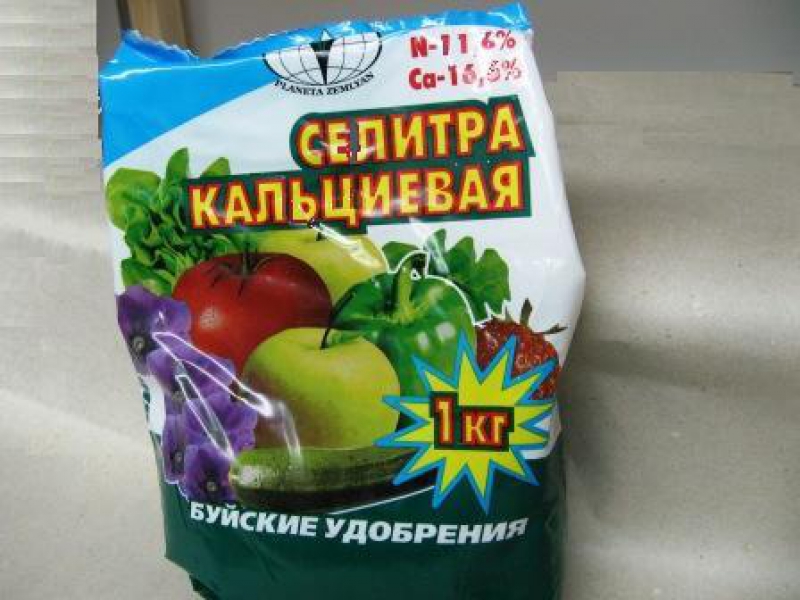
During the growth phase, carrots require barium and manganese, and boron-containing fertilizers (such as Organo Boron) will improve the root vegetable's flavor. Furthermore, everything should be done in moderation. Therefore, it's important to carefully read the fertilizer instructions and consult with more experienced gardeners. Excess nutrients, including nitrogen, can cause carrots to crack.
To prevent the vegetable from becoming too hard and bitter, it is essential to add phosphorus and potassium to the soil.
How to fix
Mixing the soil from the beds with sand will help prevent vegetable distortion. Sand helps vegetables grow beautifully and straight. It's also important to keep in mind that loose soil can contribute to deformed fruits. For this reason, it's important to prepare the beds in the fall, when the soil has already settled.
As for organic matter, it should be added to plants growing before carrots, such as cucumbers, onions, and cabbage.
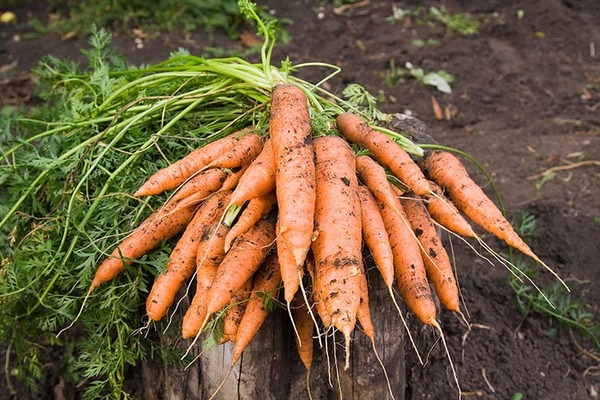

During the first month after sowing, it's important to properly water the crop. Inadequate watering can cause the vegetable to become excessively hairy. Root hairs grow to find moisture or when a crust forms on the surface of the soil. This is when the underground part of the plant needs oxygen. You can prevent hairiness by ensuring adequate watering and regular loosening of the soil. Don't water the surface of the soil daily. It's better to water it once a week, but thoroughly.
So, there are various reasons why carrots grow deformed or horned. However, by taking all factors into account when growing them, this can be avoided.
Video: Growing Carrots
From the video you will learn how to properly grow carrots.