
Do I need to trim the tops of my carrots?
Content
Features of growing carrots
Overall, carrots are a fairly easy-to-grow vegetable that grows almost anywhere. However, there are a few things to keep in mind when growing this root vegetable, as only then will you be able to achieve a good harvest.
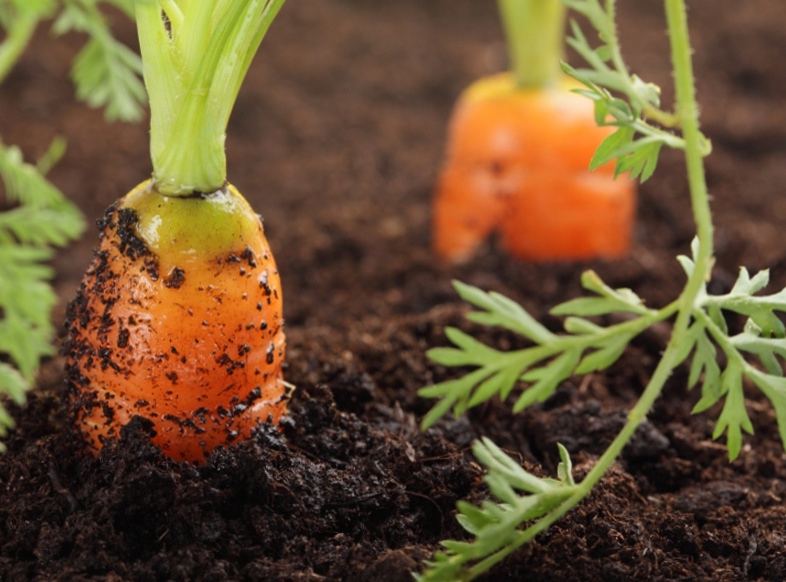
First, you should pay attention to the quality of the soil in which you will plant carrots. Loamy and sandy loam soils are preferred.
If you have clay soil, you'll need to improve its structure. For this, it's best to use sand and organic matter (such as compost or humus) added to the soil. Mixing all components in equal proportions will create a good base for growing carrots. There are also other factors that can significantly impact the yield of your carrots.
Remember that it's best to plant vegetables in neutral or alkaline soil. Higher acidity levels will prevent you from getting a quality product at the end of the season, and the root vegetables themselves will lose their flavor.
If the soil in your area has elevated acidic levels, it needs to be neutralized. Chalk or lime is commonly used for this purpose. In spring, it's best to use chalk at a rate of about 1 kilogram per 3-4 square meters.
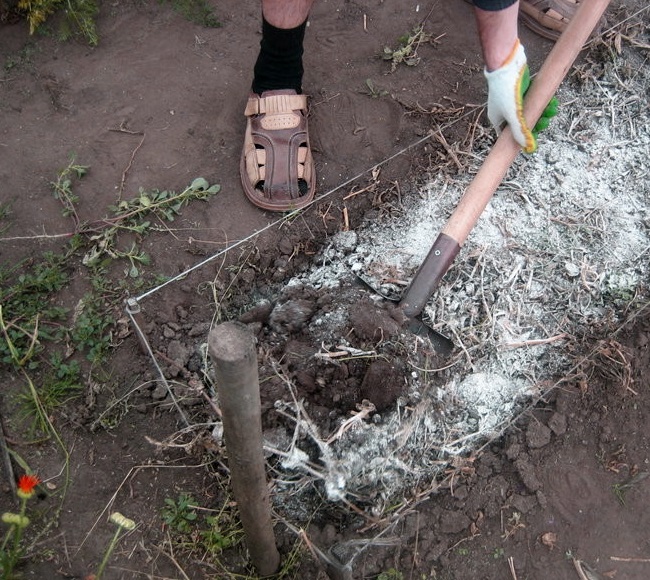
When planting, you can use soil amendments. Wood ash is commonly used for this purpose. It is sprinkled into the furrow, where the carrot seeds are then planted. The soil should also contain organic matter. To enrich the soil with these components, farmers typically use animal manure, bird droppings, compost, and mulch.
In the future, it's important to water the soil regularly, as carrots don't tolerate dry periods well. If the crop isn't watered enough, the roots will gradually begin to crack.
Also, carefully review the characteristics of your carrot variety before planting. They will differ in flavor, root size, disease and pest resistance, and a number of other characteristics.
For good root growth and development, warm conditions and good lighting are essential. Growing in shady areas is not recommended. Under favorable conditions, the first shoots can appear in as little as three weeks. To speed up the process, you can cover the area with plastic to warm the soil better.
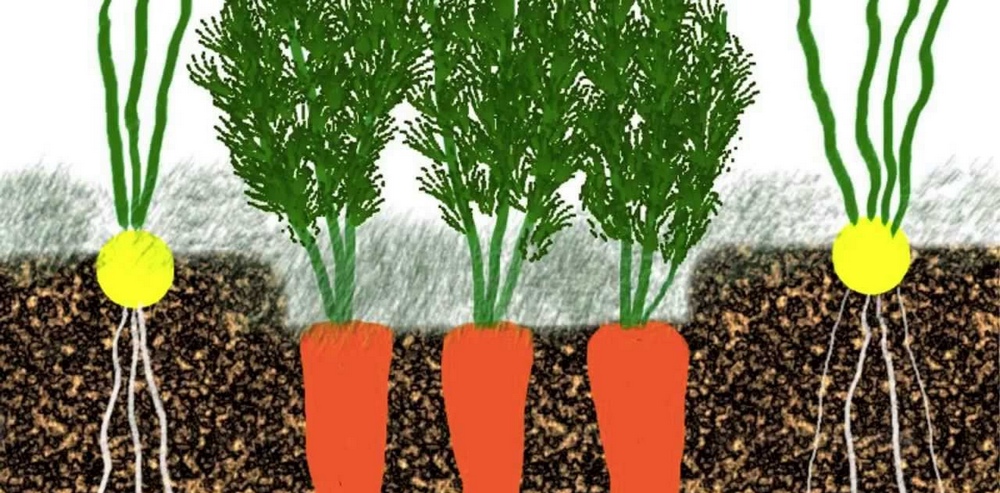
Insufficient care can lead to the fruits developing certain defects, such as blemishes and cracking, while weak plants can simply die. The vegetable's low maintenance doesn't mean you can neglect its cultivation.
To increase yields, it is advisable to periodically loosen the soil so that water passes better to the root system.
Thinning the seedlings may also be necessary, as carrots are sown unevenly. Once the seedlings emerge, you'll be able to determine which areas have multiple seedlings. This is important to ensure the roots don't interfere with each other's growth.
Thinning can slow down growth later, so it's best to do it early. The optimal distance between fruits is about 5 centimeters.
Video: "How to Grow High-Yielding Carrots in Raised Beds"
The video's author shares his technology for growing carrots in raised beds.
Cleaning
Harvesting time usually depends on the carrot variety. Early-ripening varieties are typically harvested in late July, while mid-season and late-ripening varieties are harvested in September. It's best to do this before the onset of seasonal cold snaps or frosts (depending on the planting area).
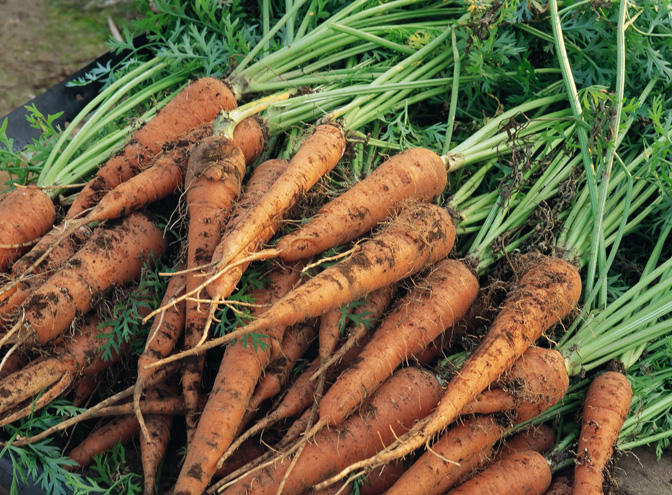
Harvesting is best done in dry weather. Use a pitchfork or a spade for digging. After digging, allow the carrots to dry thoroughly in the shade. Before harvesting, trim the carrot tops with garden shears or pruning shears. Trimming the tops prevents them from drawing nutrients from the carrots that have accumulated during growth.
Be careful not to damage the carrot skins during harvesting. Otherwise, they won't keep well in the cellar and will begin to spoil. If this happens, discard the damaged carrots and use them as soon as possible. The rest of the harvest should be stored in a cool, dry place after drying.
It's best to use wooden boxes for storage, with layers of sand between the carrots. This will protect the crop from sunlight and direct moisture. Using sand for storing carrots has proven itself and has been used by most farmers for a long time.
Processing
Carrot treatment usually involves the application of special agents to protect the crop from various diseases, pathogenic microflora, and harmful insects.
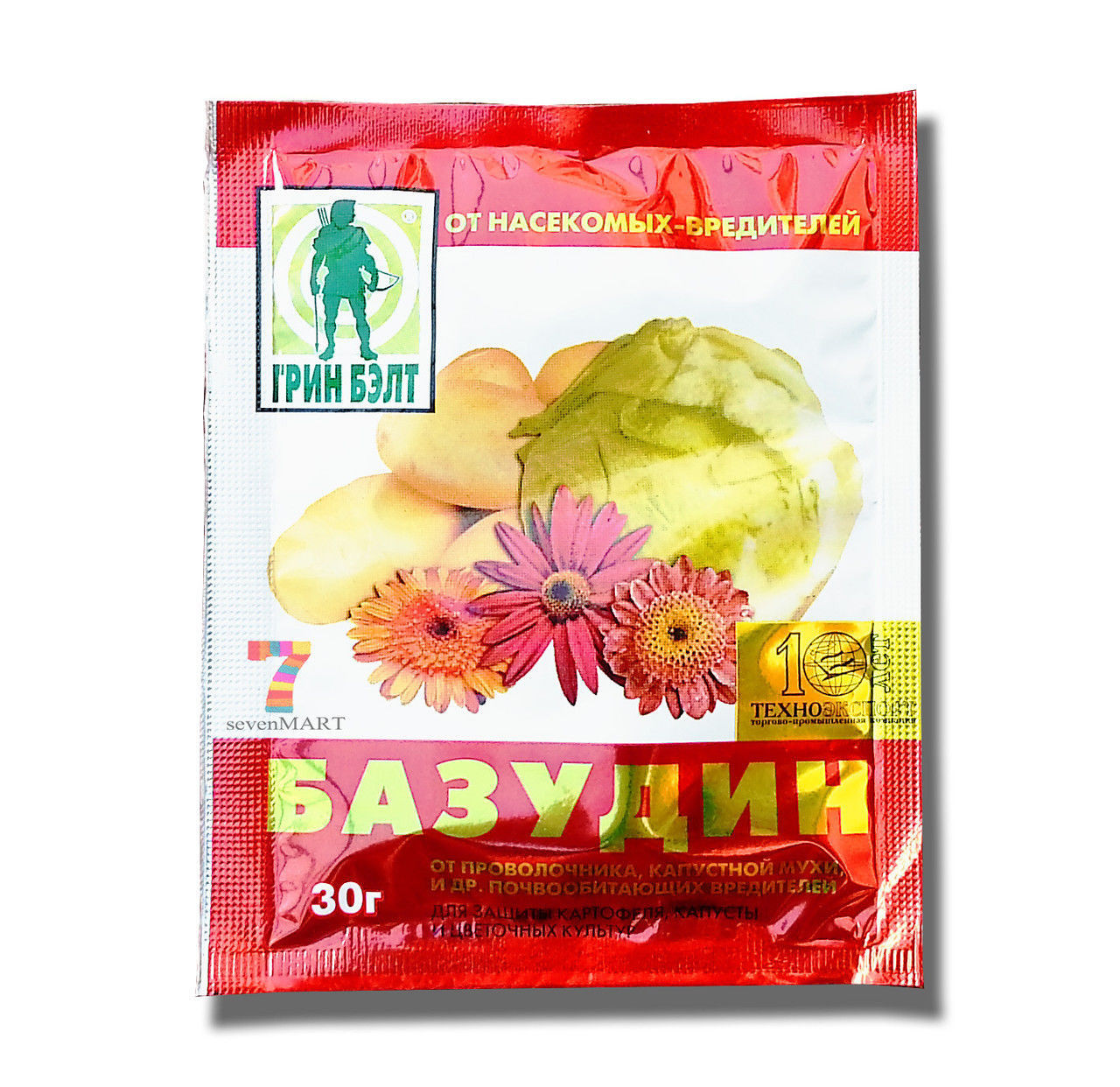
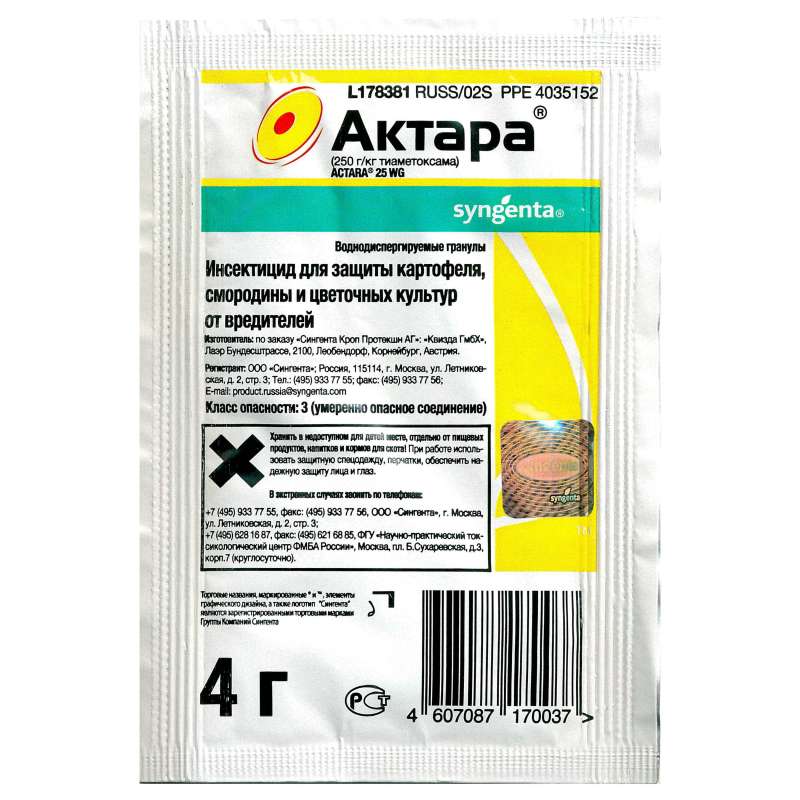

For control, it is customary to use ammonia-containing preparations, Bazudin, Aktara, Medvetoks, and special fungicides.
Once the cause of the root crop infestation is identified, a specific type of targeted treatment is selected. It's best to apply the treatment immediately after the first signs of disease or insect infestation (flies, mole crickets, leaf fleas, and others).
Trimming the tops
Many beginning gardeners wonder whether it's possible to trim carrot tops during the final stages of ripening. Even during this stage, the plant continues to absorb beneficial microelements and vitamins.
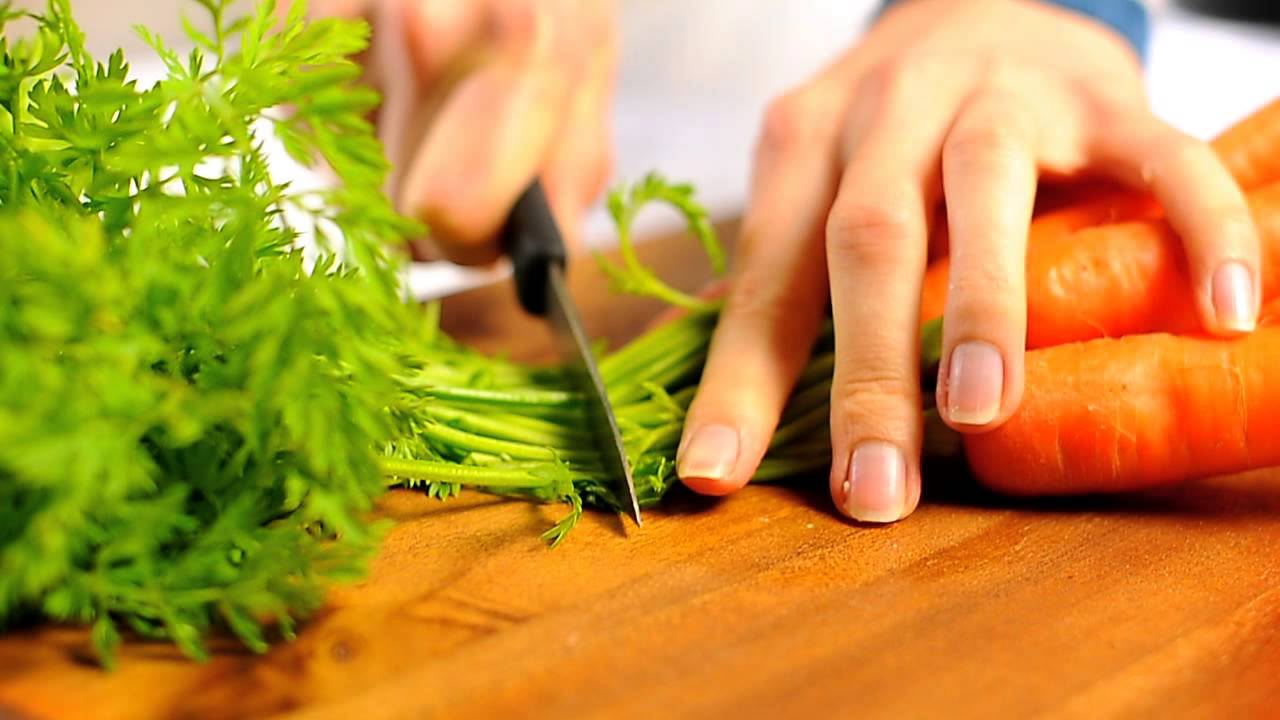
To do this, the vegetable requires photosynthesis, and without green leaves and stems, this is impossible. For this reason, the carrot tops should not be trimmed until they are fully grown. If you trim them too early, the carrot will stop growing. If you don't dig them up right away, they will simply rot in the ground.
Carrot tops are trimmed only after the roots have been dug up. This will ensure their shelf life is significantly longer.
Video: "Look at carrots! How to get a good harvest"
The video explains in detail how to achieve maximum yield when growing carrots.