
How to properly grow the late-ripening carrot variety Queen of Autumn
Content
Description and characteristics of the Autumn Queen carrot
The crop's main advantage is its late ripening period. More than four months pass from the moment the first shoots emerge until harvesting is ready. The fruits of the Queen of Autumn contain slightly more vitamins, minerals and carotene than other root vegetables.
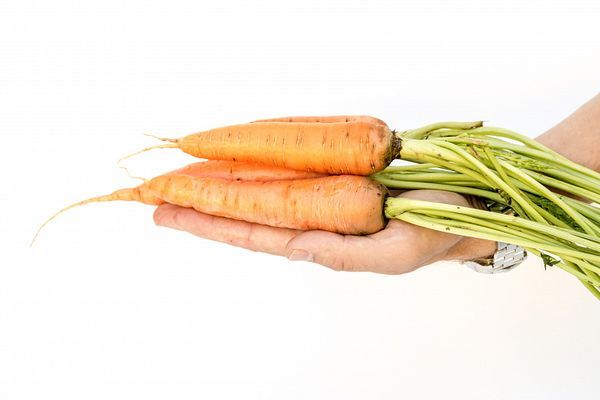
Video: "Spring Planting of Carrots"
In this video, an expert will tell you how to properly plant carrots in the spring.
Appearance
The tops of this variety of carrots have an elongated, spreading, cone-shaped form, with typical leaf blades. Here's a brief description of the variety:
- The color of the tops is light emerald.
- The length of the root crop varies between 25–30 cm, weight is 160–220 g.
- The flesh of ripe carrots is dense, sweet in taste, and orange in color.
Root vegetables contain:
- 10.5% sugars;
- 100 g of fruit contains 16.5 g of carotene.
Productivity
Planting this variety in fertile soil yields 7–8 kg of yield per square meter. If the soil is problematic, the yield drops to 4–5 kg. If stored properly, the harvest can last until the following season without spoiling, losing its marketable appearance, or losing its nutritional value.
The harvest is traditionally used for:
- eating raw;
- preservation;
- preparing salads and dishes;
- making juice and much more.
-
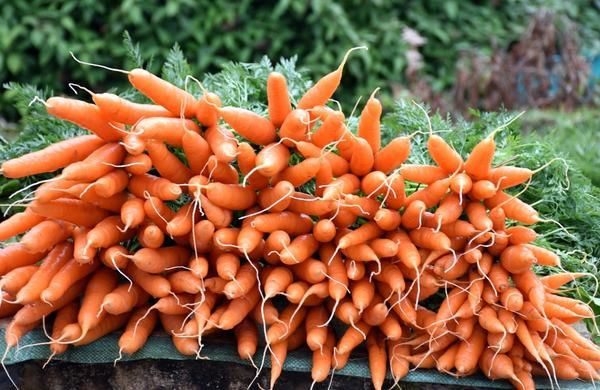
- It is possible to harvest 7-8 kg of crops from each square meter
-
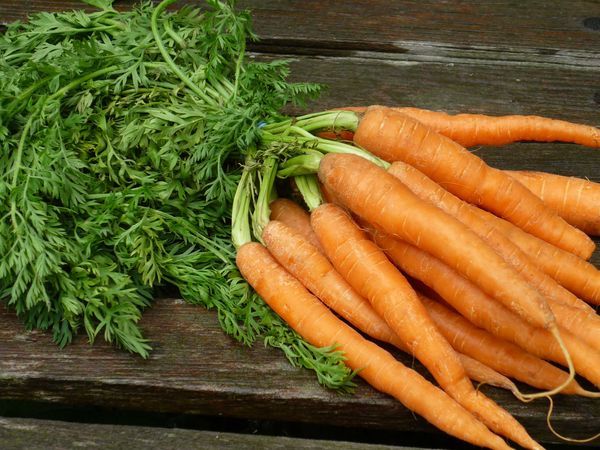
- The weight of carrots is 160-220 g
-
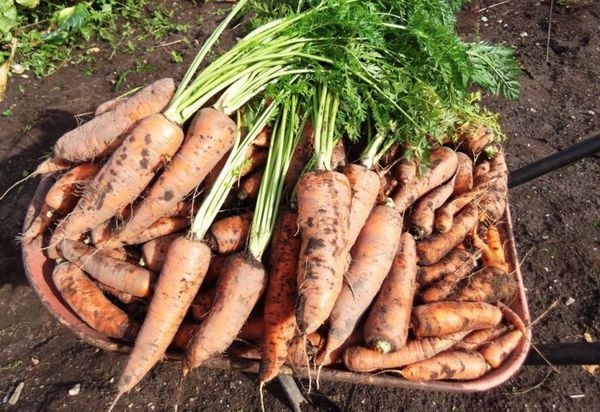
- The harvest can last until next season.
Advantages and disadvantages of the variety
The Autumn Queen carrot is ideal for growing in the Moscow region, the Central Black Earth Region, and the northwestern regions. However, its late ripening period makes it risky to grow in the climate of Western Siberia or the Urals, where temperatures drop below freezing by early autumn.
- abundant yields if agricultural practices are followed;
- massiveness of the harvested root crops;
- pleasant taste, marketable appearance;
- long shelf life;
- crack resistance, transportability;
- immunity to many diseases that affect other varieties.
- uneven fruit size – large specimens in a bed alternate with small ones;
- difficulties in digging up root crops from dense soil;
- dullness of color compared to other varieties.
Growing and caring for Queen of Autumn carrots
The seeds of the crop are planted in mid-May, and the harvest is collected in early October.
Sowing seeds
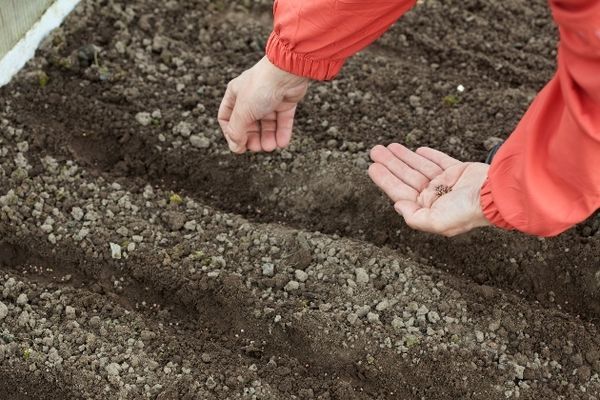
In the spring, raised beds are formed in the prepared area, and seeds are sown in May. The distance between adjacent plants is 4–5 cm, and between rows, 20 cm.
Site selection and soil preparation:
- select a site that is well-lit by the sun, since carrots love warmth;
- groundwater must be deep;
- It is better to choose sandy loams and loams with neutral acidity; clay soils are not suitable;
- prepare fertile soil by adding compost and phosphorus-potassium fertilizers to the soil during autumn digging;
- To make the soil looser, add sand, peat, and sawdust.
It's essential to follow crop rotation rules. Carrots should only be planted after:
- potatoes;
- tomatoes;
- cucumbers;
- cereals;
- Luke.
This will rid the plant of most diseases, and the onion will also destroy pathogenic microbes in the soil.
Caring for crops
The plant doesn't like excess moisture; water sparingly but periodically. Loosen the soil after each watering. If there's excess moisture:
- fruits may crack;
- the taste deteriorates.
However, if there is not enough water, the percentage of sugar in the root vegetables will decrease, and the fruits will become unsweet.
As the seedlings grow, the bed begins to thicken, requiring periodic thinning, as excess vegetation creates unnecessary shade. Fertilizing is also recommended.
Phosphorus-containing fertilizers are suitable for carrots, but manure should be avoided. Organic fertilizers, firstly, make the fruit taste bitter, and secondly, they can cause the roots to become twisted and deformed.
Harvesting and storing vegetables
In the fall, 4–4.5 months after the first shoots appear, the harvest can be collected. Harvest in sunny weather, twisting or trimming the tops with scissors. Allow the harvest to dry, then store in a cool, damp place, such as a cellar.
Storage conditions:
- temperature around 0 °C;
- humidity 90%;
- Containers – boxes with wet sand or open polyethylene bags with holes.
Diseases and pests of the variety
As mentioned earlier, the fruits of this variety are resistant to most carrot diseases; the roots do not crack or suffer from leaf spot. However, the tops are often attacked by pests, especially the carrot fly. To combat these insects, gardeners have developed a set of measures:
- Carrots should be planted in alternating beds with garlic or onions, whose pungent smell repels various midges;
- the crop in the garden bed is periodically pollinated with tobacco dust or sprayed with an infusion of the same garlic;
- If the carrot fly does start to infect the plant, the beds are treated with fungicidal compounds.
Reviews from vegetable growers
This carrot variety is simply delightful. It grows large, juicy, and sweet. It stores well until June, and the whole family enjoys these vitamins all winter long.
I've been growing carrots for a long time, but a couple of years ago I read reviews about the "Queen of Autumn" variety and decided to give it a try. I was delighted; the entire harvest is in the cellar, doesn't rot or wither, and there's almost no waste.
For gardeners who want to preserve their carrot harvest longer, we recommend the Queen of Autumn variety. This carrot is stunningly beautiful, and its flavor is beyond praise. Carrot juice made from its fruits is beneficial for both adults and children.