
When is the best time to harvest carrots from the garden?
Content
Carrot harvest time
Gardeners still debate the timing of harvesting. Every gardener has their own opinion on the matter.
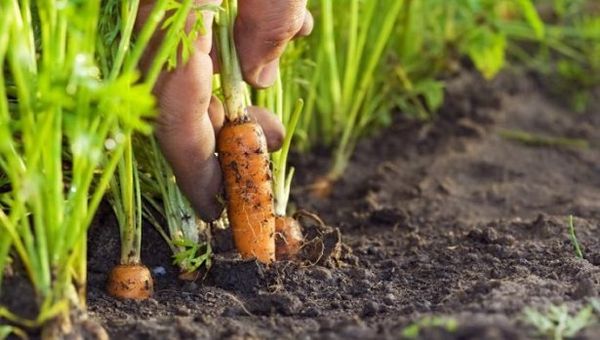
Before deciding when to harvest carrots, consider the following:
- characteristics of the variety. After all, the ripening of early varieties differs significantly from the ripening of late ones;
- specific development of cultivated plants;
- state of culture;
- climatic and weather conditions;
- purposes of crop cultivation.
The ripening period of the plant's fruits, and, accordingly, the time of their removal from the soil, directly depends on these characteristics.
It has long been believed that the optimal period for removing carrots and other root crops from the soil ended on September 13. After this day, nothing should remain in the beds. This can be explained by the fact that when the temperature drops to 4°C, vegetable growth stops, and when the temperature drops to -3°C, the plant is affected by gray mold, which negatively affects its shelf life. Therefore, it is necessary to remove the plants from the soil before the onset of permanent autumn frosts (no later than the end of September). However, do not remove the vegetables from the soil prematurely. This will also reduce their shelf life.
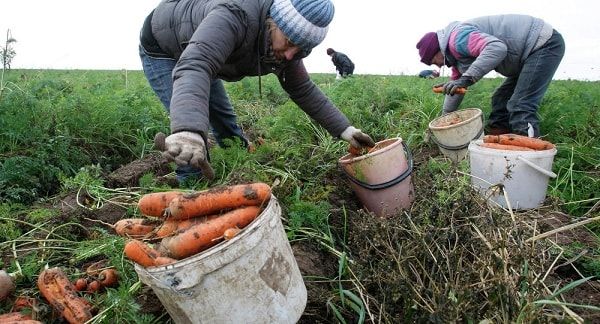
By correctly determining when to dig up carrots, you can grow a high-quality, attractive, and delicious harvest. Harvesting carrots at the right time will positively impact the root vegetable's shelf life.
Peculiarities of harvesting early and late carrots
Some gardeners plant the crop before winter or cultivate early-ripening varieties to enjoy a sweet harvest as early as midsummer. However, this vegetable typically doesn't store well. If harvested late, the fruits of this early variety will begin to crack in the soil and lose their juiciness. Consequently, the flavor will also change. However, this variety can be successfully grown to produce small, clustered fruits. This plant should be harvested when its "root" diameter reaches a centimeter.
Mid-season carrot varieties should be harvested no earlier than 80–110 days after planting. A sign of ripeness can be the yellowing of the lower leaves. Care must be taken to harvest the carrots precisely on time, otherwise they will lose their flavor and become loose. Some people mistakenly consider yellowing and wilting of the entire tops a sign of ripeness. This usually indicates a plant disease, not ripeness.
Late-ripening fruits should be harvested in the first half of September. The harvesting day should be fine. Rain on this day will negatively affect the quality of the fruit.
Some gardeners believe that harvesting should take place after the first light frost. However, this belief is untrue. After all, freezing temperatures encourage the development of gray mold on root crops. This can lead to the loss of the entire harvest during storage.
When deciding when to dig up carrots, keep in mind that removing the vegetable from the soil prematurely is also detrimental to the fruit. Temperature fluctuations also negatively impact the yield. If the harvest was carried out at temperatures of 20°C or higher, don't immediately move the crop to the cellar. In this case, wait until the crop has finished growing. Furthermore, cool temperatures promote sugar accumulation in the roots.
Harvesting Rules
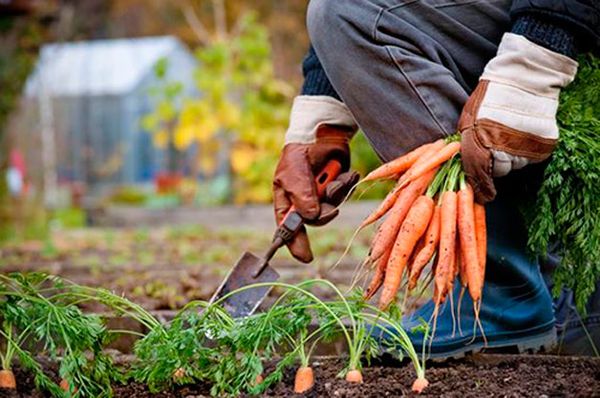
Once you've decided when to harvest your carrots, you can begin the actual harvest. Short and medium-length carrots can be harvested by hand, grasping the tops. Longer roots should be carefully dug up with a pitchfork or shovel. This process must be carried out with extreme care to avoid damaging or breaking the carrots. Lift the top layer of soil and pull the carrots out by the tops.
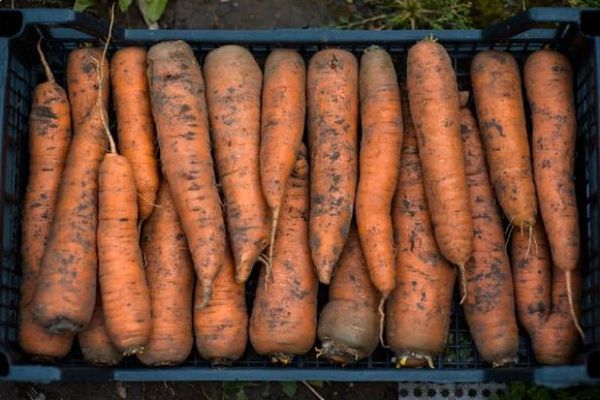
Some gardeners mistakenly believe that they need to leave the harvested vegetables and their tops in the garden for a few days. This supposedly allows the nutrients from the green part of the plant to be transferred to the underground part. However, this is not the case. The leaves draw all the nutrients from the fruit. Therefore, it is advisable to remove the tops almost immediately after harvesting. The key is to wait until the soil remaining on the harvested vegetables dries. You can leave the leaves on bunched vegetables, but it is better to trim them to a couple of centimeters.
You can not only trim the tops, but also twist them off. Removing the leaves will help extend the shelf life of the harvest. Leaving the tops on will cause the vegetable to dry out as it sprouts, reducing its nutritional value.
If you're unsure whether to harvest the root vegetables, pull a couple of plants out of the ground and inspect them, or even taste them. If you're satisfied with the ripeness and size of the fruit, feel free to harvest the remaining root vegetables.
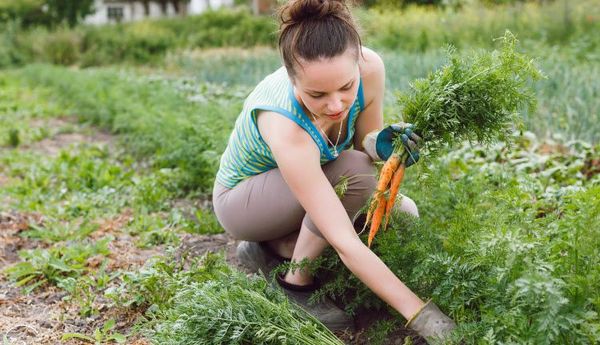
So, the proper way to harvest carrots is to ensure their long-term storage. It's best to only store carrots that are sufficiently ripe and have accumulated carotene and other biological substances. Damage to the root vegetable negatively impacts its shelf life, so it's important to remove it from the soil with extreme care.
If you can't figure out when to harvest the first time, don't despair. Experience is key.
Video: When to Harvest Carrots
This video will tell you when to harvest carrots.