
How to water carrots: rules and mistakes
Content
How to grow
Carrots can be grown anywhere, provided they are planted in good soil and properly watered. The quality of the soil and the location of the garden bed determine not only the proper development but also the taste of the roots. The planting site should be sunny and well-ventilated. If this condition is not met, instead of juicy, sweet, and crunchy carrots, you'll grow tough, dubious-tasting roots, commonly known as "fodder-like" carrots.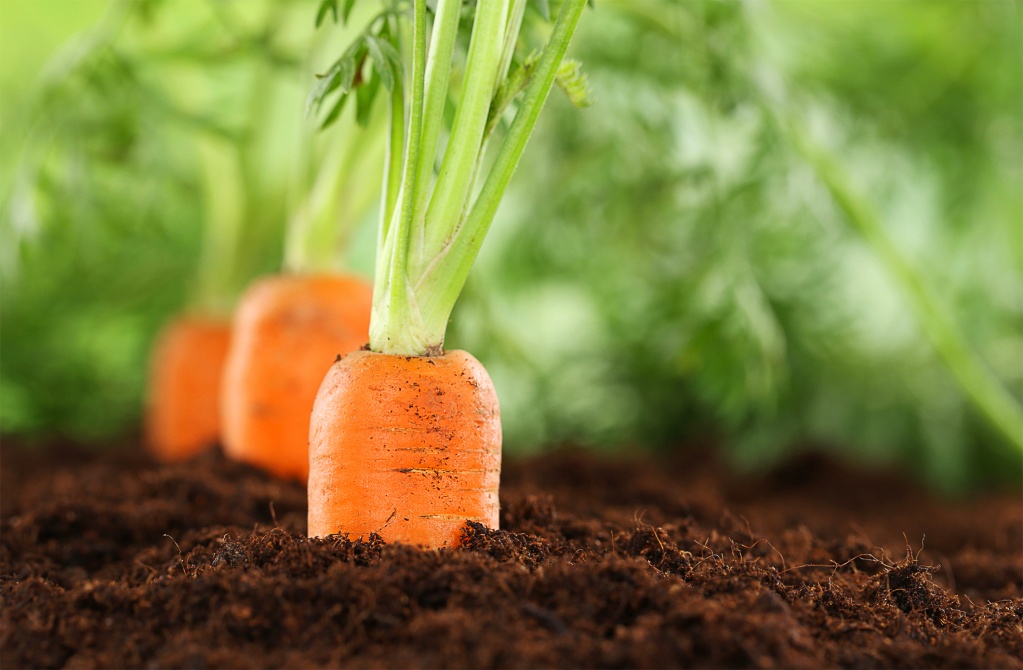
The soil for planting carrots should be loose and nutritious. Sandy loam or medium loam soils with a high humus content and neutral pH are ideal. This composition can be achieved by adding organic matter: compost or dry humus at a rate of 1 bucket per 1 m². In loamy soil, in addition to organic matter, add wood sawdust (3 l/1 m²) or coarse sand – these materials will make the soil more loose. To improve the flavor of root vegetables, add any potassium fertilizer, including wood ash.
Carrots are a plant that has no strict planting timing. They can be planted in early spring (for winter storage), in the fall (for early vegetables), or in June for late summer consumption of young roots. In all cases, the seeds are sown directly into the soil. Carrots tolerate cold well. They can be sown when the soil warms to 8°C (46°F), and dug up later before frost.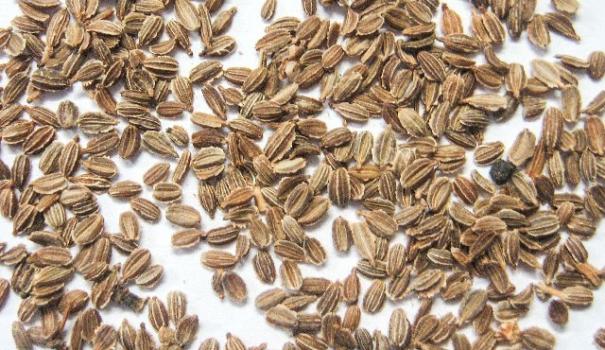
If you follow all planting guidelines, further care for carrots is simple. You only need to loosen the space between the rows, remove weeds, and water regularly. But even these steps can be avoided by mulching the beds. Using mulch for carrots has many advantages. Its primary purpose is to maintain soil moisture, but it also creates a favorable microclimate for the plants, serving as both shelter and fertilizer. Any organic material (peat, dry humus, sawdust, straw) or black film (agrotextile) can be used as mulch.
Video "Growing Stages"
This video will show you how to grow carrots correctly and step by step.
How and when to water
Watering is important and necessary for carrots at all stages of development, but this procedure isn't as simple as it seems. It's crucial to maintain consistent soil moisture levels at all times, as any changes can lead to root spoilage.
- with insufficient moisture, carrots grow coarse, with a hard, light center, a neutral, and sometimes bitter taste;
- If there is too much moisture, root vegetables may stop growing, become gnarled and unsightly, and all the nutrients will start to leak into the tops.
To prevent this, water the bed at regular intervals and with approximately the same amount of water. Watering rates will vary depending on the stage of root crop development, but the principle is always the same: water at regular intervals.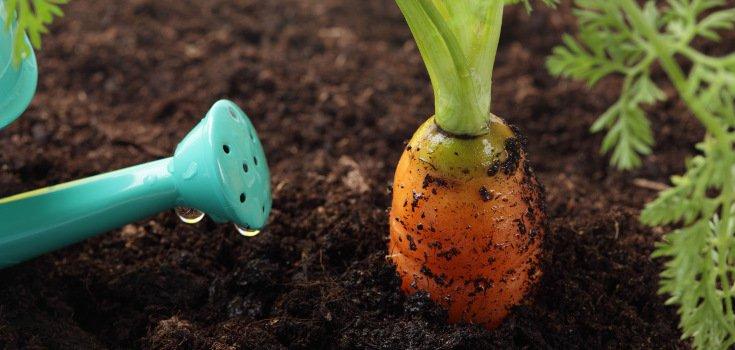
How often should carrots be watered? During the initial months, the plants are actively developing roots, so they need a lot of water, but avoid overwatering. Over the course of a month, the bed should be watered at least six times (once every five days). It's best to distribute the water over 2-3 applications, periodically checking the soil moisture level. After each watering, loosen the soil surface to prevent crusting.
Once the roots have formed, the plants will begin to grow foliage. During this time, watering should be reduced (4-5 times a month). Once the tops have formed, the roots will begin to gain weight, and the need for watering will increase again. Starting in August, the frequency of watering will decrease, as by this time the roots have already formed and gained weight—they just need to ripen.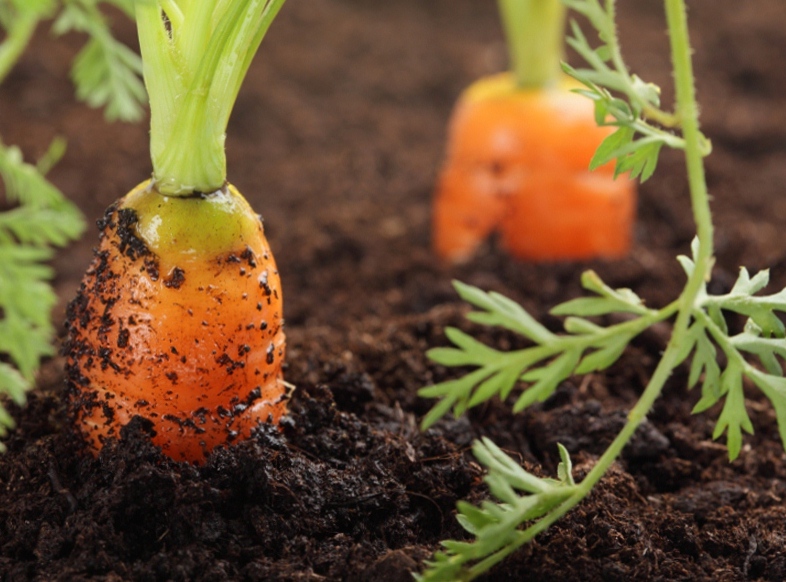
As for water quality, warm rainwater is best for carrots. If there's no rain, water only with settled water. Even if you use well water, it should be used only after 24 hours, allowing any harmful impurities to settle to the bottom and the water to warm to room temperature.
Pre-sowing irrigation
The need for this procedure depends on the planting time. If carrots are sown in early spring, the soil is still well-moistened by meltwater and doesn't require additional watering. In southern regions, the soil dries out faster, especially if there was no snow in the winter. In this case, the top layer of soil should be moistened before planting, but this must be done very carefully to prevent the soil from becoming too wet. To avoid overwatering, dig up the soil before watering and determine the correct depth.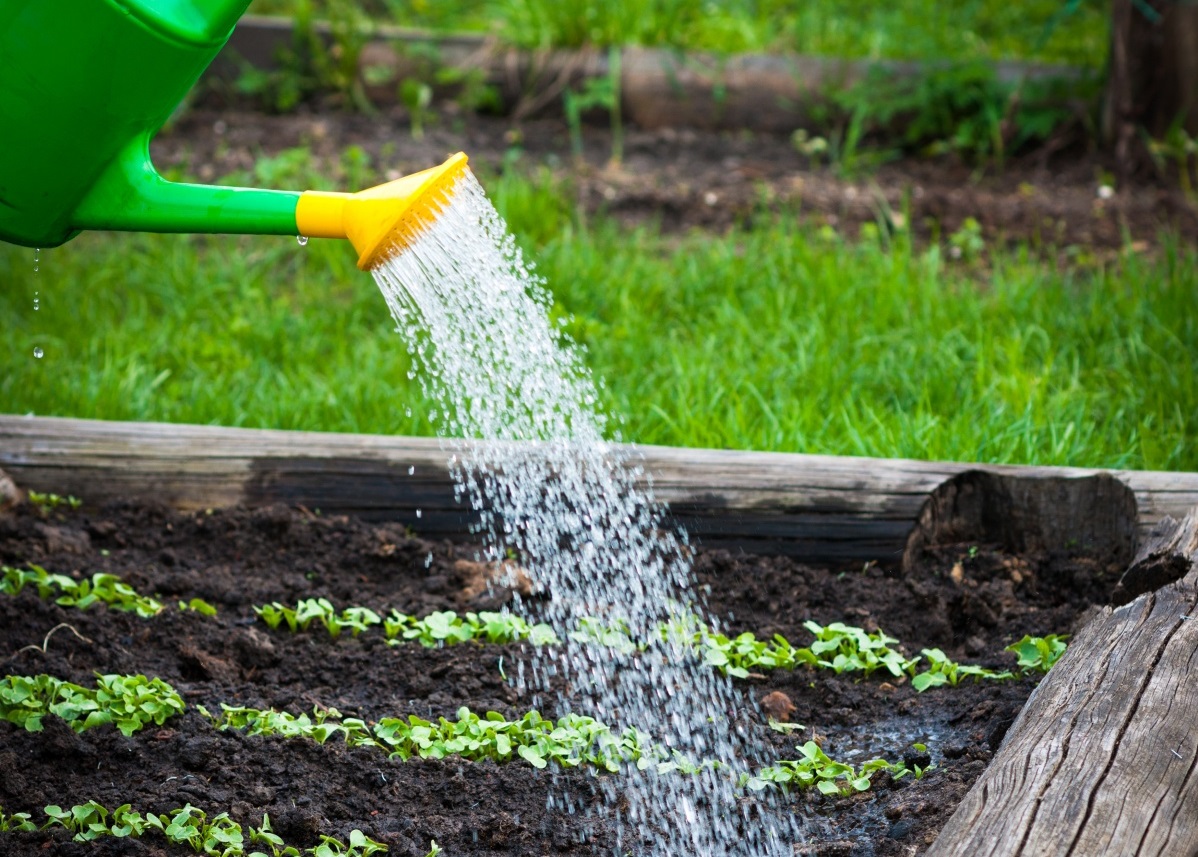
For summer and fall plantings, the bed should be thoroughly watered a few days before sowing the seeds. A watering can isn't enough; a hose with a spray nozzle is better. In the summer heat, the soil surface may dry out again; in this case, you'll need to water the furrows where you sow the seeds.
After planting, it's recommended to cover the seeds with a thin layer of peat mixed with sand—this mixture will help retain moisture in the furrows longer. If there was heavy rain the day before planting, there's no need for pre-planting watering—the soil will remain moist for a long time anyway.
Post-sowing irrigation
This procedure only makes sense if the bed wasn't watered before planting. Watering the beds immediately after sowing is unsafe, as the running water can wash away the seeds. For this reason, pre-sowing watering is preferable. If for some reason it wasn't possible to water the bed before sowing, it should certainly be done after sowing using a watering can with a fine nozzle. Since the seeds are sown shallowly (1-1.5 cm), the water stream should be sprayed to avoid damaging the row.
Irrigation rates
It's very difficult to establish uniform watering standards for carrots. Water consumption and frequency depend on many factors: the growing season, weather, soil conditions, and even the variety. As a general rule, 4-5 liters of water per 1 m² of planting area is considered the norm during the initial growth stage. Monthly, this is as follows:
- in May, when the shoots begin to appear, the norms increase: during the month, 6-8 waterings should be carried out at a rate of 5-6 l/1 m² of the garden bed;
- for June this figure is already 10-12 liters, and the number of procedures should be at least 4-6.
- During July, only 4 waterings should be carried out, but in the amount of 12-15 l/1 m²;
- from August the norm begins to decrease: this month only 1-2 waterings are enough with a water consumption of 5-6 liters per meter;
- 2-3 weeks before harvesting, watering should be stopped, but immediately before harvesting, the bed can be slightly moistened to make it easier to dig up the root crops.
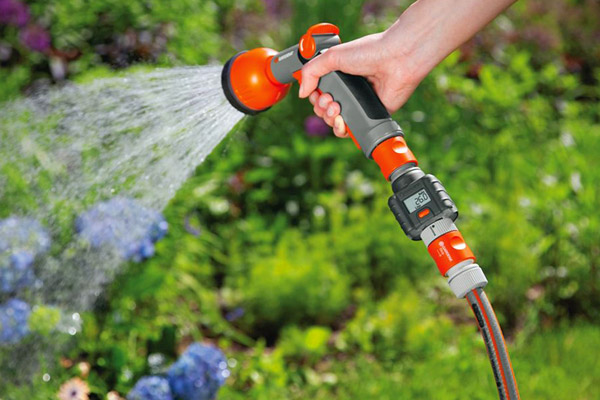
Carrots prefer liquid root feeding, so watering can be combined with fertilization. It is recommended to feed carrots with liquid solutions of mullein, ammonium nitrate, and superphosphate. To avoid burning the roots, it is best to apply the fertilizer in small furrows between the rows—the nutrients will quickly reach the roots in moist soil. During the root formation phase, it is recommended to water the plants with an ash solution; this will improve their flavor.
Errors
Very often, even when following basic agricultural practices, root vegetables grow of poor quality simply because the grower neglected details and didn't fully understand how to properly water carrots in the garden. The most common mistakes include:
- Inconsistent watering. It's possible that there wasn't time to water, and the soil has dried out. If you overwater after this, the roots will crack, leading to a loss of not only their appearance but also their flavor. To avoid this, restore moisture gradually, or better yet, prevent this from happening.
- Creating raised beds. Modern gardeners use this technique for all crops, but carrots should be planted on a level surface. The exception is constantly wet areas with close groundwater levels. Otherwise, the root vegetables will lack moisture and oxygen, which will affect their quality.
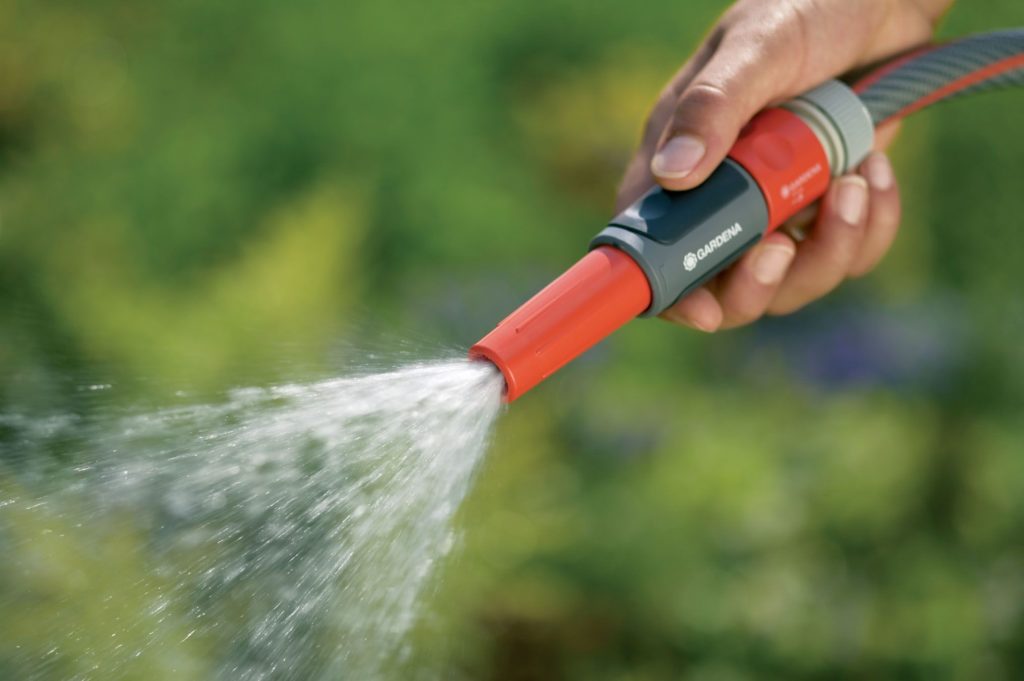
- Some gardeners use water directly from a pump for irrigation, connecting a hose to it. It's important to note that this type of irrigation is harmful not only to carrots but also to all other crops, from flowers to fruit trees. Water for irrigation, even the purest, should be poured into containers where it can warm up and remove salts.
Don't neglect these simple rules, so you don't regret wasted time later, because what could be more annoying than losing a crop just before it's harvested?

Video: "Proper Watering"
This video will show you how to properly water carrots.