
Technology for transplanting raspberries to a new location in the fall
Content
When is the best time to transplant raspberries?
Transplanting raspberries to a new location in the fall is one of the most important aspects of growing this plant. Therefore, it's important to know when and where to transplant them. The following times are recommended for this procedure:
- In the spring. Carrying out these procedures in the spring ensures good survival of the bushes. Before winter, the plants will have time to adapt and establish themselves in their new location, reducing the risk of freezing during the cold season. By replanting raspberries in the spring, you can already get good root shoots at the same time the following year, which are necessary to replace the shoots that have already produced fruit.
- Summer. This time is considered unfavorable, as the weather can be very hot. Therefore, replanting bushes should be done on cool days, as the plant's roots need to be protected from the harmful effects of direct sunlight. The sun can "bake" the root system. After transplanting the stems to a new growing location, they should be shaded from the sun for several days.
- In the fall. Raspberries need to be replanted at specific times in the fall so they have time to strengthen and establish themselves before the frost. Otherwise, they will freeze and die.
As we can see, the most heated debate about the best time to transplant this berry crop concerns spring and fall. Although each gardener decides for themselves whether to perform this procedure in spring or fall. Spring offers a better chance of successful plant survival. However, if done correctly in fall, excellent results can also be achieved.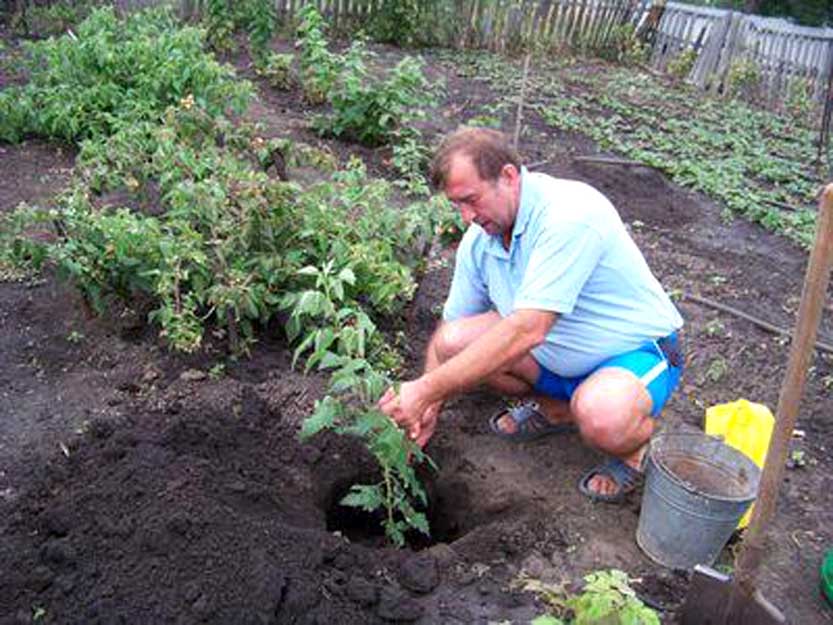
The key to autumn replanting is to do it before the first frost. Therefore, raspberries should be moved to their new location in early autumn. This is usually done in late September. Early October is also suitable. The best month to choose depends on the temperature. In the southern regions of the country, fine and warm weather can persist until the end of October, while in northern regions, the cold weather sets in much sooner. Therefore, the best month to replant raspberry bushes also depends on the growing region.
Choosing the right time to plant young shoots is especially important. They should be planted in early autumn to allow the roots to establish before the cold weather sets in.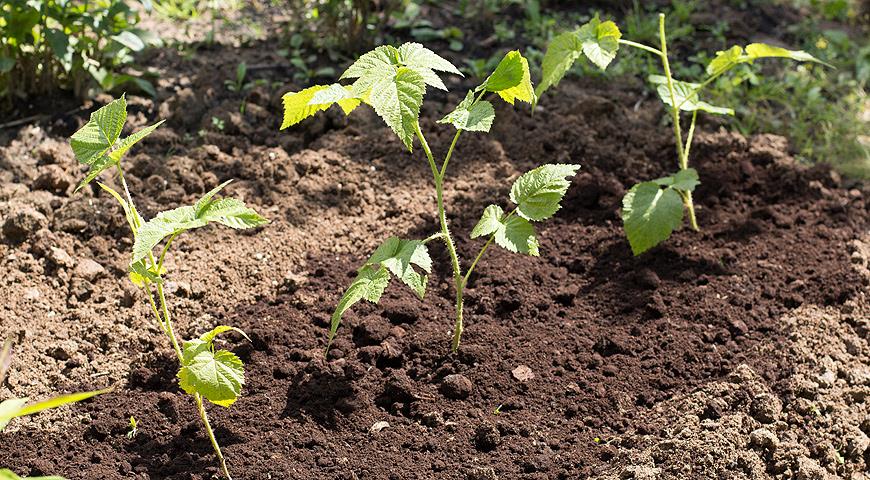
Experts say raspberries are undemanding when it comes to transplanting. Therefore, each gardener must determine the right time to relocate their plants.
These rules apply to both regular and everbearing varieties. The only thing to remember is not to move all your raspberry bushes at once. Otherwise, you risk losing your harvest. Relocate the bushes gradually to minimize yield losses. Furthermore, planting an entire raspberry patch at once is very difficult.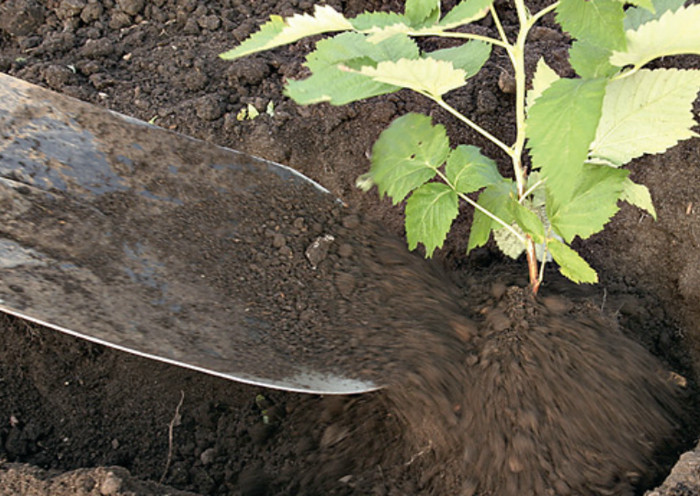
There's no need to relocate the entire bush. Raspberries are perennial plants with a well-developed root system. Therefore, replanting only part of the bush is sufficient.
Video: "Pruning after harvest"
From this video you will learn how to prune a bush in the fall.
How to prepare a site for a new raspberry patch
Once you've decided on the transplanting time, you can begin preparing the new site. The speed of plant adaptation and the size of the future harvest depend on the quality of the site chosen. The soil there must meet the following requirements:
- fertility;
- good drainage;
- the required pH value.
Legumes, cruciferous plants, and nightshades are excellent predecessors for raspberries. Raspberries can also be planted after cabbage, cucumbers, and tomatoes. They enrich the soil with essential micronutrients.
Experts also note that a previously uncultivated plot is an excellent solution. In this case, about a month before replanting, turn over all the topsoil in the chosen area. This should expose the grass to the ground. This will rot and create optimal conditions for the rapid adaptation of the bushes.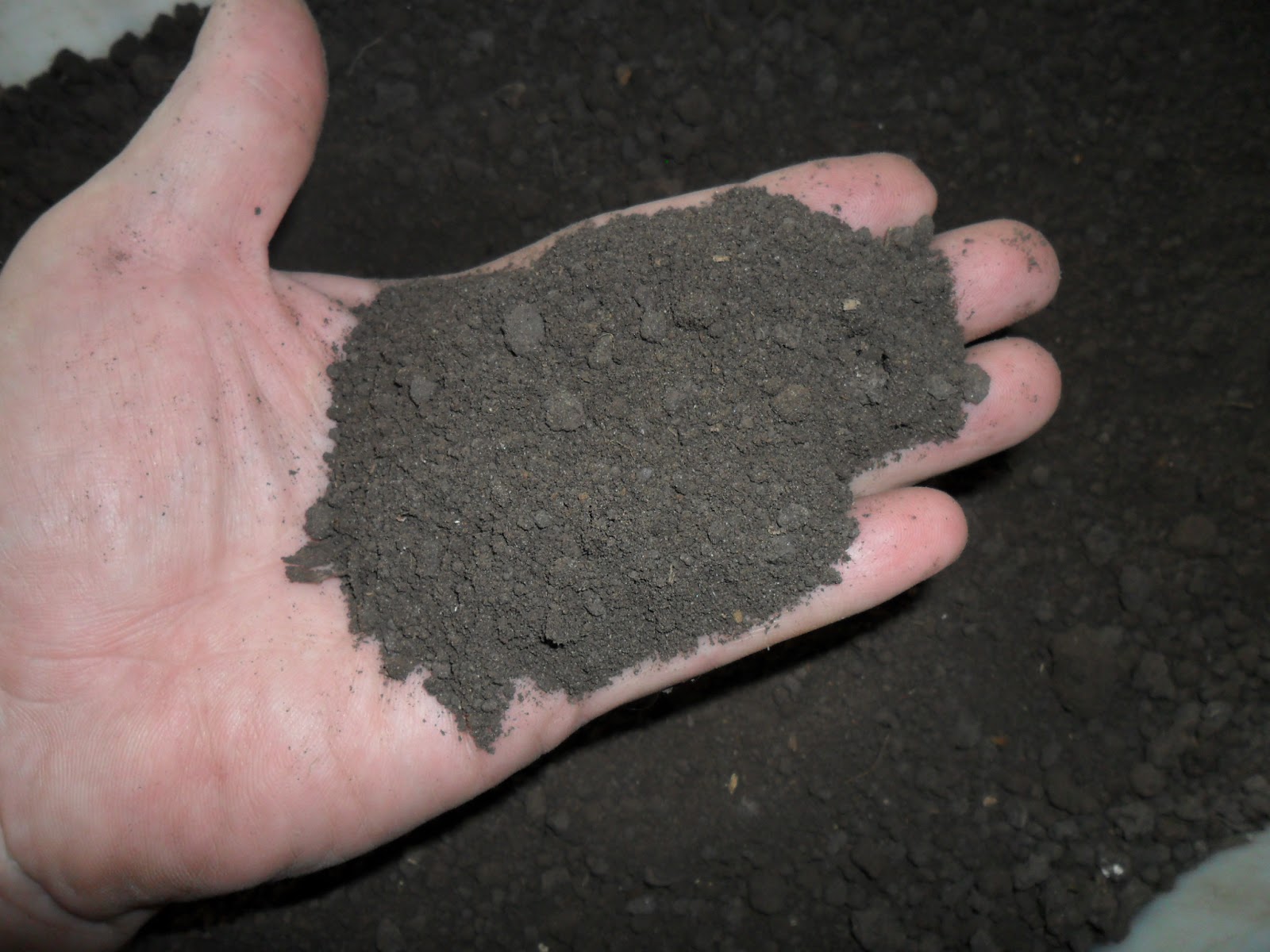
Raspberry bushes should be planted in shaded areas. This is because direct sunlight is not recommended for this berry crop.
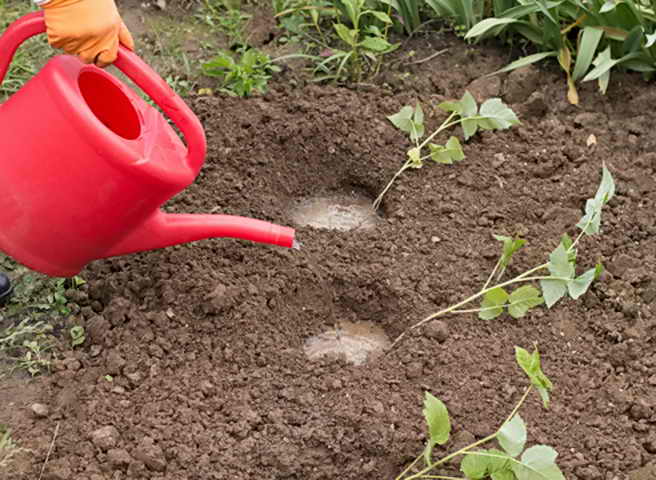
Once a site has been selected, it's time to prepare the area for planting. Raspberries can be planted in two ways: in a trench or in holes. Each gardener chooses their own method, as there's little difference. The trench method is considered simpler. It greatly simplifies subsequent care of the raspberry patch. In this case, the trenches can be fenced to prevent the plants from spreading. This also makes watering easier.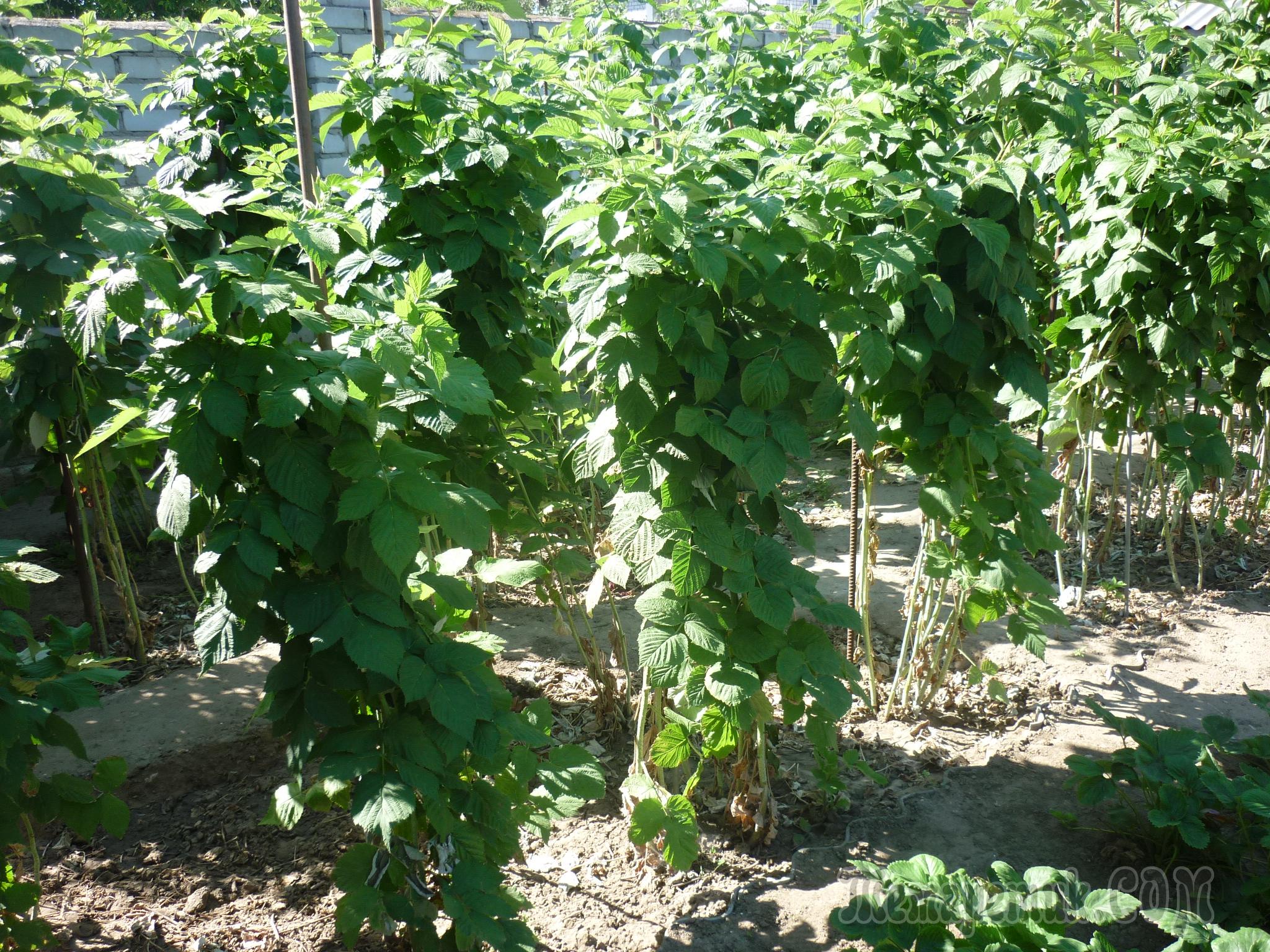
Both planting methods can be used regardless of the timing of this procedure (summer, autumn or spring).
Preparing the holes or trenches should be done in advance. To do this, follow these steps:
- the holes should be 40 cm wide and 60 cm long. There should be a free space of 50 cm between them;
- Trenches are dug to a depth of a shovel blade. Their length should be approximately 1.2 m;
- Add compost to the bottom of the hole/trench. The best compost for raspberries is a mixture of shredded, rotted leaves and branches. Experienced gardeners also recommend adding wood ash (add one can of ash to a bucket of compost and mix everything together).
- then black soil is placed on top of the compost, thereby creating a nutrient cushion for the root system;
- Then, the blanks should be covered with roofing felt. This will prevent weeds from appearing and also help settle the soil slightly.
However, you may find information that suggests you should begin preparing a plot for a new raspberry patch several years in advance. If you follow this technique, your steps should look like this:
- The first year, add organic fertilizers to the soil: potassium salt, superphosphate. If the soil is acidic, add lime. Planting legumes is also recommended. When they begin to flower, chop them up and add them to the soil.
- In the second year, you need to plant squash, cucumbers, and zucchini in the selected area. Once the harvest is complete, the soil should be thoroughly dug over and loosened.
This completes the preparatory work.
Transplantation technology
To transplant raspberry bushes, you need to know how to do it correctly. Replanting bushes can solve many problems. It's necessary in the following situations:
- depletion of the soil in the old growing area as a result of the raspberry bush being in this area for a long time;
- Deterioration of soil composition as a result of improper or inadequate agricultural practices. This can include changes in soil acidity or nutrient deficiencies;
- The accumulation of large amounts of pathogenic microflora in the soil where raspberries grow. This situation can occur due to poor pest and microbial control measures, or even a complete lack of them.
As a result, replanting is essential; without it, the bushes will produce increasingly smaller crops or even die altogether. To prevent this, raspberry bushes should be relocated every four years. This is the only way to ensure good fruit production and disease-free growth.
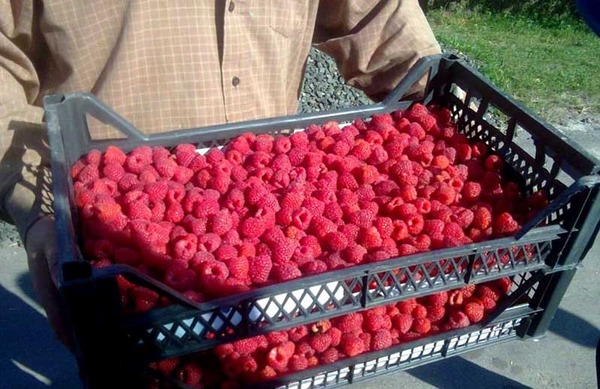

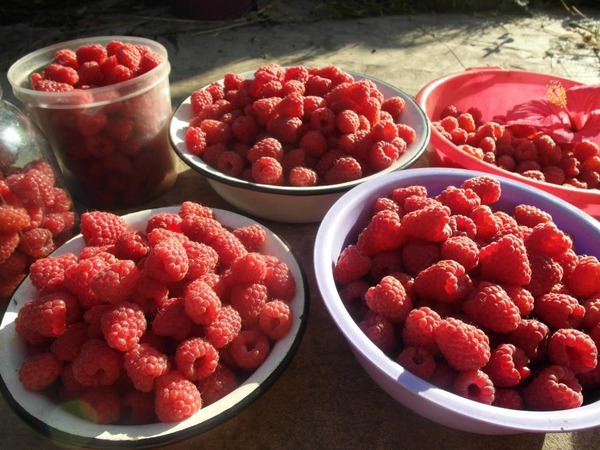
However, in order for raspberries to take root well in a new location and produce a bountiful harvest, it is necessary to adhere to certain technologies and rules.
The transplant technique includes the following recommendations:
- For transplantation, select only the most vigorous bushes with developed root shoots. Their diameter should be at least 1 cm;
- shoots should be cut at a level of 60-70 cm above the existing root system;
- If the site is characterized by waterlogged soil, planting should be done in raised beds prepared in advance. Excess moisture will then be drained by the inter-row furrows.
- The selected site should not be exposed to gusty northerly winds, as these would be unfavorable for raspberry growth;
- After planting, the soil around the bushes must be mulched. Experts recommend using peat, sawdust, and straw for this purpose.
Before transplanting plants to a new location, it's important to ensure that the soil in the current location has already depleted its nutrients or has accumulated a significant amount of parasites and pathogenic microflora. If these conditions aren't met, the procedure won't increase the yield or improve its flavor.
Raspberry bush care
We've covered how to transplant raspberries. Now we need to discuss the final question: what kind of care will they need afterward? First, the bushes should be tied to a trellis or other support. Wire is the best method.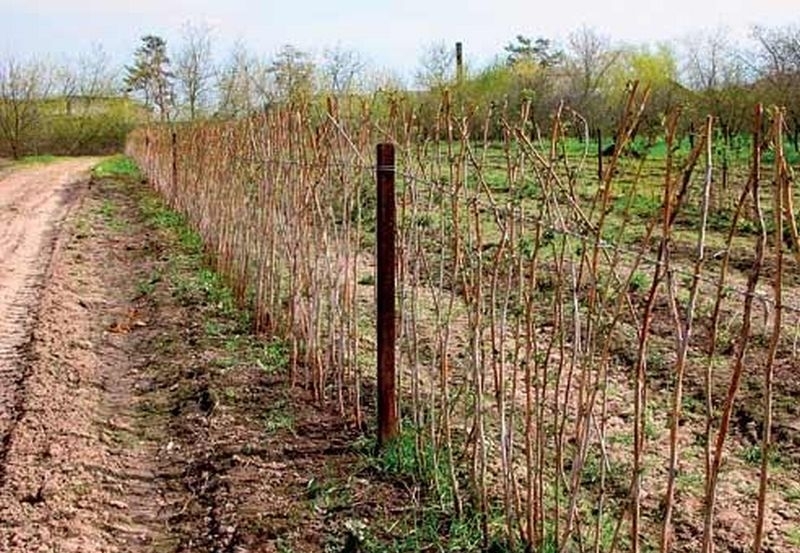
After this, water the plants thoroughly. Apply up to 8 liters of water per bush. After three days, mulch. It's recommended to use compost. Mulching should be repeated immediately before frost.
Once the steps described above have been completed, care for the transplanted raspberry bushes should be carried out as follows:
- Watering should be done once a week. This rule applies to situations where the plantings have not been mulched;
- periodically you need to weed;
- The first feeding is done when the bushes have established themselves and are growing. In this case, use a mullein infusion (ratio 1:10). Pour approximately one liter of this solution under each raspberry bush. This type of feeding can be combined with watering.
- In the fall, spread dried cow manure around the bushes. In the spring, when the snow melts, the manure will seep into the soil. This procedure is only carried out if possible.
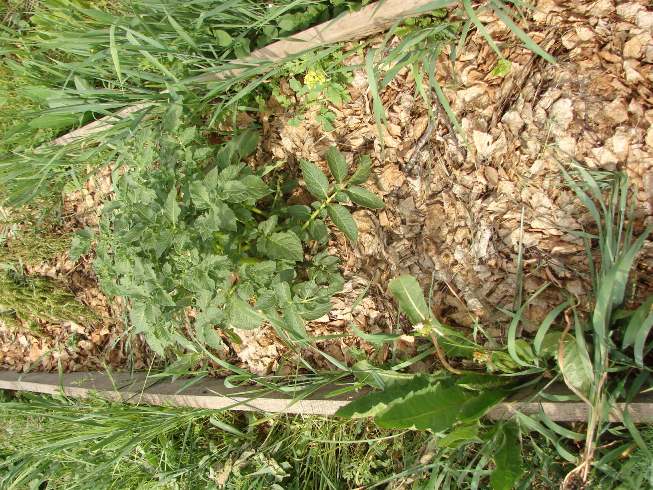
Please note that if planted in the fall, pruning is not necessary. They simply won't have time to stretch and form this year's growth. However, during this period, the raspberry patch should be thoroughly watered. Apply three buckets of water per square meter. After this, press the shoots down to the ground to prevent them from freezing. You can use steel wire for this. The shoots should be bent down when the ground becomes covered with ice.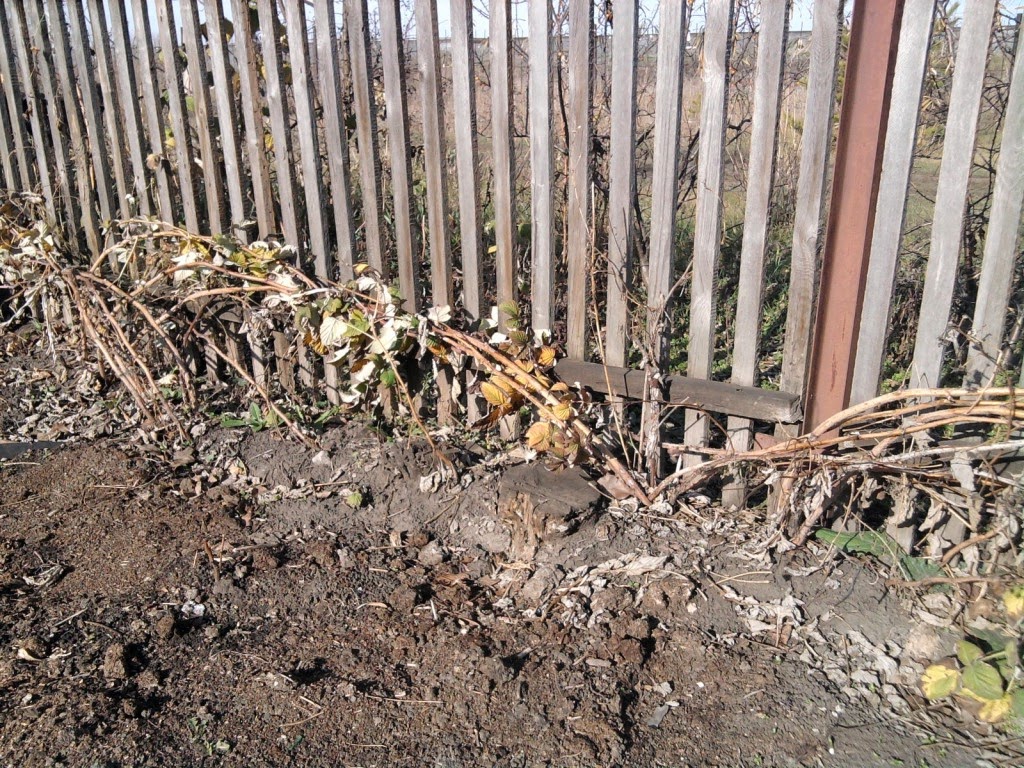
Regardless of the time and method you choose to transplant raspberries, it's still a labor-intensive and complex process, especially if it's done in the fall. Therefore, it's important to take it seriously and strictly follow all recommendations. This is the only way to ensure a good harvest next year.
Video "Replanting a Bush"
This video will show you how to transplant raspberries to a new location.