
Yellow raspberries - growing and care
Content
Popular varieties
The very name of this variety contains an obvious paradox! And the berry's "biography" may seem dubious. After all, it's a mutant. Yes, no one deliberately bred it, such a strange thing. It simply arose one day as a result of a mutation, and then they began propagating it.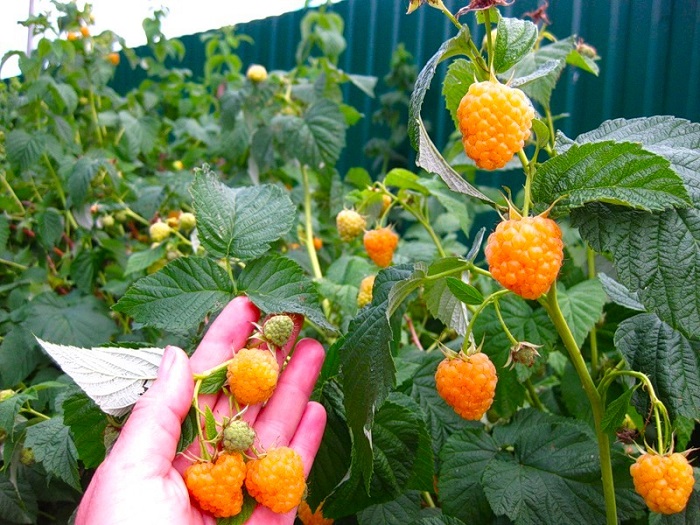
But don't let these apparent oddities fool you, dear gardeners. While unusual in appearance, this berry is in no way inferior to its traditional relatives and even has some advantages. For example, it causes allergies significantly less often. Nature has skillfully combined sweet and sour nuances in its flavor, accompanied by a pleasant aroma. "Nemaberry raspberries" are suitable for literally everything. Enjoy them fresh, make jams and preserves, and create wines and liqueurs.
If you haven't planted these bushes in your garden yet, it's time to rectify this oversight. Choose a variety that suits your taste. Each has its own advantages. The fragrant "Slastena," the prolific "Yellow Giant," the quick-harvesting "Golden Jester," and the resilient "Apricot." These popular yellow raspberry varieties have rightfully earned the affection of gardeners.
Yellow giant
Among the amber-colored berries, the "Yellow Giant" variety is perhaps the most well-known. And for good reason! It lives up to its name. The bushes aren't particularly spreading, but they quickly reach for the sun, reaching 2.5 meters in height. Large flowers hang on sturdy stems, which will later develop into berries—enormous, the size of walnuts. Each branch bears two dozen bright yellow bulbs. With careful care, a single "Giant" bush will reward you with an excellent harvest of 3-6 kg.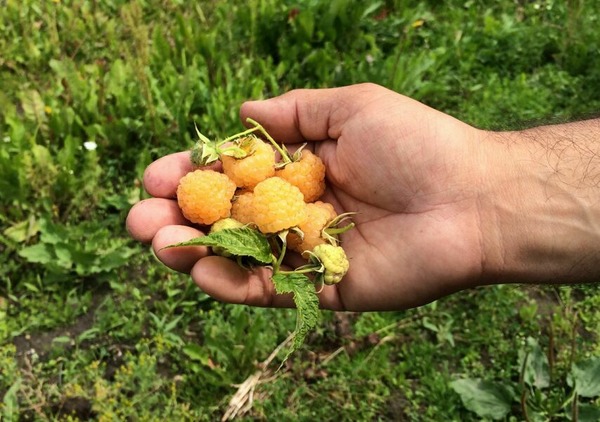
New varieties are commonly created through crossbreeding. But "Yellow Giant" is a clone. That's right, it was created in a laboratory using cloning. The results pleased the creators. The variety is distinguished by:
- rare yield;
- large berries;
- easy and fast reproduction;
- the ability to bear fruit from mid-summer to late autumn;
- pleasant taste and aroma of juicy berries;
- good health.
The Yellow Giant is not suitable for industrial production – the delicate berries are not suitable for transportation.
However, all its characteristics are ideal for a summer cottage or garden plot. However, one must be aware of one characteristic of this variety: root suckers develop rapidly, and "Giant" can take over an entire plot if the root suckers are not removed promptly.
Well, even giants have a right to be capricious. Especially since he will generously repay those who look after him carefully.
Morning dew
Want to grow sunny raspberries not only for yourself but also for a small business? Consider the "Morning Dew" variety. It was developed by specialists from the Polish Institute of Horticulture and Floriculture, and in its native land it's known as Porana rosa.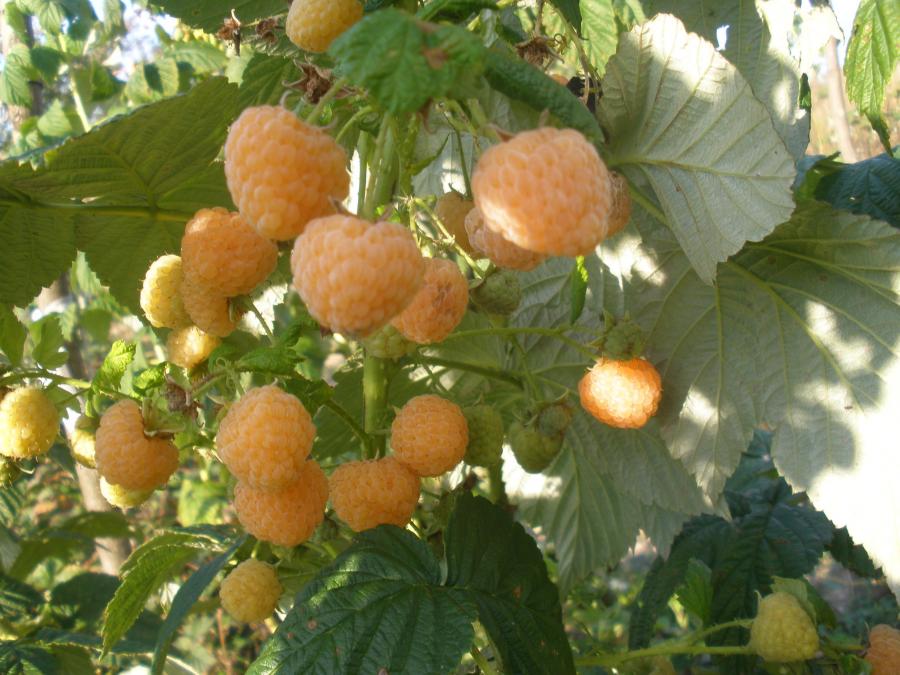
This variety is for gourmets who don't like a sickly sweet taste. The round, golden berries have a pleasant tartness. They are quite large, weighing 4-8 g, and given the abundant harvest (a single bush yields up to 3 kg), "Morning Dew" requires staking. While the straight stems are strong, they are also very tall, reaching nearly two meters. Therefore, branches heavy with berries must be supported.
This is a remontant raspberry. "Morning Dew" ripens in autumn, early September. As soon as fruiting is complete, experts recommend cutting back the above-ground portion of the bushes immediately for a better harvest. Note that this variety can bear fruit twice a year, but experts recommend choosing quality over quantity.
"Morning Dew" is quite undemanding, earning its place among hard-working varieties. Resistant to heat, frost, and disease, it's the most productive of all everbearing varieties, and easy to transport—a rare trait among yellow raspberries, let alone red ones. This variety is rightfully considered one of the most promising.
Yellow sweet tooth
"Yellow Sweet Tooth" is an appealing name, isn't it? And it's not just the name—you'll see it for yourself once you get to know the variety better. 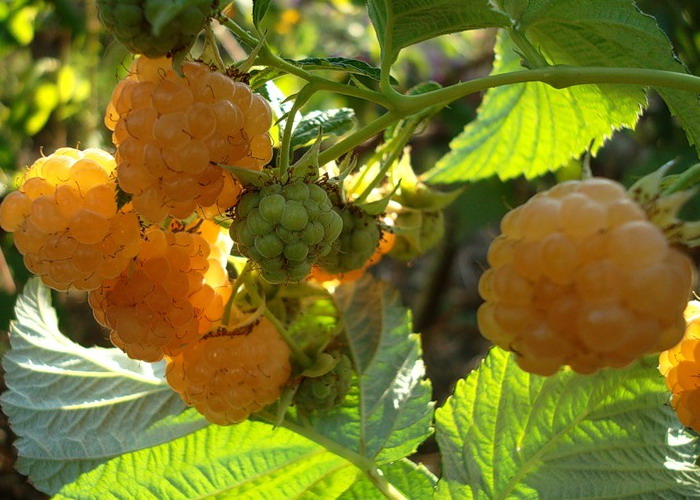 By choosing this particular yellow raspberry for your garden plot, you are choosing:
- an unusually tasty and aromatic berry;
- rich harvest (about 3-8 kg per bush) from mid-July;
- a plant with strong "health", resistant to pests and diseases.
This masterpiece of domestic breeding was created at the Zonal Research Institute of the Non-Black Earth Region in 1990 and has since proven its excellent qualities time and again. "Yellow Sweet Tooth" doesn't require excessive attention. The most important thing to remember is to protect the shoots for the winter. Even though breeders crossed the original variety with a winter-hardy donor, "Slastena" still requires careful care during cold weather—unless, of course, you live in the south.
Overall, this variety is easy to care for. Gardeners will certainly appreciate the thornless bushes. And the ripe berries stay on the bush for a long time, not falling off quickly.
Harvesting is easy: "Slastena" rarely grows taller than 1.5 m. In short, it's an excellent choice for your garden, producing delicious berries your whole family will love.
Orange miracle
A variety of the future, an elite everbearing raspberry—these are the flattering characteristics that growers give to the "Orange Miracle" variety. And these aren't empty compliments, but a statement of fact.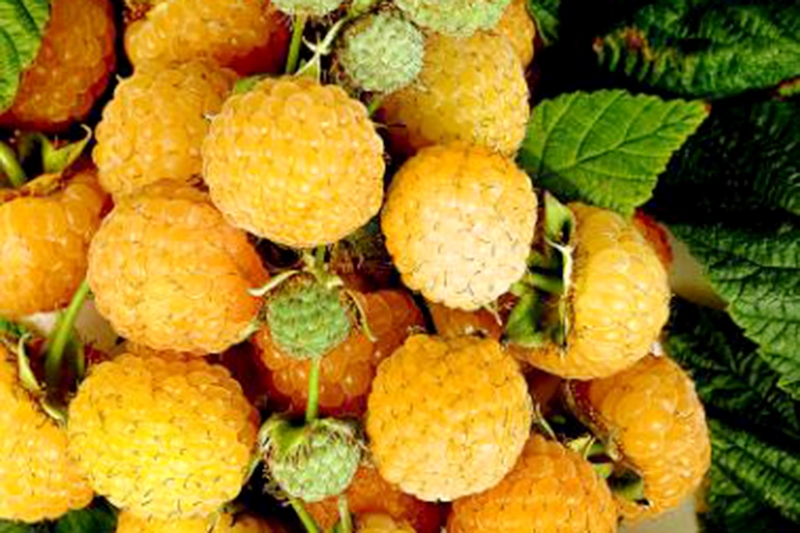
Judge for yourself. This raspberry can be planted in any soil and, according to the variety's creators, in any climate. It doesn't require excessive care, as it's virtually impervious to pests and diseases. Ripe berries hang on the bush for a long time. And these stunningly beautiful orange berries begin to ripen around mid-August. Fruiting ends in late autumn, just before the first frosts. The large berries (averaging 6 g) are delicately sweet, juicy, and very aromatic.
Another rare advantage for yellow raspberries is that the variety is transportable. "Orange Miracle" can be grown not only for family consumption but also for sale. As a modern variety, breeders have eliminated many of the shortcomings of "Miracle."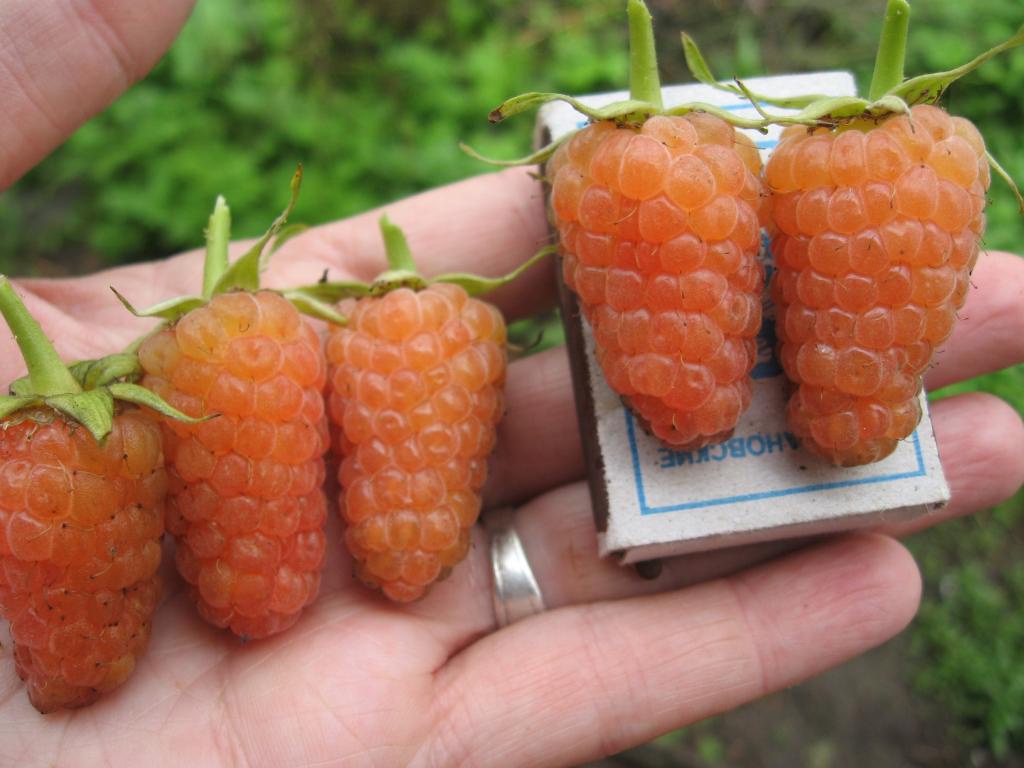
Breeders position this variety as resilient to any conditions; it doesn't require intensive fertilizing or super-protection from pests. However, there are certain conditions that "Orange Miracle" will especially appreciate. These are quite common: a sunny planting site and adequate watering. And support for the bushes is essential, as each one promises a harvest of 2-2.5 kg. The orange sparkles of ripe berries will be a wonderful addition to your garden.
Apricot
Do you love truly sweet raspberries? Then forget about the usual "red" varieties. The yellow "Apricot" is just what you need.
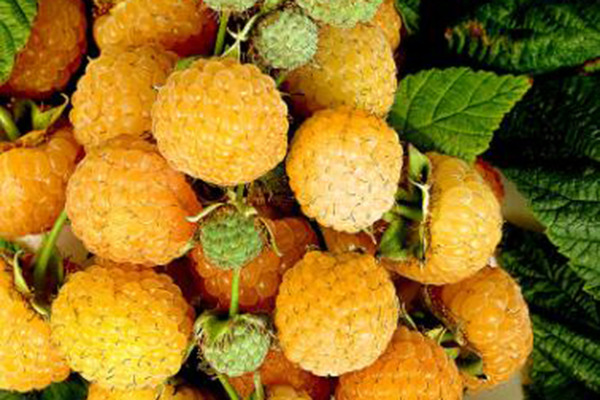
The variety owes its name to its exceptionally beautiful color, which truly resembles a ripe apricot. The delicate yellow-orange hue with a subtle pink tan looks fantastic. But the taste and aroma are truly raspberry-like.
This wondrously beautiful berry seems destined for children by nature itself. No candy can compare to the taste of these berries, and they're easy to pick: the bushes are low, rarely growing taller than 160-170 cm. And the upper branches are completely thornless.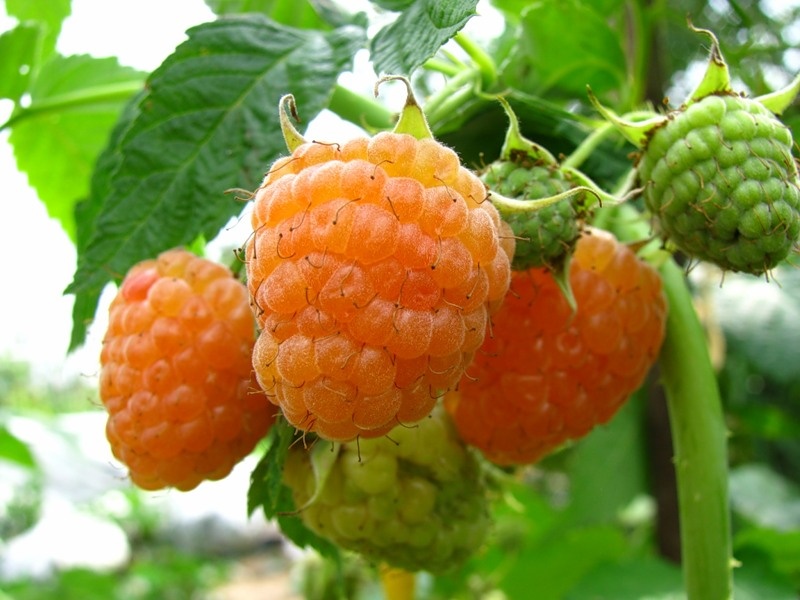
This seemingly small bush produces an excellent harvest—up to 4 kg. Of course, one of the advantages of the "Apricot" variety is its everbearing nature. The first berries ripen by midsummer. A second wave of harvest continues until the first frost.
Apricot raspberries are quite delicate and thrive in moderately warm climates. Cold and damp conditions can ruin the berries, and heat and drought can prevent them from fully developing their flavor. However, in pleasant conditions, they will delight you both summer and winter. Apricot jam is not only delicious but also magically beautiful.
Video "Growing"
This video will show you how to grow an unusual berry called yellow raspberry.
Planting yellow raspberries
The planting guidelines for this unusual raspberry are essentially the same as for its red cousin. Choose a location with ample sunlight—all raspberries thrive in full sun. These varieties have relatively modest soil requirements, but they do require well-moistened soil. Enrichment with manure and peat, as well as sand and nutrient-rich mixtures, will be beneficial.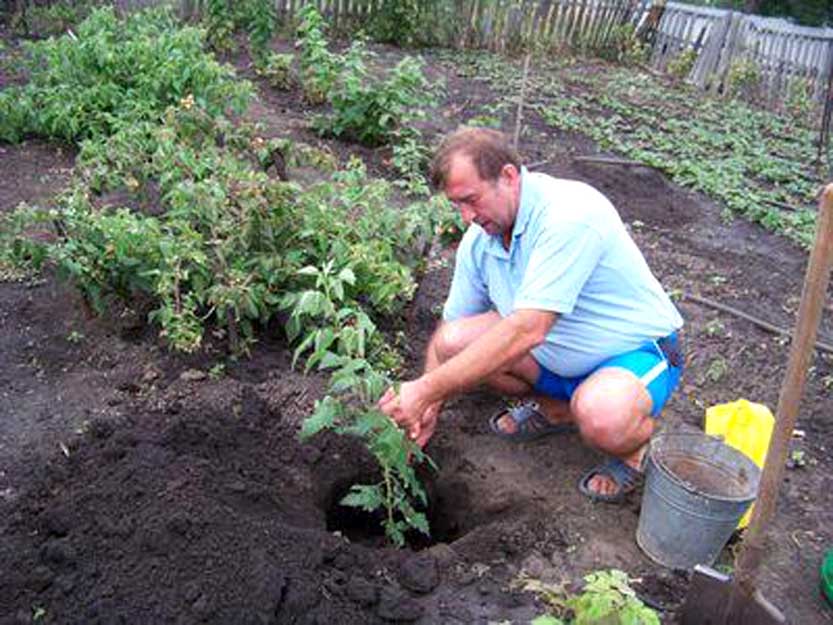
If you're planning to plant raspberries in a plot where other crops have already grown, keep in mind that not all predecessors are good. Remember that the following are completely excluded:
- tomato;
- pepper;
- potato;
- strawberries.
The problem is that they share the same diseases and pests as raspberries. It's best to protect the delicate berry from this inheritance. Raspberries can be planted without problems where carrots, zucchini, and cucumbers were previously grown.
The best time to plant is fall and spring. If using green cuttings, summer is the best time. You can prepare either holes (40-50 cm apart, 1 m apart) or trenches (45 cm deep, 50 cm wide) for the seedlings. Everbearing varieties are best planted in rows.
It's recommended to soak the roots of the seedlings in a mullein solution before planting. The optimal depth is for the root collars to be a few centimeters above ground level. Make sure the roots are well covered with soil. After planting, mulch the soil. Humus, peat, or simply dry soil are suitable. Now water the roots again, being careful not to wash the soil off the roots.
Further care
So, yellow raspberries have appeared in your garden. Planting and care are quite traditional for this plant. One important part of care is watering. Raspberries love to drink, but excessive moisture is harmful, so we need to find a happy medium.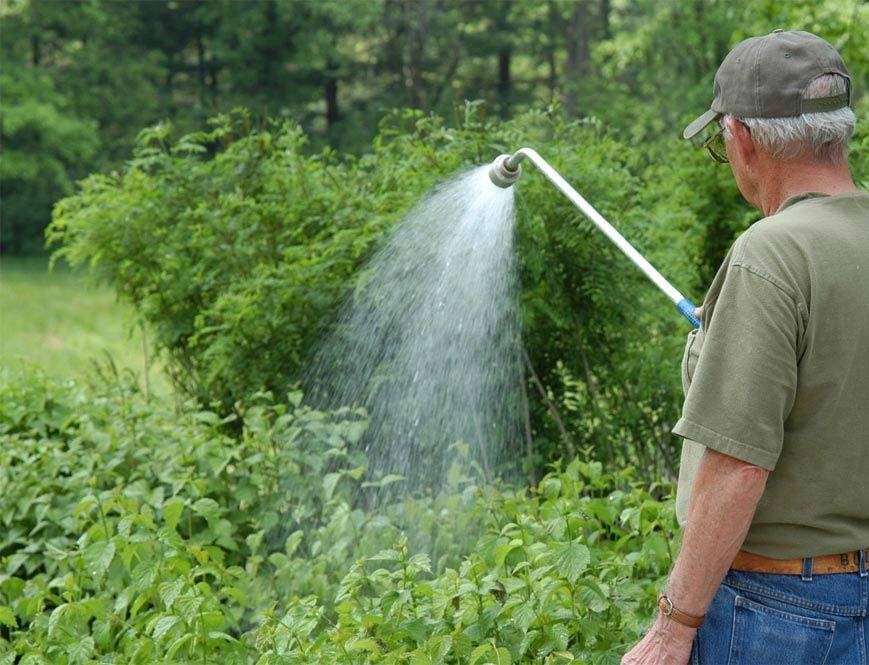
Excessive density also doesn't do it any good. It's crucial to remove excess shoots and root suckers promptly. By doing this, you'll ensure the plant receives both sufficient nutrients and good light—both essential for a bountiful harvest.
Therefore, let us highlight four main points:
- sufficient and timely watering;
- thorough but gentle loosening of the soil without damaging the roots;
- top dressing during the period of active growth (early summer – nitrogen fertilizers, the second half – complex fertilizers);
- timely removal of excess shoots.
Of course, you need to remove weeds from among the raspberries. But there's no point in throwing them away or destroying them. Throw them under the bushes: the rotting weeds will nourish the raspberries and create a mulch layer.
When and how to prune bushes? The first snow and frost are a signal for the gardener: it's time to prepare the bushes for winter. Don't prune them before the snow falls. After all, this plant makes good use of the autumn before frost: it accumulates nutrients for the next season, ensuring vigorous growth and abundant fruit production.
In preparation for winter, you need to
- cut off the top part of the raspberry bush completely;
- remove fallen leaves and fallen berries;
- perform shallow loosening of the soil;
- complete the process by mulching.
Everbearing varieties need to be covered for the winter, as their roots and buds are in the ground. Fallen leaves or sawdust are used for covering.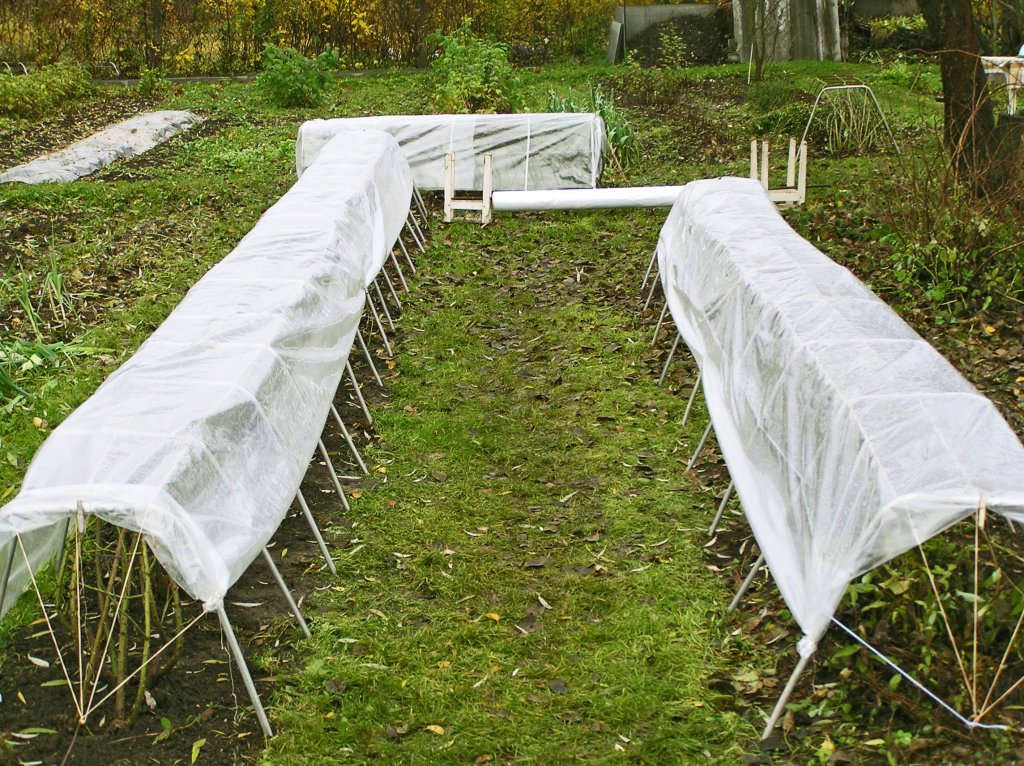
Overall, the cultivation techniques aren't specific. If you have experience caring for red raspberries, you can apply them successfully.
Tying up
Many varieties of "golden" raspberries produce a bountiful harvest. This is certainly a big plus. But it also comes with additional responsibilities for the gardener. To preserve this harvest and spare the hard-working raspberries, the bushes need to be tied up. This is a kind of helping hand.
There are three main methods of garter:
- stake - a 2 m high stake is placed in the center of the bush, stems are attached to it at a height of 1.5 m;
- fan-shaped - stakes are placed between the bushes, and half of the bush needs to be tied to each of them;
- trellis: posts with stretched wire are installed between the bushes.
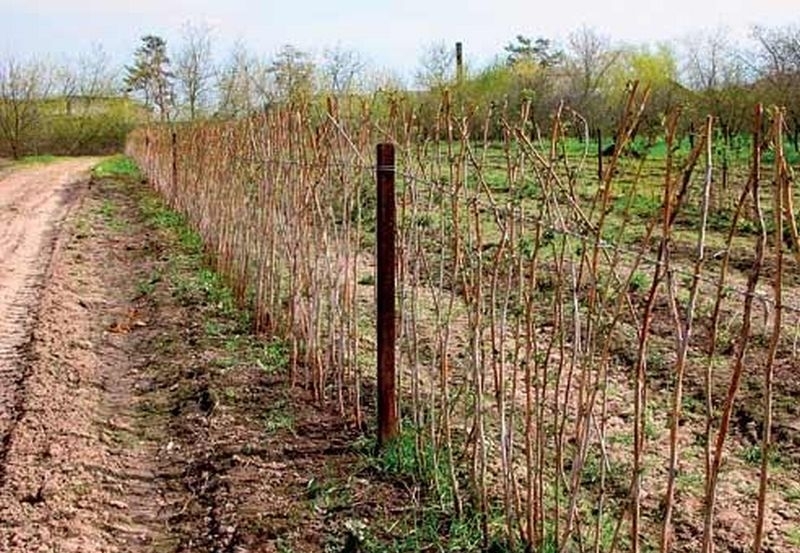
The first two methods are "cheap, convenient, and practical." They can be used quite effectively in small raspberry patches. However, experienced gardeners prefer trellises. They are essential if you have a large raspberry patch with bushes planted in rows. Trellis will keep the branches intact during windy periods and help maintain good lighting. Caring for the bushes and harvesting are also much more convenient in a well-organized plot.
Pests, diseases and their control
The vast majority of yellow raspberry varieties have earned a reputation for being highly resistant to pests and diseases. But everbearing varieties have obvious advantages. According to experts, they require no treatment at all. They are protected from their worst enemy, the raspberry beetle, by blooming late. The pest's destructive activity peaks a month earlier.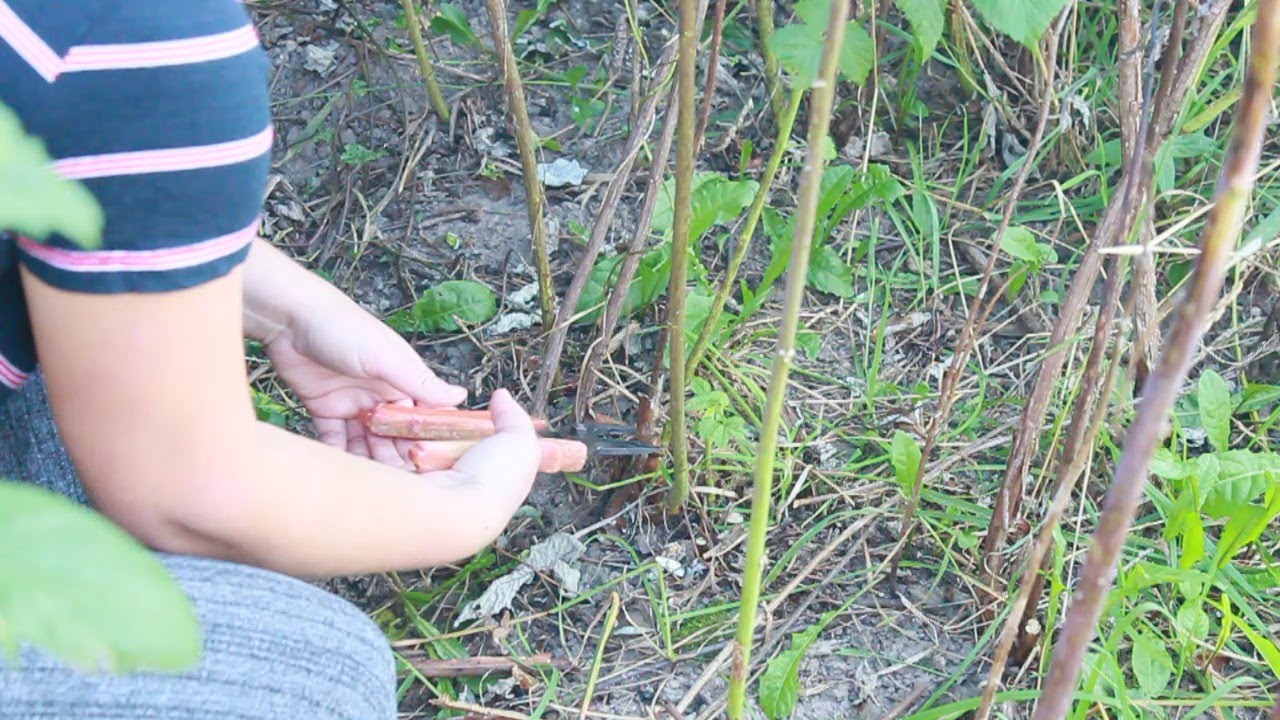 In the fall, the shoots of everbearing raspberries are removed. This eliminates sources of infection—shoots affected by disease or pests.
- However, other varieties are also blessed with enviable "health." To maintain it, it's important to remember preventative measures. They're simple:
- systematic weeding deprives pests of a habitat;
- systematic pruning provides ventilation, lighting, and helps avoid excessive humidity;
- loosening the soil prevents weed growth and provides the bush with adequate nutrition;
- burning of cut parts – elimination of sources of infection.
However, it is also recommended to treat the bushes with malathion three times in the spring. This should be repeated after harvesting.
Don't water your raspberry patch with too cold water, don't let it turn into a "jungle" - and you'll be rewarded with a wonderful harvest of extraordinary raspberries.
Video "Pests"
This video will tell you which pests can harm raspberry bushes.