
Tibetan raspberry: growing and care
Content
Features of the variety
Tibetan raspberry, or Rubus illecebrosus (tempting raspberry), is another variety of the raspberry family. This subshrub grows 30 to 60 cm tall and forms a spherical shape. The stems are erect, herbaceous, woody only at the base.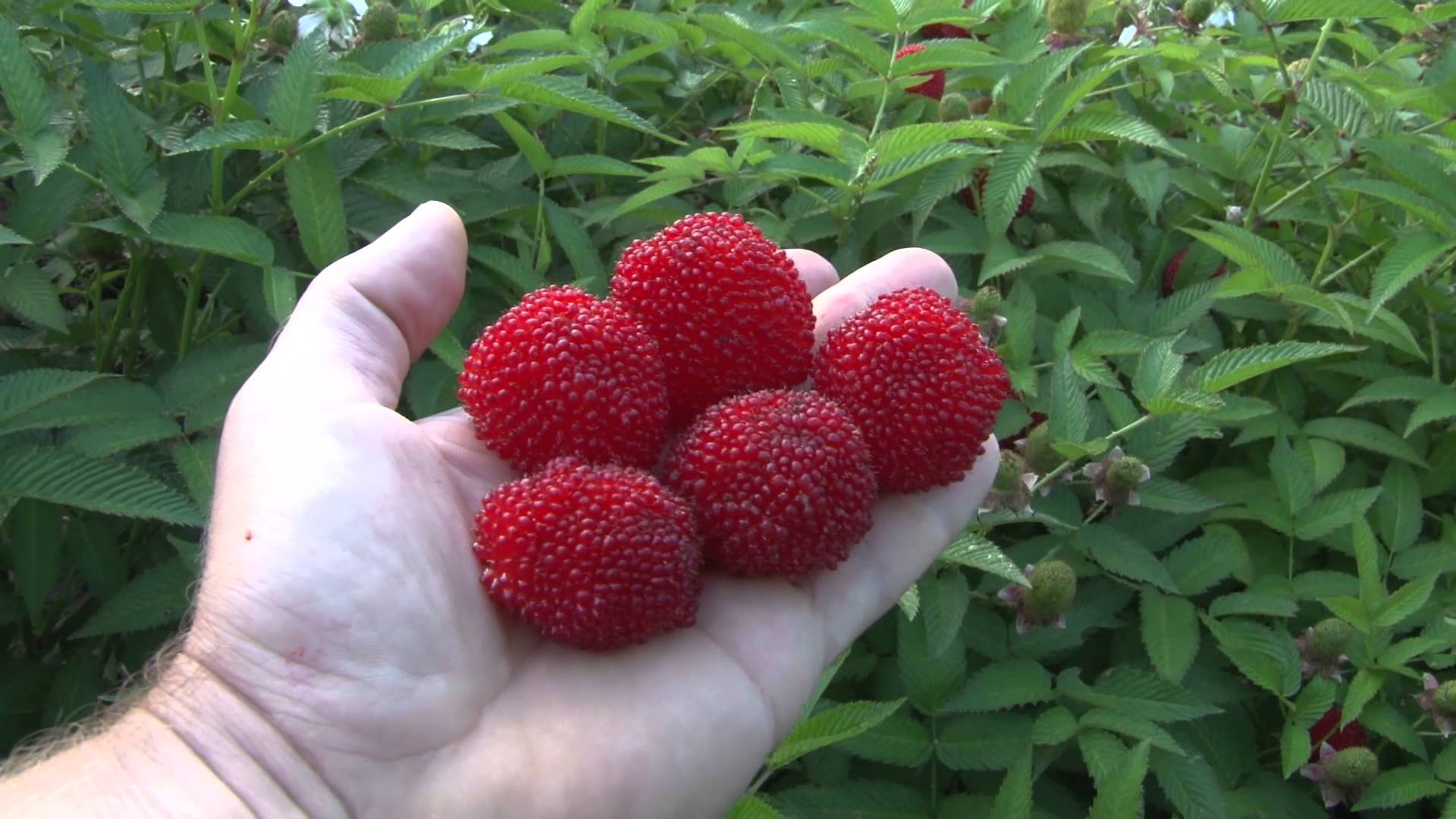
The oblong, serrated leaves resemble strawberry leaves in their corrugation. The plant is very prickly. The curved, clinging spines not only cover the trunk but also the midrib on the underside of the leaves. The flowers are large—up to 4 cm in diameter—white (sometimes with a creamy tint) and consist of five petals.
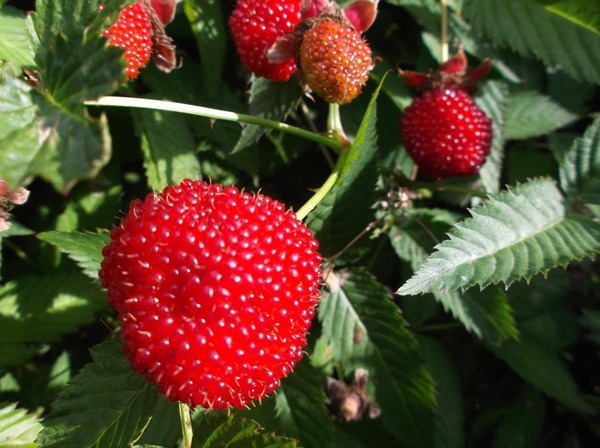
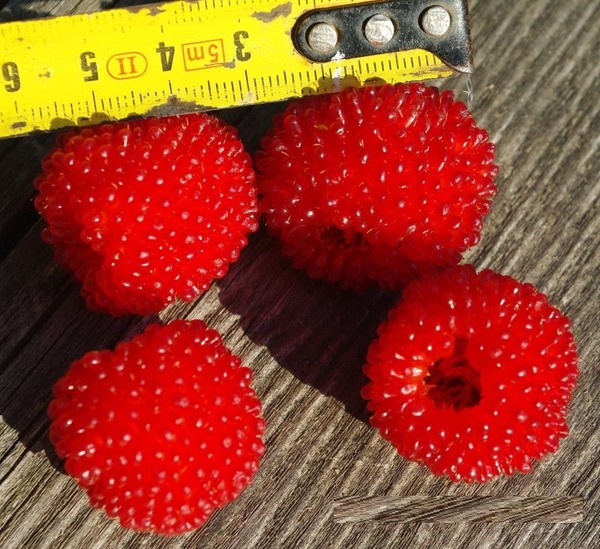
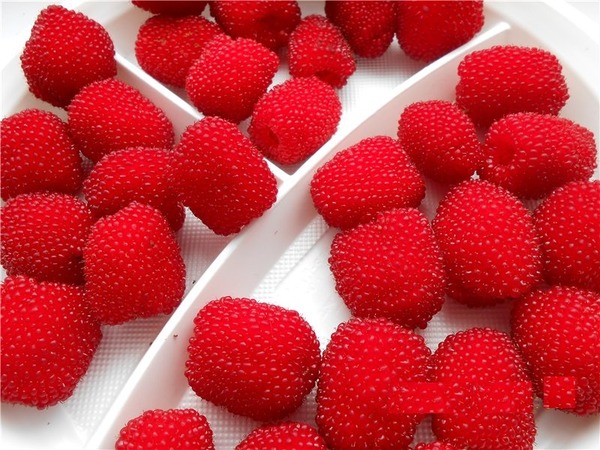
Small inflorescences or single flowers are located at the tops of the stems. The fruit is a juicy, polypod-like structure composed of tiny segments (slightly smaller than those of the common raspberry). Large (2 to 4 cm in diameter), coral-red berries appear woven from glittering beads. Their shape resembles a sphere or a flattened ellipse.
The ripening period is extended, from late July until frost. The taste, however, is slightly disappointing—tart due to the low sugar content, rather plain, lacking the characteristic raspberry aroma. In home preserves, it's more useful as an acidifier for jams, preserves, and compotes. Strawberry raspberries also don't compete with regular varieties in terms of yield.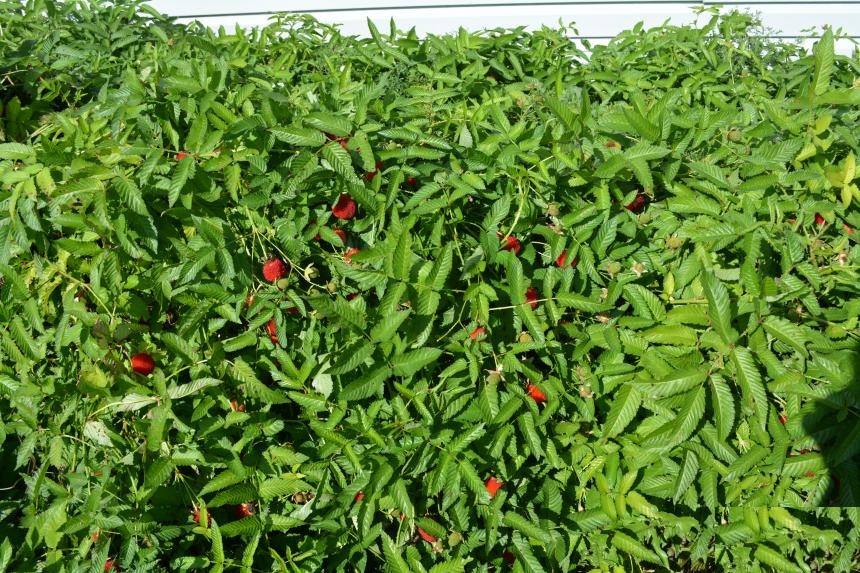
This variety's strong point is its stunning ornamental qualities. You don't have to be a landscape designer to transform the look of your property beyond recognition with this plant. Hand-planted seedlings in a row will create a low hedge. And single compact bushes, adorned with white flowers or red berries, will enhance the beauty of lawns.
Video "Description"
From the video you will learn many interesting facts about this raspberry variety.
Landing
When planting, keep in mind that Tibetan raspberries grow aggressively, taking over large areas and crowding out other plants. This property can be used to stabilize crumbling slopes. In your garden, limit the area allocated to this crop by digging in slate or linoleum scraps 40 cm deep.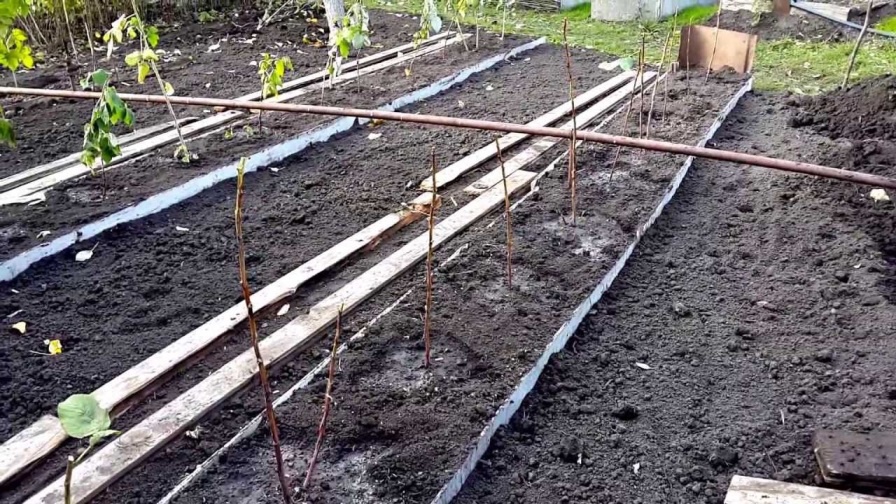
The recommended planting pattern is 15 cm within rows and 30 cm between rows. Strawberry raspberries establish themselves in the first year, but in the second year, they begin to actively spread and bear fruit. A full harvest begins within another year.
It can be propagated in several ways.
Cuttings
Propagation by green cuttings is a quick and free way to obtain seedlings. To do this, young shoots are cut, trimmed to 20 cm at the top and bottom, and the leaves are removed, leaving the top two. The prepared cuttings are immersed in water with a growth stimulant (such as Heteroauxin or Kornevin) for 24 hours, after which they are planted under plastic wrap in moist, fertilized soil.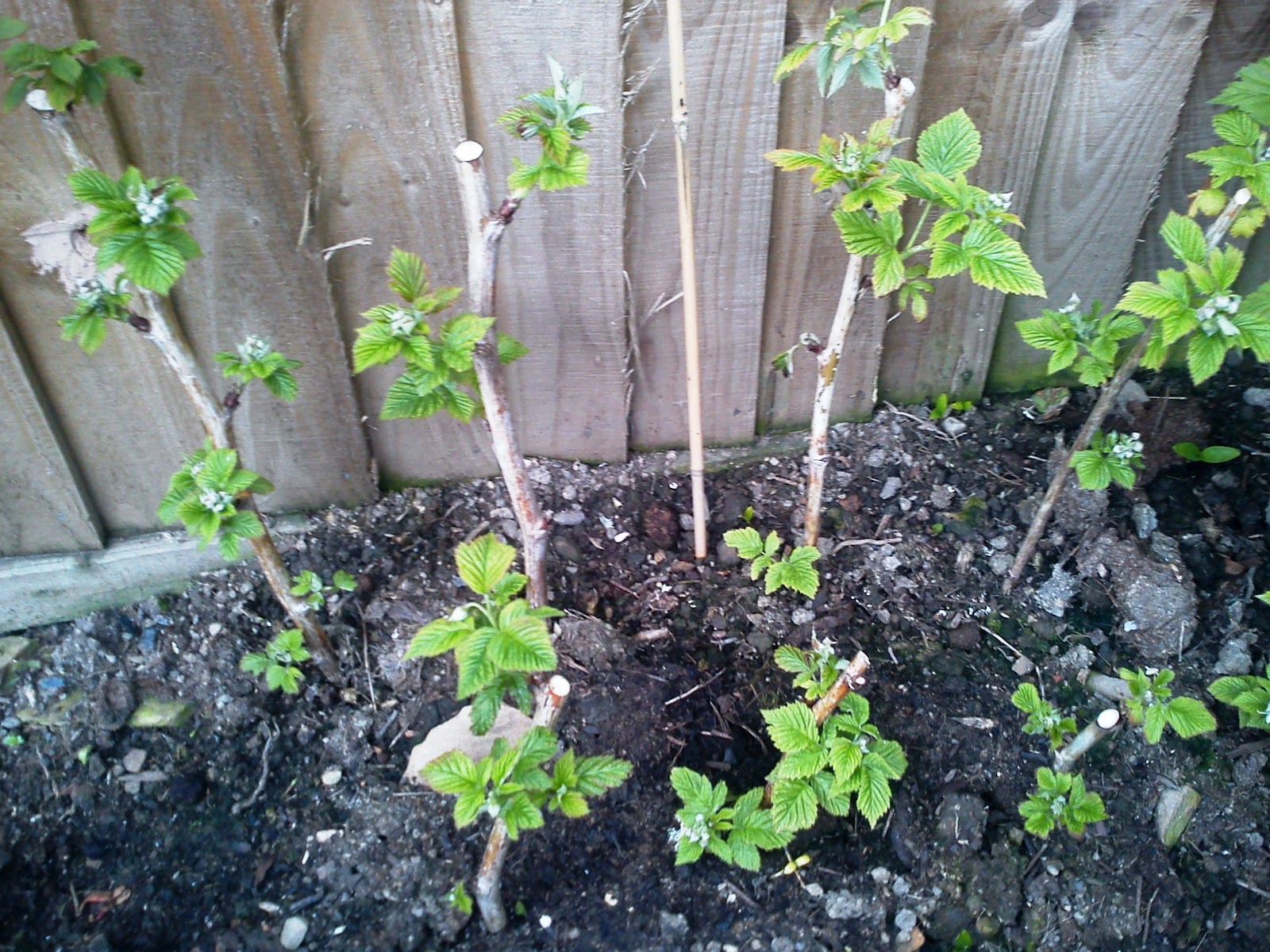
The greenhouse temperature should be 24-26°C, and the humidity 90-92%. Once the cuttings have rooted, they are planted in open ground.
Rhizome shoots
This is the fastest and most reliable way to propagate this raspberry variety, keeping in mind that it grows quickly. Select the strongest shoot that has grown well over the summer and is located as far away from the mother plant as possible. Dig around it on all sides and carefully remove it along with the soil. The strawberry raspberry is now ready for planting in its permanent location.
Seeds
This method is not generally used to propagate strawberry raspberries. It is very labor-intensive and time-consuming.
By division
In early spring or fall, dig up a five-year-old raspberry bush with several shoots and divide it into sections using a shovel. Plant each section of the bush, each with a shoot, in a prepared hole.
Landing site
Strawberry raspberries have much more modest needs than their taller relatives, so they thrive in moderately fertile soil with a neutral pH (6.6-7.5). They won't grow in waterlogged areas, so it's best to choose a site that doesn't flood. This variety is best grown in raised beds, which limit unwanted growth.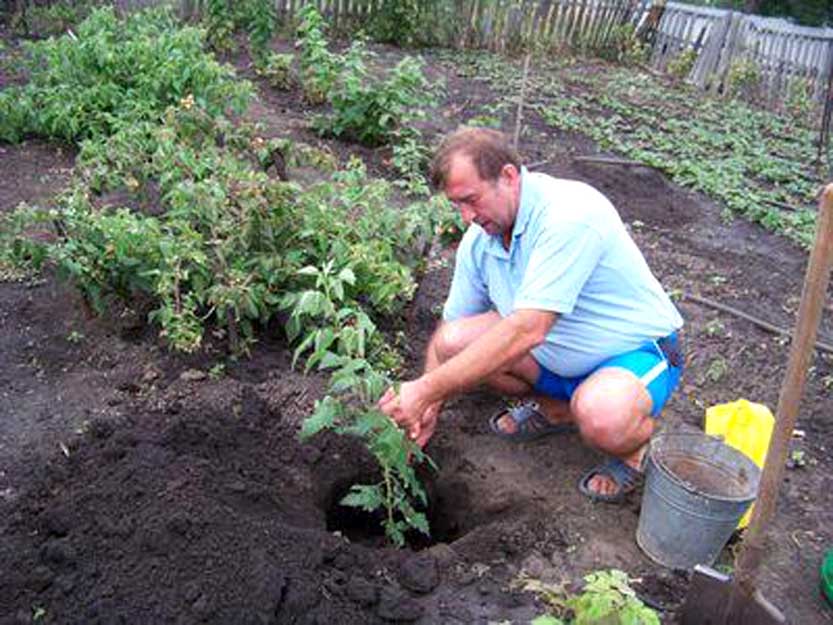
Loves the sun, but can also grow in partial shade.
Care
In the spring, raspberries need to be fed. You can use a complete fertilizer for berry crops, but it's better to mulch the beds with a two-centimeter layer of compost or humus. Adding a layer of straw or grass on top will eliminate the need to pull out weeds and loosen the soil. Now about watering. Since the plant's roots are located in the shallow top layer, it's important to maintain moderate soil moisture.
Drought won't kill raspberries and strawberries, but the fruit may fall off and lose size and juiciness. As you can see, planting and caring for this exotic plant is quite simple.
Diseases and pests
Anthracnose - appears as light brown, oblong spots that gradually increase in size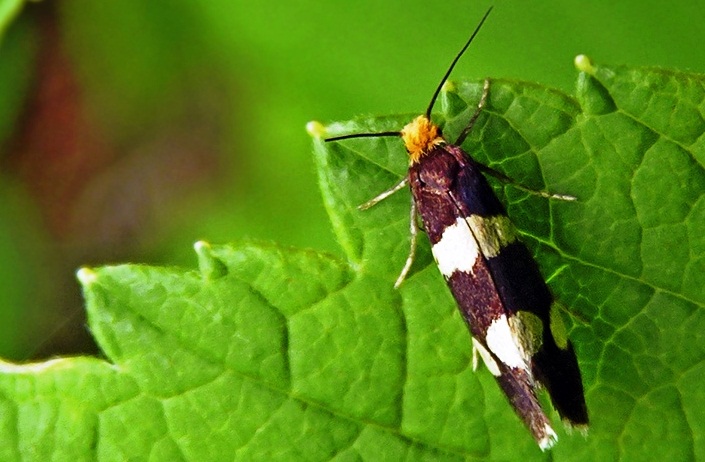
The raspberry-strawberry weevil uses flowers to reproduce. To do this, it gnaws at the flower stalk, causing the flowers to dry up and fall off. It overwinters in fallen leaves, causing significant damage to crops. Fufanon (15 ml per 5 liters of water) can be used for control. Spray the bushes before and after flowering. After fruiting, it is best to burn all dry plant debris.
The raspberry beetle eats buds and damages flowers and leaves. Females lay eggs in young ovaries, which become deformed and dull, shrink, wither, and rot.
Treatment is carried out during budding with one of the following preparations: “Alatar”, “Fufanon”, “Inta-Vir”, “Iskra-M”, “Aktellik”.
Raspberry shoot aphid infests shoot tips and inflorescences, causing leaf curling and shoot twisting and stunted growth. Flowers on damaged shoots stop developing and dry out. They most often attack shaded plantings. Control is carried out before fruiting with one of the above-mentioned products.
Anthracnose, rust, stem canker, purple spot, chlorosis, root canker, and curl all affect raspberries, regardless of whether they're cultivated or strawberry. Control measures are similar.
Preparing for winter
The aboveground part dies back in winter, so it can be pruned in late fall. Whether to cover it for the winter is up to you, considering that Tibetan raspberries are hardy to zone 5 (down to -29°C).
Video: "How to Get a Good Harvest"
This video will show you how to get a good harvest of raspberries.