
Taganka raspberry variety: growing and care features
Content
Characteristics of the variety
This variety is very popular among gardeners because the bushes produce large, easy-to-harvest berries. It's a late-ripening, everbearing variety. The plant forms sturdy bushes that can reach a height of 2 meters. The lower portions of the shoots have thick, long spines. These spines are more delicate on newly formed stems.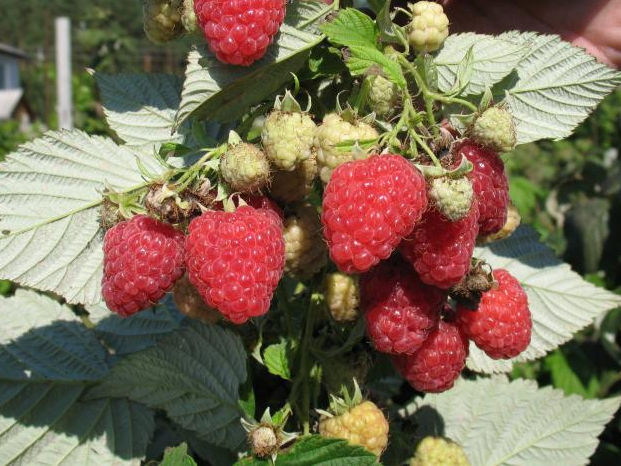
On average, a bush consists of 7-9 shoots. The plant is characterized by a moderate spreading habit and density. Stems more than two years old turn brown, while young stems have a slight brown tint. Fruiting is uniform.
The bushes have moderate immunity to various diseases that affect berry crops. They also tolerate low temperatures well (down to -20 degrees Celsius).
Taganka was obtained by crossing the Krupnaya Dvuroda variety and the Scottish hybrid 707/75.
The advantages of this variety include the following points:
- high yield;
- good winter hardiness of roots;
- the fruits are large;
- average resistance to pathogenic microflora;
- soft spikes;
- The fruits are distinguished by excellent keeping quality and transportability.
Despite such obvious varietal advantages, Taganka has one significant drawback: during prolonged drought, a decrease in yield is observed.
Video: "Characteristics of the Taganka raspberry variety"
From the video you will learn the characteristics of this variety.
Growing
The Taganka variety is grown almost exactly the same way, with a few exceptions. These are important to know to ensure good fruit production.
Plant the bushes in well-lit areas away from drafts and strong winds. A south-facing spot near a shed or fence is an excellent choice. This variety thrives in loose, soft soils with good aeration and water permeability.
Experts recommend planting seedlings in the fall (September – October). This will allow the young plants to quickly establish themselves and survive the winter well.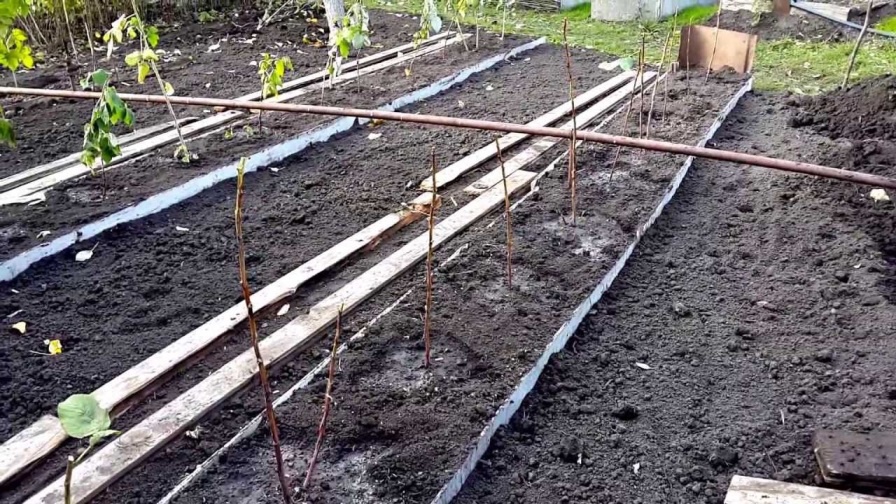
Before planting, the soil is prepared as follows:
- remove plant debris;
- carry out digging and loosening;
- add organic fertilizer: peat, humus, wood ash.
It's best to plant Taganka in trenches. They should be 40–50 cm deep and wide, and the length can be chosen at will. Fill the dug trench one-third full with soil mixed with fertilizer.
When planting, the distance between two adjacent bushes should be approximately 1 meter, and between rows – 2 meters. Before planting, the roots of the seedlings are dipped in a clay slurry, then placed in a trench, where the root system is spread out. The trench is then filled with soil and compacted.
Planting ends with watering the newly planted bushes. Approximately 7-10 liters of water should be poured under each plant. After this, the soil is mulched with humus or peat. The mulch layer should be 5-7 cm thick. Then, to ensure abundant fruiting, the raspberry bushes require proper care.
Reproduction
Taganka is very easy to propagate. New growth that forms in the second year can be transplanted to a new location. It's worth noting that despite its unsightly appearance (thin and small stems), seedlings of this variety grow quickly and are remarkably resilient.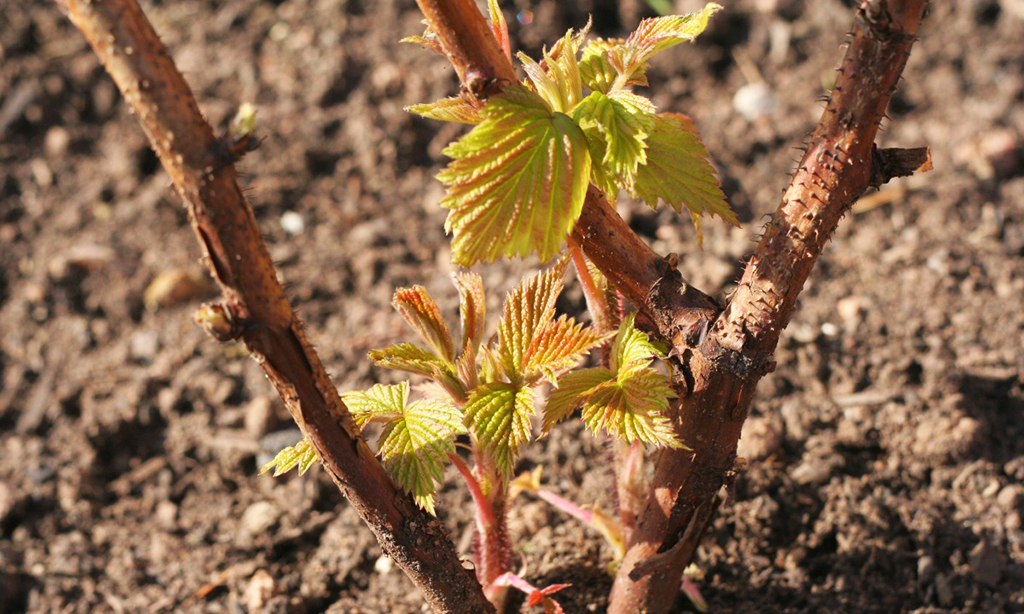
Care
This variety of raspberry is easy to care for. However, despite this, the raspberry patch requires regular watering, as well as a number of measures to prevent diseases and pests.
It's important to note that Taganka does not tolerate stagnant water. However, it should be watered frequently, especially during the period of ovary and fruit formation. Water the bushes 2-3 times every 7 days. This procedure is carried out in the morning or evening. Watering should be done by sprinkling or through trenches. Three buckets of water should be poured under each bush.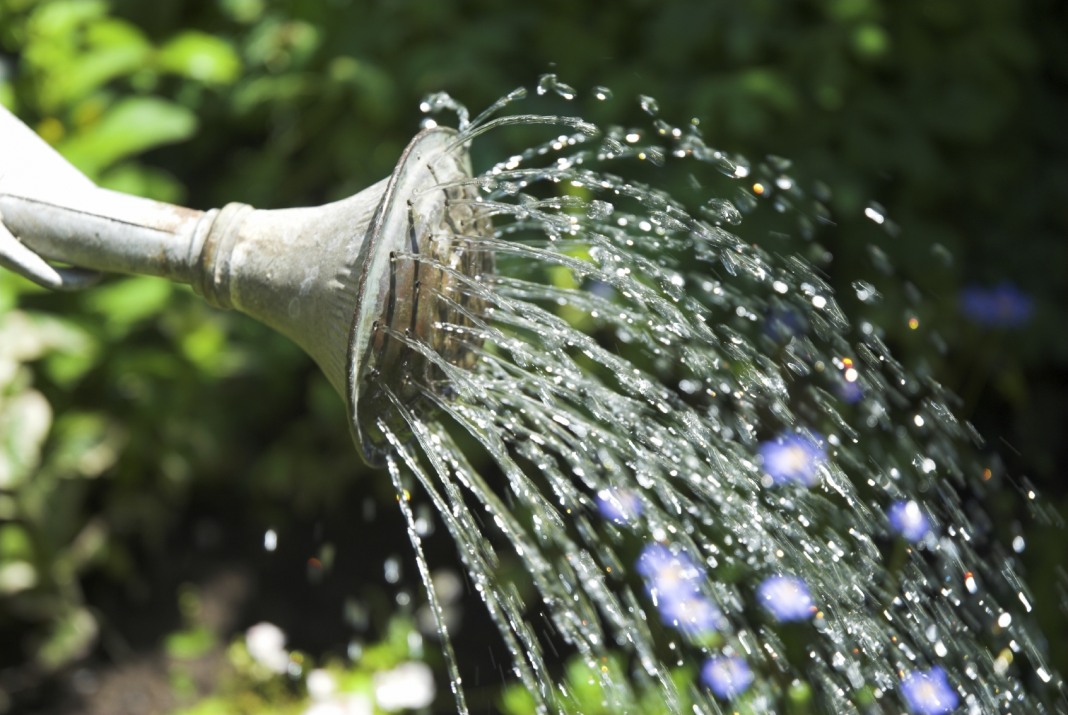
All everbearing varieties require pruning. After harvesting, the bush is cut down to the ground, leaving only the stumps. In this state, the raspberries are sent into winter storage. To help the plants survive the winter, the stumps are mulched with snow, compost, or leaves.
In the spring, sanitary pruning is performed, which involves removing dry and damaged areas from the shoots. Excess root growth is also trimmed at this time. This will allow the main shoots to receive all the necessary nutrients for fruiting.
In the second year after planting, the bushes are fertilized. This involves adding composted manure to the soil with ammonium nitrate added. The fertilizer is applied at a rate of five buckets of fertilizer per square meter.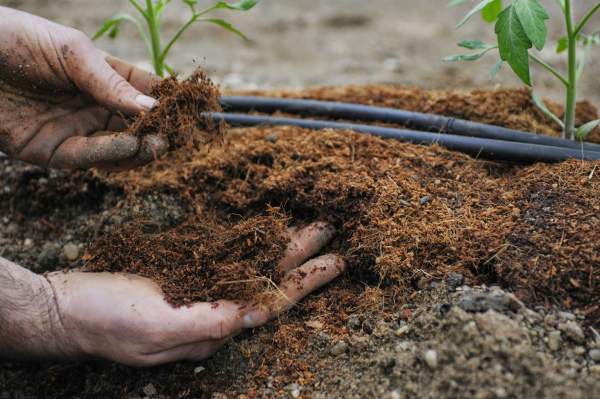
During the flowering period (in June), raspberry patches are mulched with horse manure mixed with peat and straw. This layer of mulch retains moisture well.
You can extend the growing season by adding an infusion of cow or bird manure to the soil. The infusion is prepared by mixing one shovelful of fertilizer with one liter of water.
The actions described above are quite sufficient for raspberry bushes to bear fruit well.
Harvesting
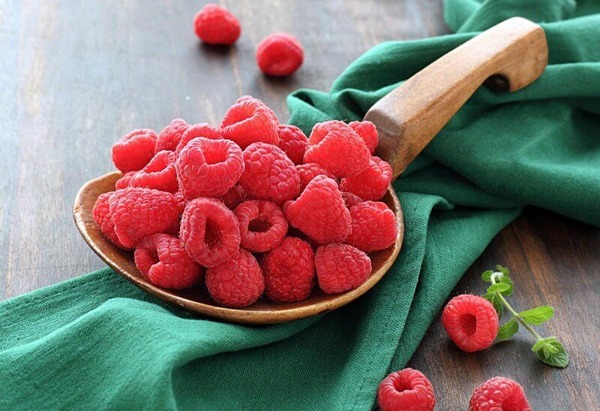
The Taganka raspberry variety produces large, round-conical berries. The fruit is a deep scarlet color and has a glossy sheen. The skin is thin, yet quite firm. The flesh is very juicy, sweet, and has a distinctive, vibrant raspberry aroma.
The weight of one raspberry is 5-8 g. However, you can find information that sometimes the fruits weigh up to 17 g. The fruits are easily separated from the stalk.
Since this is a remontant variety, the bushes can be harvested twice a year. The berries ripen on both one- and two-year-old stems. First-year shoots begin bearing fruit in the second half of August. These can be harvested until late autumn.
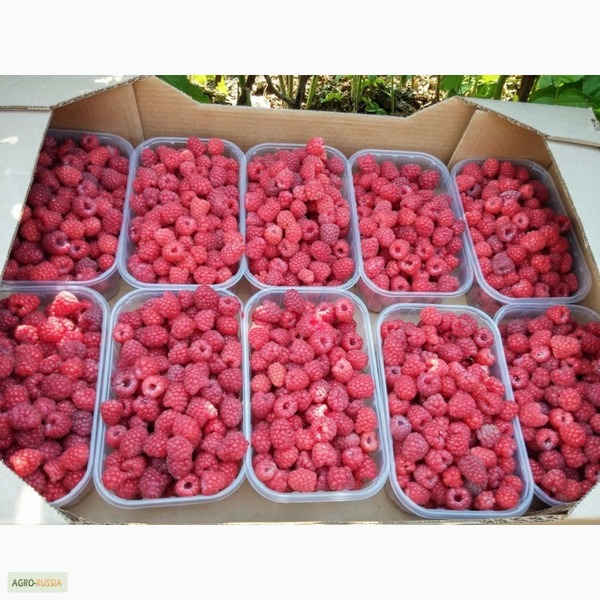
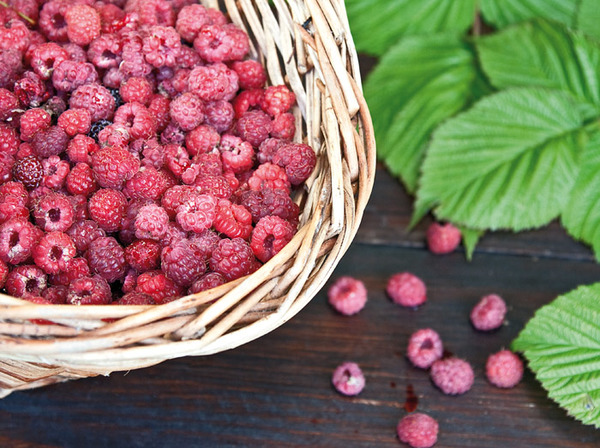
Taganka is a high-yielding variety. With proper care, it can yield up to 5 kg of fruit in a single season.
As we can see, Taganka is an excellent raspberry variety. It easily produces large, tasty berries in abundance.
Video: Growing Raspberries
This video will show you how to effectively grow raspberries.