
Description of the best raspberry varieties
Content
Types of raspberries
To clearly understand the pros and cons of a particular genus of raspberry, it is necessary to consider its classification by species.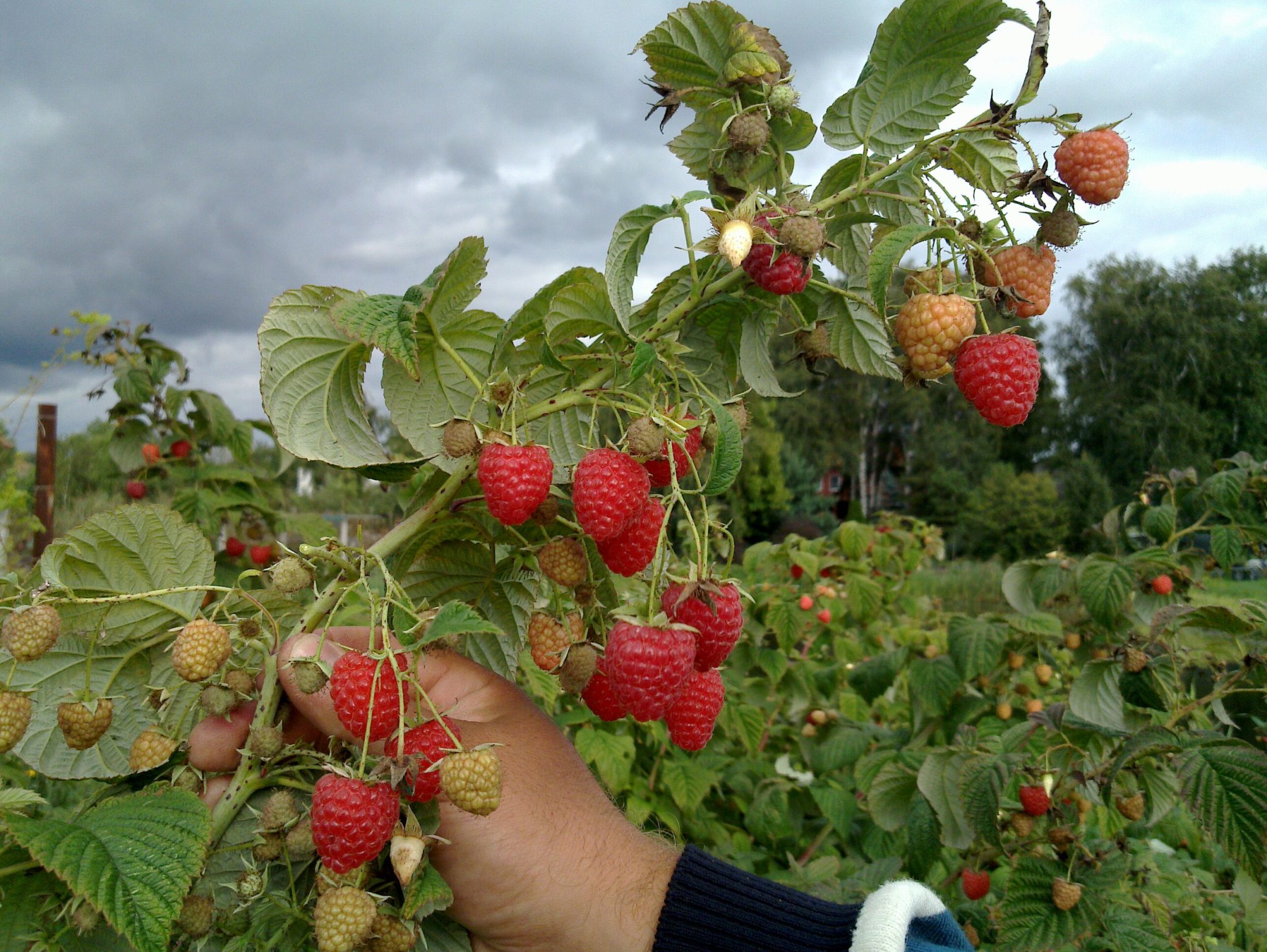
Traditionally, the following categories of raspberry crops are distinguished:
- Common garden raspberries. These include traditional varieties bred in the 20th century, with fruit weighing 4 g. A single bush yields up to 2 kg. The best summer-bearing varieties include Slastena, Malakhovka, Shosha, and others.
- Large-fruited. Fruits weigh up to 10 g (wild raspberries up to 0.5 g). The bush is low-growing and robust. Requires regular, moderate watering, otherwise the yield may be small.
- The standard tree resembles a raspberry tree. The shoots are upright, reaching almost 2 meters. The wood of the shoots is dense and requires no support.
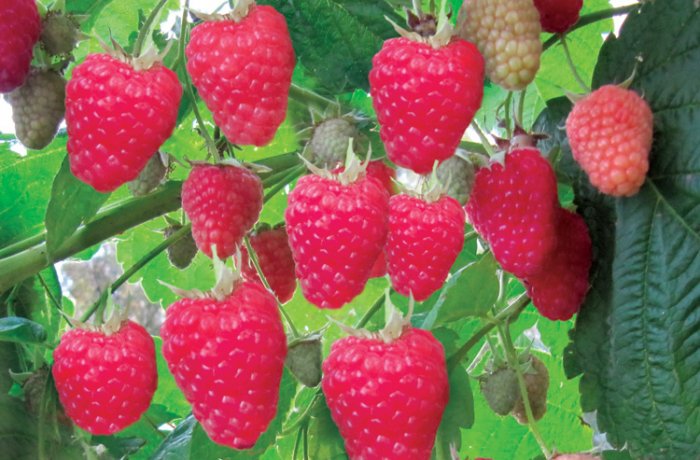
- The remontant variety bears fruit in its first year, right up until the first frost. It surpasses regular berry varieties in yield, flavor, and size.
The varieties of raspberries are wild raspberries, bush raspberries, and domestic raspberries.
Video "Raspberry Varieties"
From the video you will learn a lot of interesting things about different types of raspberries.
Universal varieties
Gardeners searching for the best raspberry varieties often forget that geographic location is crucial when choosing. For example, the best raspberry bush varieties for central Russia and the high-yielding, low-maintenance varieties found in Ukraine will not be suitable for Belarus.
However, there are universal species suitable for most regions.
Let's look at the most prominent representatives of this variety:
- The Aborigen variety is a medium-sized shrub, up to 2 meters tall, with an upright, spreading growth habit and thornless shoots. A single plant yields up to 5-7 kg. The berries weigh up to 9 grams and are burgundy, aromatic, and slightly tart.
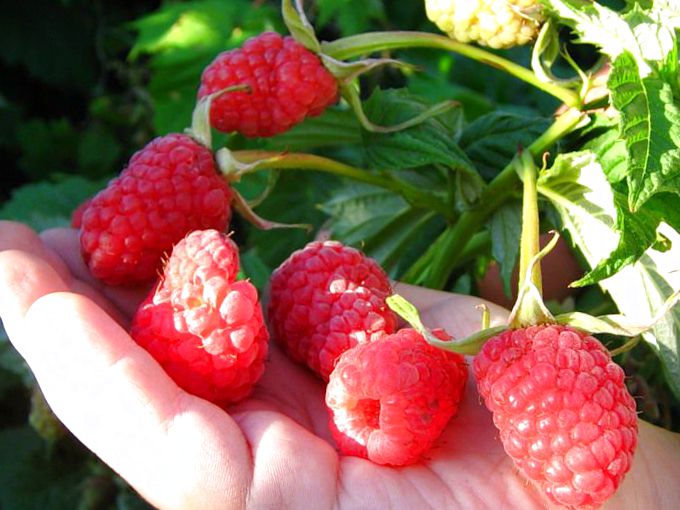
- Alyonushka. The shrub reaches up to 2 meters in height, yielding up to 12 kg per plant. It is highly resistant to pests, low temperatures, and drought.
The best early varieties
If you want to enjoy fragrant berries as early as possible, grow varieties such as Malling Juno, Malling Promise, Lachka, Glen Lyon, Lyashka, etc.
The Malling Juno raspberry produces small fruits early in the season. The bush is medium-spreading with upright shoots. The harvest tolerates transportation well, and the plant is resistant to pests and diseases. The fruits are sweet, dark red, and have a long shelf life after harvest. The yield is high. It produces well in southern Russia.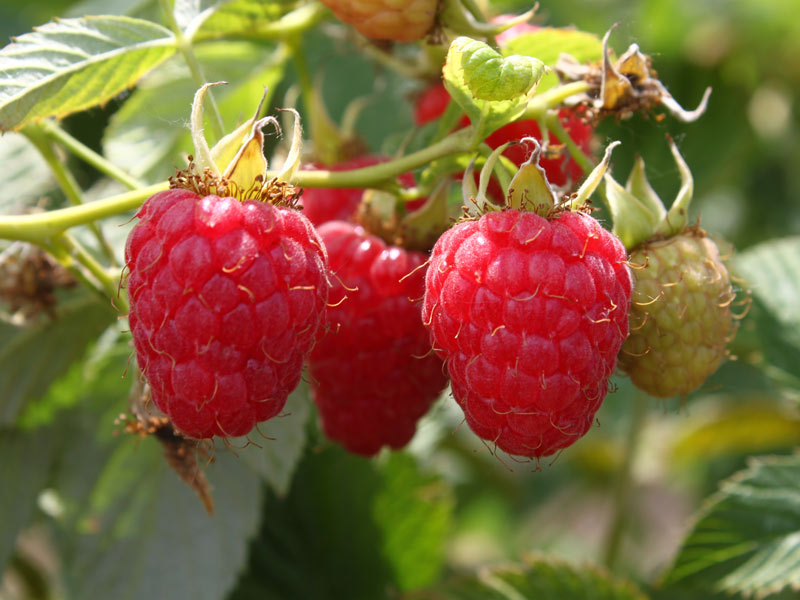
Moling Promise has the following characteristics: yields up to 16 tons/ha in southern Russia, and up to 12-14 tons/ha when the shoots are covered with snow for the winter. The plant is medium-sized (2 m), producing numerous offshoots. Annual branches are thin, straight, and covered with numerous spines. The fruits are large, up to 3-5 g, uniform in size, orange-red, brightly colored, and contain drupes.
Lachka is a summer variety. It's a sweet, early-ripening berry with a long fruiting period. It's considered a high-yielding variety, yielding up to 20 tons per hectare. It's popular and in high demand at markets.
Mid-season varieties
In private gardens, mid-season varieties are most often grown because they produce good yields. Their main advantage is minimal susceptibility to disease and ease of care. Today, there are approximately 100 known varieties of mid-season raspberries.
Varieties with a medium ripening period begin to yield fruit in the first ten days of July. These varieties include Black Jewel, Sokolitsa, Glen Ample, Tarusa, and others.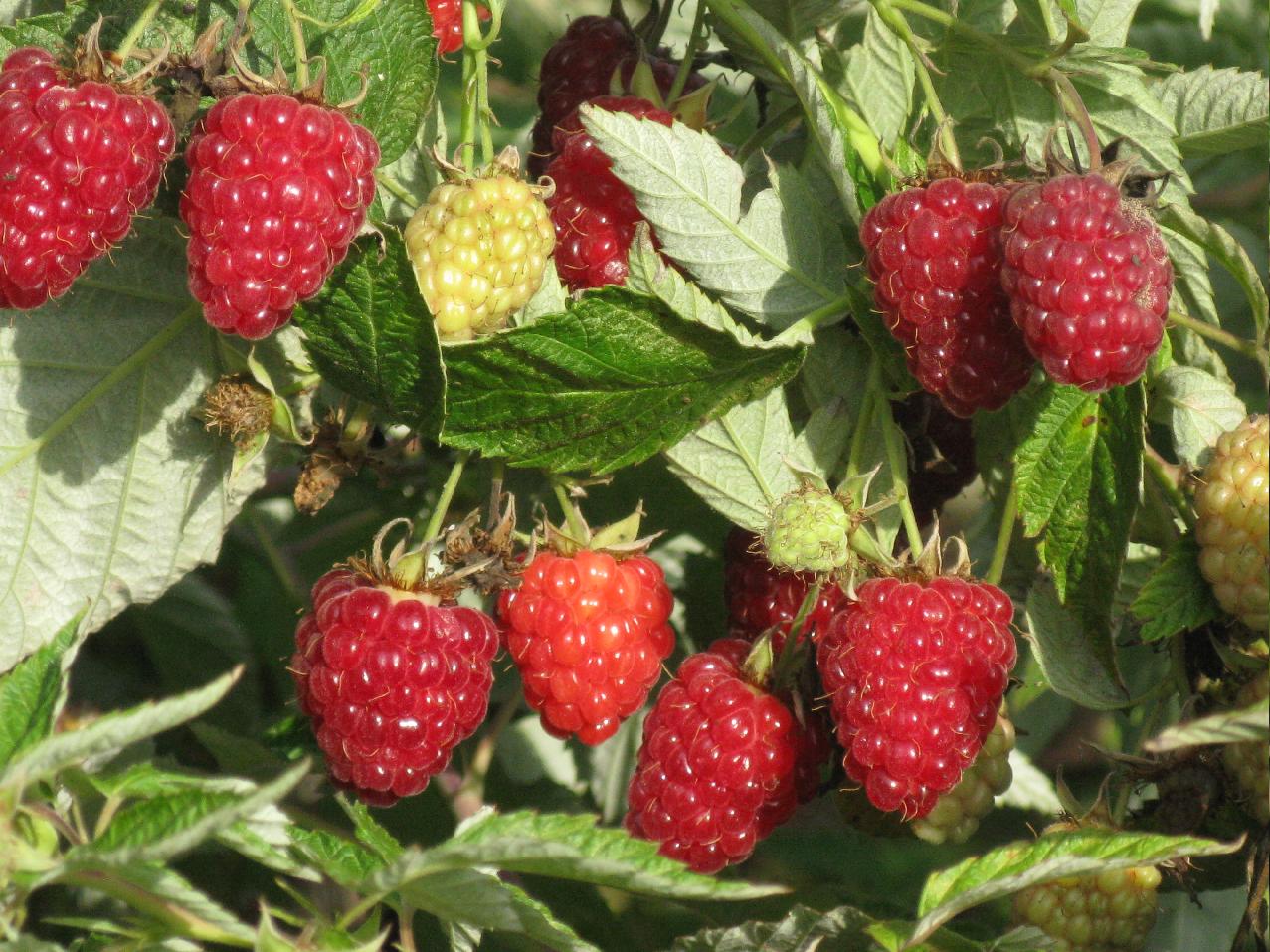
Black Jewel is a black raspberry variety. Its plants grow vigorously and have upright branches. The berries are black with a blue tint, round, and medium-sized. They have a pleasant, aromatic flavor, are juicy, and sweet. They transport well.
The Sokolica raspberry is native to Poland and is used for both traditional open-field production and indoor cultivation in film tunnels and greenhouses. It is suitable for desserts and processing. Ripening time is late June. The cultivar is medium-spreading, with shoots with few thorns reaching up to 2 m. Leaves are medium-sized, wrinkled, and a rich green. The fruits are large, sometimes very plump, weighing 5-7 g. Their color is red and glossy. The drupes are small, uniform, and hold well. They are highly frost-resistant. They do not require excess moisture in the soil or air.
Glen Ample raspberry is described as a productive, fruit-bearing variety on two-year-old canes. It produces round, rich red, dense, and delicious berries. The bush is winter-hardy and drought-resistant.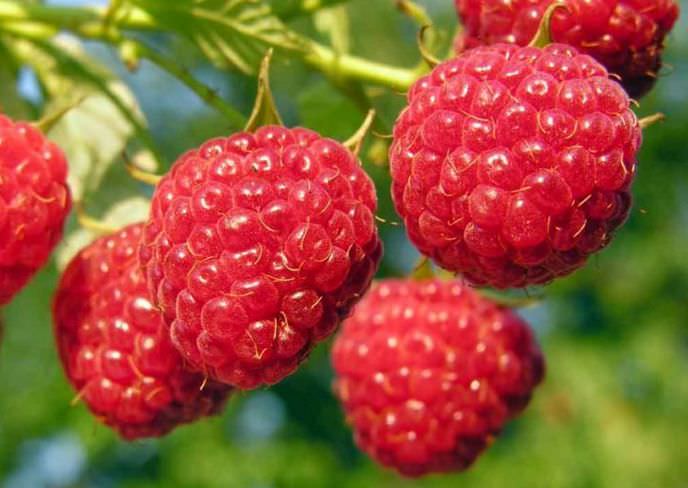
Tarusa is a berry tree with strong branches, earning it the nickname "raspberry tree." It reaches up to 1.80 meters in length, yielding up to 6 kilograms. One of its main advantages is its upright, thornless shoots, making harvesting easy. Each fruit weighs approximately 5 grams.
Late ripening varieties
A description of late-ripening raspberry varieties should begin with the following advantages: resistance to low temperatures and the potential for large yields. The harvest consists of large, juicy, and delicious berries. Today, over 200 late-ripening varieties of this crop are known, both everbearing and regular varieties. Well-known among them are Malling Leo, Octavia, Tadmor, and Mac Black, among others.
Malling Leo is a well-known variety with very tasty, large, sweet fruits weighing 6-7 grams. It is resistant to aphids and transports well due to its dense consistency.
Octavia – characteristics of the variety: large, round, tart fruits of uniform size weighing up to 7 grams. Excellent transportability.
Tadmor is a very late-ripening raspberry variety, one of the newest. Its distinctive features include robust fruits weighing up to 8 grams. The fruit boasts a vibrant burgundy hue. The harvest ripens uniformly and has excellent storage properties. After harvesting, it stores and transports well.
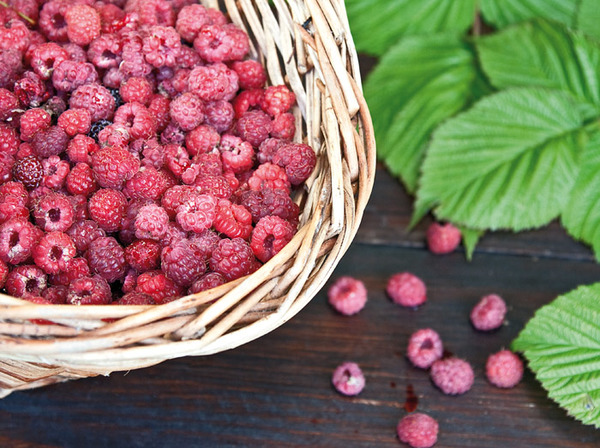
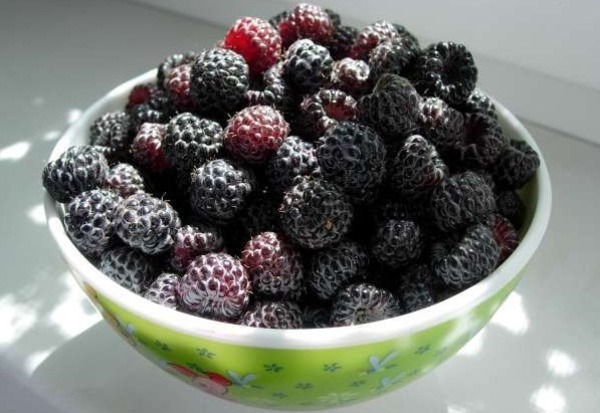
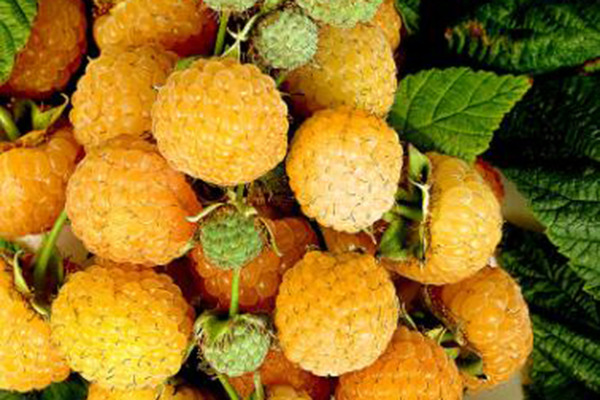
Poppy Black is characterized by late fruiting on vigorous, winter-hardy bushes. The round fruits ripen a week after all other late-fruiting varieties. It's not without its drawbacks: the berries are low-density, making it recommended for private plots.
Everbearing varieties
A remontant crop with an annual shoot development cycle, it grows and produces a harvest in a single season. The best varieties include All Gold, Polesie, Penguin, Hercules, Atlant, and others.
All Gold is a yellow-fruited variety characterized by tasty, sweet, and large berries, which can weigh up to 12 grams. The All Gold raspberry fruits are very aromatic, with a wild raspberry aftertaste. They are amber-colored, glossy, shiny, and beautifully shaped. The yield per plant can reach up to 9 kg. Characteristic features include high resistance to major fungal diseases and high frost resistance. The poor transportability of the harvested crop precludes its cultivation for commercial purposes. When transporting the fruits over long distances, juice may sometimes leak from plastic containers. The main purpose of this variety is fresh consumption. The ripening period is mid-early.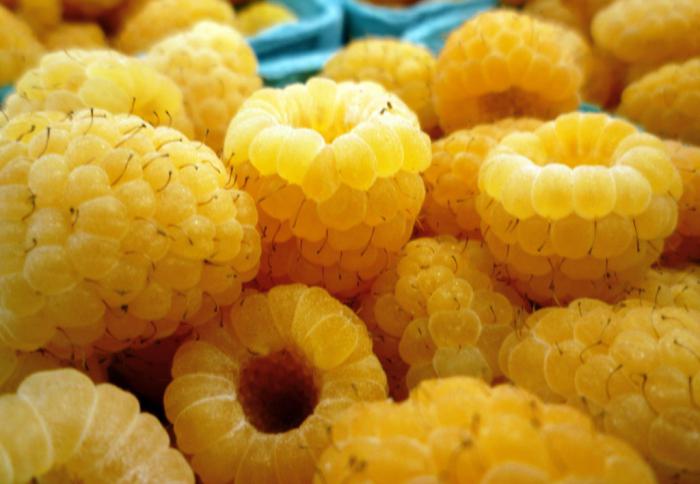
Propagation is by bare-root seedlings, which are best purchased during the dormant stage (in spring, before buds form, or in autumn, after the leaves have fallen). These seedlings should be planted immediately in the ground. Seedlings sold in containers filled with soil can be planted outdoors at any time of year.
Polesie raspberry ripens from late July to early October. The berries are medium-sized, dark red, sweet, aromatic, and firm in texture, making them suitable for transportation. The plant is resistant to gray mold.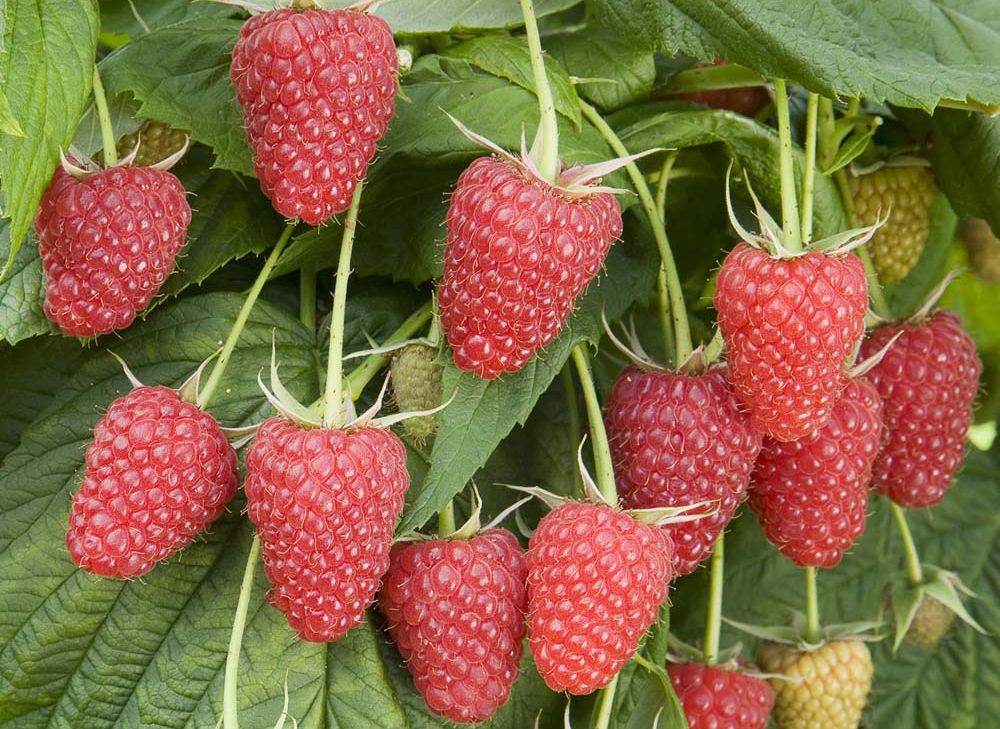
Atlant is a high-yielding, large-fruited variety that ripens in mid-August. Its distinctive features are its large, dense berries, weighing up to 5 grams, with a sweet and sour flavor and tender, juicy flesh. They are excellent for freezing and processing. Fresh grapes have a long shelf life.
Hercules is characterized by an upright, stocky plant with a long fruiting period, right up until the first frost. The berries are large, reaching 10 grams, which together can produce a large harvest. They have a sweet and sour taste. It is resistant to fungal diseases. Its popularity stems from the abundant and high-quality harvest. Other advantages include stable ripening and resistance to most diseases and pests.
Penguin has a standard crown with a low shrub (up to 1.3 meters) consisting of a small number of shoots (5-8). It ripens in late summer, producing medium-sized berries (up to 5 grams), dense, round, and dark burgundy in color. They can remain on the shoots after ripening (up to 5 days) without losing their flavor. It is resistant to common diseases and pests. With proper care, a single plant can yield up to 15 kg.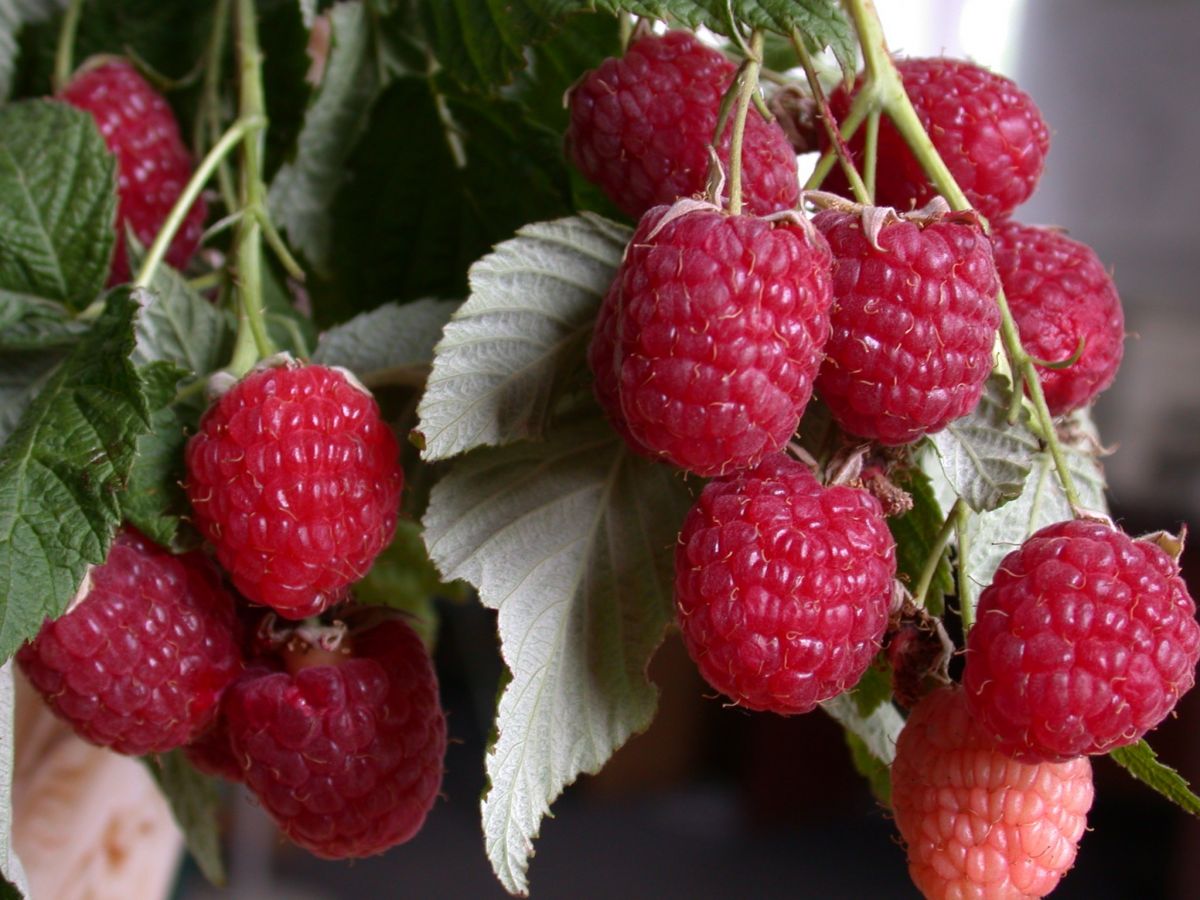
As we can see, raspberry varieties are numerous and differ dramatically in berry color (black, burgundy, red, yellow, ruby, orange, light red, bright scarlet, black-blue, orange). The flavor spectrum is also diverse—sweet, honey-like, tart, with a blackberry aftertaste, aromatic, and so on. They also range in ripening time and yield—early, mid-season, and late. And there are a whole host of other differences that unite the crop we're considering, the queen of all berries—raspberries!
Video "About remontant raspberries"
From the video you will learn a lot of interesting things about remontant raspberries.