
Standard raspberries: promising varieties and agricultural practices
Content
Botanical features
Standard berry crops have recently become increasingly popular among gardeners in our country, displacing regular raspberry varieties. This is despite the fact that domestic gardeners have only recently become familiar with them. In a short time, standard varieties have proven themselves to be promising and highly productive.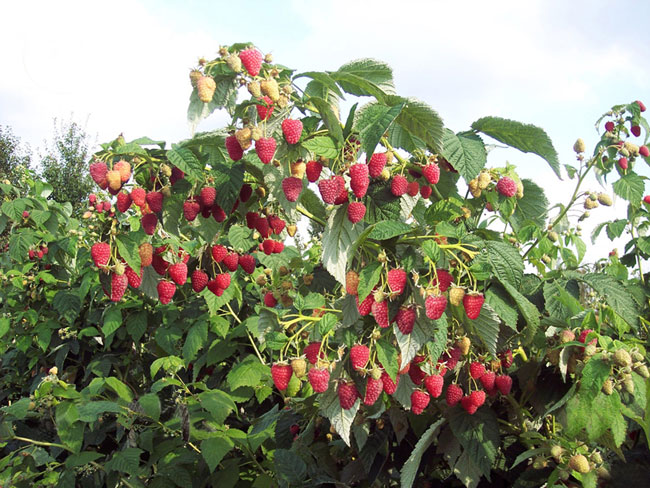
In terms of placement on a garden plot, a standard tree is the most effective and correct solution, as it takes up a minimum of space.
Standard raspberries are bushes that can grow up to two meters tall. They don't require special pruning or additional supports to support the shoots. The abundant harvest on standard varieties doesn't cause branches to bend.
The most important feature of this berry crop is its exceptionally high productivity. Raspberry bushes produce large berries that have an excellent appearance. They combine a pleasant raspberry aroma with excellent flavor. The fruits also have excellent transportability. This is achieved by the berries having a fairly dense consistency and not falling off the branches when ripe.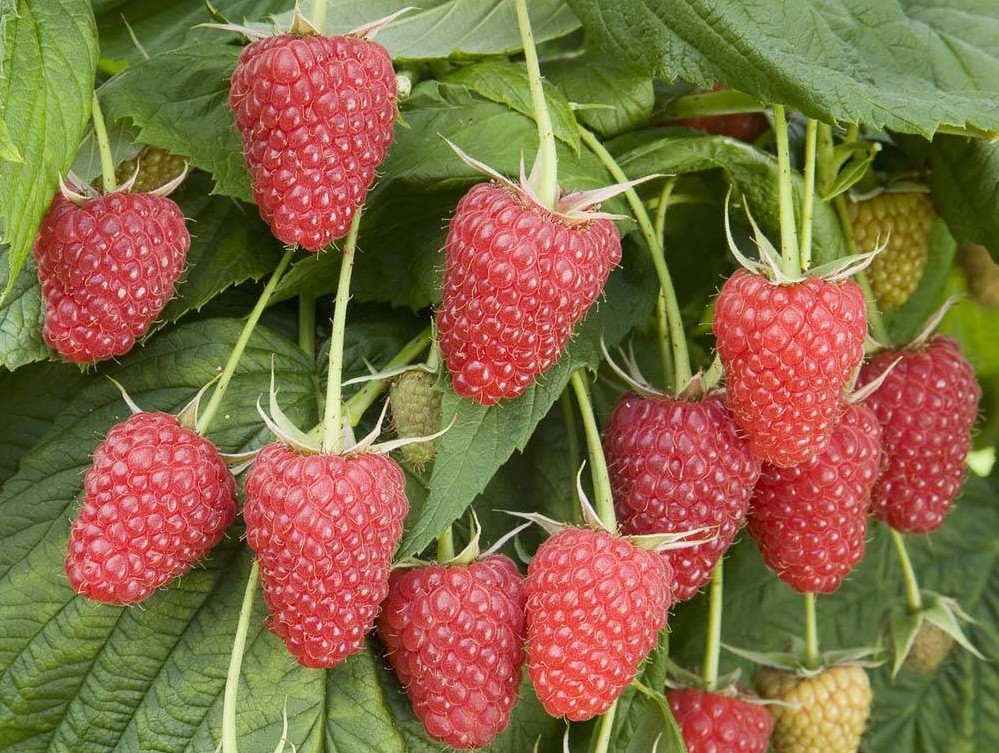
As a result, with such clear advantages, standard raspberry varieties are extremely popular. They are very productive, take up little valuable garden space, and are easy to care for. Therefore, even an amateur can achieve excellent results.
Video: Growing a Bush
From the video you will learn about the correct cultivation of this raspberry.
Promising varieties
Naturally, not all standard raspberry varieties boast exceptional productivity. Some also have plants with varying yields. Therefore, if you want a truly bountiful harvest, you should choose promising standard raspberry varieties. These include those that bear fruit from June to August. The exact ripening period for each variety will vary, but it will still fall within the specified range. It's important to remember that ripening times can vary depending on climate, soil characteristics, and summer weather conditions.
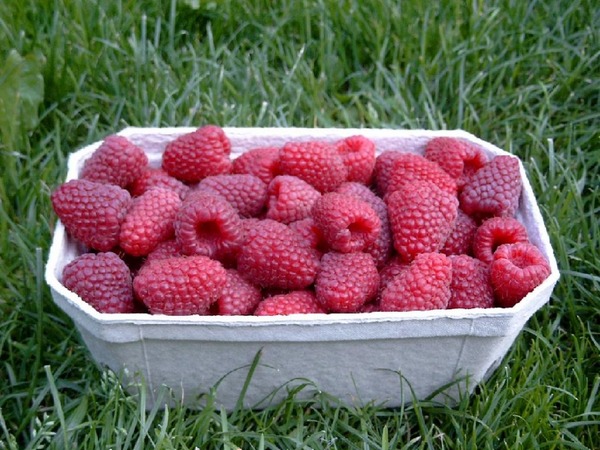
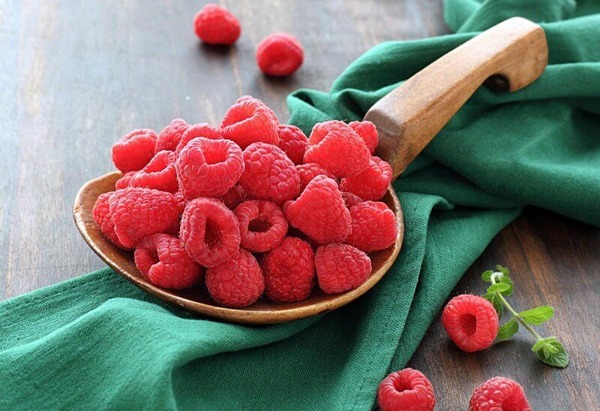
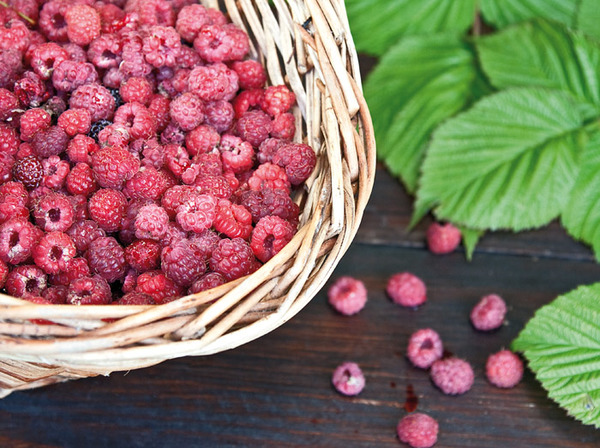
The best standard varieties are those that, in addition to high fertility, also exhibit good resistance to insects and diseases. They can tolerate temperatures as low as -20-24°C in winter without shelter.
The most promising and profitable varieties of standard raspberries include:
- Tarusa. A mid-season, high-yielding variety. The plant is a bush composed of strong stems that grow up to 2 meters. The shoots are thornless, making berries easy to pick. The fruits weigh up to 15 grams and are elongated. Their color is bright crimson and they are also covered with a waxy coating. Tarusa is a winter-hardy plant. The bushes can tolerate temperatures down to -30°C. Good resistance to various diseases has been described.
- Fairytale. A very productive variety. A single bush can yield over 12 kg of berries. Each raspberry weighs approximately 20 g. The fruits are easy to transport and have excellent flavor. The plant also has excellent resistance to disease and freezing temperatures. The bush forms suckers and a fairly strong root system, making it easy to grow in a garden.
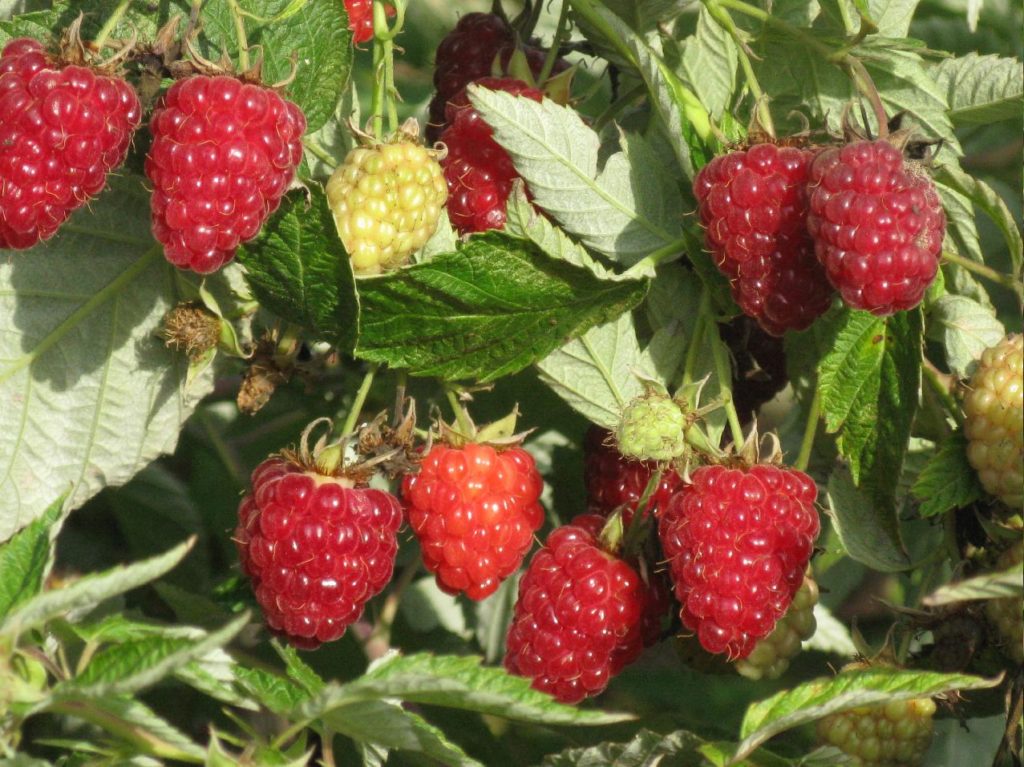
- Galaxy. This bush is characterized by a medium growth rate. It is moderately spreading and thornless. Large berries, weighing approximately 10-18 g, develop on the shoots. This variety is distinguished by good winter hardiness.
- Krepysh. The plant forms upright bushes composed of thornless shoots. These produce dark crimson, conical berries weighing 4-5 g.
- Bogatyr. The bush produces well-developed, thornless shoots. The fruits are dessert-type, conical in shape and large in size. The variety is noted for its good winter hardiness, transportability, and resistance to various pathogens.
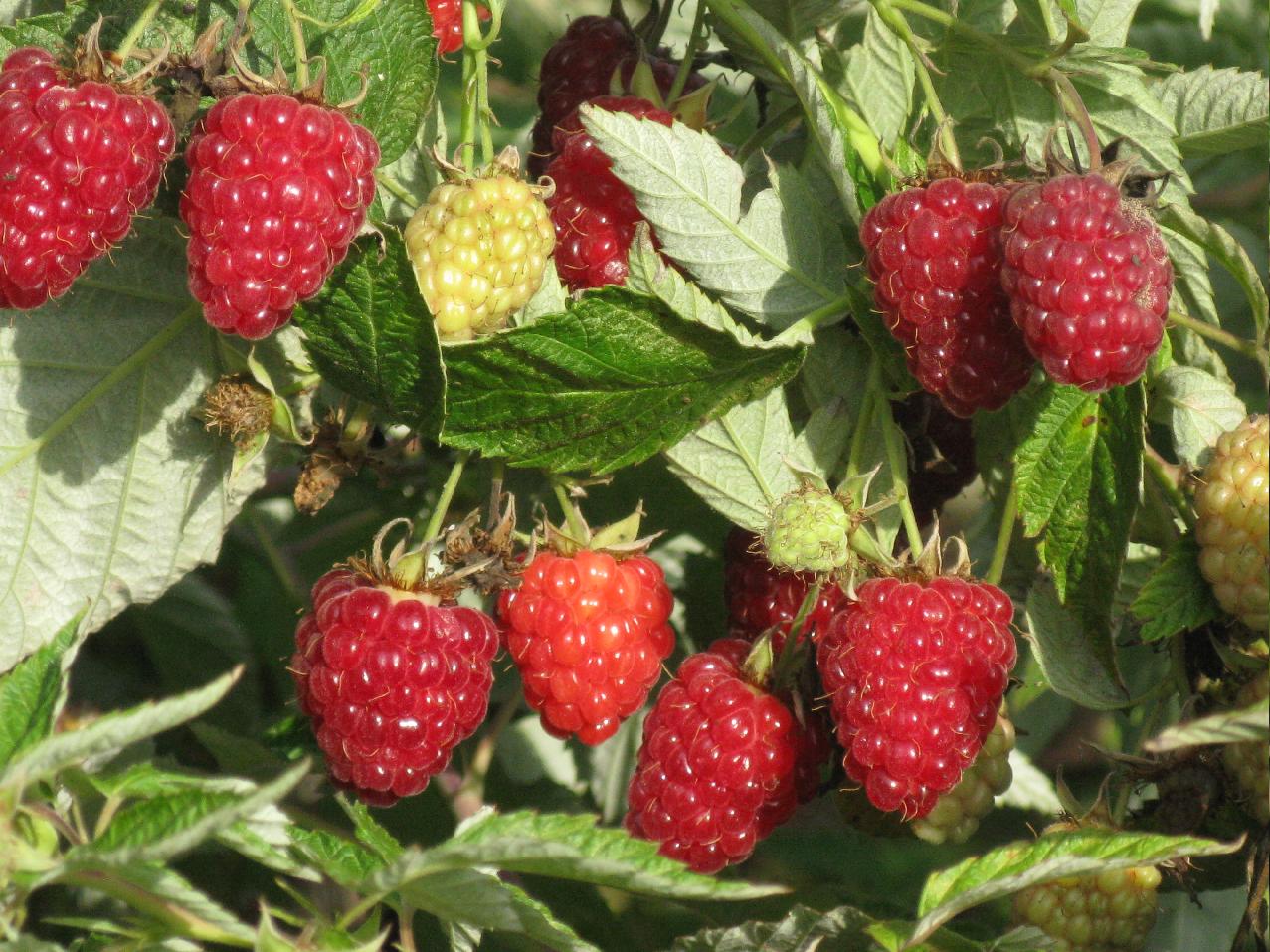
The following varieties can also be considered promising standard-type forms:
- Penguin. This plant produces medium-sized, upright shoots, no more than 1.3 m tall. The berries are reddish-pink in color. Their flesh has a slightly tart flavor.
- A giant. The bush consists of upright, thornless shoots. It can grow up to 1.8 m in height. Large berries, weighing approximately 8-12 g, form on the stems. They have a sweet taste and a bright red color. They also travel well.
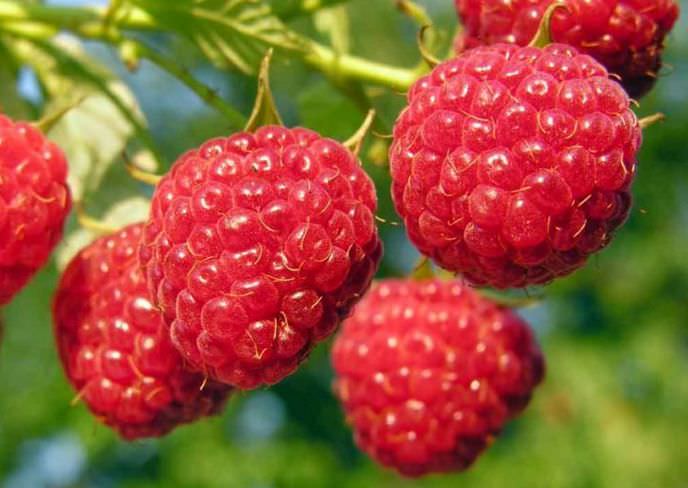
- Glen Ample. This plant is characterized by vigorous growth and upright shoots. These produce bright red berries that are elongated and rounded. This variety is highly adaptable to the diverse climate and soil conditions of Russia.
All of these varieties, in addition to the characteristics described above, are high-yielding. This is why they are prized by gardeners. However, to ensure abundant fruiting, it's important to know how to plant and care for them.
Planting technology
Standard raspberries, like regular varieties, can be planted in spring or fall. If planting in spring, it's best to do so in mid-April. At this time, the sap in the seedlings hasn't yet begun to actively flow.
In autumn, raspberry bushes should be planted in early October. This can also be done in the last ten days of September. When doing this, be sure to hill up the soil to the lower buds of the shoots.
Standard varieties can be planted in strips or bushes. 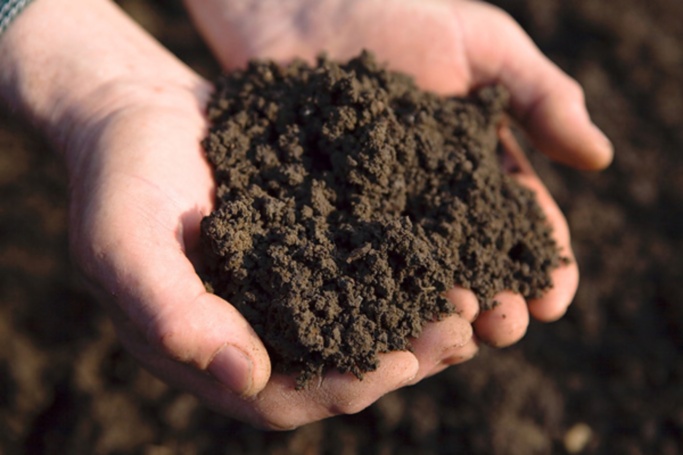 Planting is carried out using the following technology:
- The soil for raspberries should be loose. It should be moderately moist and rich in nutrients. If the soil is acidic, lime should be added by digging. Approximately 0.3-0.5 kg of lime should be applied per square meter.
- Planting holes are prepared in advance, depending on the time of planting. For spring planting, holes are prepared in the fall, and for autumn planting, 1.5 months in advance. The holes should be 50 x 50 cm. Their depth can vary, depending on the size of the seedling's root system.
- the distance between adjacent plants should be at least 0.8 m, and between rows – 1.8-2 m;
- When planting in strips, trenches of standard depth are formed;
- Before planting, the roots of the seedlings should be dipped in a clay slurry. Experts recommend adding a mullein solution to it;
- Before planting, humus mixed with wood ash should be added to the planting trenches and holes;
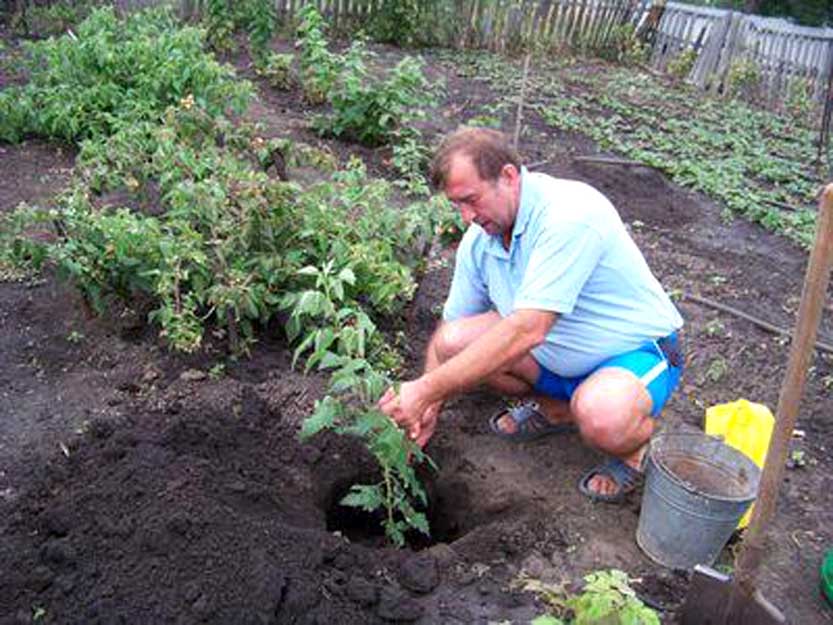
- seedlings in holes or trenches should be placed at the same level at which they were grown in nurseries;
- After planting, the soil around the bushes should be mulched with humus and watered. Each seedling should receive approximately five liters of water.
Raspberry bushes grown using this technology will bear fruit for 15 years. However, experienced gardeners recommend replanting the raspberry patch every 10 years to avoid yield declines. Proper care of standard raspberries is also crucial for achieving an excellent harvest.
Care instructions
Standard raspberries, while highly productive, require proper agricultural practices. Caring for the bushes requires strict adherence to the proper growing practices for this berry crop. 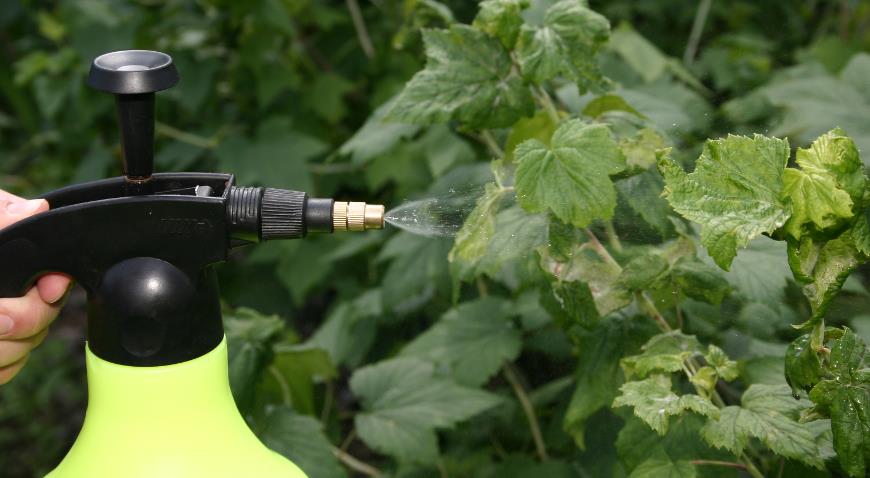 These rules include the following points:
- When the bush is well-rooted and ready to begin fruiting, its entire above-ground portion should be treated with Topaz. It should be diluted in water (10 ml per 10 liters). This treatment will prevent the development of bacterial and fungal infections on the bush.
- In the last month of spring (mid-month), raspberry bushes should be sprayed with an antiparasitic solution. It is prepared using the product "BI-58," which is diluted in 10 liters of water at the required ratio;
- During the period of active fruiting, standard raspberry varieties require regular and sufficiently abundant irrigation.
By treating raspberry bushes with special preparations in the spring, you can prevent the development of dangerous diseases such as gray mold, leaf spot, anthracnose, septoria leaf spot, and rust. In addition to the preparations described above, you can use a 3% Bordeaux mixture. Repeat preventative treatments with this mixture are carried out in mid-autumn.
To ensure a bountiful harvest of standard raspberries during the summer, water them once a week. Each mature bush should receive up to 10 liters of water (according to other sources, 5 liters). Watering is especially important during flowering and ripening. Drip irrigation has proven effective for standard raspberry varieties. Fertilizing should also be considered. This is done in the spring. It is recommended to apply mineral and organic fertilizers to raspberry bushes. While organic fertilizers are preferred in the spring, mineral fertilizers are preferred in the fall. Some experts recommend applying manure or humus in October to prepare the plants for winter. At this time, 5-6 kg of fertilizer should be applied per square meter. This fertilizer is best applied as mulch.
Fertilizing is especially important during the active growth and fruiting stages, which typically occurs in early July.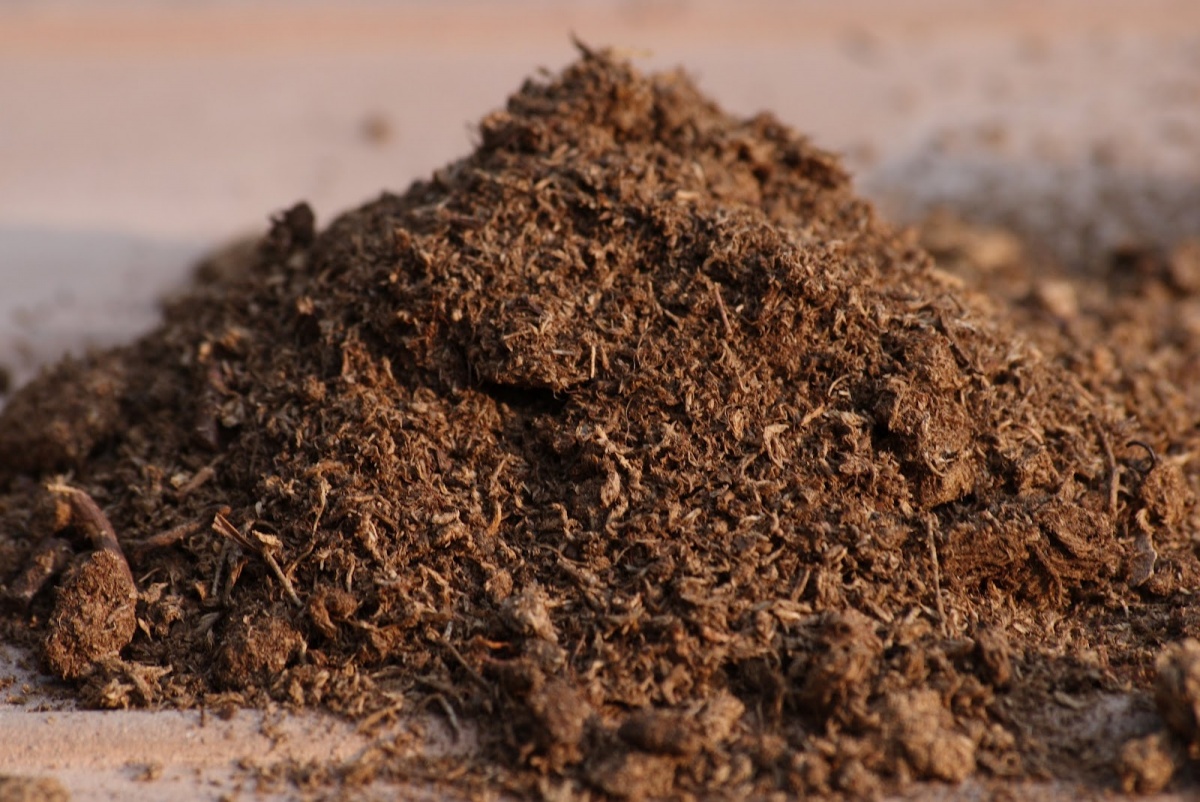
In late April or early May, the soil between plants should be thoroughly loosened and mulched. Pruning should also be included in the list of necessary agricultural practices. Even though these are tree-like varieties, pruning is still necessary. It's worth noting that the pruning procedure for standard raspberries is virtually the same as for other varieties. It is performed for the following purposes:
- removal of fruiting shoots;
- bush formation, which will create more optimal conditions for the ripening of a good and abundant harvest;
- removal of damaged, infected and deformed shoots in order to maintain the health of the bush.
A double pruning method is suitable for these varieties. This method requires leaving only one shoot for replacement. It should be cut back by 10-15 cm. This procedure is performed in late May or early June. The stem should be cut back when it reaches one meter in height. As a result, by late summer, a small raspberry bush will form, resembling a tree with 5-6 side branches. The bush is left in this form over the winter.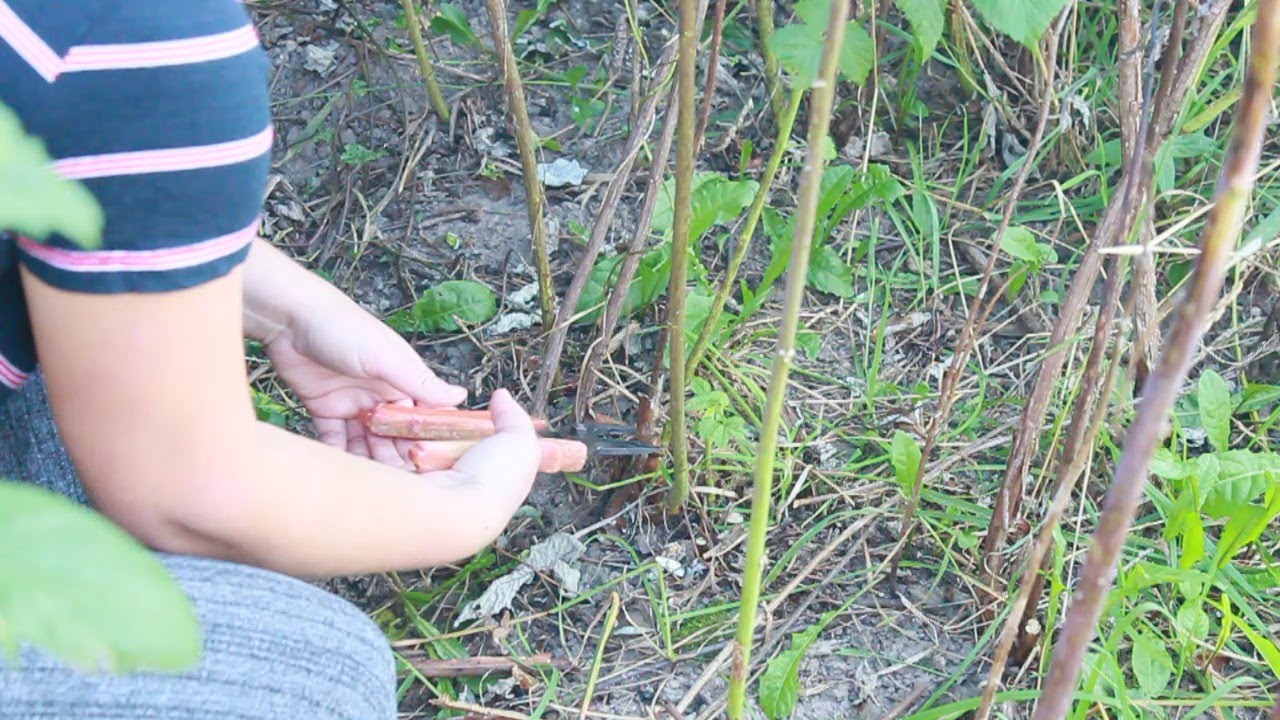
The second pruning is done in the spring, when the shoots have already sprouted leaves. This is usually done in mid-May. Lateral branches should be shortened by 5-12 cm.
As you can see, caring for standard raspberries isn't particularly difficult. But proper care will ensure a delicious, abundant, and beautiful harvest. As a result, with minimal time and effort, you'll enjoy excellent fruit production from your raspberry patch.
Video "Cropping"
From the video you will learn how to prune correctly.