
Everbearing raspberries: planting and care secrets
Content
- 1 Selecting a variety
- 2 Video "Growing"
- 3 Selecting a planting site and preparing the soil
- 4 Methods of preparing soil for planting
- 5 Seating plan for the autumn period
- 6 Planting methods, their features and differences
- 7 Caring for young raspberries
- 8 Some tips for planting and care
- 9 Video: "How to Get a Good Harvest"
Selecting a variety
Essentially, everbearing raspberries are little different from regular raspberries: the only difference is a longer fruiting period and increased cold resistance. Every gardener inevitably ponders which varieties to choose. 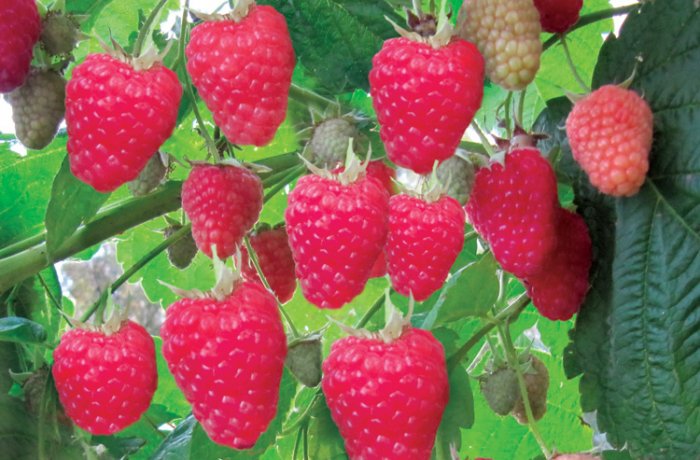 There really is plenty to choose from – a variety of species can satisfy any need, and each variety can be grown in specific conditions:
- The raspberry "Nedosyaigaemaya" is a relatively young variety characterized by large berries. The berries are velvety, juicy, and ripen early;
- Apricot – This bush produces large, unusually yellow berries with a subtle apricot aroma. These plants can produce fruit until the first frost. A distinctive feature of this variety is that all the thorns are located at the base of the bushes, making harvesting much easier. This variety is highly productive – each raspberry bush can produce approximately 2.5 kg of berries. However, this raspberry has a drawback: it is difficult to transport, even if it can be transported, as the fruits are very delicate and easily bruised.
- Hercules is a high-yielding variety distinguished by its large berries. The fruits are resistant to rot while still on the bush. Thanks to their fragrant aroma, they are most often used for making jams and compotes.
- Atlant is one of the most resilient varieties of the crop, resistant to pests and viral infections. This variety is productive – with proper care, each bush can yield up to 5 kg of berries.
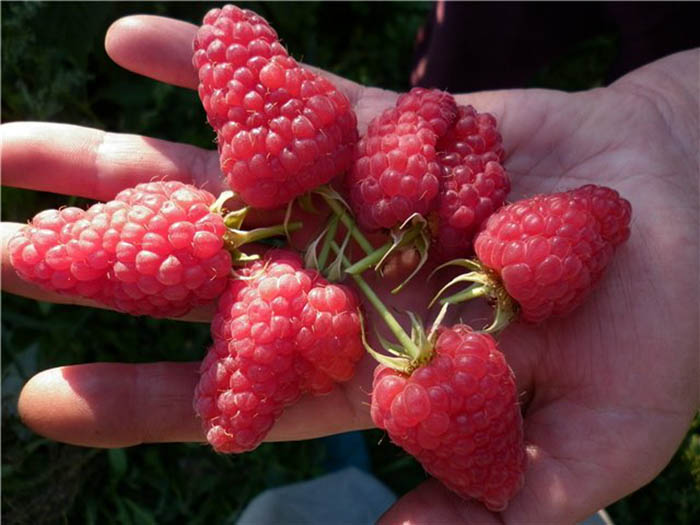
- Orange Miracle is another everbearing raspberry variety with large orange berries. Each plant forms a tall bush up to 180 cm tall, bearing numerous fruits.
When planning a project like planting everbearing raspberries, try planting plants of different subspecies nearby—choosing varieties with different ripening times will significantly extend the fruiting period.
Video "Growing"
This video will show you how to properly grow everbearing raspberry bushes.
Selecting a planting site and preparing the soil
Planting of remontant raspberries should be carried out in places with good, fertile soil, in well-lit areas.
Try to plant your berries so they receive full sun exposure throughout the day. This is essential if you want to grow a good berry harvest.
Insufficient lighting can lead to undesirable consequences, ranging from prolonged flowering to the complete failure of the bushes to bear fruit.

Another important factor is mandatory wind protection for the bushes. Light, loamy soil is best for planting everbearing raspberry varieties; it should be thoroughly loosened and generously fertilized with organic matter.
Methods of preparing soil for planting
There are two main ways to prepare the soil into which you plan to transplant everbearing raspberry bushes:
- The first option can be spread out over several years: in the fall, the plot is generously fertilized and tilled, and in the spring, vegetable crops should be planted in the area where you will be transplanting the raspberry bushes. A year later, sow legumes in the selected area – they will form a sufficient amount of green manure. Only after harvesting the legumes will the opportune time arrive for planting everbearing raspberries at their most effective.
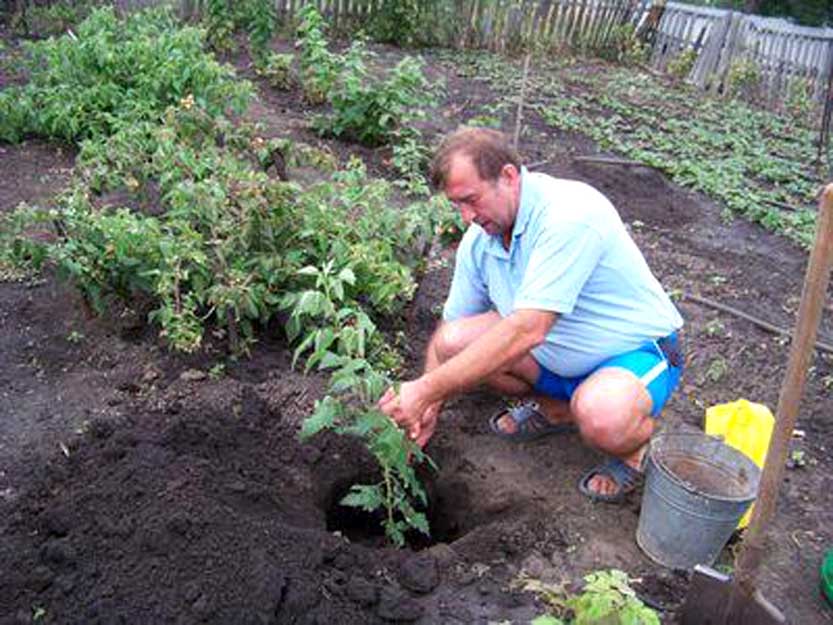
- If you need to prepare the site as quickly as possible, then use an express method: a month before planting the cuttings, generously fertilize the soil as follows: dig a shallow hole in the center of the site, add compost, cover with soil, and let it rot. A month later, dig a shallow trench on either side of the hole, into which the seedlings will be placed.
Seating plan for the autumn period
A general plan for planting has not yet been developed – everything will depend on the properties of the specific variety selected.
However, when answering the question of how to properly plant young plants, there are several general tips: each subsequent planted bush should not be located too close to the previous one - overcrowding of the raspberry bush can lead to crop loss.
Remember also that the culture requires a lot of sunlight.
Today, several main types of planting are used:
- single-row – gives each plant sufficient light and nutrients;
- square-bush;
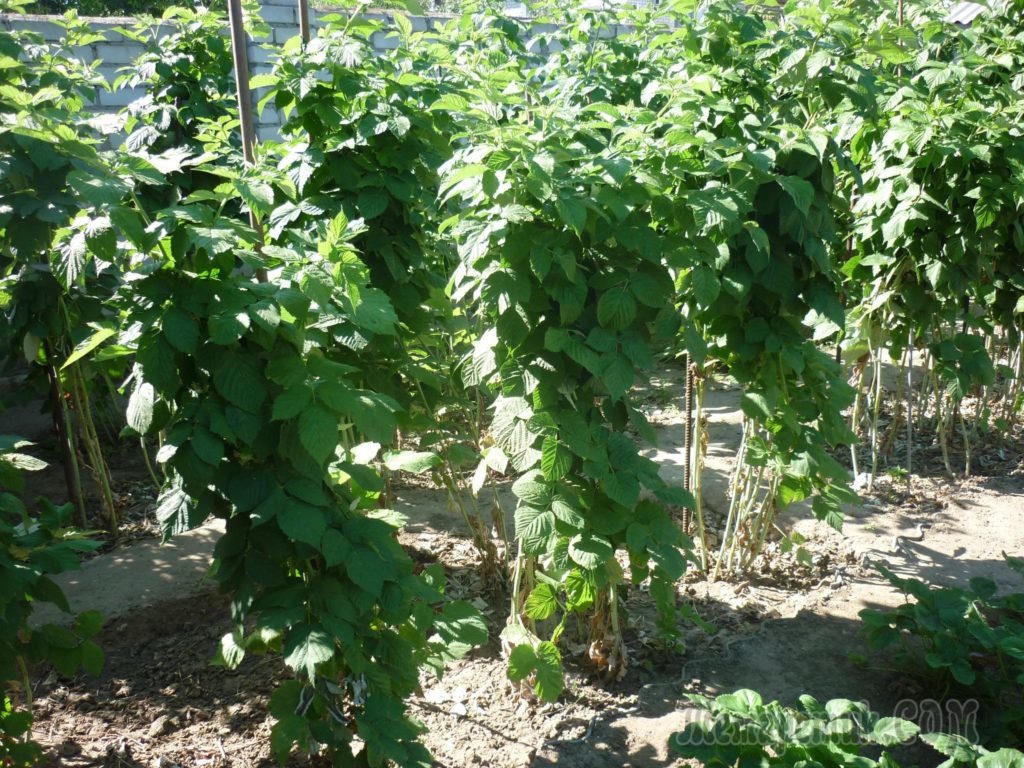
- curtain;
- Triangular landing pattern.
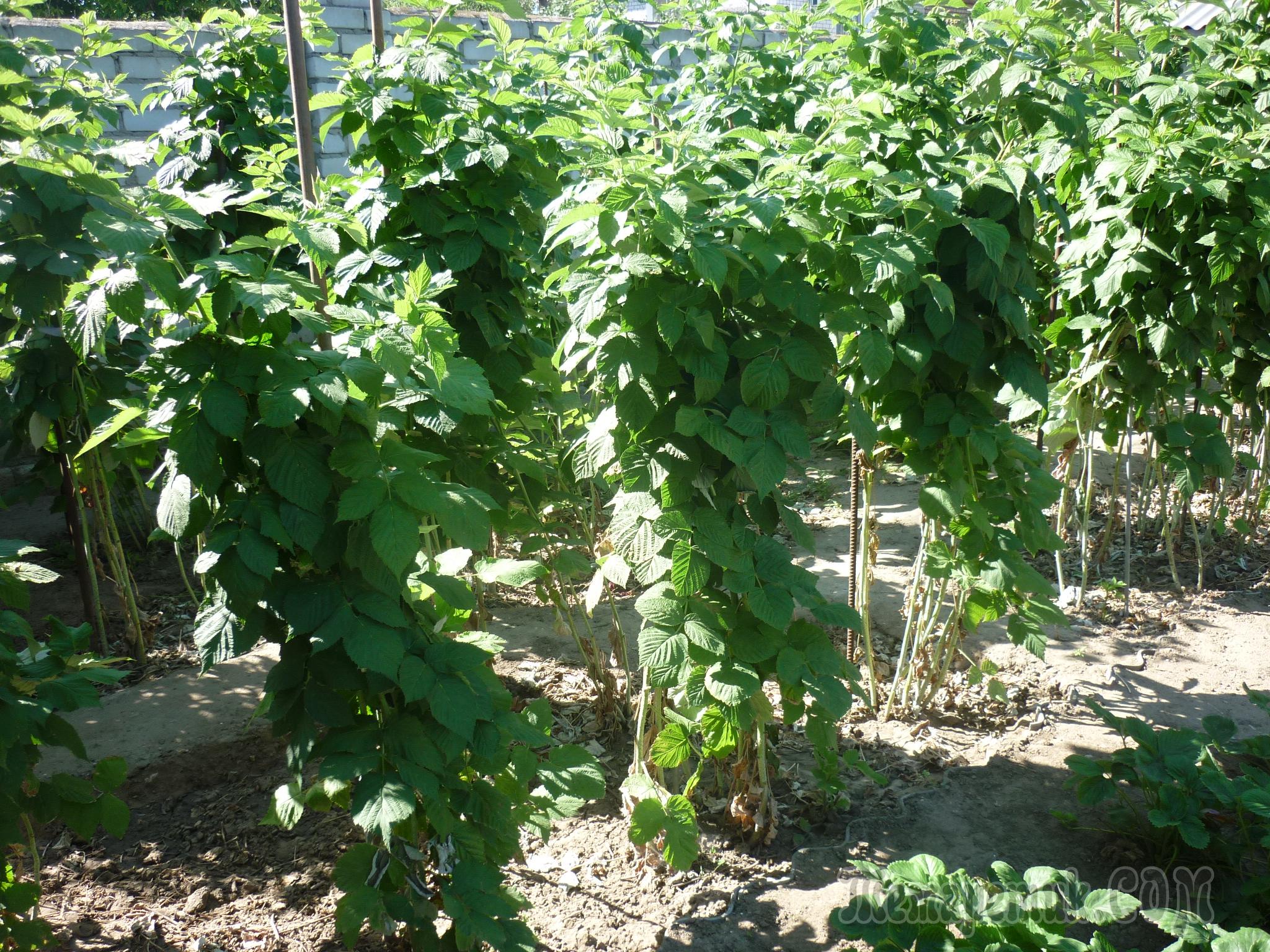
To make caring for everbearing raspberries as hassle-free as possible, plant them in the fall rather than the spring—this time of year is best for the bush's normal development, given the optimal temperature and humidity.
Planting methods, their features and differences
There's no definitive answer to the question of how to plant everbearing raspberries—there are several methods, each of which produces its own positive results:
- Planting with seedlings – for this method, choose seedlings with a well-developed root system. Plant the future bushes 5 cm deeper than they were growing in the greenhouse – this is necessary to ensure the growing point is completely covered with soil. Like any other newly planted plants, raspberry seedlings require ample watering to ensure a firm soil contact with the roots.
- Propagation by root suckers. If you already know how to plant raspberries from sprouted cuttings, try propagating the bush by root suckers: dig up the selected sucker and place it in a permanent location for rooting.
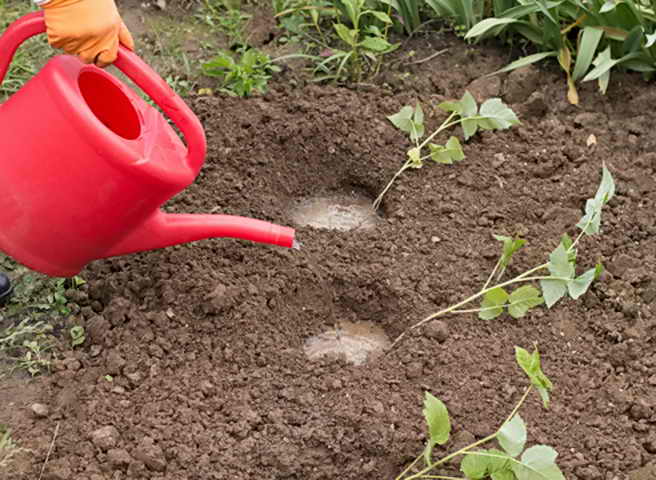
- Propagating your favorite raspberry variety using root cuttings is the easiest way to propagate it. All you need to do is dig up the bush by the roots and divide the densest and most vigorous parts into small cuttings, which are then planted in the prepared area.
Caring for young raspberries
If all goes well and the bushes have taken root and begun to grow vigorously, this doesn't mean they won't require further care. When asked how to care for young everbearing raspberries, the main measures will include the usual and traditional regular fertilizing, watering, loosening the soil, and weed removal.
Some tips for planting and care
When growing this crop, don't leave it in the same spot for too long—after a few years, the soil under the raspberry bushes becomes severely depleted, requiring replanting. If planting in the fall, remember to mulch the area around the seedling to protect it from frost.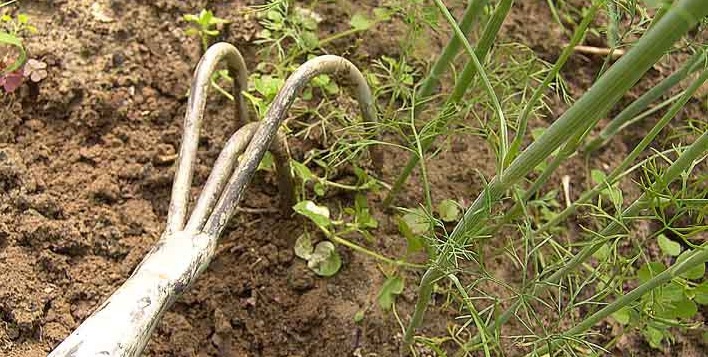
If planted correctly and given proper care, everbearing raspberries can provide you with delicious, fragrant, and, most importantly, healthy berries for a long time.
Video: "How to Get a Good Harvest"
From this video you will learn how to get a good raspberry harvest.