
Everbearing raspberries: advantages and disadvantages
Content
Advantages and disadvantages
Everbearing raspberries have a two-year life cycle. In the first year, shoots and stems grow. In the second year, they bear fruit. You can also cut back the stems that have produced fruit.
This will help protect you from diseases and pests that can infect both raspberries and even their seeds. This means that the quality of everbearing raspberries is much better, as they are almost never susceptible to diseases. Standard raspberries bear fruit in their second year, while these ones only bear fruit in their first. Basically, the pests are simply confused, as they don't understand what this raspberry is, or how it differs. And in late autumn, all the shoots are cut off, leaving no room for the disease to attach itself. Therefore, they can even be fed to children, as these raspberries are hypoallergenic.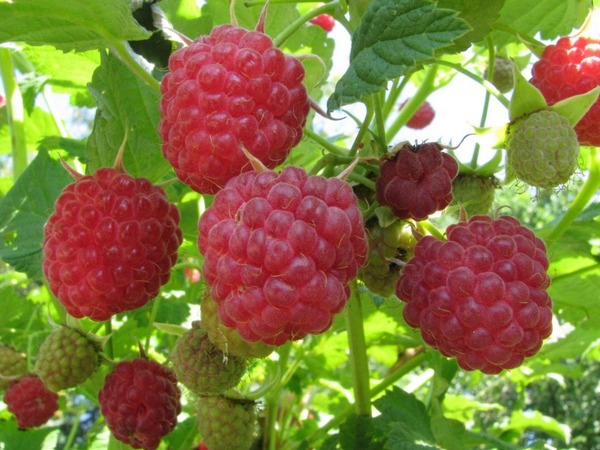
A positive feature is that raspberries don't lose their yield. This is because their roots are frost-resistant, and the tops of the stems are cut low. Therefore, there's no part of the bush that's susceptible to freezing. Even in cold regions like the Leningrad region or the Urals.
In addition, you can save money on purchasing materials needed for shelter, and on top of that, you will have free time.
Berries form in August or September. This applies to any region, be it the Urals or Kuban. This is the best time for ripening, as temperatures are no longer too high and humidity is quite high. This prolongs the fruiting period, but if the berries don't bear fruit, it's time to consider whether you were lied to when you bought them. If all is well, you can eat the berries right up until the first frost. Remember that those that ripen late in the season are no worse than those that ripened early. Because they have a fairly long fruiting period, you can prepare various fruit and berry mixes for preservation. This won't work with regular varieties, as they only produce fruit at the very beginning of the season.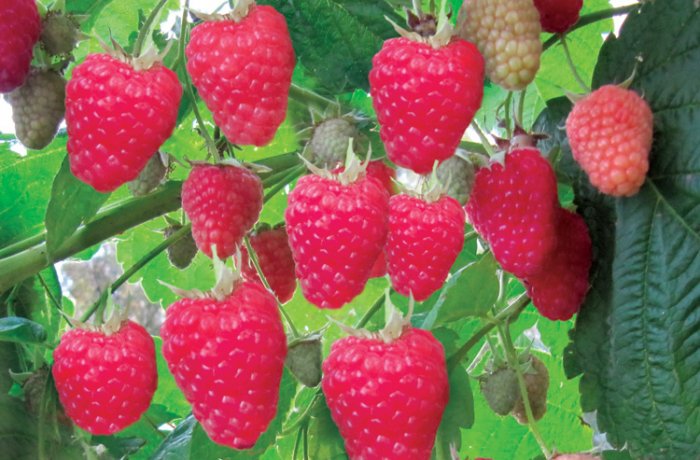
They don't mind light frosts, thanks to their late flowering. If the outside temperature drops to 6 degrees Celsius while the berries are setting, it won't be a problem. The berries will continue to develop anyway.
These raspberries don't spread across the plot, unlike regular raspberries. The latter need to be fished out from all over the garden, as they send up shoots. These raspberries, however, grow where they're planted.
Disadvantages. There are few of them, but they do exist. Let's find out.
This type of raspberry doesn't sprout. For some, this may be a plus. But for others, it's a significant minus. If you don't want the raspberries to take over your entire plot, this is a huge plus, but if you're looking to multiply your raspberries, it's a major minus.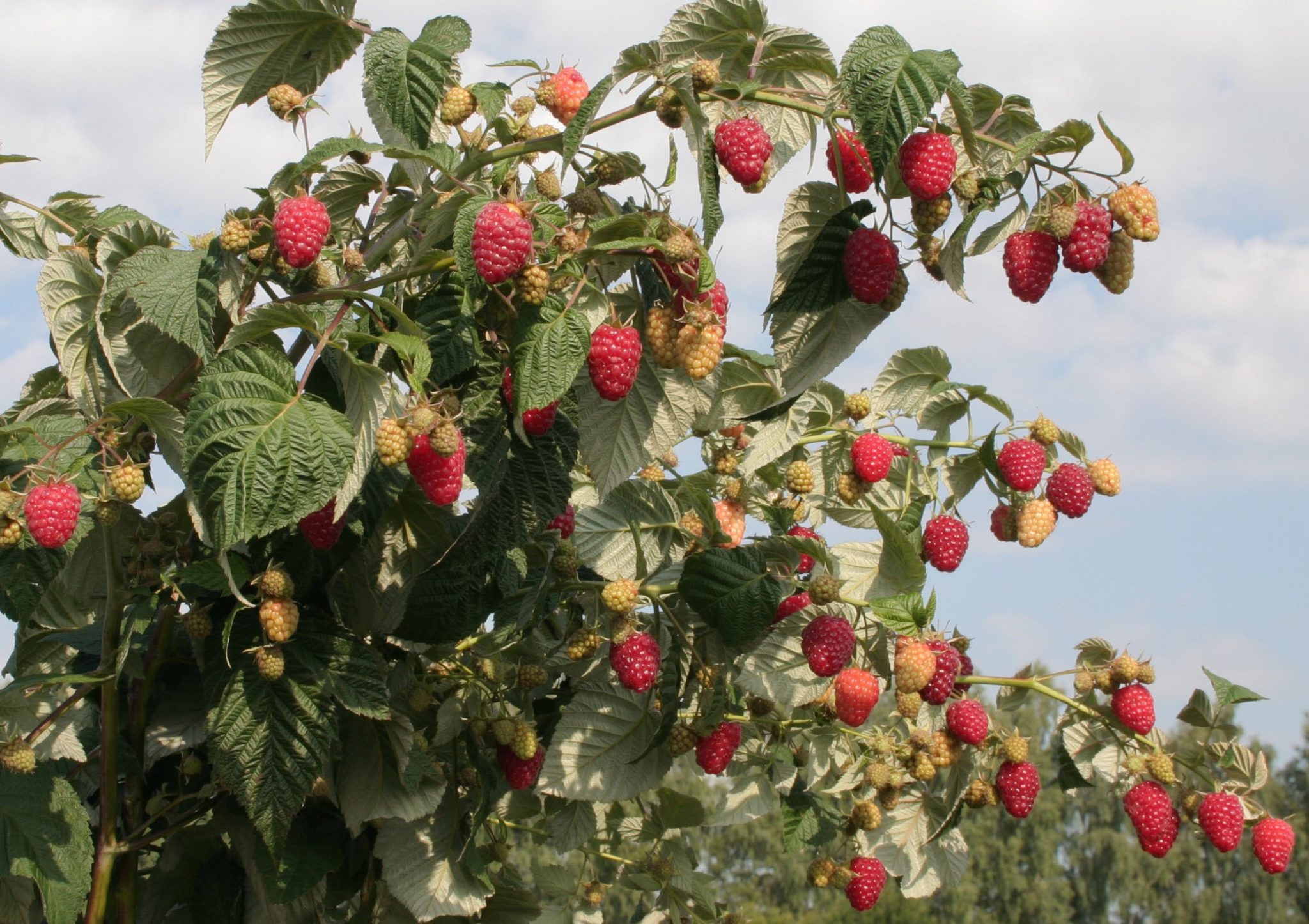
To get a bountiful harvest, we need to plant this raspberry in a location with plenty of space and light. Even the slight shade that regular raspberries can tolerate is unacceptable for everbearing raspberries.
This raspberry requires non-acidic soil. If that's what you have, unfortunately, you won't succeed, as we need a very ordinary soil that won't have any significant acidity characteristics.
If you compare the pros and cons, the pros outweigh the cons. And that's good news!
Video: Raspberry Care Guide
In this video you will learn how to properly care for this berry.
Landing rules
Many people, swayed by the hype, buy these raspberries and begin caring for them as if they were regular raspberries. Then they wonder why they don't produce much fruit in the spring. This is where the danger lies, as instead of a harvest, they'll be met with complete disappointment. Success will only come to those who understand the specifics of these raspberries and why they require different care than regular varieties. Remember that a good double harvest will only occur in the southernmost regions of the country. Therefore, it's better to wait until the fall fruiting season and enjoy the delicious fruit rather than trying mediocre fruit twice.
The best time for planting is during the growing season, specifically in spring or autumn. Seeds should be sown even earlier.
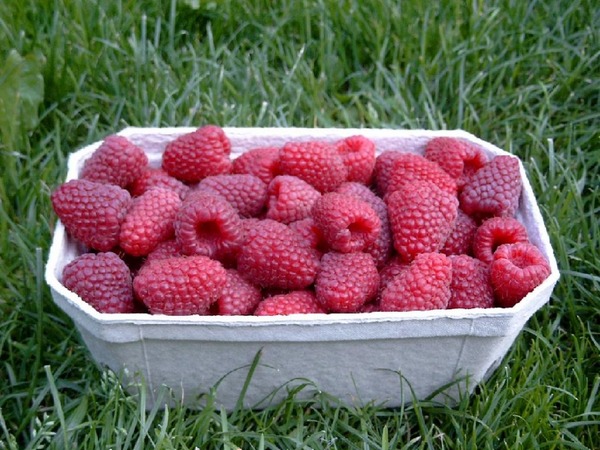
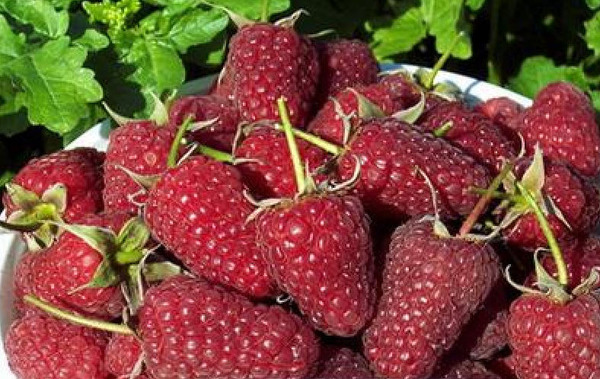
The seedlings must be prepared. Specifically:
- Raspberries must have developed roots.
- The stems must be cut (the length should be up to 30-35 cm).
Young seedlings are planted as follows:
- They dig a small hole.
- Fertilizers are added.
- Place the stem into the hole.
- Then sprinkle and press down the soil.
- And everything ends up flooded with water.
Experts say the best time to plant is in the fall. This is because this time of year has the best climate conditions. If you plant raspberries in mid-fall, the seedlings will have time to ripen and prepare for winter without delaying fruiting. If this isn't possible in the fall, then plant them in early spring.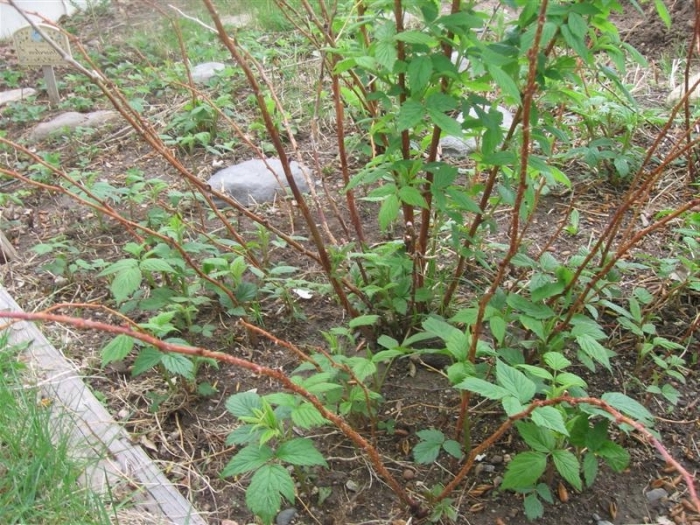
When planting, maintain a distance between bushes—ideally, 1 meter. The distance between rows should be about 2 meters. To ensure rapid rooting and full development of raspberries, add peat or humus to the dug hole during planting. You can also add 5 tablespoons of mineral fertilizer. Just make sure there's no chlorine in the soil, as this will cause the plants to die before they reach spring.
Harvest in the first year
If you plant raspberries in early spring, you can expect the first harvest by the end of August. Remember, harvesting is crucial, as picking the berries in September will ensure the earliest possible harvest in the spring.
Growing and care
If the goal is to harvest the maximum amount of fruit throughout the season, then you need to provide the plant with proper care and grow everbearing raspberry varieties.
There are some nuances here, so you need to know how to properly care for this type of raspberry.
- Do not dig or loosen the soil around the bush.
- Water it generously and fertilize it. This is a very big difference between standard and everbearing raspberries.
- Treat the bushes from time to time.
- Plants planted at the right time outpace late autumn and spring plants in growth and yield.
- During planting, add several buckets of compost and a glass of mineral fertilizer (most importantly, chlorine-free) to each hole. These are seedlings, not seeds.
When planting, the root collar should be level with the soil surface. Neither too deep nor too protruding is acceptable. Only in light soils, where the plant may suffer from drying out, should the roots be raised 3-5 cm.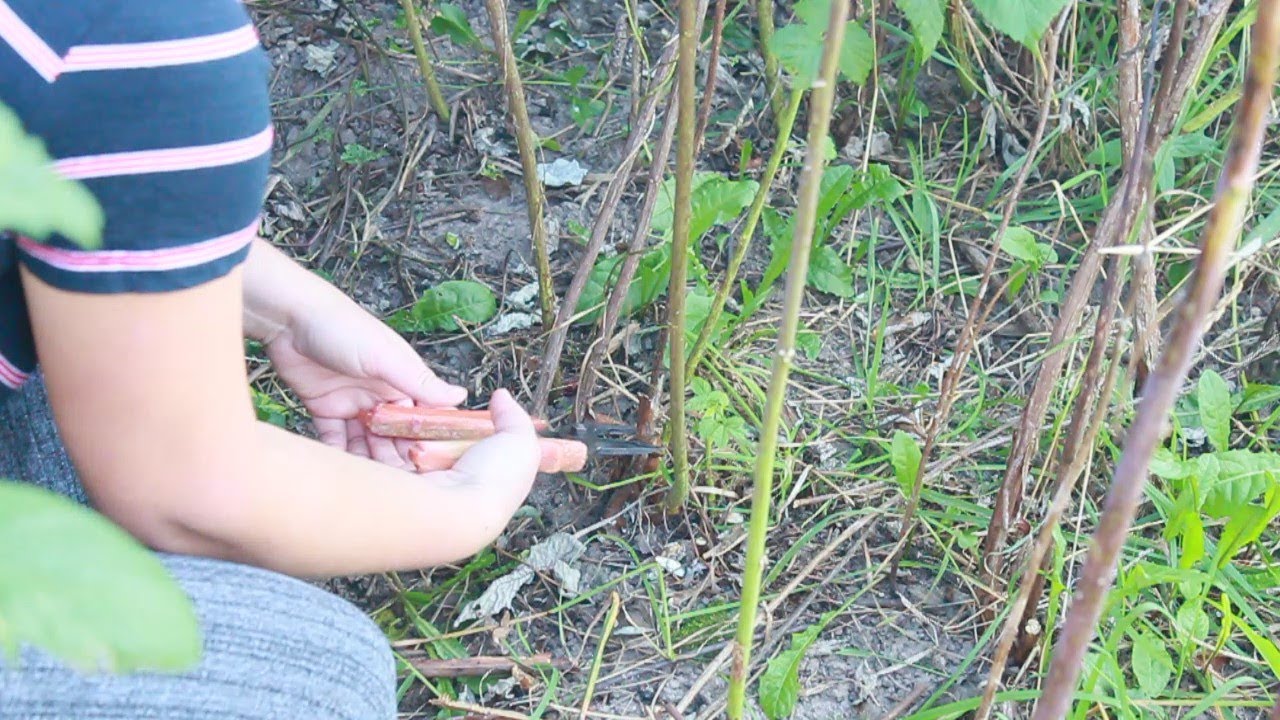
Shoots will grow faster if you install trellises and cover the bushes with lutrasil in May. Lightweight materials can be used to cover the bushes until the end of autumn.
In spring and early summer, apply liquid fertilizer.
Prune all shoots that have already borne fruit in the fall. Don't rush pruning; it can be done after the first snow. Before the soil freezes, various nutrients will reach the roots. This will help the bushes develop better in the spring.
If the autumn is cold, to ensure full ripening, thin the inflorescences. This involves removing half of the weakest fruiting branches on the stem, as well as buds with flowers that will not produce fruit.
If you need to propagate raspberries, cut out the center of the bush in the second or third year. The remaining roots will produce excellent seedlings.
Raspberries can tolerate moderate acidity. But very acidic soil is bad. Apply lime. The best form of lime fertilizer is dolomite flour!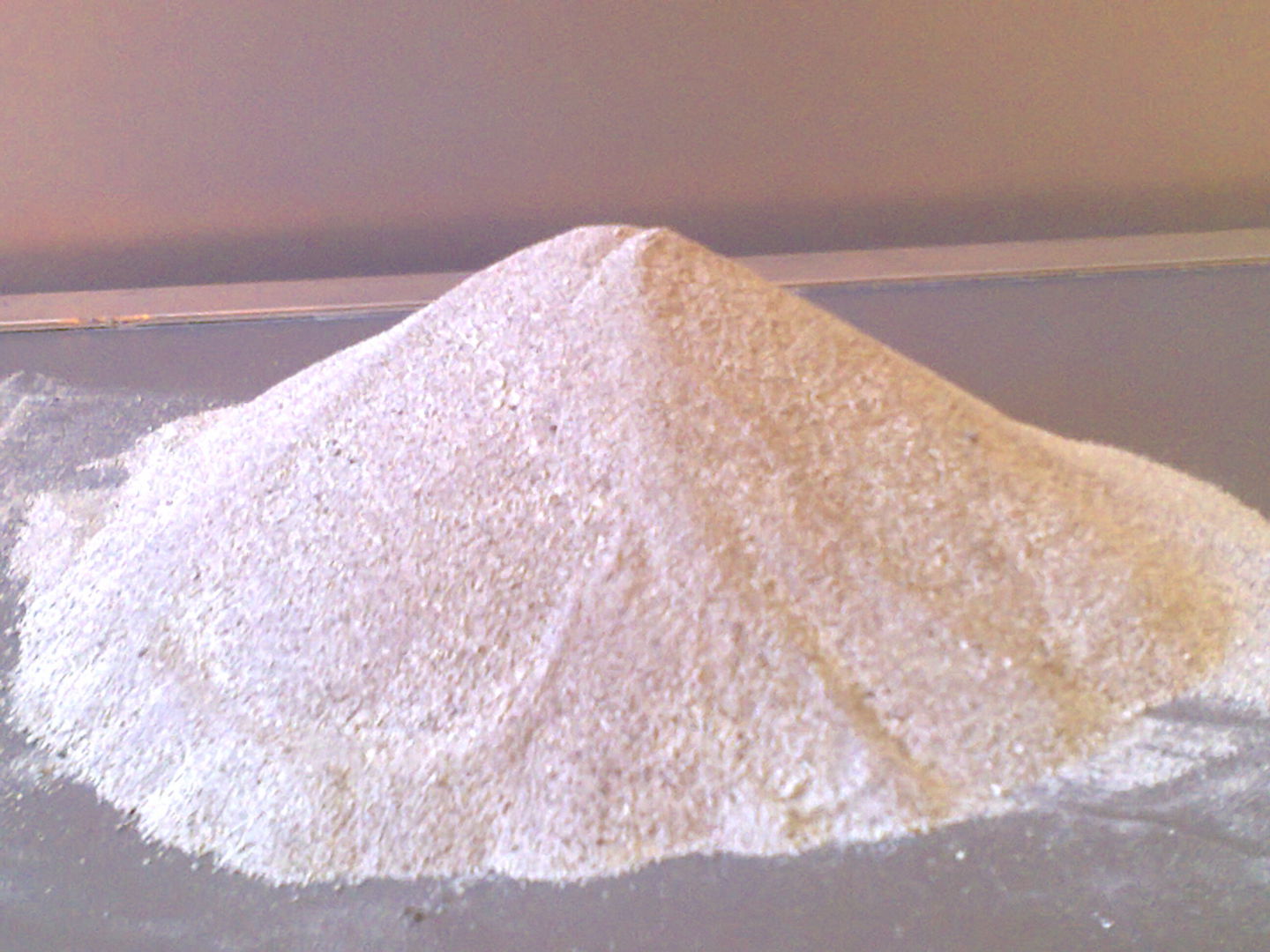 Also, apply 10-12 kg of dolomite fertilizer to poorly fertilized crops. If you didn't apply fertilizer before planting, do so during planting. With good pre-planting fertilizer, you can avoid fertilizing your raspberries for several years. However, in any case, you'll need to start fertilizing again after 3-4 years.
Trimming
By the end of autumn, pruning is necessary. All existing shoots are cut back almost to the ground, leaving a very short stem. You can also prune raspberries in the spring, cutting back to the first bud.
The best varieties
- Glade
- Hercules
- Monomakh's Cap
- Diamond
These are the pros and cons of raspberries!
Video "Raspberry Varieties"
In this video you will learn how to choose the best raspberry variety.