
Maravilla raspberry variety: what's the secret to its popularity?
Content
How the variety was bred
Maravilla was developed in the late twentieth century by Californian breeders for commercial cultivation. This everbearing raspberry has the full name "Driscoll Maravilla."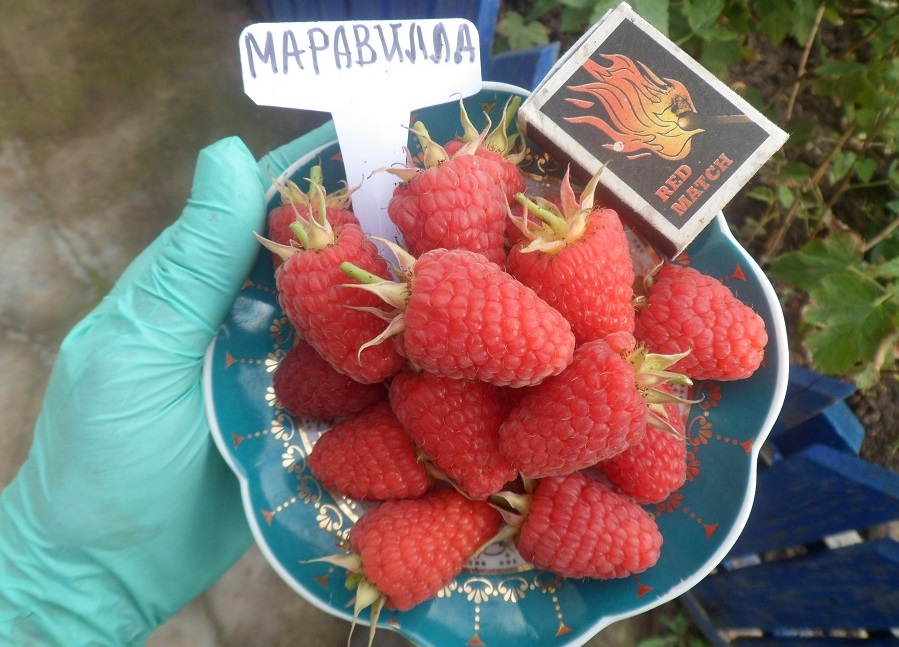
This variety is a commercial one, ideal for supermarket sales, as the berries are easy to transport, have a long shelf life, and retain their appearance for a long time.
Video: "Characteristics of the Maravilla Raspberry Variety"
From the video you will learn about the features of this raspberry variety.
Characteristics
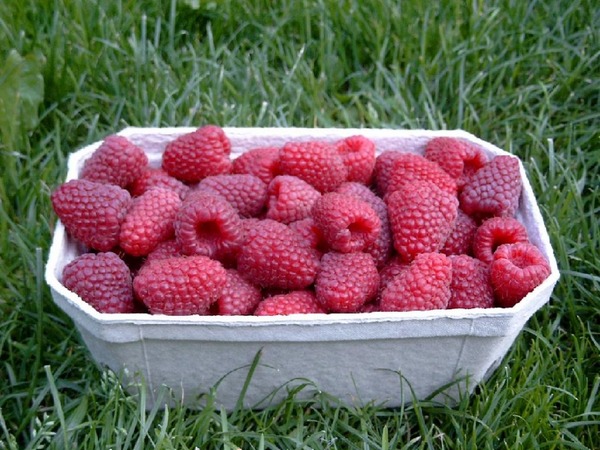
Maravilla berries are large, dense, and highly resistant to rot. They are characterized by a bright red color with a slight sheen, a conical shape, and a barely perceptible drupe.
The berries remain the same size throughout the harvest period, are easily separated from the stem, and retain their quality well after picking when stored in the refrigerator for two weeks. During this period, the berries may change color slightly. Maravilla bears fruit twice during the season, producing a high yield. The first harvest of berries is from second-year shoots, beginning in mid-May and continuing until the end of July. The second harvest of berries is from the current year's shoots, beginning in mid-July and ending in mid-October. Both harvests are characterized by high yields compared to other raspberry varieties.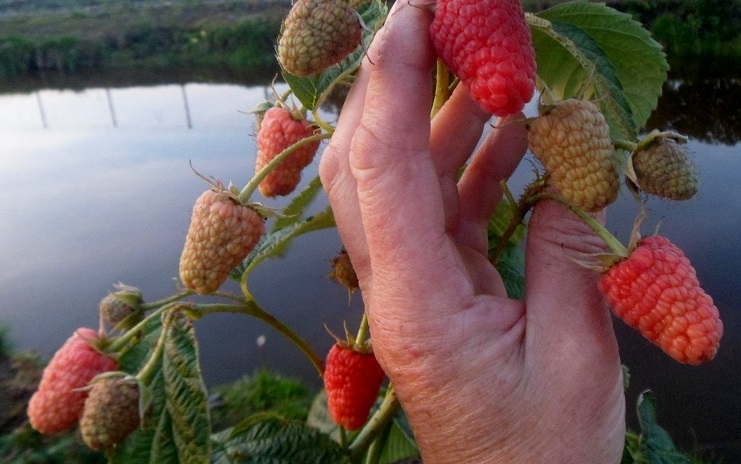
Maravilla has thick, vigorous, erect stems with small thorns, reaching a height of up to 2 meters. The bushes require no staking or trellising. They produce a small number of replacement shoots and few buds. The fruiting zone begins at a height of 1.8 meters from the ground. This variety is very demanding and fussy in propagation and establishment. After fruiting, the bushes are pruned back to no more than half a meter.
Protection from diseases
- The plant can be susceptible to late blight, which stunts shoot development. Bushes are often affected after fruiting has ended. This can also occur during prolonged refrigeration of long-stemmed seedlings (long canes), which contain last year's fruit buds. These are often used in propagation, as they produce berries in the first year of planting.
- Raspberry bushes are susceptible to thrips attacks, which cause significant damage to shoots. To combat this pest, two treatments with selective inhibitors are applied via sprays. Then, biological control methods are employed, using Thripex-Plus, which uses predatory mites that feed on thrips larvae and eggs.
- Another common pest of raspberry seedlings is the spotted drosophila, which can significantly reduce the quality of berries. Therefore, when harvesting berries, it is recommended to also remove berries of unsightly quality from the bushes to prevent this pest from infesting and multiplying the bushes.
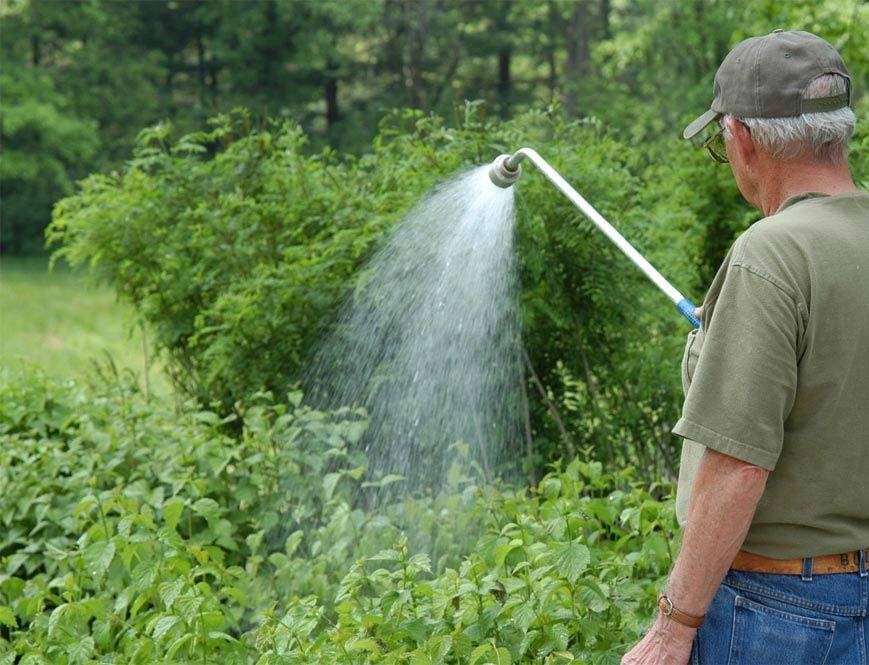
- Since this raspberry variety is primarily grown in tunnels, it is sometimes susceptible to sooty mold. This disease is characterized by the appearance of a black coating on the leaves, which disrupts photosynthesis. In this case, a balanced watering regime should be followed, avoiding excessive moisture. In greenhouses, ensure adequate air circulation and good ventilation. Fungicides such as Switch 62.5 WG, Signum 33 WG, and the biopreparation Serenade are used to combat the fungus.
- Shoots are rarely affected by viral diseases, as they have a short vegetative cycle.
Productivity
This variety of raspberry is mainly grown in tunnels, using containers filled with substrate.
Growing berries in open ground requires significant investment, according to organic standards. However, given the high demand for this type of produce, the costs are more than offset even with lower yields than with intensive cultivation. In production, such seedlings occupy approximately 15% of the total area.
New cultivation technologies allow for an extended production season and increased yields, resulting in an average yield of 20 tons of berries per hectare. This year's seedlings add approximately 10 tons per hectare to the overall yield.
Video: Growing and Caring for Raspberries
From the video you will learn how to grow and care for raspberries.