
The best raspberry varieties for the Northwest
Content
Early ripening varieties
Varieties whose fruits ripen in a short period of time are popular in the Northern regions. 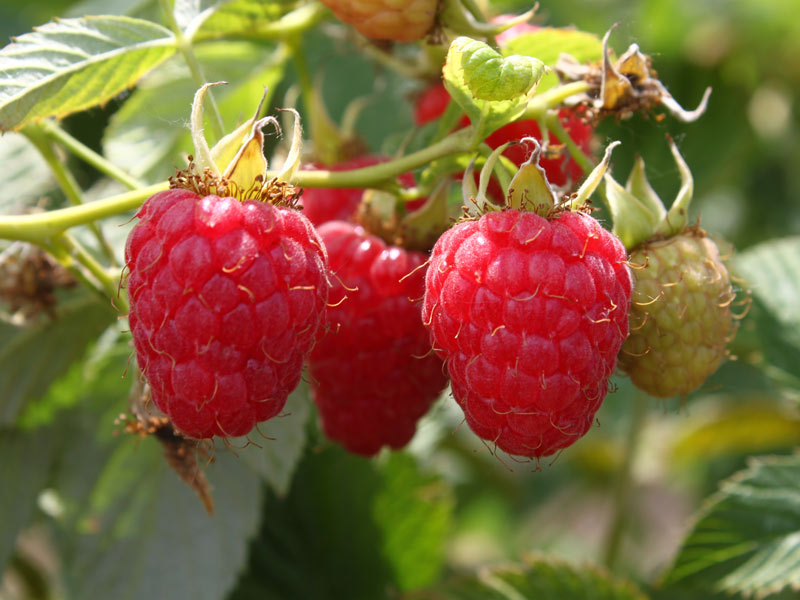 Because of the harsh climate, varieties with a longer ripening process may die without ever having time to ripen.
Faith
This berry variety was developed at a research institute in Siberia. It can be successfully grown in the northwestern regions of the country. It is a medium-sized plant, with bushes reaching a couple of meters in height. "Vera" tolerates frost very well and is resistant to spider mites and raspberry mites. It can sometimes be susceptible to purple spot. The bush produces numerous thorny shoots, making harvesting difficult.
Credo
This variety is low-growing, reaching a height of about one and a half meters. The stems of the bush are straight, and the branches are sparsely covered with leaves. 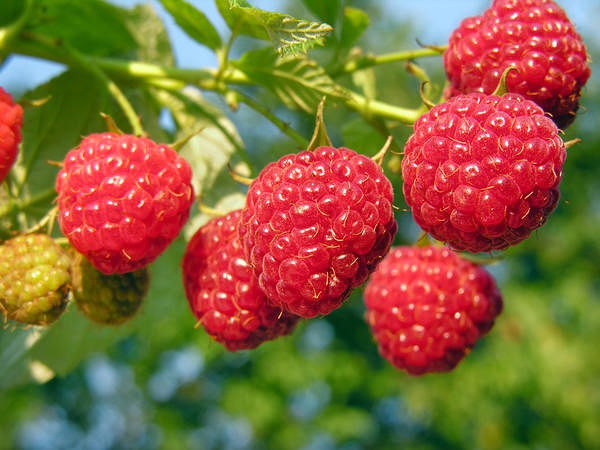 The fruits ripen very quickly. The compact plants, with few thorns on the branches, do not require staking.
Meteor
Individuals of this variety can reach a height of two meters. The bush is sparsely branched and is considered a low-spreading variety. The berries are most often eaten fresh, but they are also excellent for processing. This variety is characterized by early and uniform ripening of the fruit in early July. "Meteor" is characterized by a high level of resistance to frost and sudden drops in temperature. The bush produces few shoots.
Kuzmin's news
This plant species was bred by breeders quite a while ago. It's considered a medium-sized plant, reaching a height of approximately two meters. The bush is compact. The fruits average 2 grams each. The berries are crimson in color and shaped like a truncated cone. 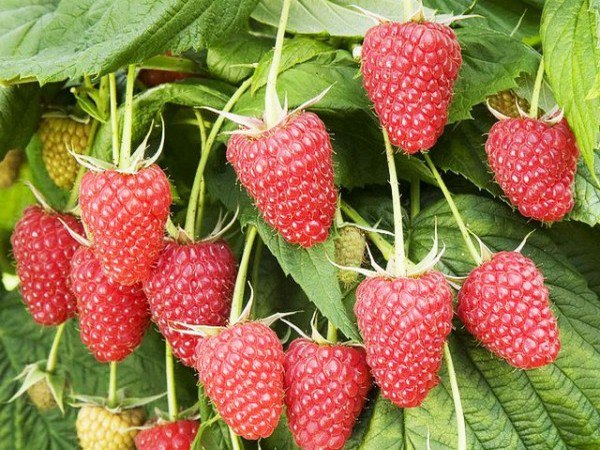 The fruit pulp has a strong aroma. The harvest is most often eaten fresh. It can also be used for processing. The fruits usually ripen in early July. The bush is highly productive. A single plant can yield 2 kilograms or more of fruit. This variety is highly resistant to low temperatures and frost.
Sun
The bush of this variety is medium-sized and well-branched, making it considered a branched variety. The fruits usually ripen in mid-July.
A bush can yield up to 2.5 kilograms of fruit. It has average tolerance to low temperatures. This variety is very popular among gardeners, as it is characterized by stable fertility and ease of care.
Companion
This variety is widely grown by gardeners in the northwestern regions. Plants are vigorous, reaching up to 2.5 meters in height.
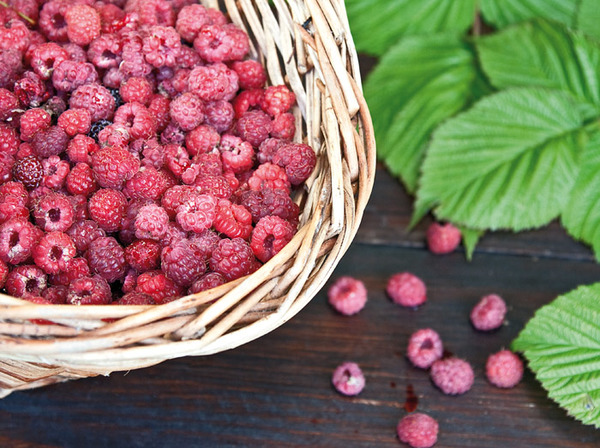
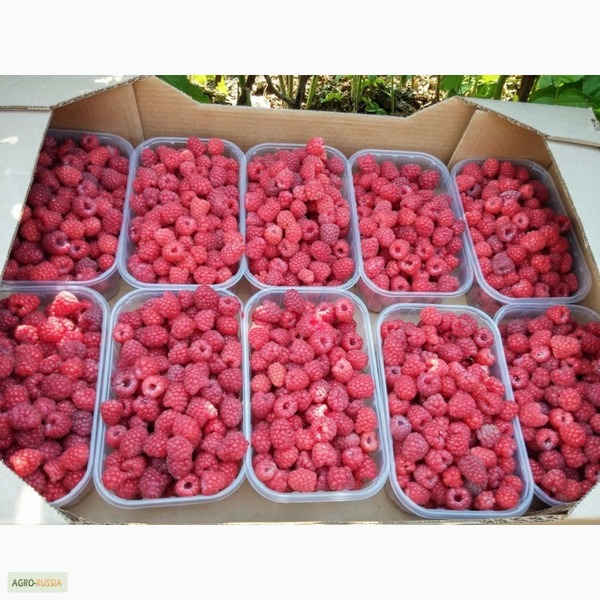
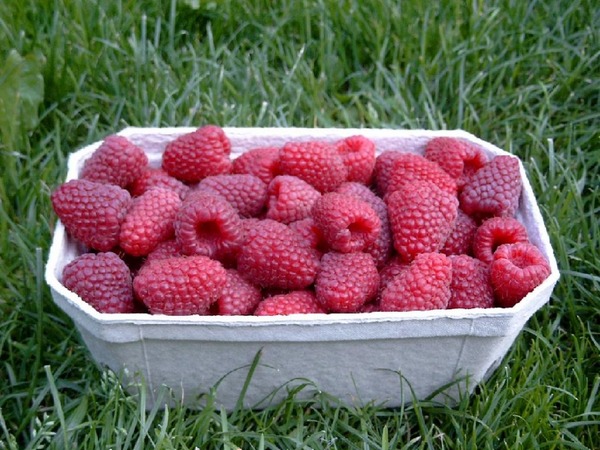
The harvest ripens in mid-July. The crop is characterized by high yields and stable fertility.
Video “Early varieties”
From the video you will learn about early raspberry varieties.
Mid-season varieties
Varieties with mid-season ripening are ideal for growing in the northwest. With proper care, these plants can yield a bountiful harvest of berries.
Balm
The cultivar is medium-sized and fairly compact. Its fruits typically weigh over 3 grams each, are conical in shape, and ruby-colored. The berries have a subtle aroma. 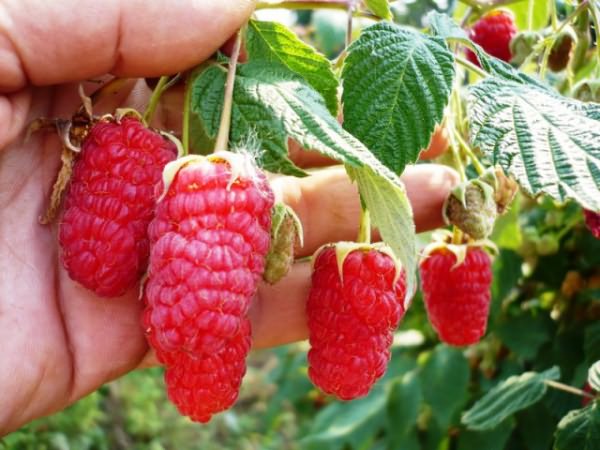 They have a sweet and sour taste, with firm flesh. The harvest is widely used both fresh and for processing. The fruits ripen simultaneously, usually in mid-summer.
Barnaul
The bush is medium-tall, and its fruits weigh 2 grams each. The berries are red and have a dull sheen. The pulp has a slight aroma. These raspberries can be eaten fresh or processed. The harvest ripens in mid-summer, all at once. This variety is very frost-tolerant. Occasionally, the tops of the shoots may freeze.
The fugitive
The cultivar is medium-sized. The plant produces apricot-colored fruits, weighing around 3 grams. These raspberries are ideal for desserts, as they are difficult to transport. The harvest ripens in late July. Yield and frost resistance are average.
Brilliant
Young stems are straight and turn purple in autumn. The branches have few thorns, often soft. Two-year-old stems are brown and also straight. The berries weigh between 2.6 and 4.6 grams. They are crimson in color and spherical. The flesh is firm and has a sweet and sour taste.
Yellow giant
This plant is vigorous, tall, and grows upright. Its annual branches are thick, green, and covered with spines along their entire length. 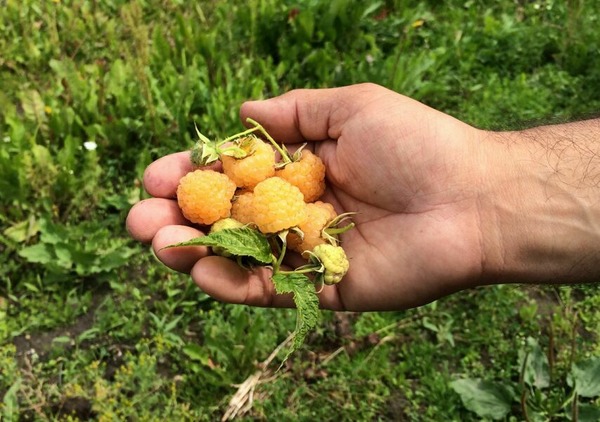 The berries weigh between 4 and 6 grams, are yellow, and contain large seeds. The fruit has a strong, pleasant aroma. Due to its sweet taste, the fruit is often used in desserts.
Maryanushka
This variety originated in Ukraine. Its plants are medium-sized and fairly spreading. The fruits are large, weighing up to 9 grams. The berries are a typical raspberry color and resemble a truncated cone. This variety has average frost resistance.
Early dawn
The plant grows tall and not very spreading. The harvest ripens in late July. This variety produces fruit consistently and abundantly. It has moderate frost resistance and high resistance to viral diseases.
Modest
The plant is medium-vigorous and compact. One-year-old branches are green, while two-year-old branches are brown. Fruit ripens simultaneously, in midsummer. The bushes are consistently productive, averaging 2 kilograms per bush. Frost resistance is high.
Falconet
This raspberry variety typically grows to robust heights, reaching up to 2 meters. The berries are most often eaten fresh, and less commonly used for compotes or jams. The harvest ripens in midsummer, producing abundant fruit.
Trojan
This medium-sized bush has strong yet flexible shoots. They have soft thorns, located at the base of the branches.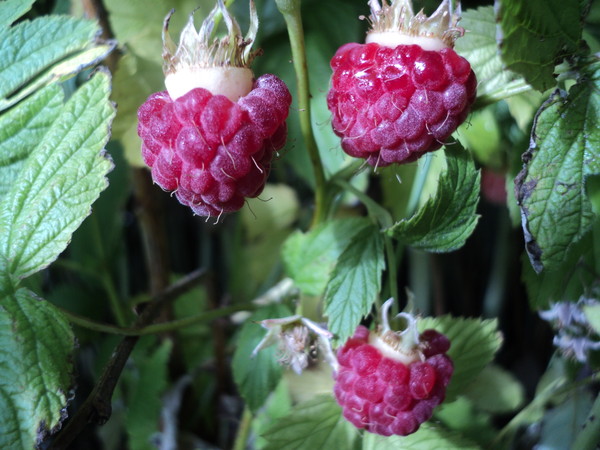 This variety tolerates frosts well and is resistant to fungal diseases and parasites. Troyana is sometimes susceptible to purple spot and various viral diseases.
Late-ripening varieties
Late-season raspberry varieties are rarely cultivated outdoors in the Northwest. Gardeners often grow them in greenhouses.
Brigantine
Compact, medium-sized specimens of this variety have a small number of straight, green stems. The shoots are usually covered with thorns. This variety ripens in late July. Frost resistance and yield are average.
Diamond
A remontant variety of raspberry, characterized by the absence of thorns on the shoots and the brilliant shine of the fruits. 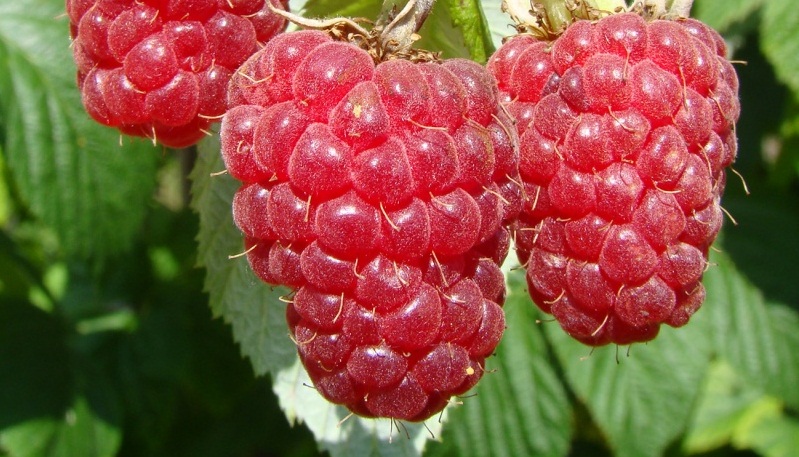 The branches have few leaves, making the fruit easy to pick from the bush. This variety doesn't require any special growing conditions, which is explained by its remontant nature.
"Eurasia"
This remontant variety has a distinct bush structure. Each individual grows to about 1.8 meters tall. Harvesting begins in mid-August and continues until frost. The harvest can be stored for 14 days without rotting.
Coral
The bush of this variety is about a couple of meters high and is quite compact.
The one-year-old branches are straight and turn purple in the fall. They are lightly covered with spines. Each berry weighs about 4 grams and resembles a wide cone. The fruit pulp is sweet and aromatic.
So, today you can successfully grow raspberries even in the harsh conditions of the northwest. The most important thing is to determine the timing of the desired harvest.
Video "High-Yielding Varieties"
From the video you will learn about high-yielding varieties.