
Raspberry Polka – a delicious, productive variety without the hassle
Content
Description of the variety
It's not hard to guess the country of origin of the Polka raspberry variety from its name. It's Poland, of course, and, to be precise, its origins are linked to the Brzezna Horticultural Research Institute, located in a small town in the south of the country. The variety was developed in 1993 through open pollination of the Autumn Bliss variety and experimental specimens of the P89141 line. Thus, the Polka raspberry became an improved version of its parent.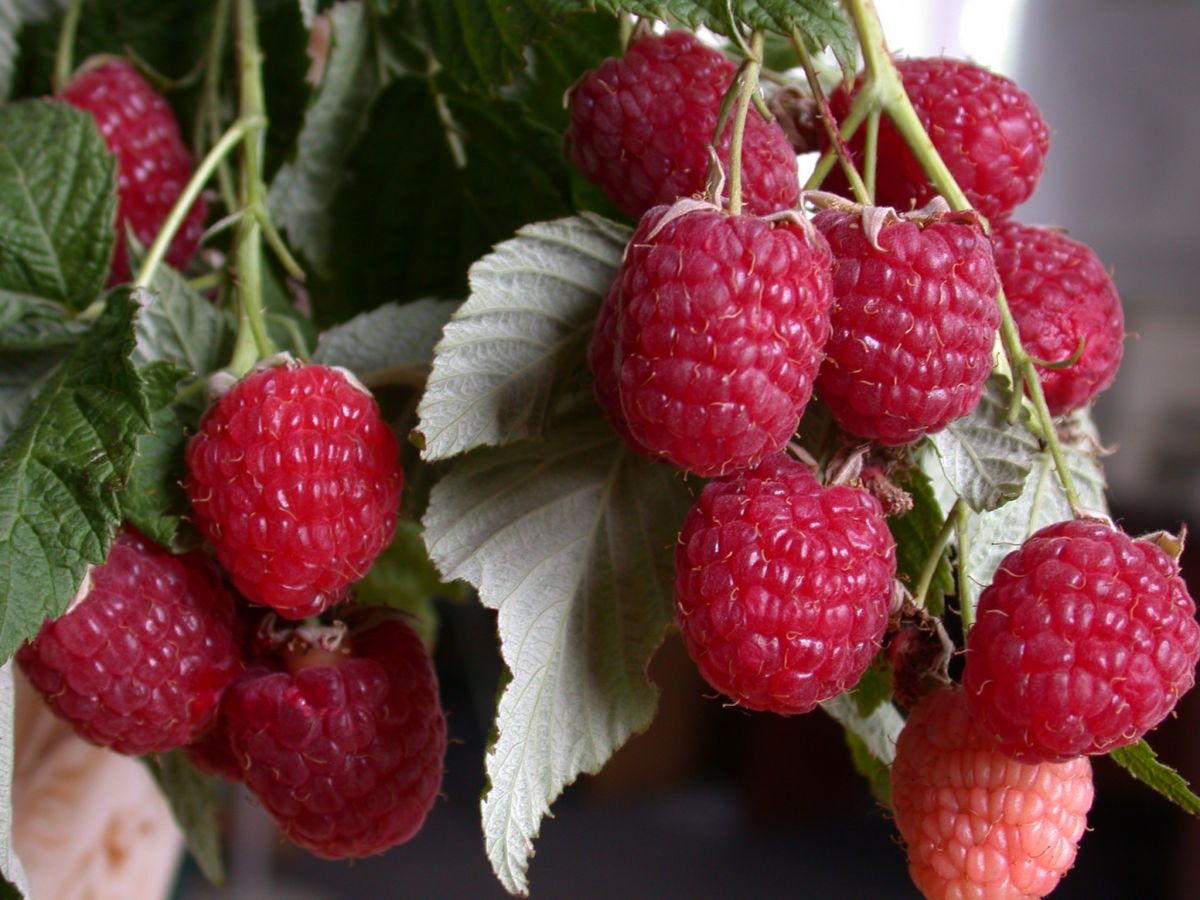
The everbearing Polka raspberry is capable of producing twice a year. The main crop appears on one-year-old shoots (late July – mid-November), and the remainder on last year's shoots appears in early summer.
The main properties of the variety can be described by the following characteristics:
- the yield is high, the ripening of berries begins in the middle of summer, and fruiting continues until mid-autumn, until the very beginning of frost, in other words, about three months;
- the fruits are bright red in color with shine, compact in shape, large and medium in size, with a pleasant taste;
- the sugar level in the fruits is balanced;
- dense consistency, small drupes, pleasant, unobtrusive aroma;
- the shape of the berries is slightly elongated, but neat;
- inside each bunch there are seven to ten berries;
- The weight of the fruits is 3-4 grams, sometimes reaching 6 grams.
-
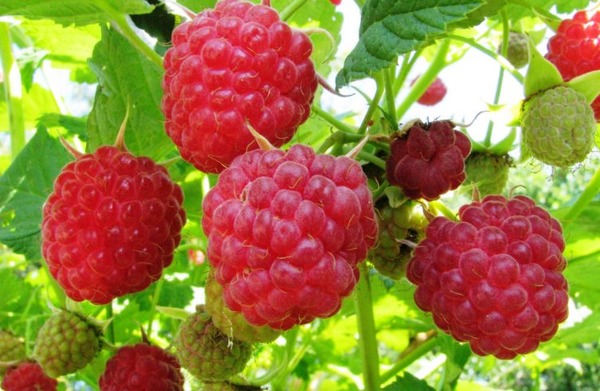
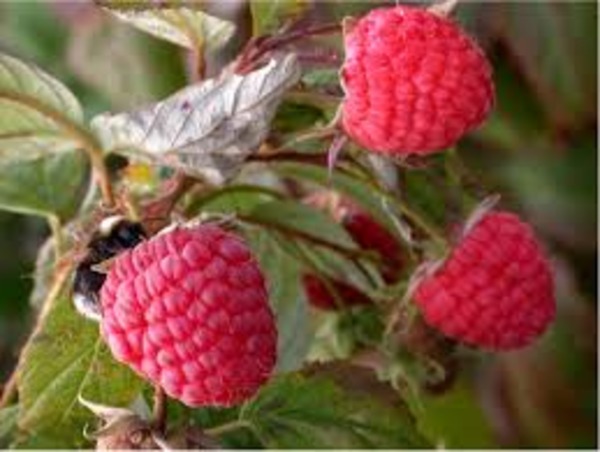
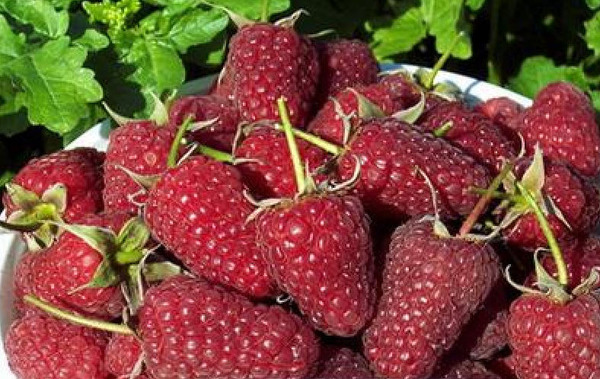
In addition, a distinctive feature of the fruits of this variety is their resistance to frost, after which only a very small percentage of the berries lose their marketable appearance.
Video "Amazing Variety"
From the video you will learn everything about this shrub.
Landing
The Polka raspberry is a garden crop that isn't considered a low-maintenance variety. It's quite vulnerable to drought and doesn't tolerate poor or heavy soils. Therefore, planting and caring for this raspberry variety requires careful attention, requiring specific knowledge and skills. Only regular watering, consistent fertilizing, and proper care can ensure a good yield from each plant.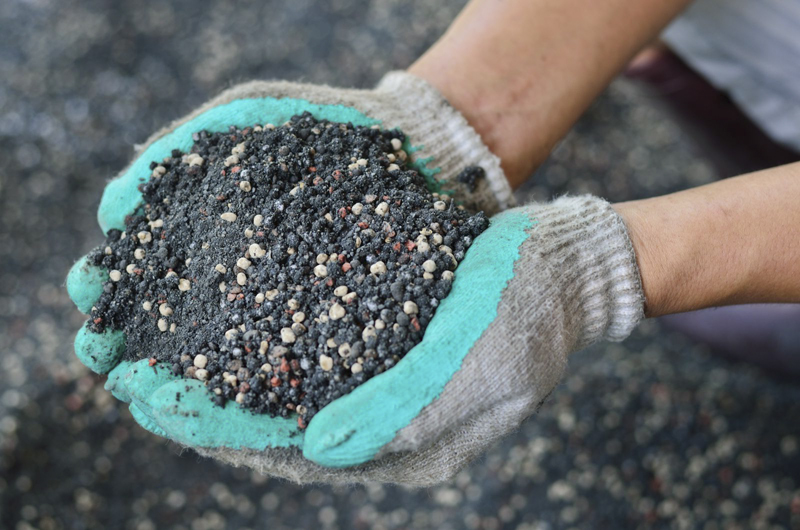
This everbearing raspberry variety should not be planted too densely, as it prefers full sun and fresh air. However, the berries can be sunburned in intense sunlight. It's important to remember that the earliest-ripening berries are the most vulnerable, as they are not yet covered by foliage. Therefore, when planning your raspberry planting, choose a well-lit area of your garden or vegetable patch.
Care
The key aspects of caring for everbearing raspberries are watering, loosening the soil, fertilizing, and weed control. Covering the bushes for the winter is equally important, as this variety is not particularly frost-hardy. Two options are available: pruning or bending them down, or mulching them against a trellis, sprinkling them with sawdust, or mulching with peat. Using sawdust instead of peat is not recommended, as it becomes damp and heavy, and bacteria will begin to grow inside. Coconut shavings, moss, or basalt wool are better options. It's best to cover the raspberries after pruning, once all the leaves have fallen.
Top dressing
The Polish raspberry variety requires fertilizing, as it is somewhat deficient in nitrogen, potassium, and organic matter. When adding organic matter (such as manure, chicken manure, etc.), be careful not to overdo it, otherwise you risk imbalancing the soil, or, as gardeners say, "burning it." Furthermore, too much organic fertilizer can cause excessive foliage growth, which will hinder fruiting.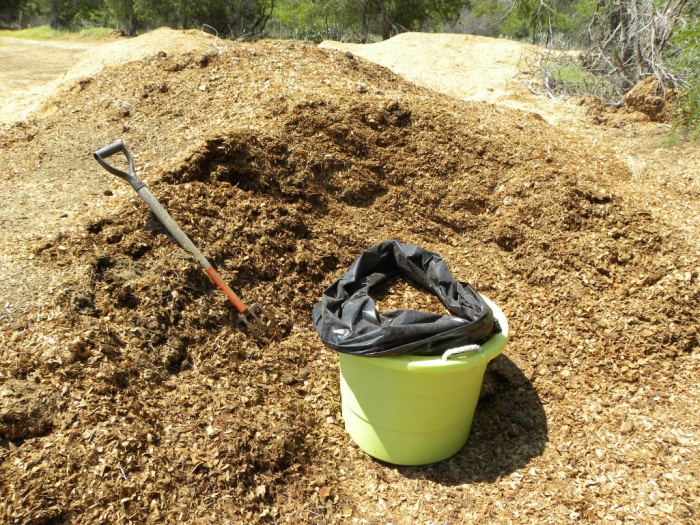
Fertilizing is best done in the first half of summer, with the first application occurring immediately after the snow melts. When using mineral fertilizers, it's important to strictly follow the instructions, especially regarding dosage.
Loosening
The soil should be loosened only slightly, to a maximum depth of 5-7 cm. After loosening, cover the soil with humus or peat. This will help retain moisture better and improve air access to the roots.
Watering
Raspberries are moisture-loving plants, so regular watering is especially important for this garden crop and variety. The plant's root system is quite shallow, which can lead to drying out during dry periods. During particularly hot periods, it's important to ensure the plants receive sufficient moisture regularly, so water regularly. However, overwatering is also important, as this can cause root rot and even death.
Trimming
The bushes average one and a half meters in height, and no more than a dozen shoots should be left on each bush. The shoots, in turn, are covered with rather small, almost invisible thorns.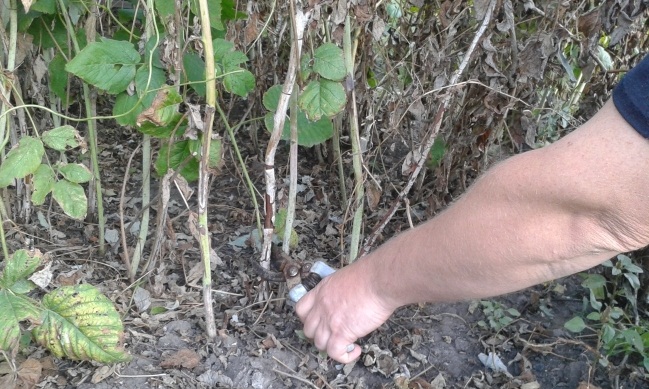
Pruning is usually done after harvesting, at the first sign of frost. Rushing this process is not recommended, as before the soil freezes, plants are still absorbing nutrients needed for healthy growth the following year. However, pruning should be done in a timely manner, as raspberries that are rejuvenated after pruning become more disease-resistant and can yield better results.
Additional care
Polka raspberry shoots are quite hardy, but they sometimes require staking. It's especially important to staking first-year shoots, for which this procedure is essential. As for mature shoots, it's best to prepare a trellis one and a half to two meters high, spaced at half-meter intervals, just in case.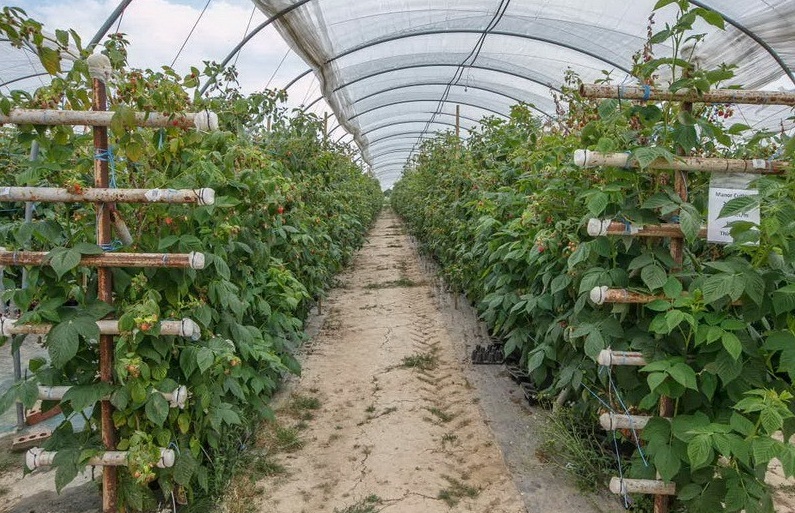
Polka does not require pinching, but if you decide to do so, it should only be done on shoots at least a meter long, and only before flowering, otherwise there is a risk of delaying the fruiting period of the crop.
Despite some shortcomings, the Polka everbearing raspberry is considered a real find for many gardeners, both amateur and professional. Therefore, both gardeners and professionals receive only positive reviews about the variety.
Video: "How to prune, water, and care for this raspberry variety"
From the video you will learn how to properly grow this raspberry variety.