
Raspberry "Polana": features of growing a high-yielding variety
Content
Description of the variety
The variety description highlights the key distinguishing characteristics that distinguish this variety from other everbearing raspberry varieties. These include increased disease resistance, high yields—up to 4-5 kg of berries per bush per season—good transport properties, and a long fruiting period—from late July until the first frost.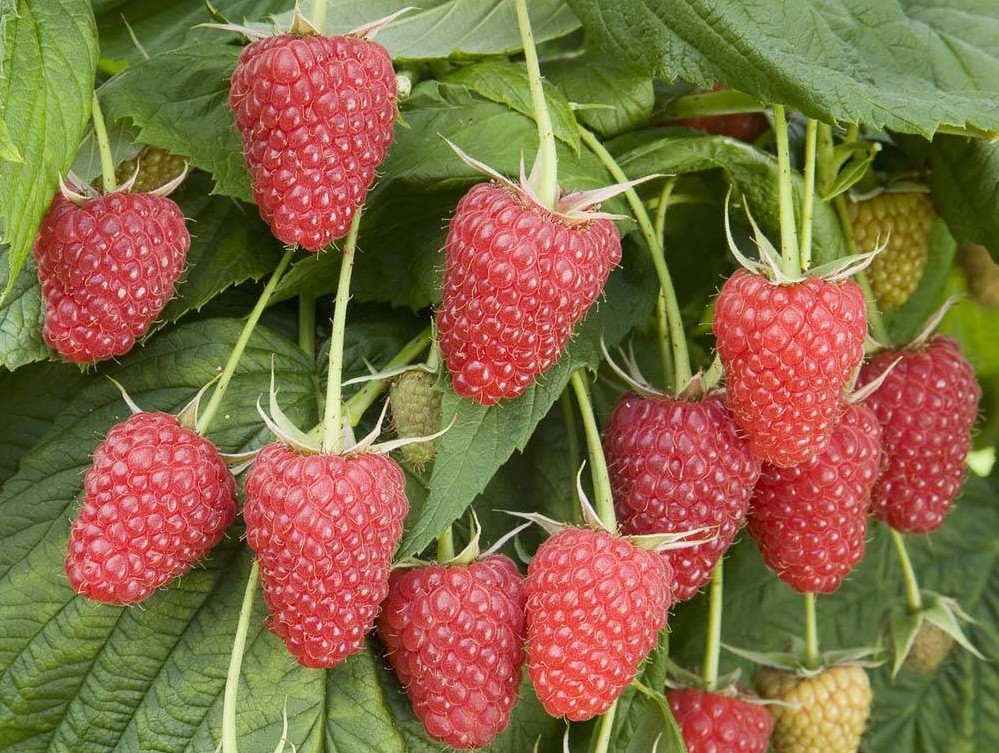
This variety of the cultivar propagates well both by dividing the root system and by planting shoots.The Polana bush has strong shoots, up to 2 meters tall, with medium-sized thorns. Its branching is well developed, so pinching the tops is not necessary; this can be done if necessary to slow the bush's upward growth.
The bush grows upright, vigorous, and resilient. The berries weigh 5 to 7 grams, are bright red, glossy, oval-round, and have a slightly tart, not overly sweet flavor.
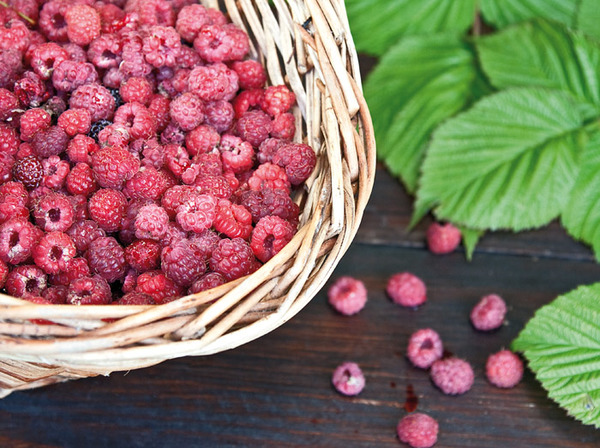
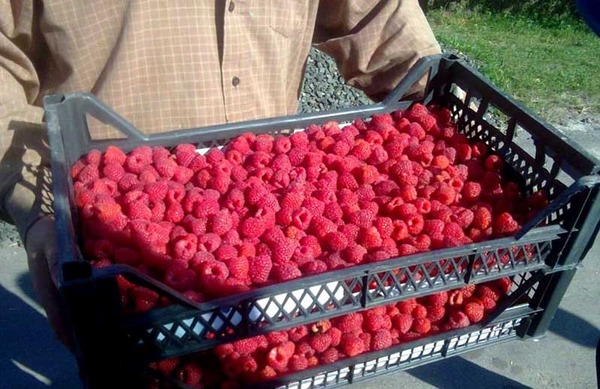
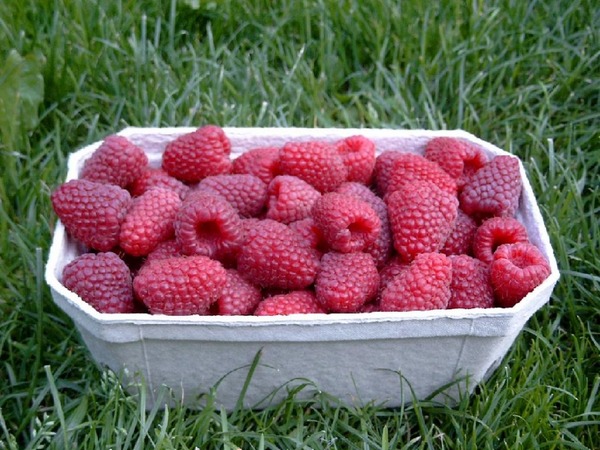
The consistency is elastic and dense, they tolerate transportation well, and do not fall off the bush during ripening.
The secret to a bountiful harvest of berries from the variety we are considering is considered to be timely and moderate watering, particularly during the flowering period of the raspberry bush, intensive fertilization, and proper mulching.
With proper care, gardeners reap a fairly generous harvest—up to 200 kg per hundred square meters.
Video "About this raspberry variety"
From the video you will learn what this variety of delicious berries is.
Landing rules
Since raspberry seedlings have a closed root system, they can be planted at any time during the growing season. However, it's best to plant the Polana raspberry variety in early fall, as planting and care require special attention.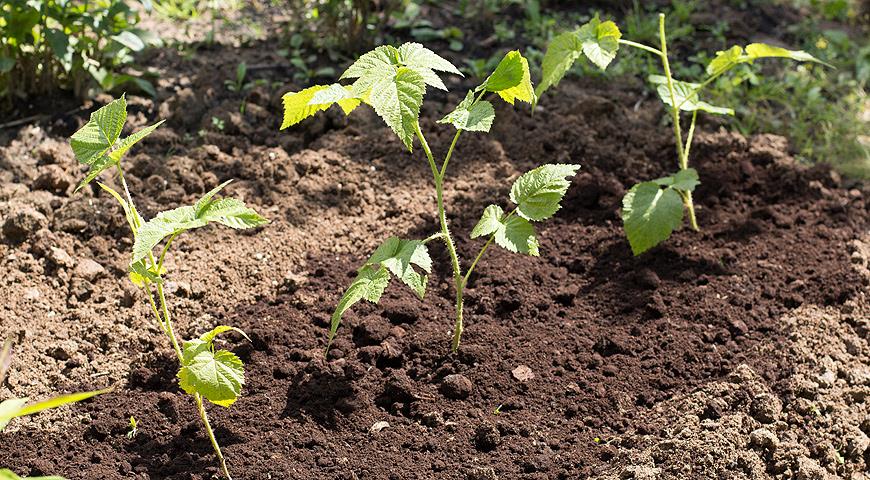
There are two recommended methods for planting Polana raspberries: bush planting for private garden plots and strip planting for industrial cultivation.
Choose level, wind-protected, and well-drained areas. Rows of bushes should be planted in a northeast-southwest orientation. Considering that the berry crop will grow in this area for several years, proper soil preparation is essential, as this will be key to the plant's abundant fruiting.
The best soil for everbearing raspberries is considered to be medium loamy and light loamy, fertile, loose soil with a moderate and timely level of moisture.
The area where you plan to plant raspberry bushes must be prepared by digging up the soil.
When planting in bushes, you need to prepare holes 50-60 cm wide and at least 40 cm deep. The holes should be prepared ten days before planting the bush.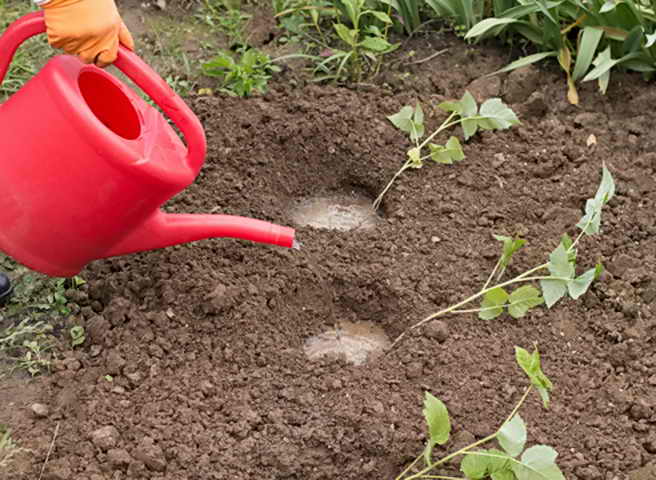
When using the trench or strip planting method, it is necessary to add 16-18 kg of humus, 0.3 kg of lime and 0.5 kg of wood ash per linear meter, sprinkling it on top with fertile and breathable soil.
When planting, ensure the root collar is level with the soil. After planting, water the plants generously, at least one bucket of water per bush.
Growing recommendations
When thinning the bush, leave the four strongest and most robust shoots, otherwise the bush will be overloaded.
When caring for the Polana raspberry bush, the recommendations are the same as for most remontant raspberry varieties.
Polana raspberries require moist soil, especially during flowering. Drip irrigation is the optimal irrigation method. On hot, dry summer days, each bush should receive at least two buckets of water 2-3 times a week.
In mid-autumn, organic fertilizers are spread under the plants: rotted manure, compost, at the rate of one bucket per bush.
Bushes that have grown and when spreading block the space between rows must be tied up.
In early spring, before flower buds begin to form, the plant is treated with insecticides and fungicides.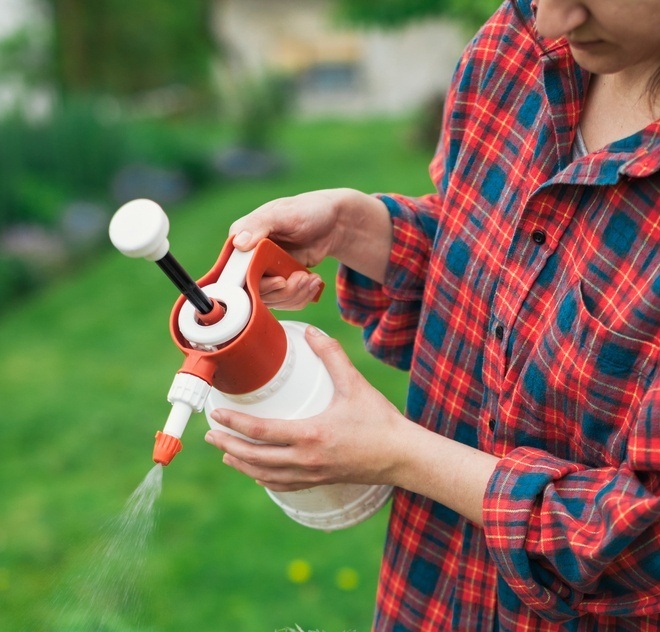
When caring for raspberries, it's important to weed the soil at the right time, as well as loosen the soil after heavy rains and watering to make it light and "breathe."
Although this raspberry variety can bear fruit twice a year, experienced gardeners recommend harvesting young bushes once per season. This is because the plants need to establish themselves during their first year. To achieve this, pruning is done before winter, leaving some branches at a height of up to 20 cm above ground level. In this case, there is no need to cover the bush for the winter, even at temperatures of -30°C (-22°F), provided there is snow in the winter.
Care Features
The Polana raspberry variety is easy to care for because the plant is not capricious or demanding.
It's important to consider the variety's characteristics, particularly the fact that the plant prefers organic fertilizer solutions. If organic fertilizers aren't available, mineral fertilizers are used, such as nitrogen-phosphate complexes and others.
The first feeding is carried out only when the seedlings reach at least 30 cm in height. However, it's also important not to overfeed the plant, otherwise all the energy will be spent not on fruit formation, but on the lush growth of the bushes.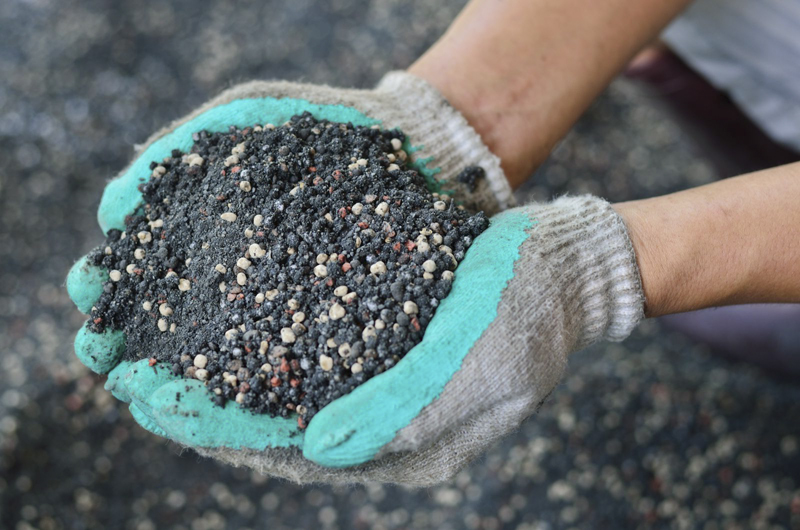
Mulching is a key part of care. For this purpose, use humus combined with compost and manure. It's important to note that mulching is essential, even though this variety is highly drought-resistant. Moderate and timely watering is still necessary. Mulching will prevent unnecessary moisture evaporation and provide favorable growing conditions for the plant, which will ultimately yield a bountiful harvest. However, sawdust should not be used for this purpose, as excessive moisture can attract slugs.
Following these recommendations for planting and caring for Polana raspberries will soon yield excellent results, in the form of a bountiful harvest of fragrant, juicy, and delicious berries.
Video "Preparing for Winter"
This video will show you how to prepare your shrub for winter.