
Raspberry "Orange Miracle" - nature's candy
Content
Description
This berry seems to have come straight out of a cheerful children's song: "Orange sky, orange sea, orange greenery." The orange raspberry is completely out of this league: something joyful, fabulously beautiful, and utterly impossible. But why impossible? It exists—so fantastical, and yet still just a raspberry.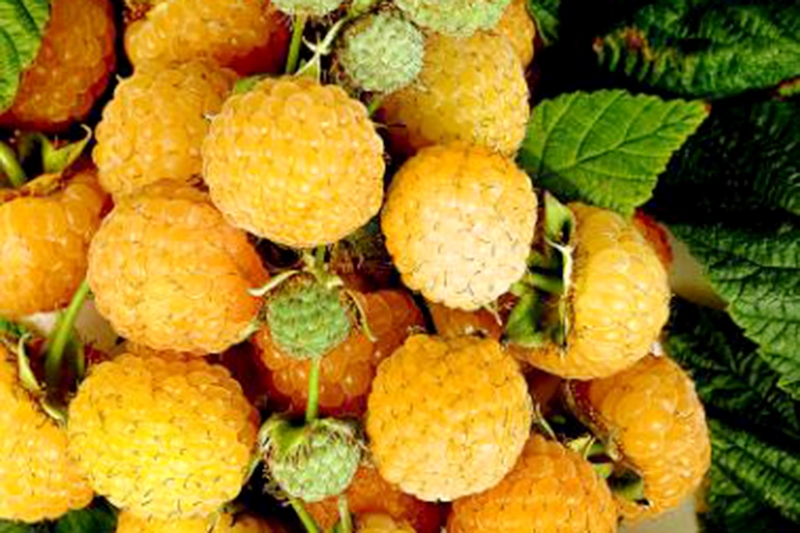
Even those who are completely uninitiated in gardening, and who are not even gardeners, will surely admire this beauty! And imagine how stunning these orange lantern-shaped berries will look in their own backyard. Gardeners will be delighted too. And they'll want to know what it takes to grow this beauty in their own backyard.
Meet the "Orange Miracle" raspberry, a yellow berry variety not yet widely grown in our climate. With proper care, this orange-colored berry can yield 2-2.5 kg per bush. It's quite feasible to grow it in large quantities—not industrial-scale, but still.
The fact is, this variety of yellow raspberry stands out from most of its peers. Typically, yellow raspberries aren't suitable for commercial purposes simply because the delicate berries don't travel well in shipping. But the "Orange Miracle" raspberry variety is one of the modern varieties. Cultivators have managed to overcome this drawback by making the berries denser, making them easier to transport.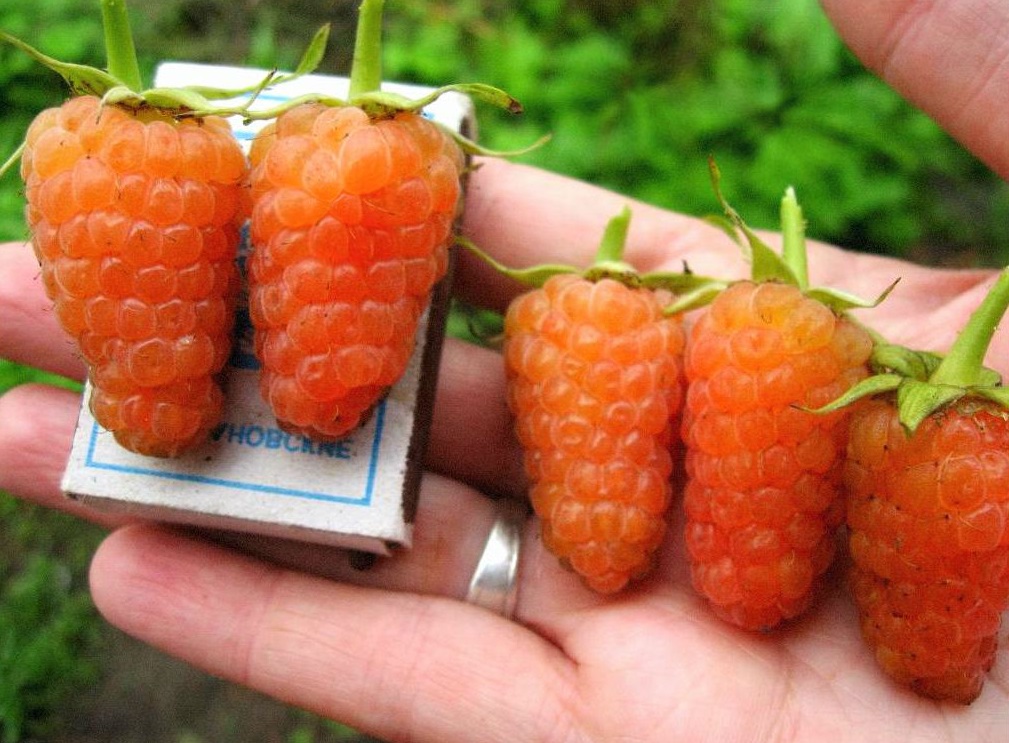
This is a remontant raspberry, the first harvest ripens by mid-July, and the “Orange Miracle” bears fruit until late autumn. These beautiful berries are delicious fresh, but orange raspberries also make excellent jams, marmalades, and compotes.
Video "Description"
From the video you will learn many interesting facts about the Orange Miracle raspberry, as well as a description of the variety.
Landing features
Gardeners know that when planning to grow a new crop, the first important step is planting it successfully. That is, in the right location, paying attention to the plant's subtle and significant quirks.
The "Orange Miracle" has specific requirements that must be taken into account. Planting it is a serious process. Choose a site carefully, considering the following:
- it should be a sunny side, preferably the south;
- in this place the raspberries should not experience either drought or excess moisture;
- the soil must be fertile and loose.
Our picky plant loves comfort, care, and attentive tending. So, clear the chosen area of snow early and cover it with plastic. You'll get an early harvest if you install hoops there and stretch the plastic over it, creating a greenhouse.
The soil for "Miracle" must be fertilized. Add peat, humus, and wood ash. This will help the seedlings take root smoothly and bear fruit abundantly.
You can prepare excellent planting material yourself. Remove the central part of a 2-3-year-old plant. The remaining roots will then produce shoots that can be successfully used for planting.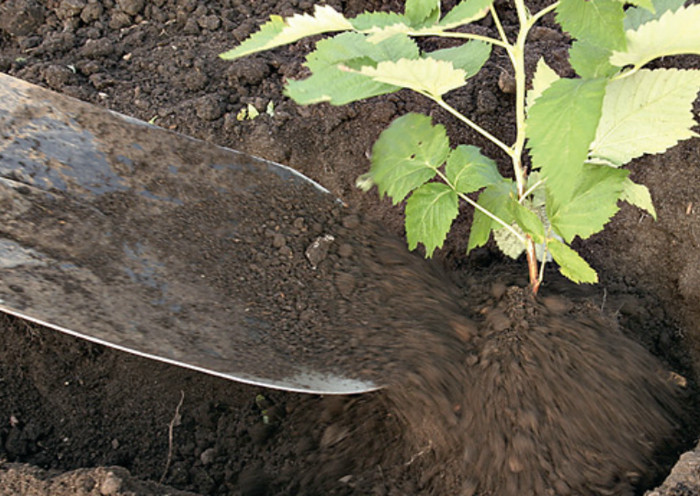
Planting raspberries can be done in one of three ways:
- row (distance between rows 1.5-2 m);
- ribbon (planting in several lines at a distance of 1.5 m);
- bush (seedlings are placed at the corners of a square at a distance of at least 1.5 m).
For the Orange Miracle raspberry, you can choose any of the methods.
Plant care
The planting was successful, and your new variety has taken root. What care does this exotic orange raspberry require?
Caring for this variety isn't overly complicated. If you've grown red raspberries before, you should know that regular soil loosening and careful weeding are essential. These are key to plant health, disease prevention, and pest control. However, remember that the roots of the "Orange Miracle" are close to the surface, so don't overdo it with loosening the soil.
Another important point is watering. During drought, the "Orange Miracle" shouldn't get thirsty. However, be careful not to drown the raspberry bush, especially if the soil in your area doesn't absorb moisture very well. Create conditions for short, heavy rains.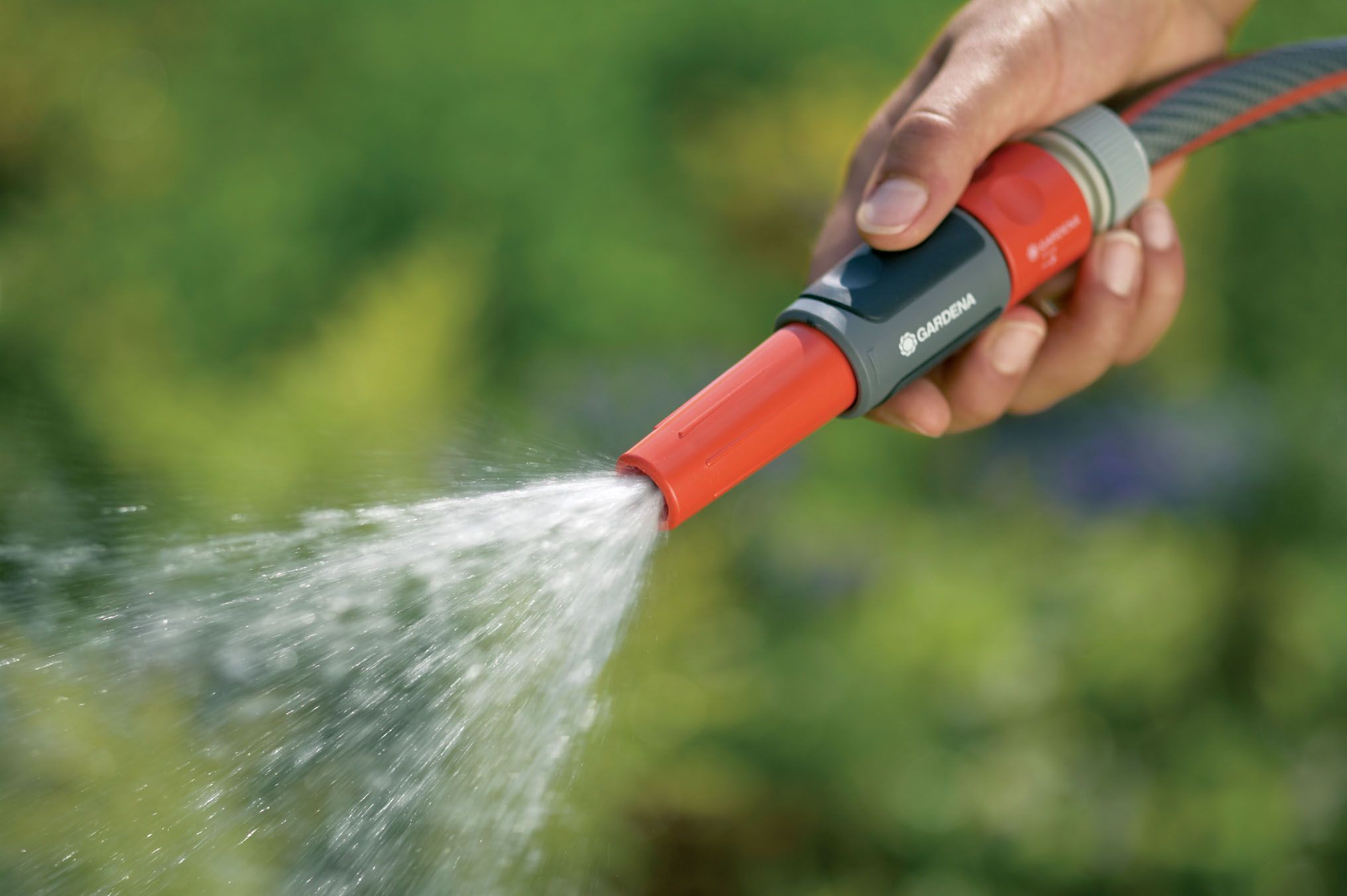
Orange berries may look unusual, but they prefer the most traditional fertilizer. Simple organic fertilizers (bird droppings or mullein) provide the best care. They should be applied in liquid form, diluted with water: bird droppings at a ratio of 1:20, mullein at a ratio of 1:10.
The yield is a very attractive characteristic of this variety. However, the large number of berries requires support to prevent damage to the branches. The bushes can be tied or trellised.
Diseases and pests
"Orange Miracle," as a remontant raspberry, is inherently disease-resistant. It's believed that these raspberry varieties don't require any special pest control or disease prevention measures. The remontant nature of "Miracle" itself is the guarantee.
The fact is that routine care for everbearing raspberries includes all measures to prevent diseases and pest attacks. After all, their shoots must be pruned in the fall. By doing this, we rid the plant of potential sources of infection.
But even the "Orange Miracle" can get sick. The most common diseases for this variety are:
- chlorosis;
- gray mold;
- rust.
Signs of chlorosis include yellowing leaves at the tops of the bushes, followed by yellowing of the stems, and the berries wither before they ripen. If the disease is caught early, spraying with Kugoplex will help. If there's no effect, the bushes will have to be uprooted and burned. Disease prevention involves treating with Nitrofen (before bud break) and spraying with Methimercaptophos.
Gray mold is unmistakable: an unpleasant gray coating appears on the berries. Affected berries should be collected and destroyed. In preparation for winter, treat the bushes with colloidal sulfur and sprinkle the soil with ash or activated charcoal powder.
Reddish bumps on leaves and stems are signs of rust. It is treated with a one-percent Bordeaux mixture, spraying the bushes after flowering and after harvest.
Harvesting
By the end of July, the berries are already beginning to ripen. This means that in just a couple of weeks, in the second ten days of August, the harvest will begin and last not just until the cold weather sets in, but until the first frosts. An abundance of beautiful, glossy, sweet berries awaits you. The fruitful "Orange Miracle" raspberry variety emphasizes this in its description.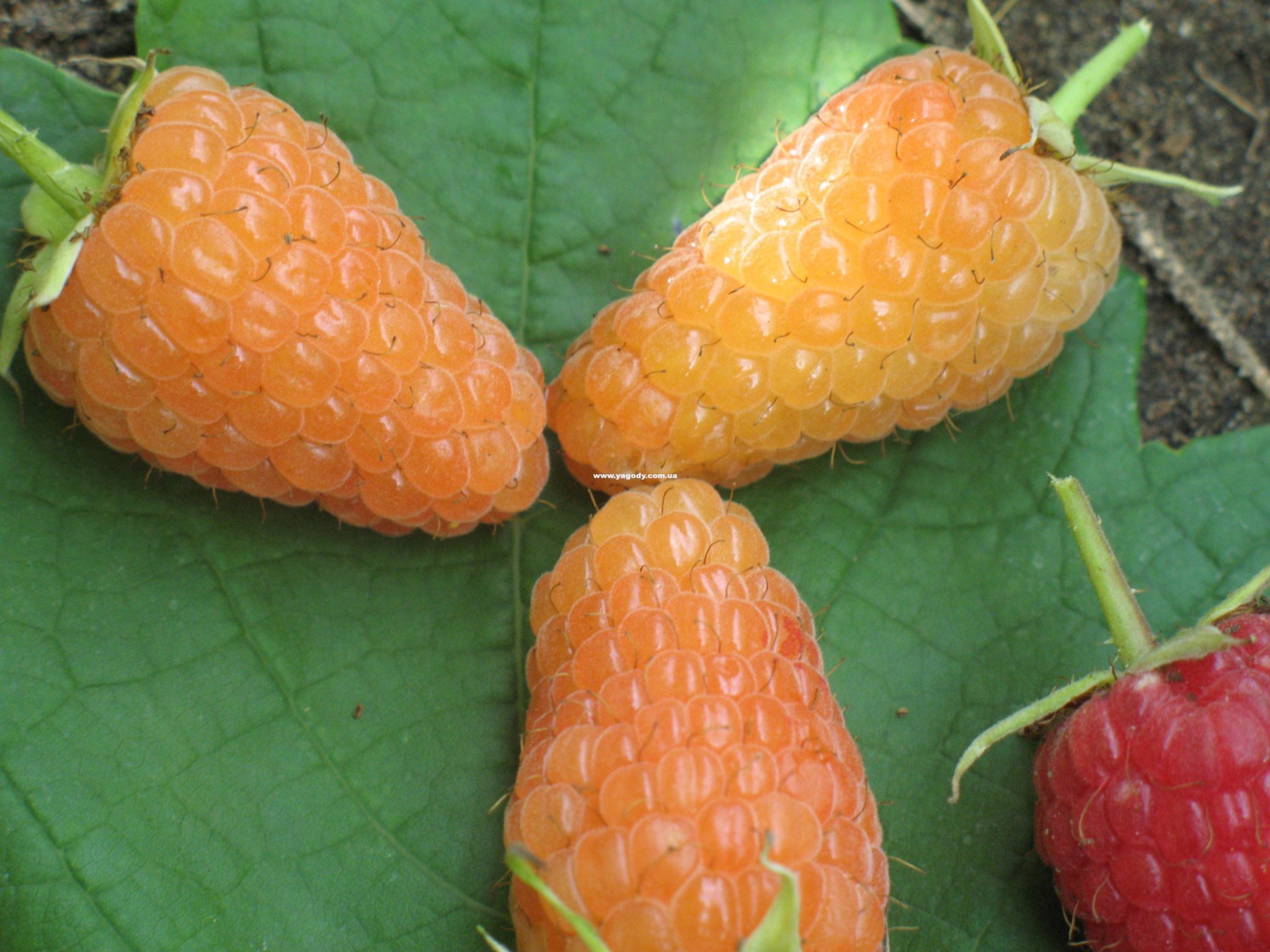
"Orange Miracle" is forgiving to gardeners: the berries stay on the bush for a long time, so harvesting won't be a rush. It's best to pick raspberries in the morning, after the dew has dried. The only drawback is that the "Orange Miracle" raspberry bushes are quite thorny, so wear protective clothing. Otherwise, you'll get scratched!
It's preferable to pick berries with stems on, especially if they're going to be transported. Picked with stems on, they'll withstand transportation better.
If the summer hasn't been blessed with good weather, the berries will be yellowish. But if there have been plenty of hot and sunny days, you'll get bright orange raspberries. When you harvest, you'll see how self-sufficient this variety is: even if you haven't spent much time caring for your raspberries, they'll still produce a bountiful harvest. And those who have worked hard to care for their raspberry patch will be rewarded a hundredfold.
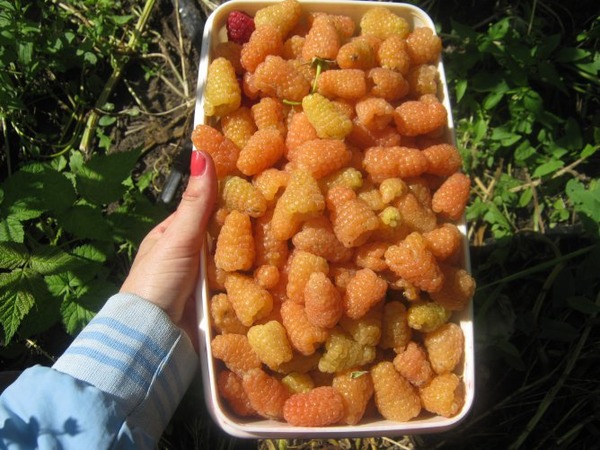
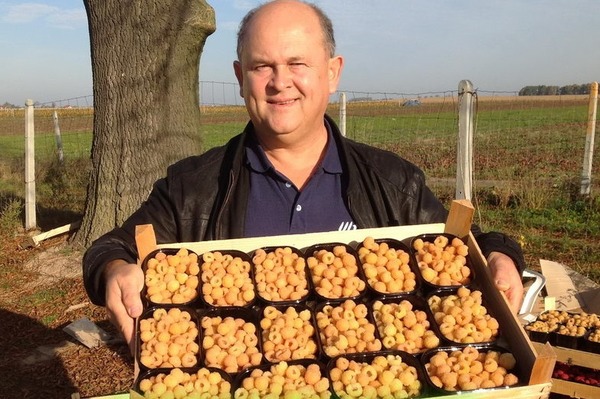
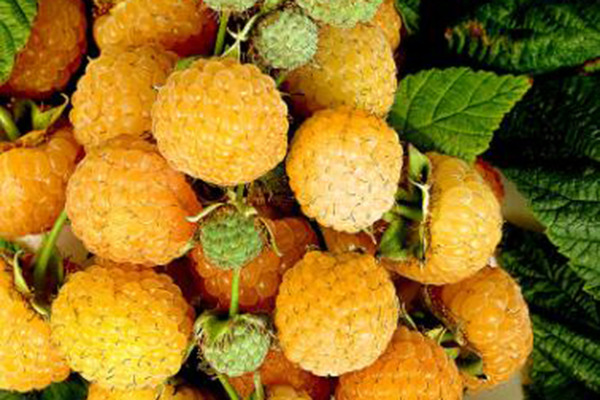
Another advantage of "Miracle," especially valuable during harvest time, is that the berries will last for 12 hours, even just in the room, without losing their beauty or freshness. And they'll keep in the refrigerator for three days without losing their juices. Truly a miracle.
Video "Pests"
From the video you will learn what and how can harm raspberries.