
Cascade Delight Raspberry: Variety Description
Content
Description of the variety
This berry variety, like most of its relatives, is a shrub capable of reaching a height of 3 meters. Despite its vigor, the plant is quite compact, with all its branches arranged strictly vertically. The branches have thorns, but they are quite sparse. The leaves usually grow in groups of three and are compound.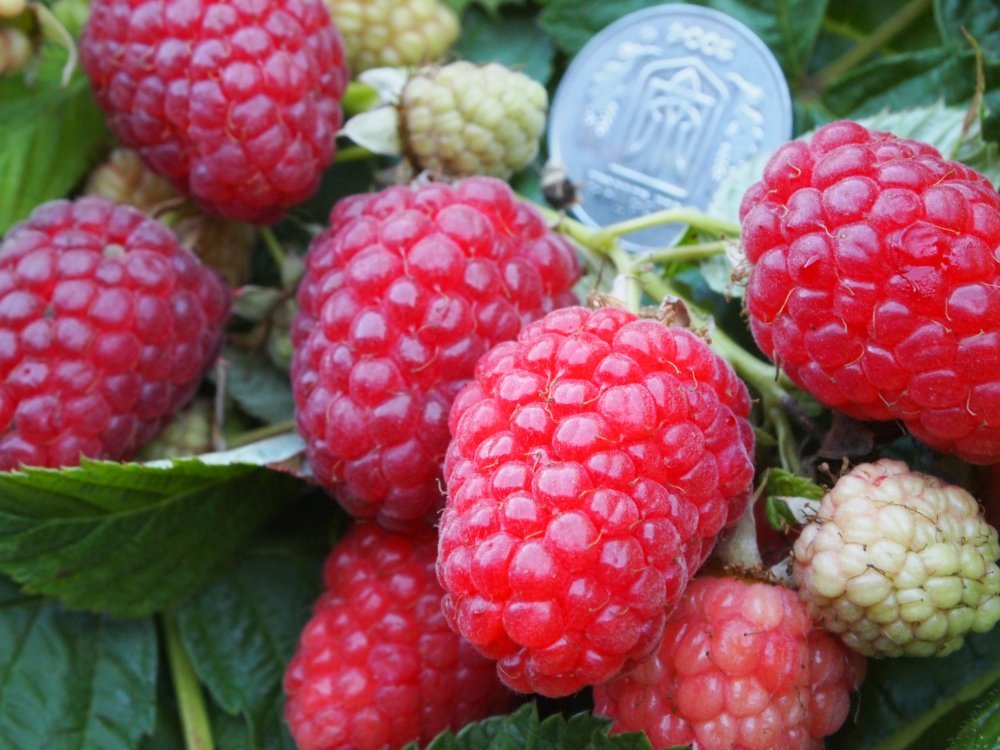
This variety is characterized by high fertility; when grown commercially or for commercial production, up to 5 kg of fruit can be harvested from a single bush. When grown in a private garden or backyard, a bush can yield approximately 8 kg of berries.
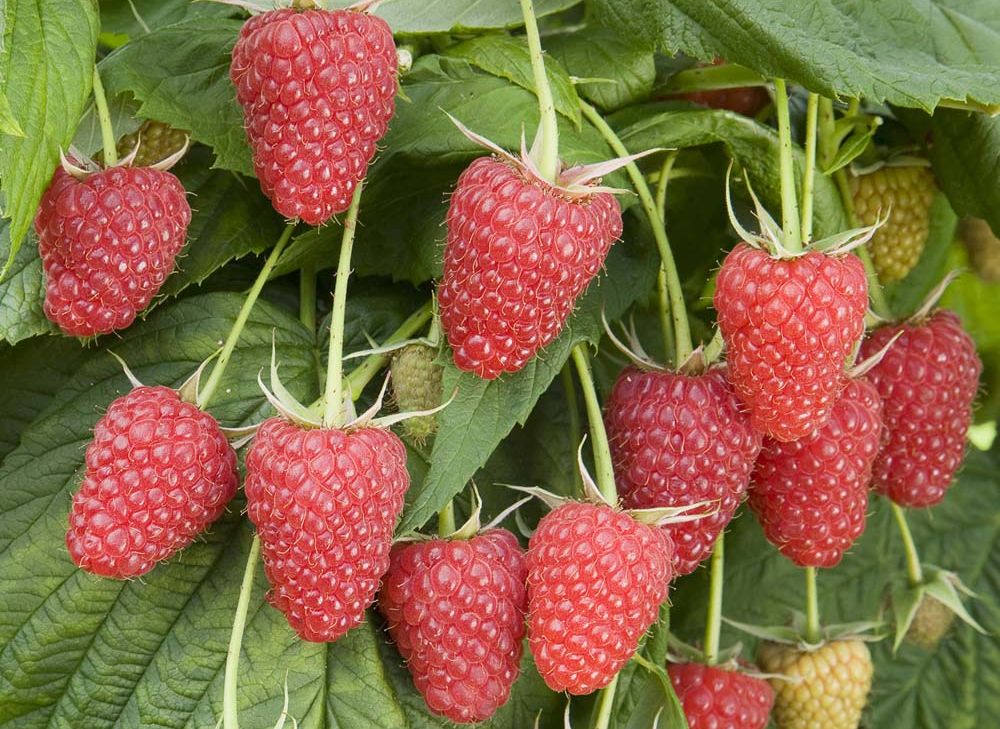
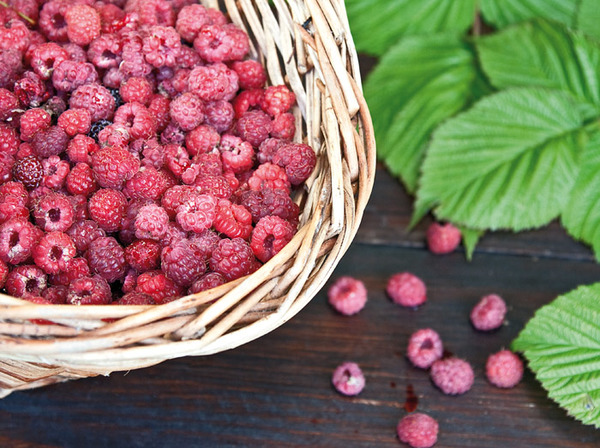
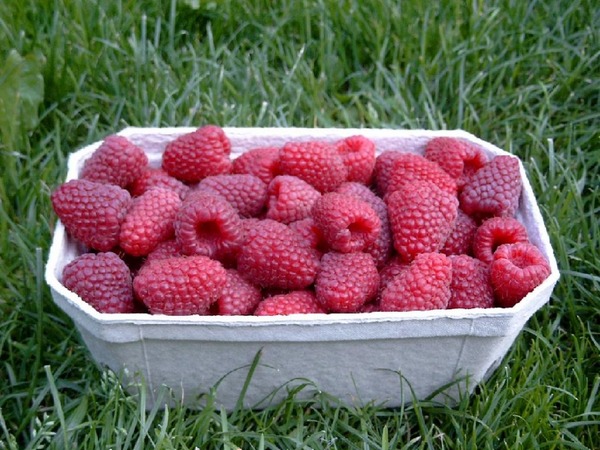
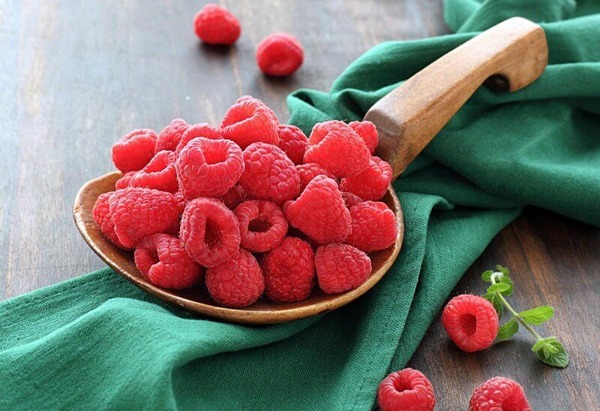
The fruits of this variety are large. The berries are large in both size and weight. The raspberries are cone-shaped and weigh an average of 0.06–0.07 kilograms. The fruit's structure is firm and firm, making them ideal for long-distance transportation. The berries are sweet in taste and have a pleasant aroma. Ripe fruits are usually red or dark red. When fully ripe, the raspberries are easy to pick from the bush. The fruit tastes excellent both fresh and after processing. This variety stores well, retaining its aroma, flavor, and shape.
Video "Leaving"
From the video you will learn how to care for raspberries at different times of the year.
Advantages and disadvantages
Cascade Delight is considered a sweet, easy-to-grow variety that produces a high yield. It also tolerates cold well. But that's not all this raspberry variety has to offer. It also:
- Does not suffer from root rot even in conditions of excessive soil moisture.
- It bears fruit briefly but vigorously. Maximum yields can be obtained within a short period of time.
- It has an attractive appearance that remains intact even during transportation. This makes early berries suitable for sale.
- It has a small number of thorns, making it much easier to care for the bush and harvest the fruit.
- The fruits of this variety can be easily harvested mechanically.
- After harvesting, the berries do not change color, which allows raspberries to be used in various fields.
- The fruits do not fall from the bush and have excellent taste.
- It's heat and drought-resistant. However, don't neglect watering during this period, as the berry responds to any moisture with vigorous growth.
The culture also has some disadvantages:
- It's susceptible to dwarfing. This means that the plant's fruits may begin to shrink after some time after planting. It's precisely because of this characteristic that the variety hasn't yet topped the farmers' berry rankings.
- This type of raspberry develops unevenly, which is very puzzling even for experienced gardeners. This characteristic is present regardless of the growing location. This unevenness is observed both in the garden and among commercially grown bushes.
- Uneven fruit coloring is extremely rare. The exact cause is unknown; it may be a variety-specific trait or a consequence of drought or heat.
In the height of summer, high temperatures cause the fruit at the tops of the bushes to "bake." Despite the plant's drought tolerance, the fruit continues to ripen in hot, humid conditions, but the leaves turn yellow and wilt. The harvest also changes: the berries are soft to the touch and easy to pick from the bush.
Agricultural technology
The Cascade raspberry grows well in fertile, well-aerated soils. On acidic, clayey, and loamy soils, the crop is characterized by poor plant development and reduced yields. Sandy soil is also not the best option for growing raspberries. Acidic soils should be limed beforehand. Dolomite flour, applied at a rate of half a kilogram per unit area, helps reduce acidity.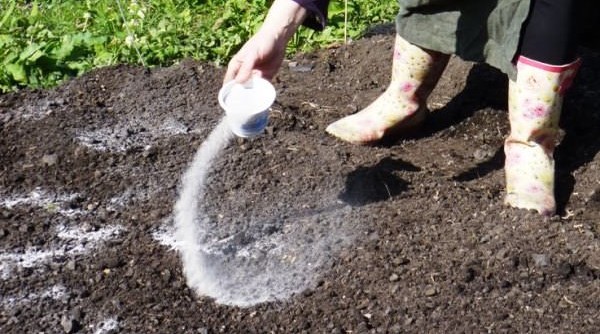
The bushes should be grown in sunny, wind-protected areas, but also well-ventilated. When planting, it's recommended to maintain the following distances: 0.4 meters between individuals. Rows should be spaced at least 2.5 meters apart.
For spring planting, preparations should be made in the fall. To do this, clear the berries of any nearby weeds and thoroughly dig the area. Poor soils require additional fertilizer, such as a bucket of compost or humus per bush.
The soil around the planted young plants should be lightly compressed rather than compacted. It is also recommended to mulch the soil around the plantings with loose organic matter. Dried peat or dried leaves can be used as mulch.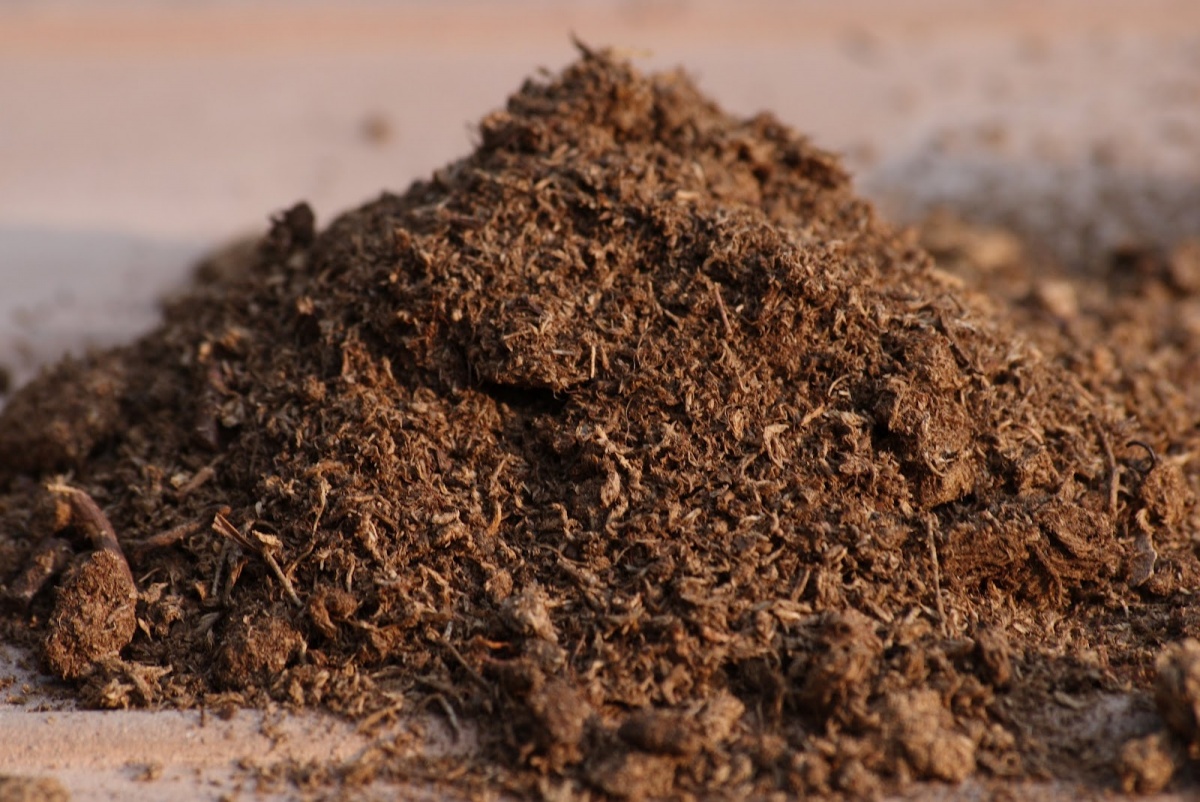
So, the Cascade Delight raspberry variety is a favorite among gardeners for its many benefits. Its cultivation techniques are quite simple, which also speaks in its favor. So, if you decide to grow raspberries, consider this variety.
Video "Growing"
This video will show you how to grow raspberries to get a good harvest.