
Raspberry variety "Ispolin": cultivation features
Content
Description and characteristics of the variety
The Ispolin raspberry produces a harvest of richly red, glossy berries. They are velvety to the touch and cone-shaped. The fruits are large, with a single berry weighing up to 12 grams! The flesh is juicy, sweet and tart. Sometimes, so-called double berries can be harvested. The raspberry scent is pleasant but not overpowering. The fruits are easy to pick from the bush, but they do not fall off even when ripe. The drupe seeds are small and not noticeable when eaten fresh.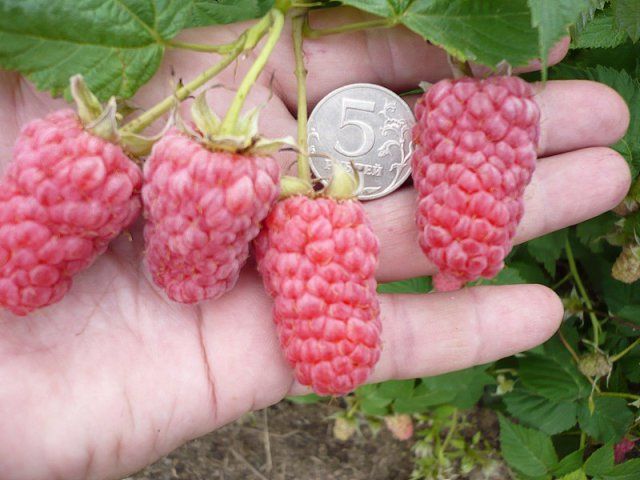
The variety description describes the bush as medium-sized, reaching a height of about half a meter. Despite its vigor, the plant is quite compact. The bush is compact and has dark green leaves. This variety produces white, racemose inflorescences. The stems are thick, straight, and tall. There are no thorns on their surface. There is no waxy coating on the branches.
During its full development cycle, the plant is capable of forming no more than 7 root suckers and up to ten shoots.
This mid-season raspberry variety ripens from early July to August. It is considered high-yielding, self-fertile, and early-ripening.
Video "Description"
This video will tell you about the characteristics of the Ispolin raspberry variety.
Advantages and disadvantages
Strengths of the variety:
- Demonstrates high annual yields of large fruits.
- The fruits are tasty and very aromatic.
- It is easy to propagate, as it forms many shoots and is not very sensitive to drought.
- Fast ripening of berries.
- Resistance to a number of diseases – mosaic, anthracnose, didymelle.
- Demonstrates high frost resistance.
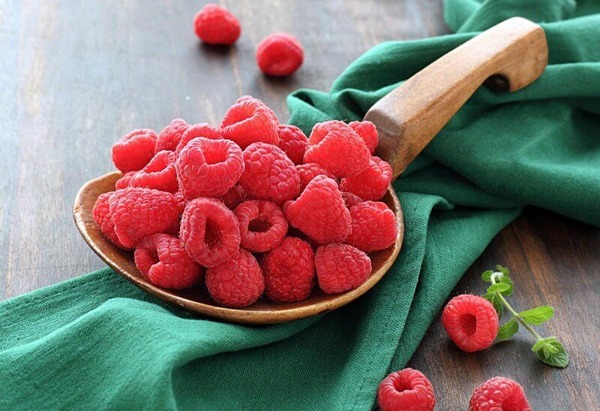
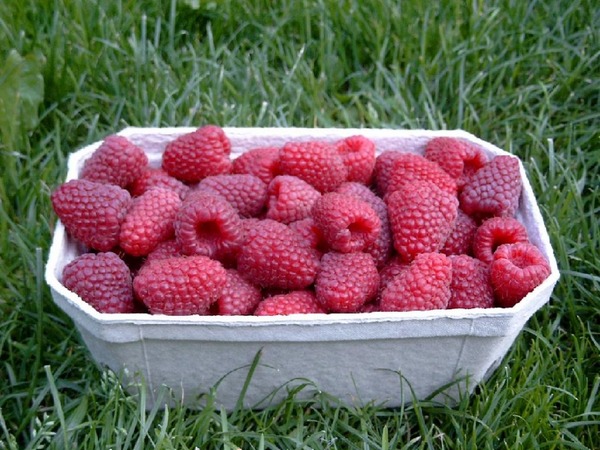
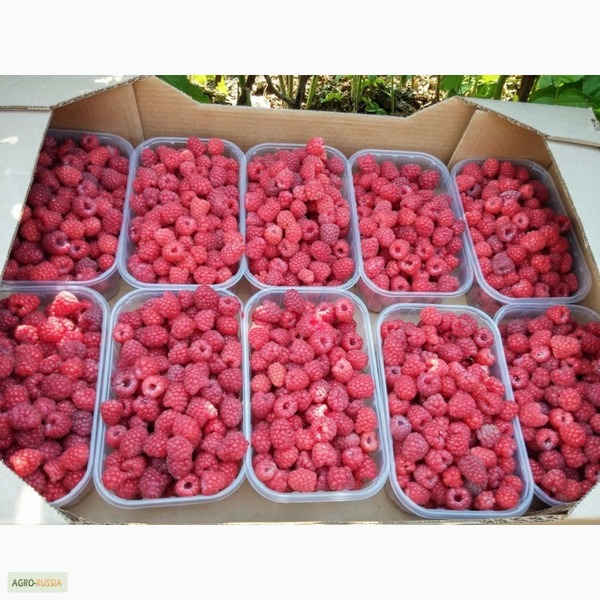
- Transportation of the harvest without damage is permitted.
-
The disadvantages of the variety are:
- There are double berries, which are a consequence of unfavorable environmental conditions;
- Low sugar content and weakened flavor due to frequent rainfall, insufficient sunlight, or dense plantings.
- Needs fertilizer.
- The variety is very sensitive to soil fertility and watering.
- When the temperature rises, it requires shelter.
Planting technology
This raspberry variety, according to its characteristics, has a two-year growth and yield cycle. During its first year, the plant stimulates the development of young shoots, and the fruit forms in the second year.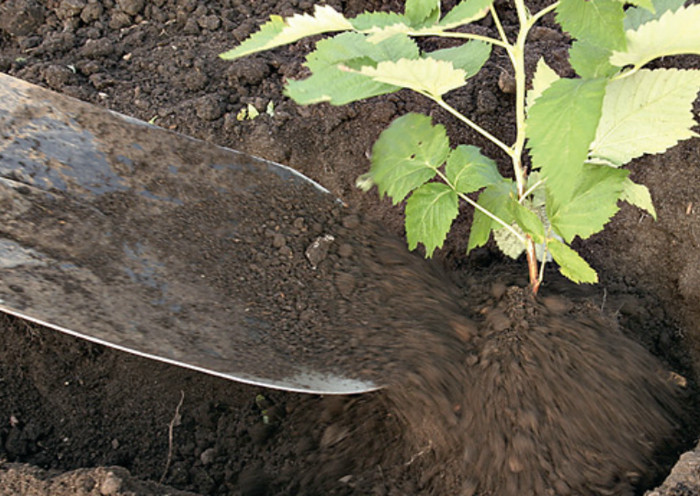
Planting should be done in spring (March) or fall (late September - early October). Fall is best, as this allows the plant to establish itself firmly in the soil and the soil to settle. Planting should be done a few weeks before the first frost.
Pruning rules
Throughout the plant's growth cycle, it requires pruning. Each year, the plant produces approximately seven root suckers and up to ten replacement shoots. Therefore, technical pruning is essential. Without proper measures, the yield may decline significantly.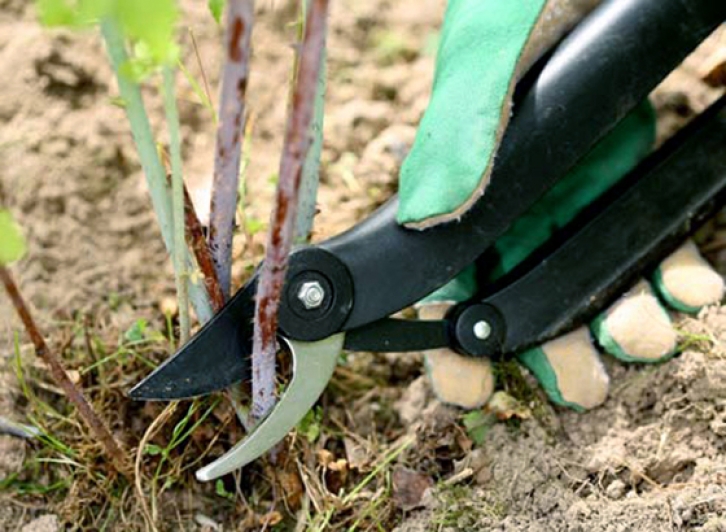
In spring, the plant should be pruned of "superfluous" organs in March-April; the exact timing depends on the regional climate. All weak plants, as well as underdeveloped stems, should be pruned to the roots. Healthy organs should be trimmed back to the terminal bud.
After bud break, stems should be trimmed back to 0.13–0.15 meters. This procedure has a positive effect on plant fertility.
The final pruning should be done a couple of weeks before the onset of cold weather and frost. Young plant parts should be cut back, as they won't survive the cold. Also, remove old shoots that are crowding the bush, diseased parts, and stems that have been bearing fruit for more than two years.
Reproduction
The easiest way to propagate this plant variety is by dividing the bush. Raspberries also produce numerous offshoots, which can be transplanted, thus greatly expanding the raspberry patch.
Watering
The plant is extremely sensitive to moisture, so each bush requires at least four buckets of water. Watering procedures are as follows:
- before flowering;
- during fruit ripening;
- after harvest;
- before the onset of frost.
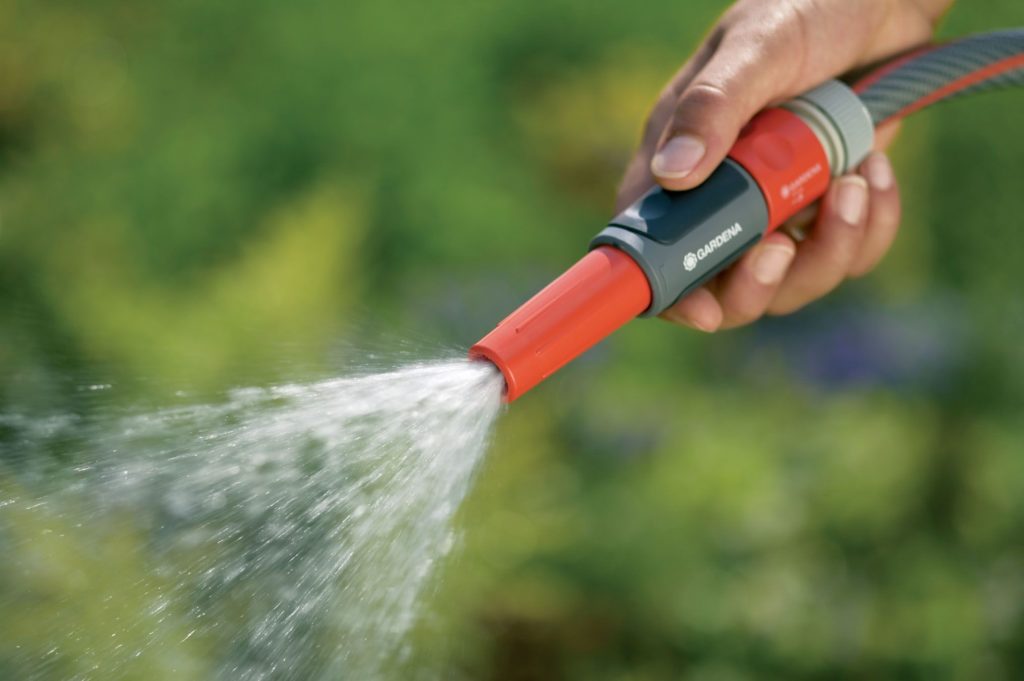
It is best to moisten the crop using the drip method, and then mulch the soil around the plantings.
Care instructions
You can only get a significant harvest of aromatic berries if you follow all the rules for caring for the plant:
- tie the bushes to the support;
- Fertilize regularly to ensure sweet fruits. Urea is a good fertilizer option;
- carry out systematic irrigation of plants;
- to form a bush, which will facilitate the harvesting process;
- organization of systematic irrigation;
- The crop should be watered before it begins to flower and during the ripening period of the fruits.
Plant fertilizing
The Giant needs to be fertilized annually. After planting, the plant is fertilized with a manure solution. In early spring, nitrogen, superphosphate, rotted manure, and potassium salt are added. In the fall, the plant requires wood ash and phosphorus-potassium compounds. Magnesium-containing fertilizers should also be added to the soil.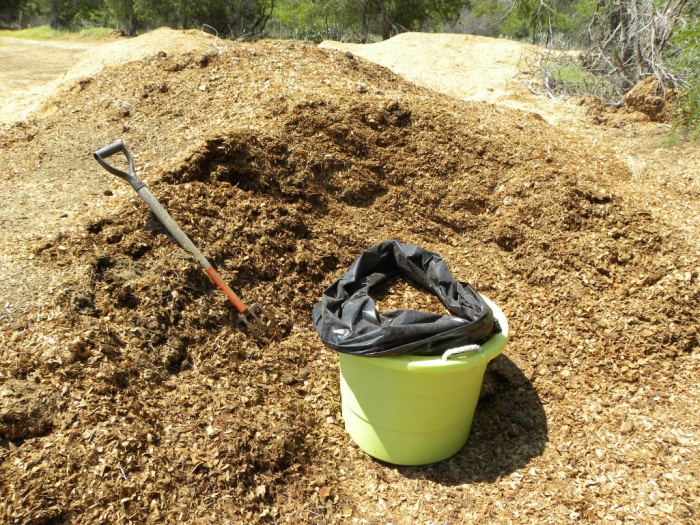
Preparing for winter
Raspberry bushes only need to be covered for the winter if temperatures drop below -30°C. To cover them, tie them up, cover them with agrofibre, and cover them with polycarbonate sheets. In the spring, the branches are untied, which helps the plant regain its natural shape.
Characteristic diseases
Despite the plant variety's resistance to diseases, it can be susceptible to root cancer, rust, bushiness, and septoria.
Pest control
Raspberry pests include:
- moth, which can be defeated by removing the affected stems or spraying the plant with Inta-Vir;
- beetles that need to be collected from the crop and destroyed;
- weevil;
- Gall midge. Damaged stems are removed and destroyed.
So, the agricultural technology for the Ispolin raspberry is quite simple and universal, similar to the rules for growing other varieties of berries.
Video "Growing and Care"
From the video you will learn how to grow and care for raspberries.