
Himbo Top Raspberry: Variety Features, Advantages, and Disadvantages
Content
Features of the variety
When grown in the central regions of Russia and Ukraine, Himbo Top raspberries produce a harvest as early as early August. Harvesting can continue for 1.5 to 2 months. The fruiting period directly depends on the climate and weather conditions of the region. Growing in northern regions is characterized by a certain amount of berries that "sleep" over the winter. Growing under plastic film allows harvesting into mid-autumn.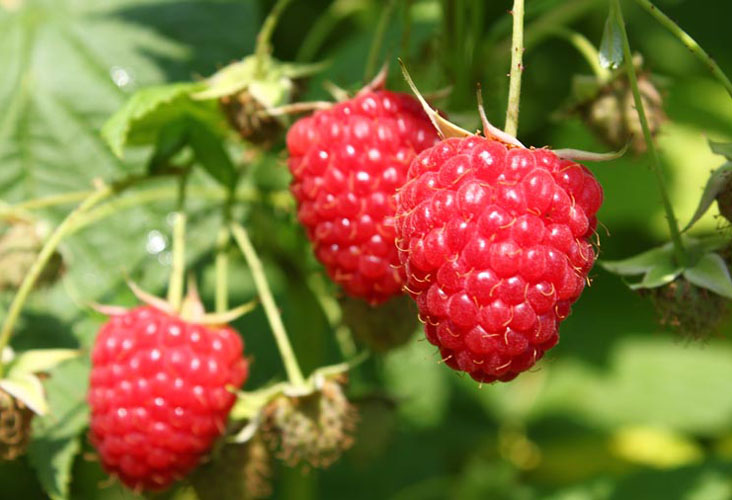
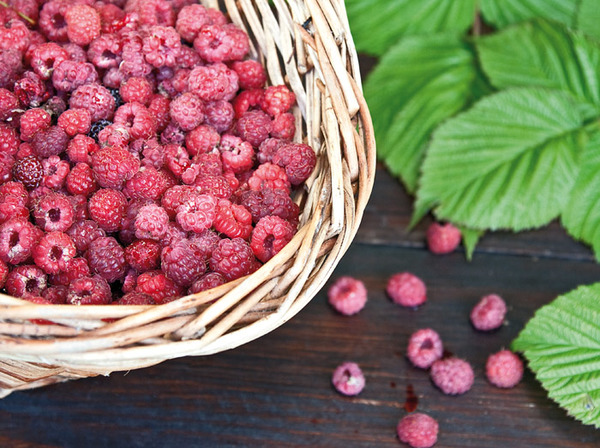
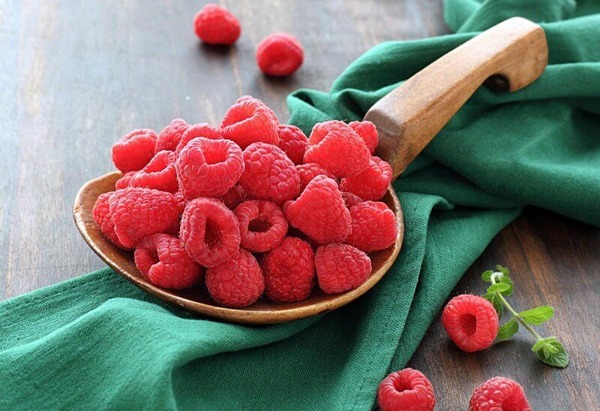
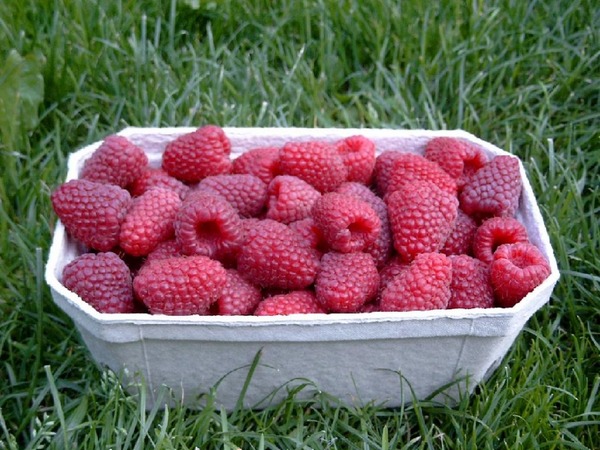
Raspberries are a rich red color and do not darken after ripening. The fruit is perfectly shaped, and the flesh is firm and juicy. When ripe, the berries are easily picked from the bush. Once ripe, the fruits retain their attractive appearance and, according to reviews, can remain fruit-free for up to three days.
The bush reaches a height of approximately 2 meters, sometimes slightly exceeding this. In its first year, the plant can produce up to 7 stems, and in subsequent years, approximately 10.
The variety's characteristics describe it as a tall bush with long branches spread along its entire length. The fruit-bearing branches are approximately 0.8 meters long.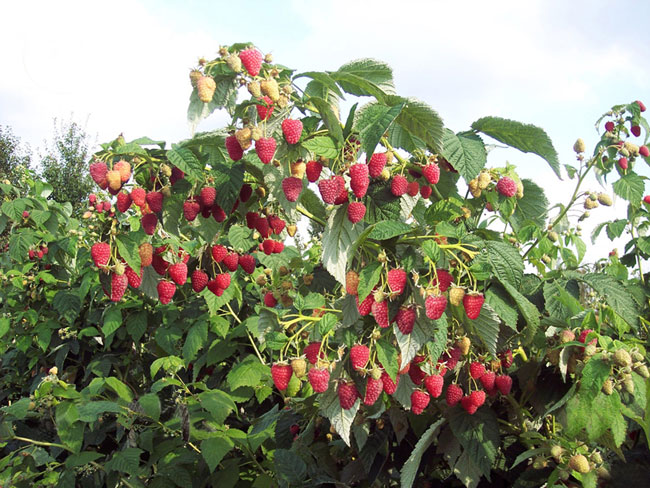
This variety is resistant to a number of diseases, for example, it is not susceptible to root rot or bacterial or fungal infections. Late blight is not capable of attacking plants even when planted in areas contaminated with this disease, as confirmed by laboratory tests.
However, the variety is still susceptible to diseases such as root canker and fusarium wilt.
The plant begins to bear fruit a week later than the standard European variety Ottm Bliss.
It's worth noting that due to its tall growth, this plant requires staking. When planting, maintain a distance of 3 to 3.5 meters between plants. This distance allows the bushes to fully expand and develop. If a universal trellis with 2 or 3 rows is used as support, the top row of wire should be positioned at least 1.5 meters above the ground.
The fruits usually ripen in midsummer (July).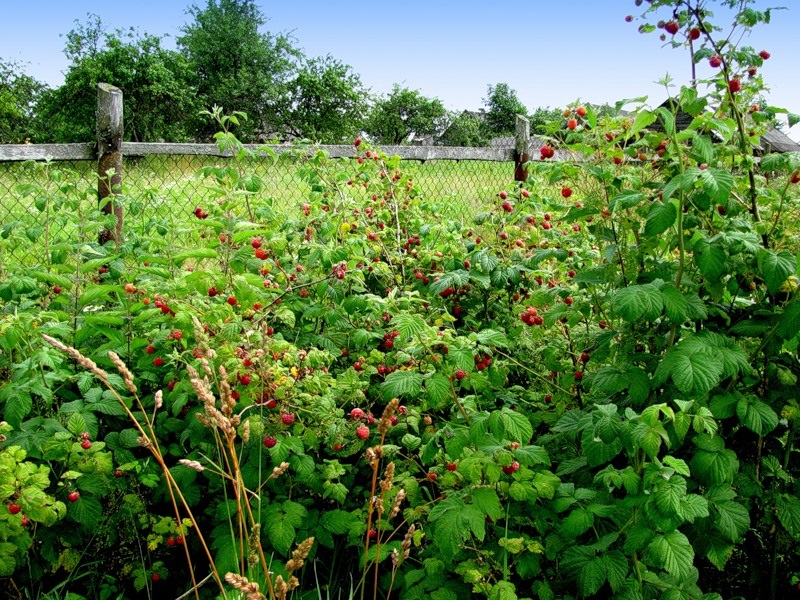
This variety, like any other raspberry, doesn't have a long shelf life. The berries are best eaten fresh. They store well frozen, but fresh berries are difficult to find, even in supermarkets.
It's no wonder Himbo Top is so popular among gardeners. However, compared to Polana, it's quite capricious and demanding, and its yield is inferior to Polka Himbo's.
Video "Description"
This video will tell you about the characteristics of the Himbo Top raspberry variety.
Growing
This variety's bushes are quite vigorous, so row spacing should be at least 3 meters. Tying the plants to a trellis will make caring for it much easier.
Such raspberries are capable of actively bearing fruit twice a year: in August-September on branches formed this year, and in June of the following year on two-year-old branches.
The distance between plantings should not be reduced, as the bushes branch out extensively. For commercial cultivation, the distance between plants is typically 0.7 meters. This distance should not be reduced for the same reasons.
When gartering, you need to attach long branches of fruits to the support, which bend under the weight of numerous fruits.
Pinching is not recommended for this variety, as it is remontant, and removing any parts of the plant will delay its development and stimulate the growth of lateral branches. Therefore, it's best to regulate the bush's growth by monitoring the number of fruit-bearing shoots.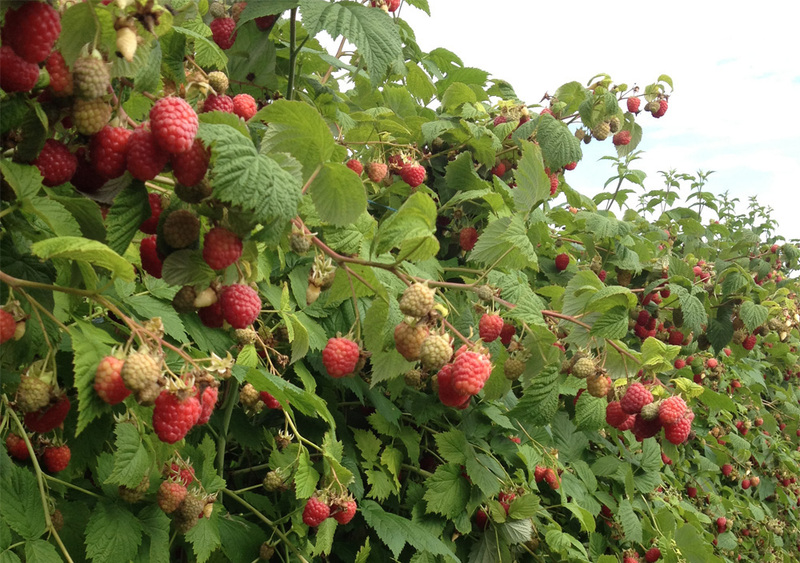
Soil composition is not as critical for this raspberry variety. Mineral fertilizers should be applied during flowering and fruit set. The plant is extremely sensitive to watering. Due to its high resistance to diseases and pests, it can be productively used for commercial purposes. However, in this case, cultivation should be environmentally friendly, meaning without the use of chemicals.
When harvesting, it is important to remember that ripe berries and unripe fruits differ from each other only in firmness and elasticity, and not in color.
Subtleties of care
The Himbo Top raspberry variety requires the same care as all everbearing varieties. However, to ensure a large harvest, it's best to grow the bush for a single fruiting season, in the fall. The plant should be pruned for the winter, and the foliage should be stimulated in the spring. Otherwise, you can harvest two crops per season, but the fruit yield will be very mediocre. However, many farmers disagree with this statement. They fertilize their plants more frequently, resulting in substantial yields for both seasons.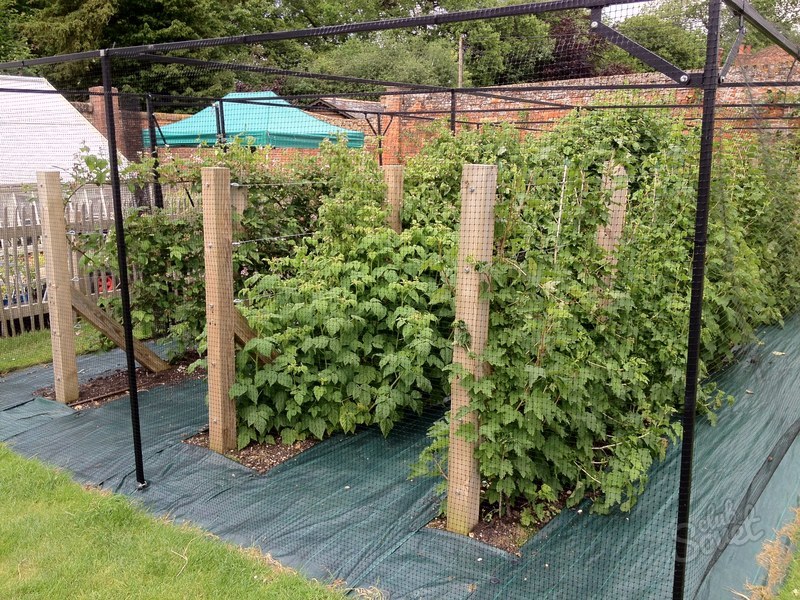
As for trellises, various trellises can be used to support raspberries—two-stripe, V-shaped, or T-shaped. For a standard support with two or three rows of wire, it's best to use a spiral trellis. This involves wrapping the young plant around the wire.
Don't forget to maintain a distance between individuals. A three-meter distance prevents overcrowding and shadow formation.
Advantages and disadvantages
The variety was developed in Switzerland, where it was licensed. In many countries (Switzerland, the Netherlands, the UK, Poland), this raspberry is considered very promising.
Each raspberry variety has a number of advantages and disadvantages. Specifically, the plant's strengths include:
- The variety is considered remontant and has large fruits.
- A high-yielding crop, capable of bearing fruit twice per season.
The berry's "disadvantages" include:
- It's susceptible to frost and low temperatures. Therefore, the berry should be grown in mild winters, cooler temperatures, or under plastic. It's best to grow it in a greenhouse. In northern regions of the country, gardeners should avoid planting this variety altogether. However, hot climates are also not ideal for growing this variety. In such climates, the berries bake, although not too much, without developing white spots.
- After prolonged rains, the berry loses its sugary taste.
- The fruits of this crop are considered firm, but they don't keep well. Raspberries spoil quickly during storage, becoming waterlogged and susceptible to rot.
-
So, Himbo Top undoubtedly deserves the attention of gardeners. However, when deciding to grow this raspberry, it's important to consider the weather and climate conditions of the region.
Video "How to Grow"
From the video you will learn how to grow raspberries.